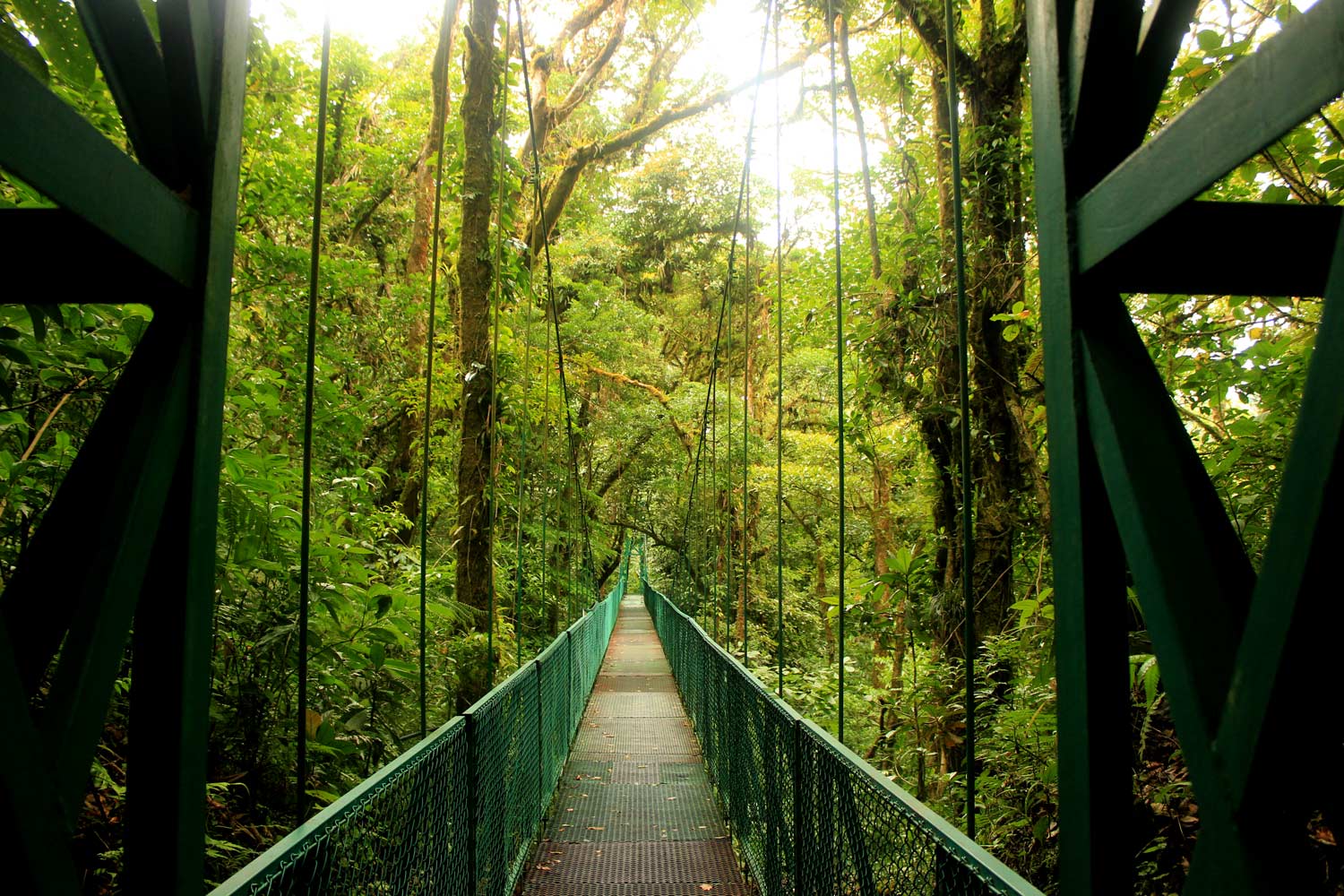
Costa Rica punches far above its size when it comes to biodiversity — this small Central American country contains around 5% of the world's known species. For photographers, that means extraordinary wildlife encounters: red-eyed tree frogs in Tortuguero, scarlet macaws in Corcovado, sloths hanging from cecropia trees in Manuel Antonio, and leatherback turtles laying eggs on Caribbean beaches at night. Add steaming volcanoes like Arenal, misty cloud forests around Monteverde, and the Pacific's surf-battered coastline, and Costa Rica offers photographic subjects in almost every direction.
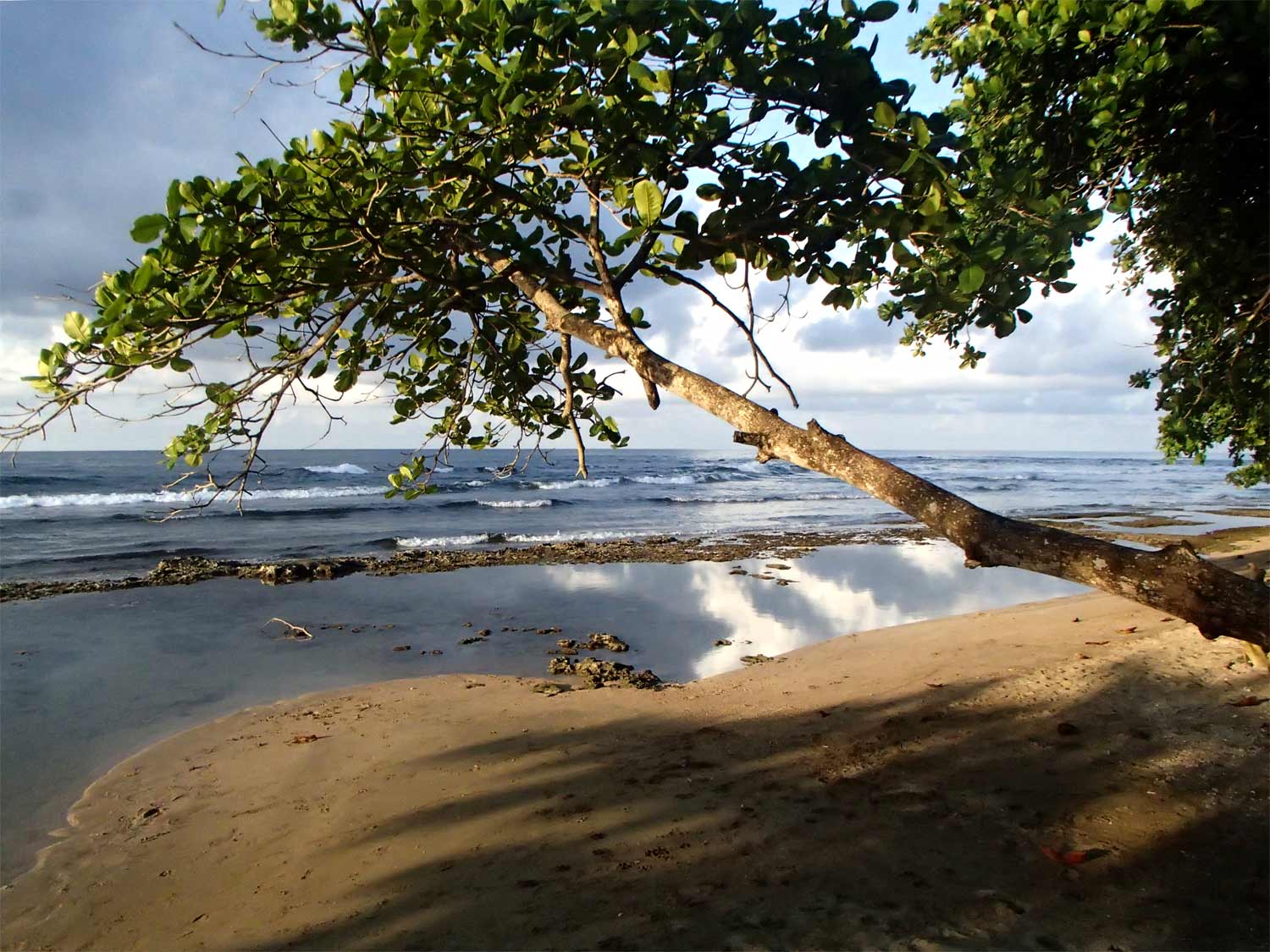 Beach North Coaso
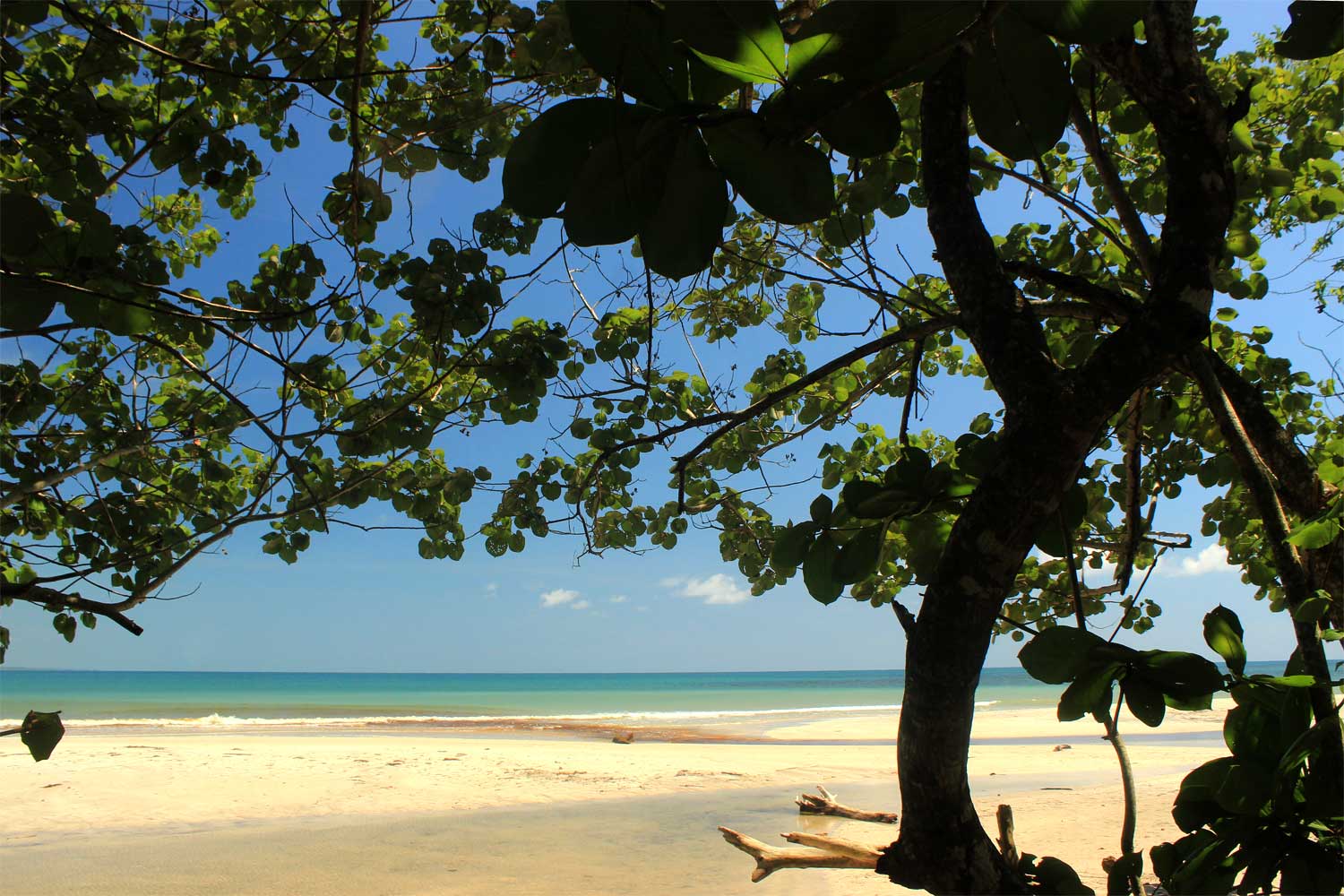 Beach Parc National Cahuita
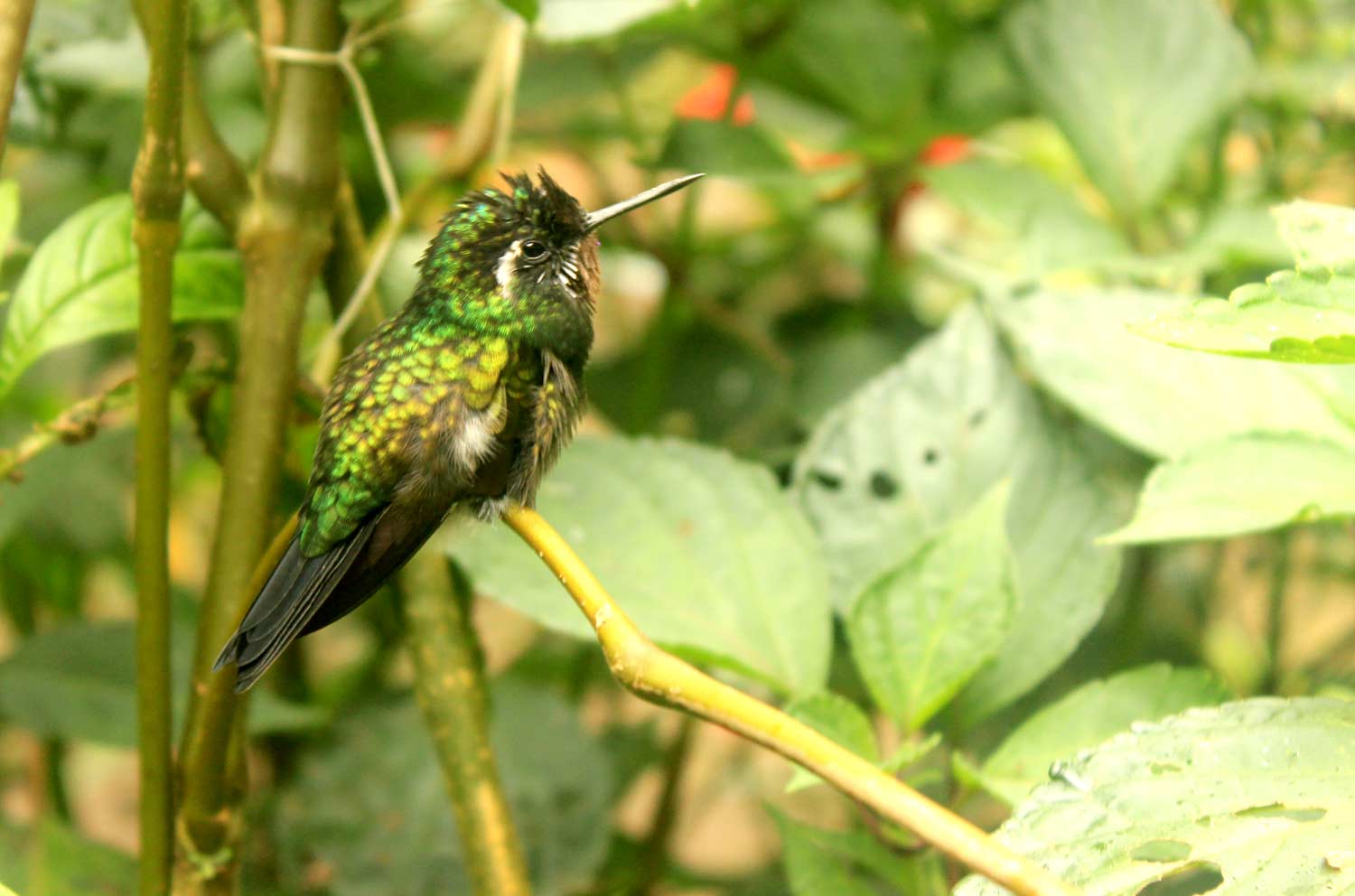 Bird
Bird
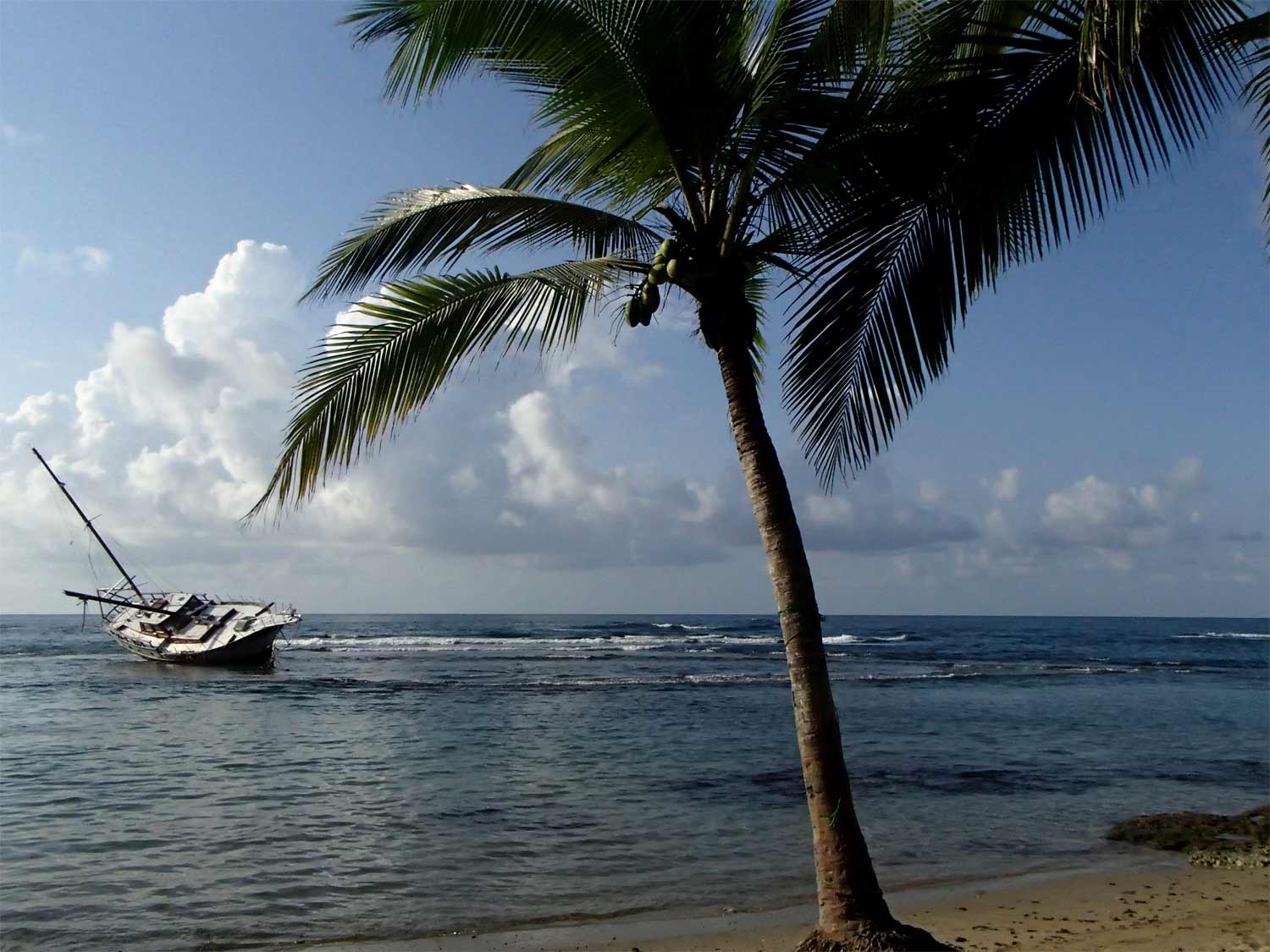 Boat Beach
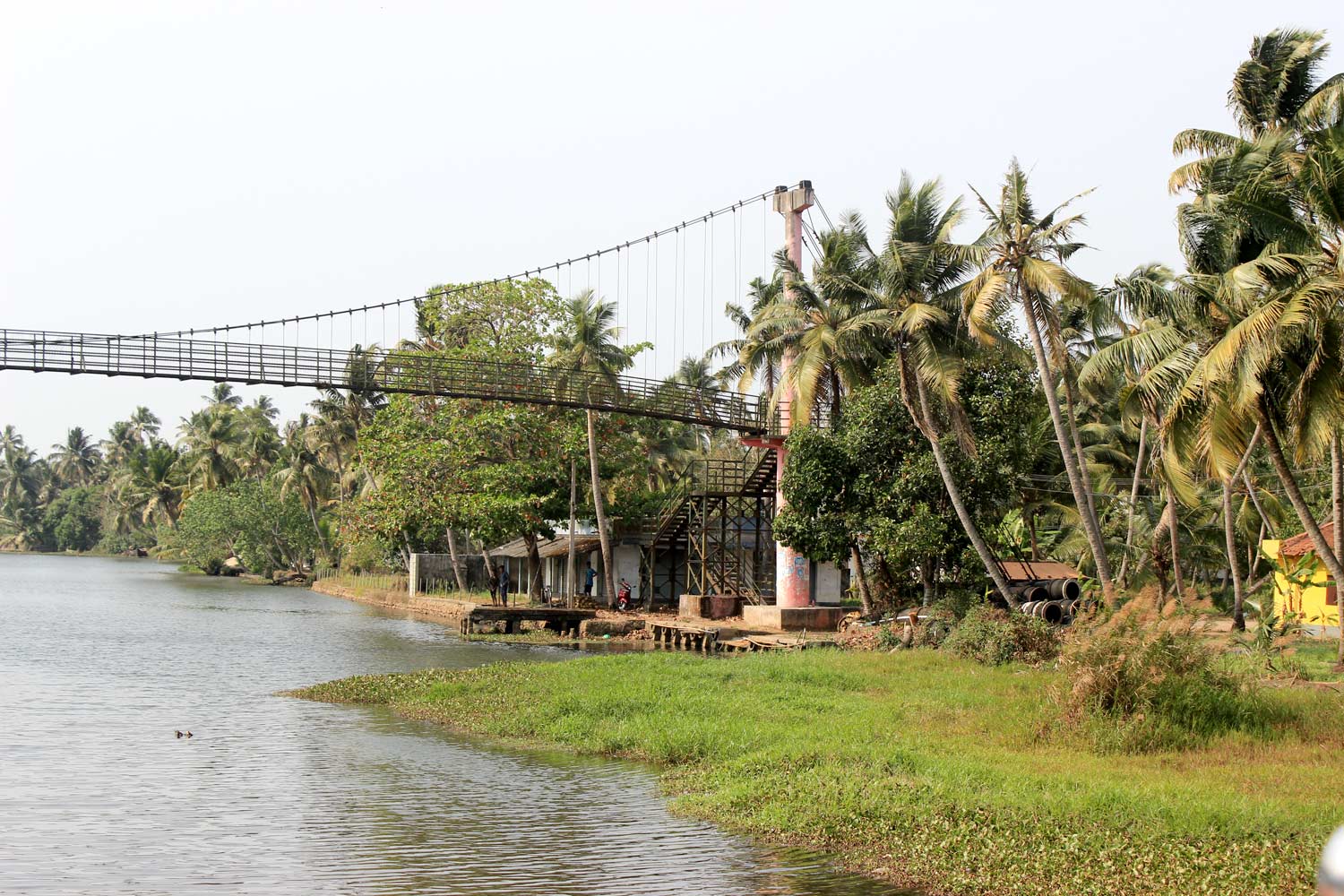 Bridge River
Bright Jungle
Bridge River
Bright Jungle
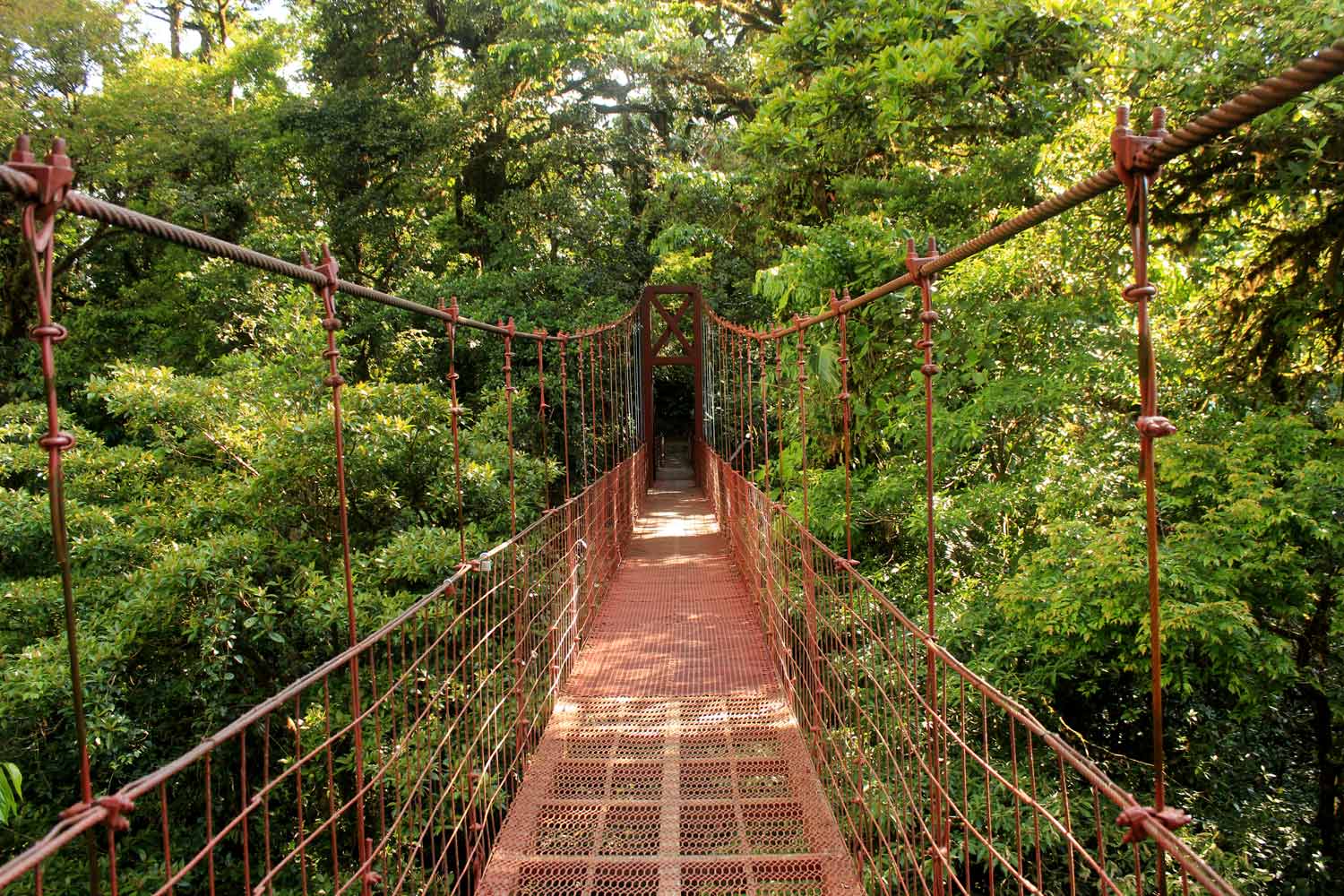 Canopy Monteverde
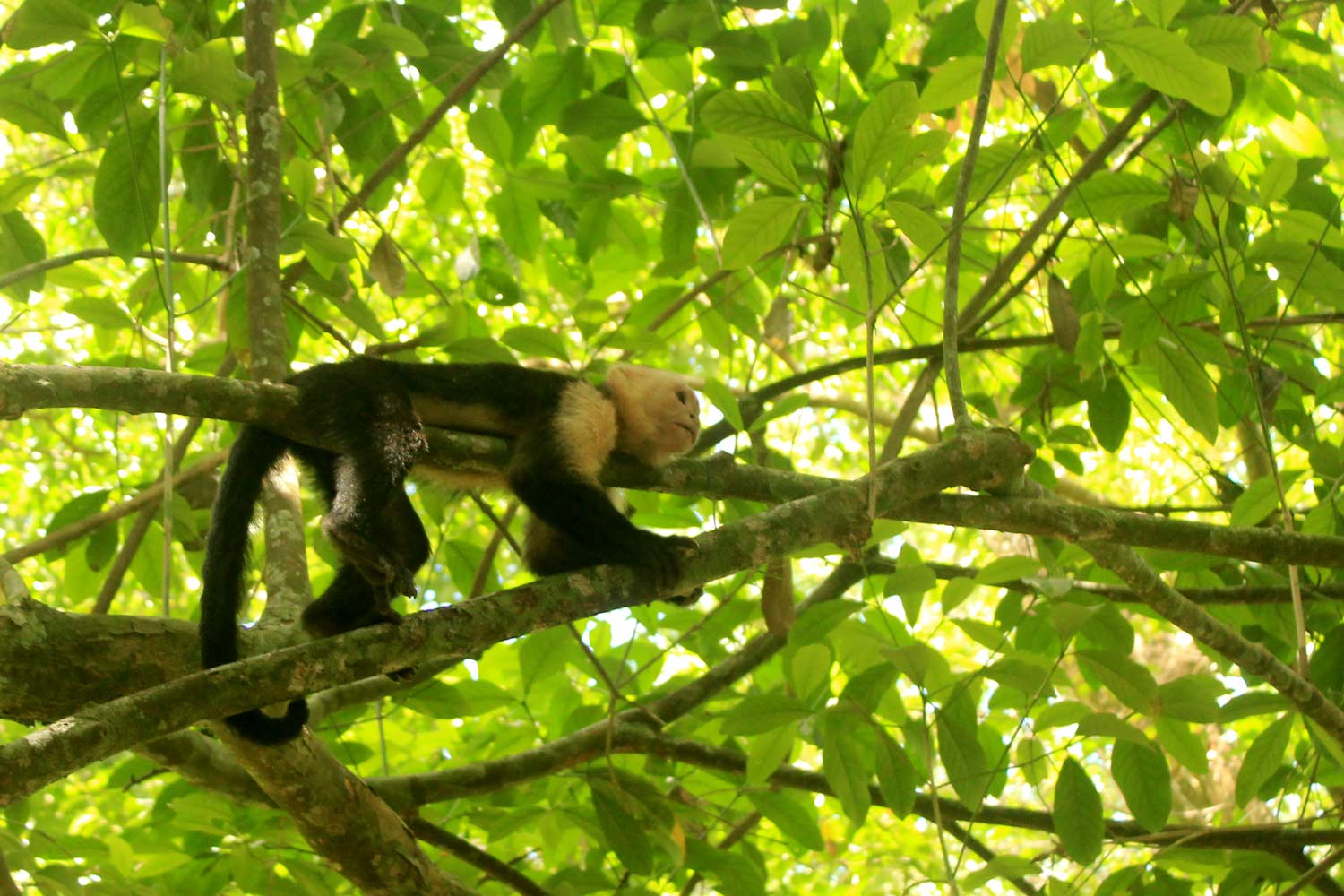 Corcovado White Monkey
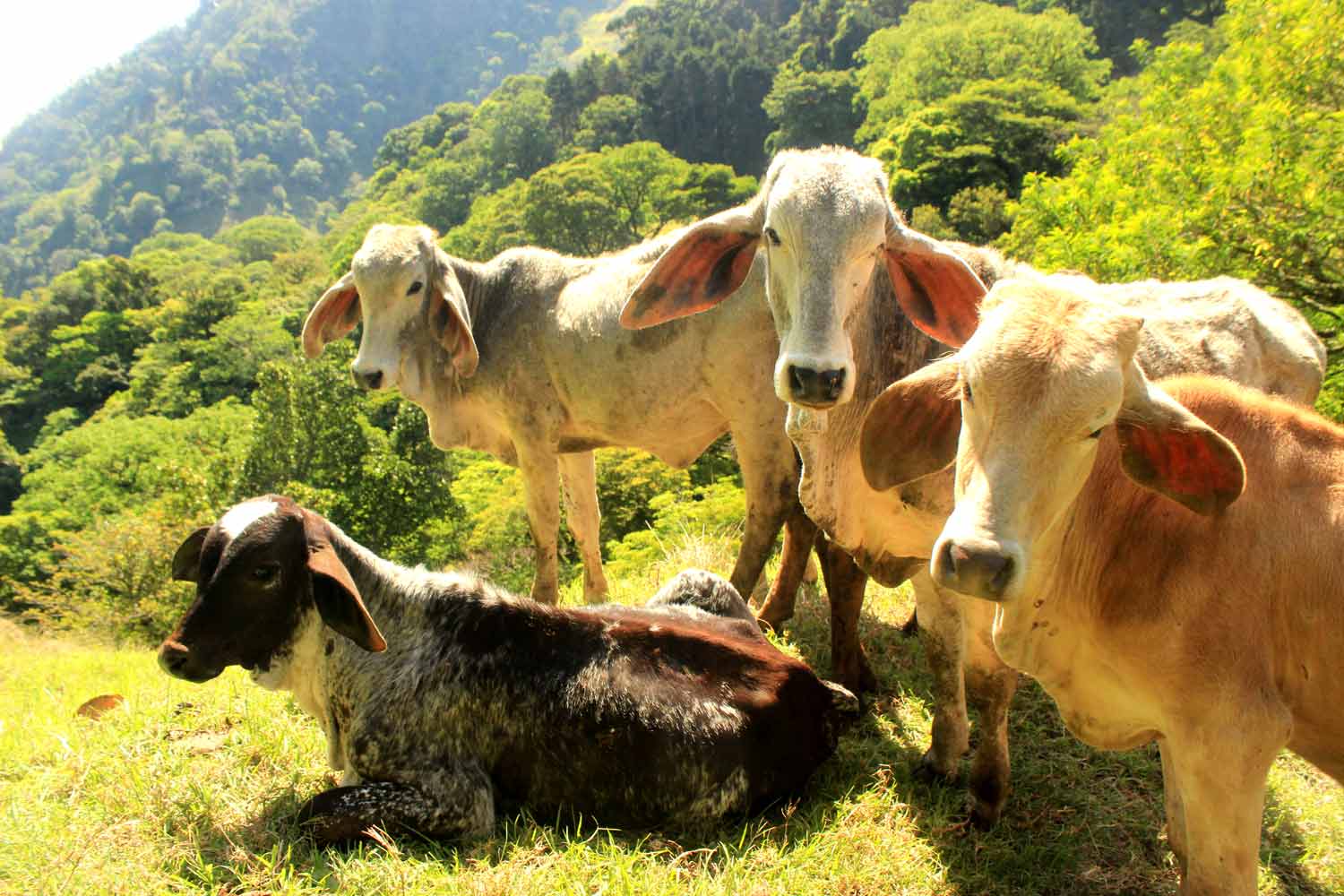 Cows Pico Branco
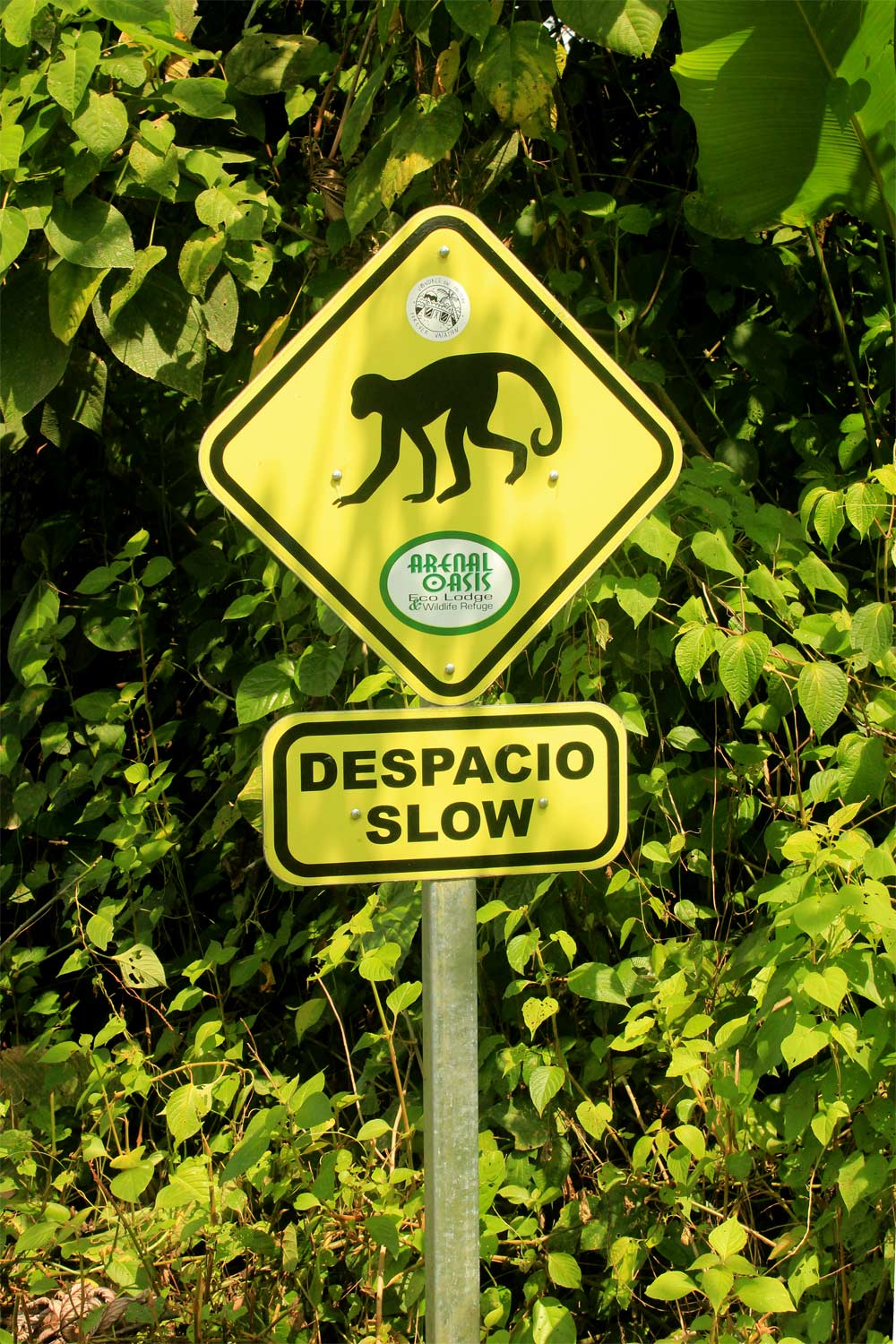 Despacio Slow Monkey Sign
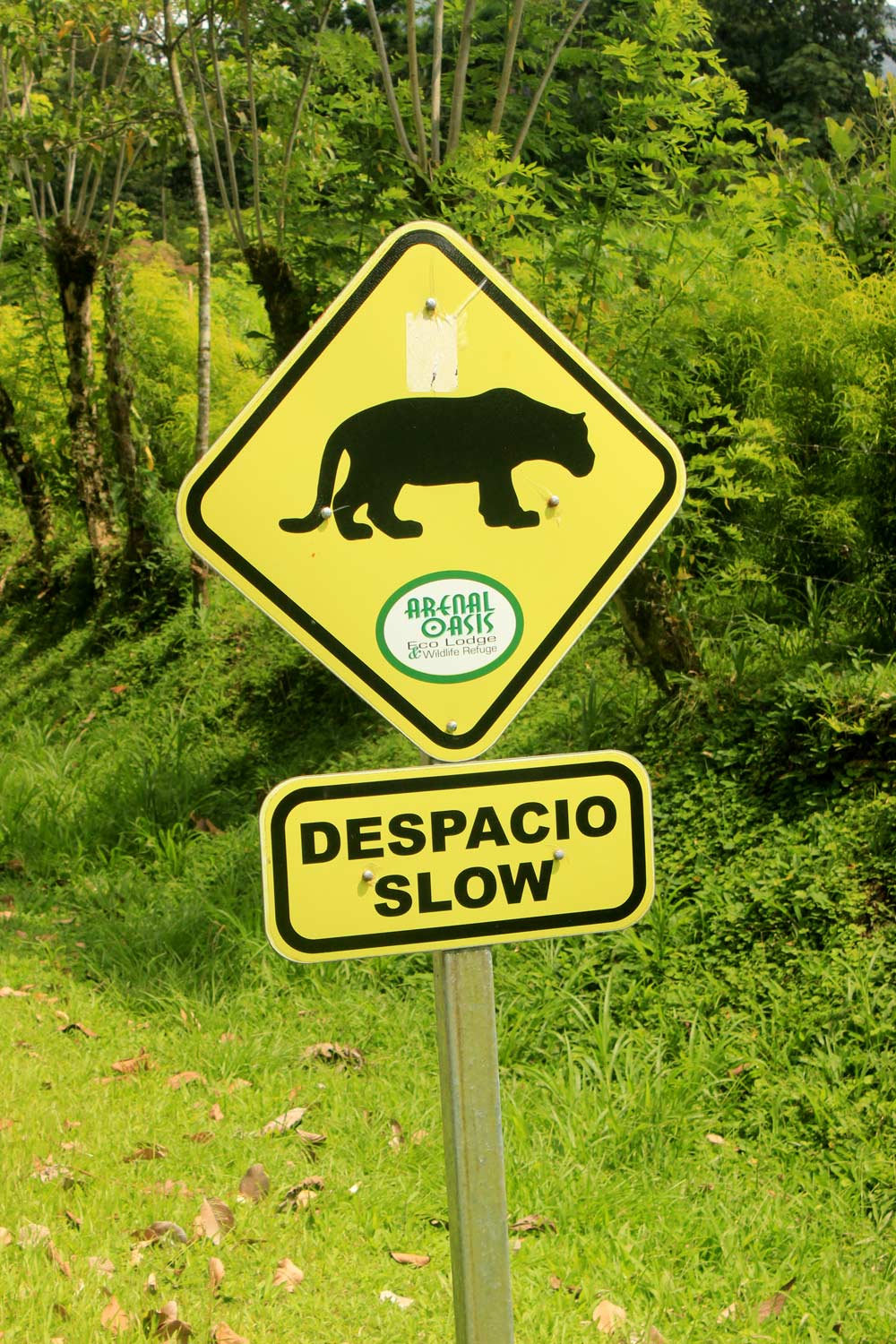 Despacio Slow Puma Sign
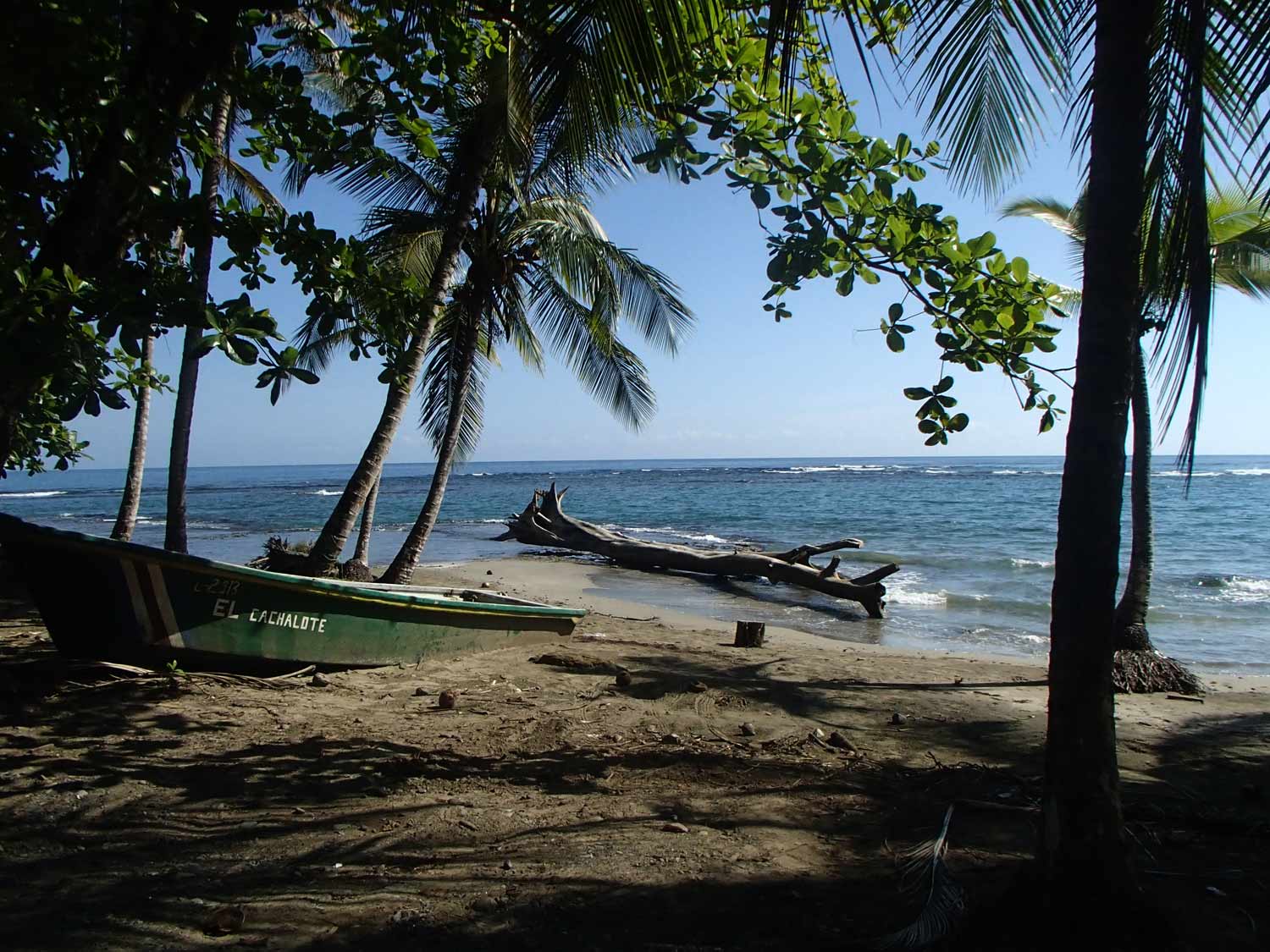 Forest Beach Cahuita
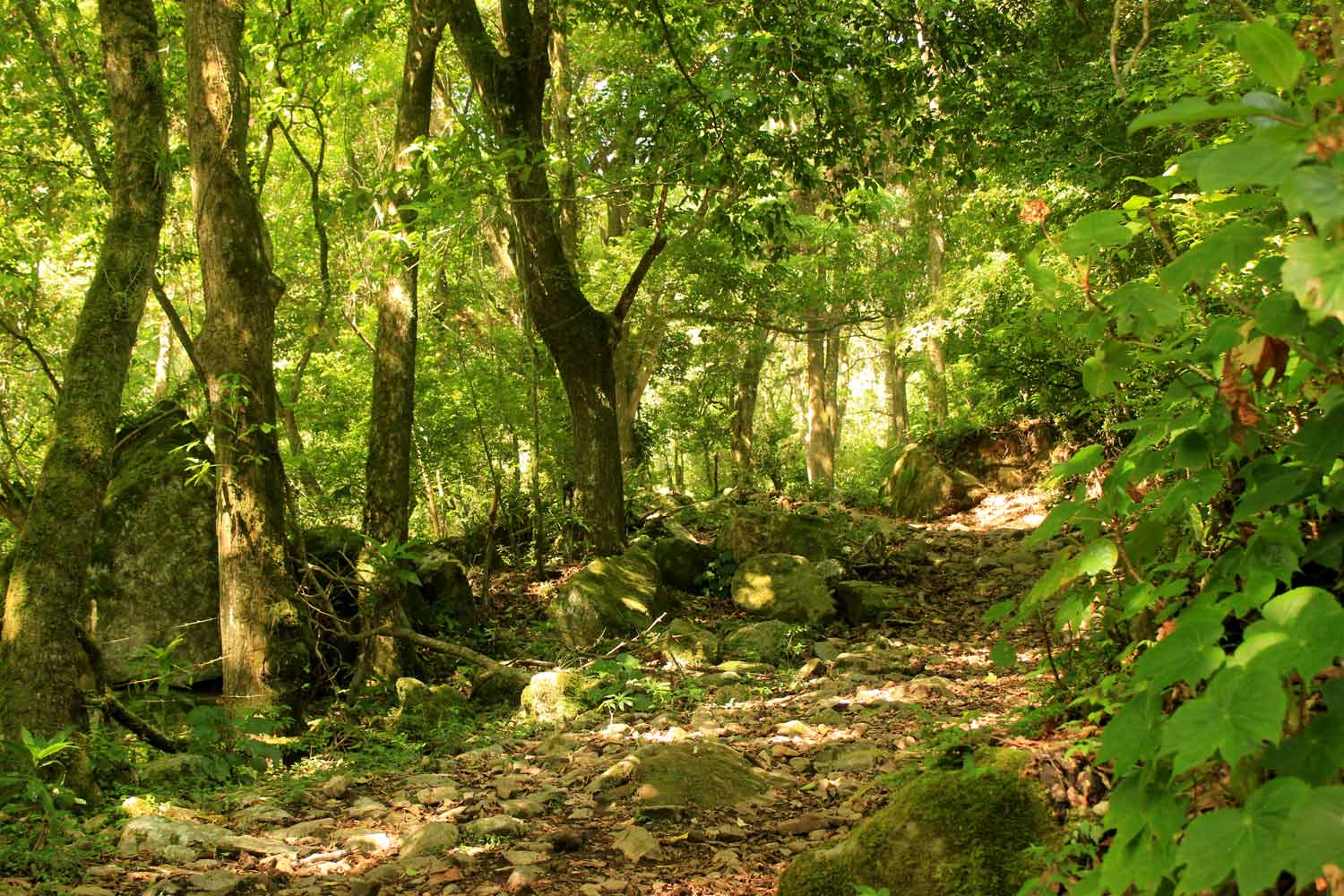 Forrest Pico Blanco
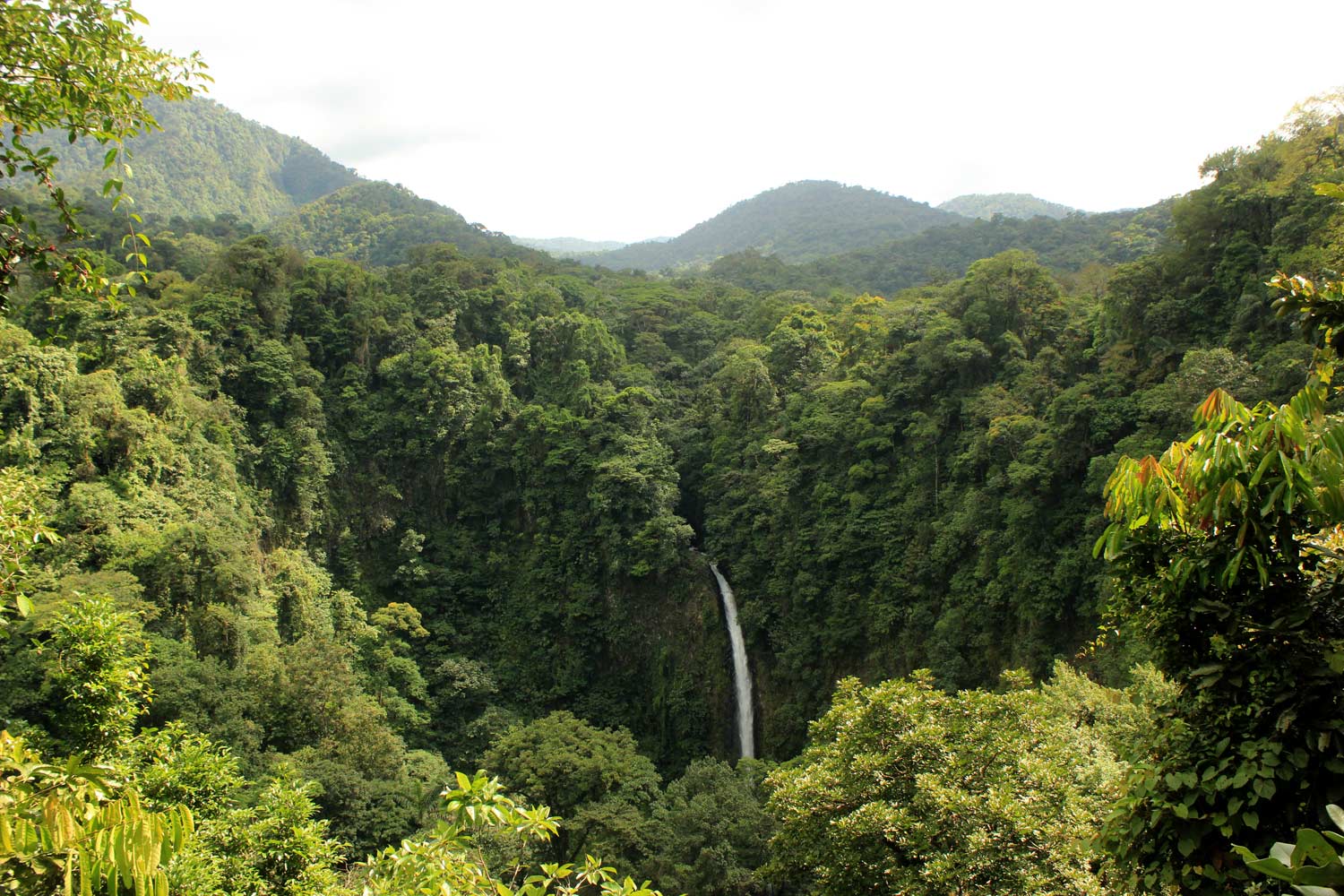 Full Waterdall La Fortuna
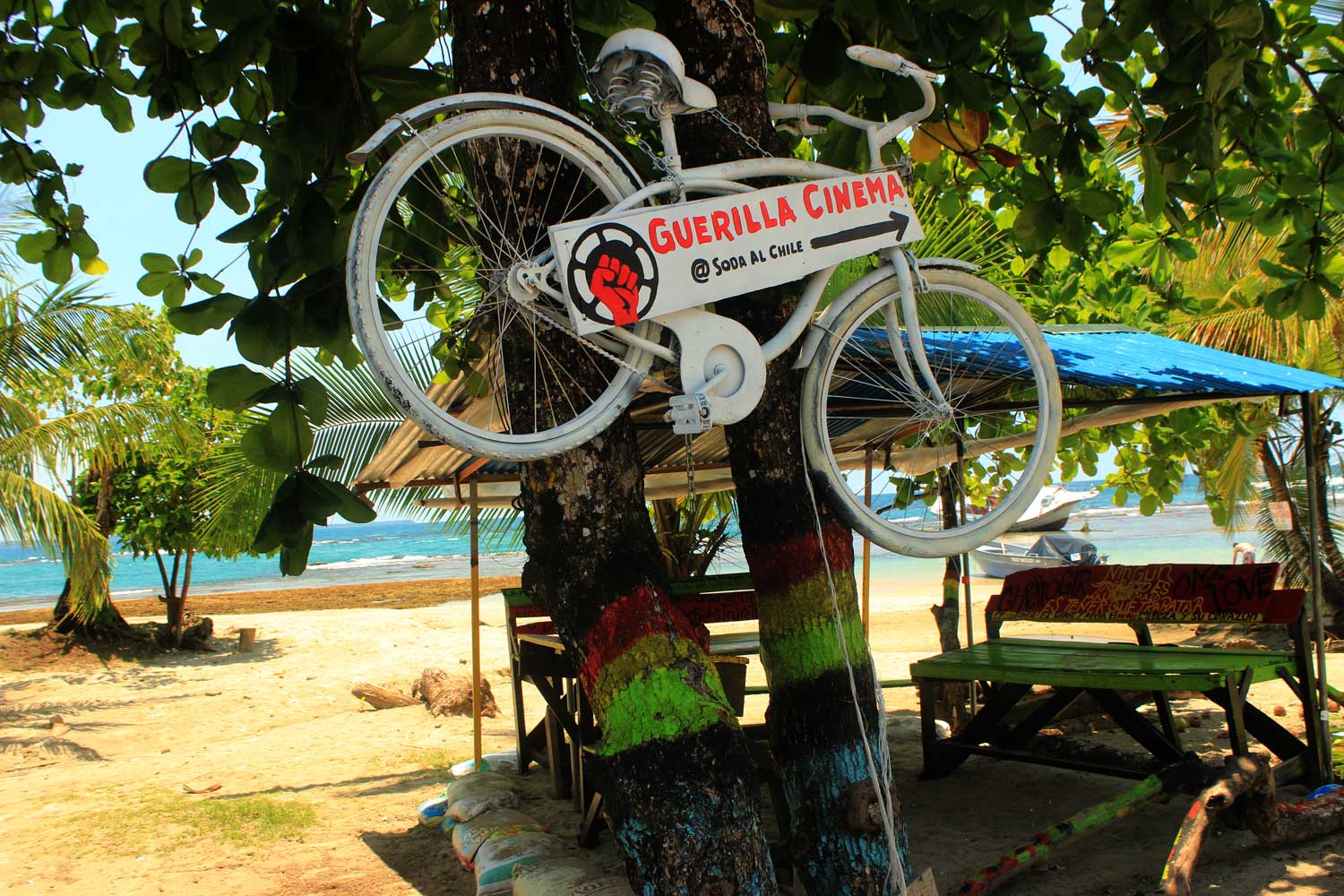 Guerilla Cinema Bike Cahuita
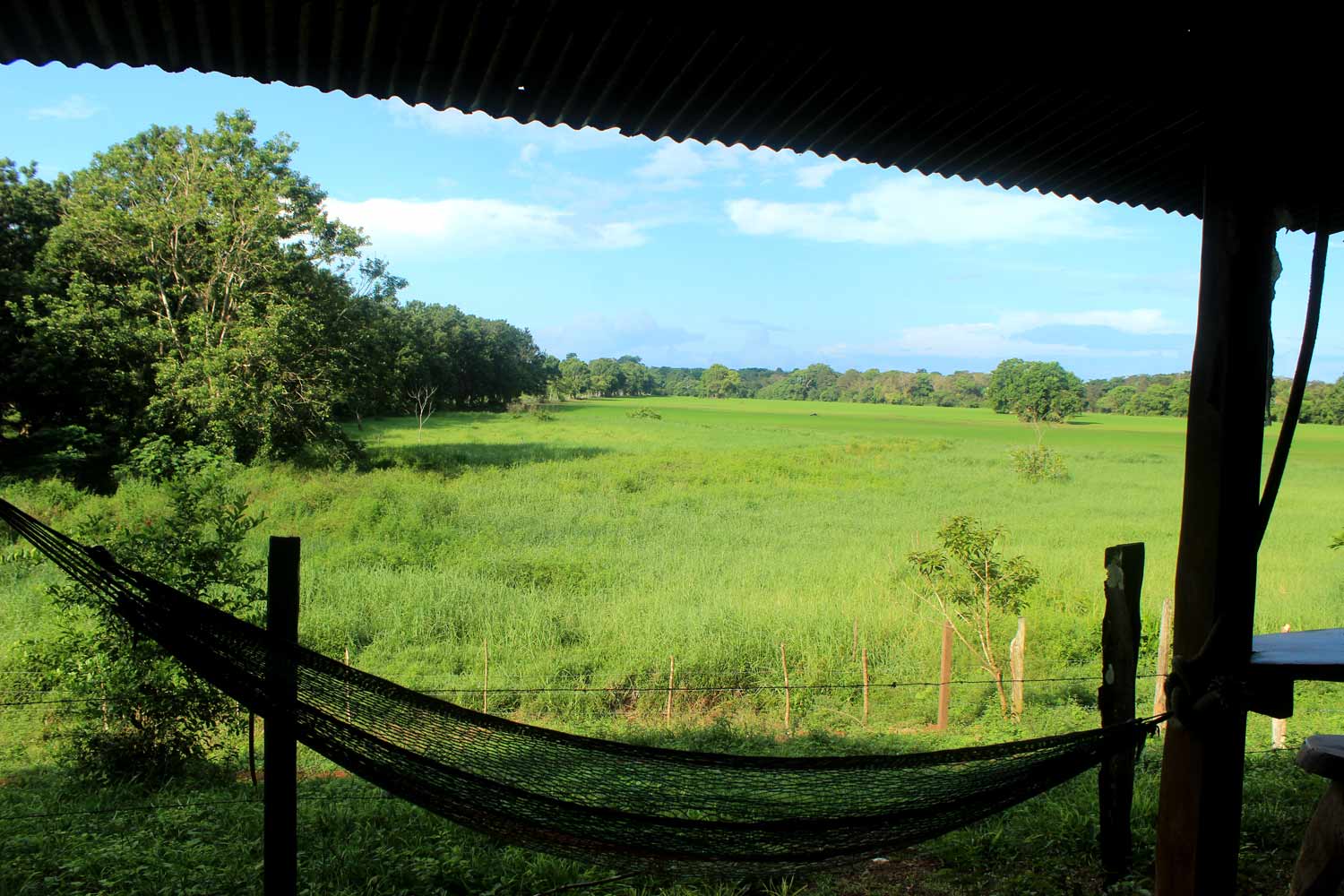 Hamak Halte On The Way To Corcovado National Park
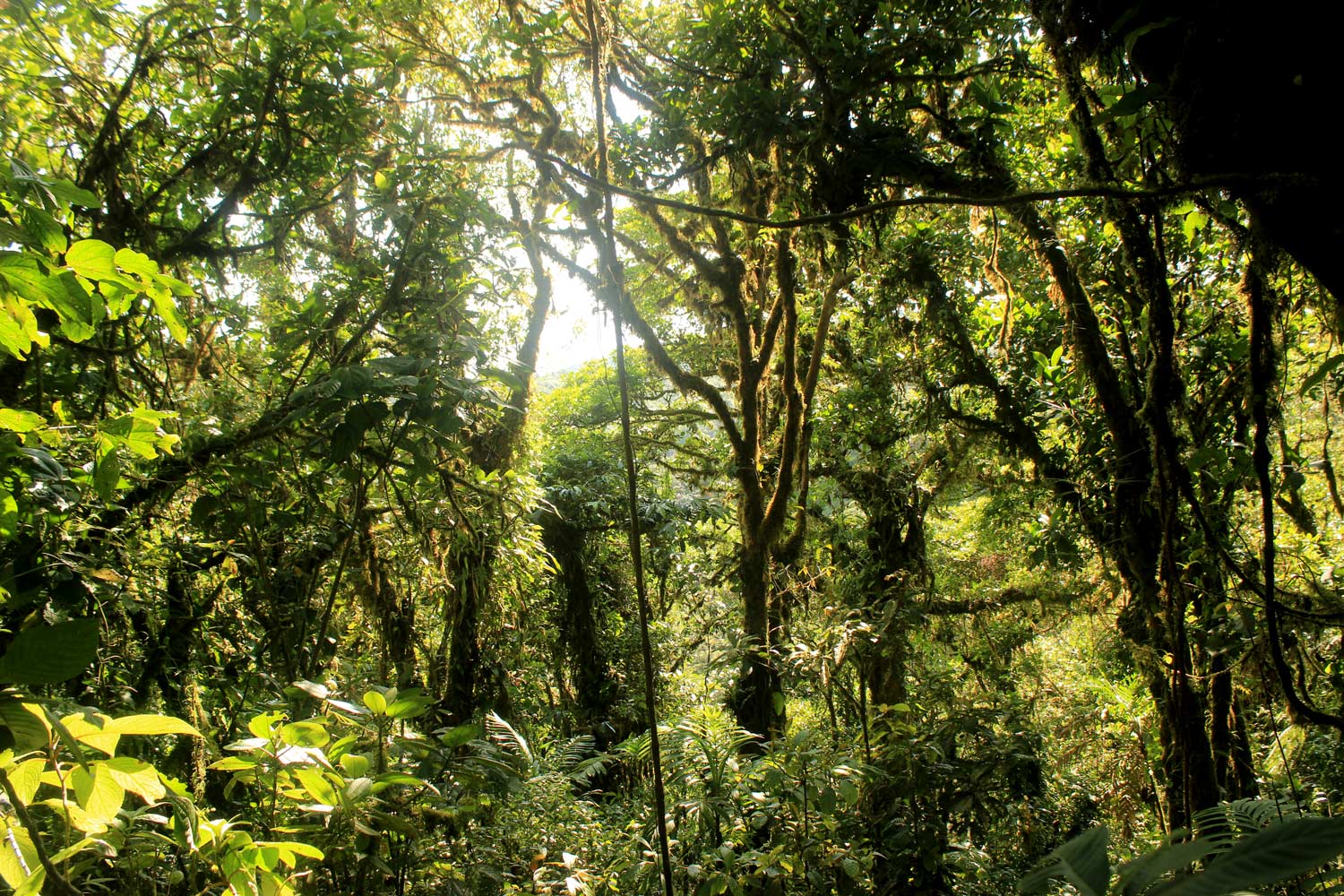 Jungle Monteverde
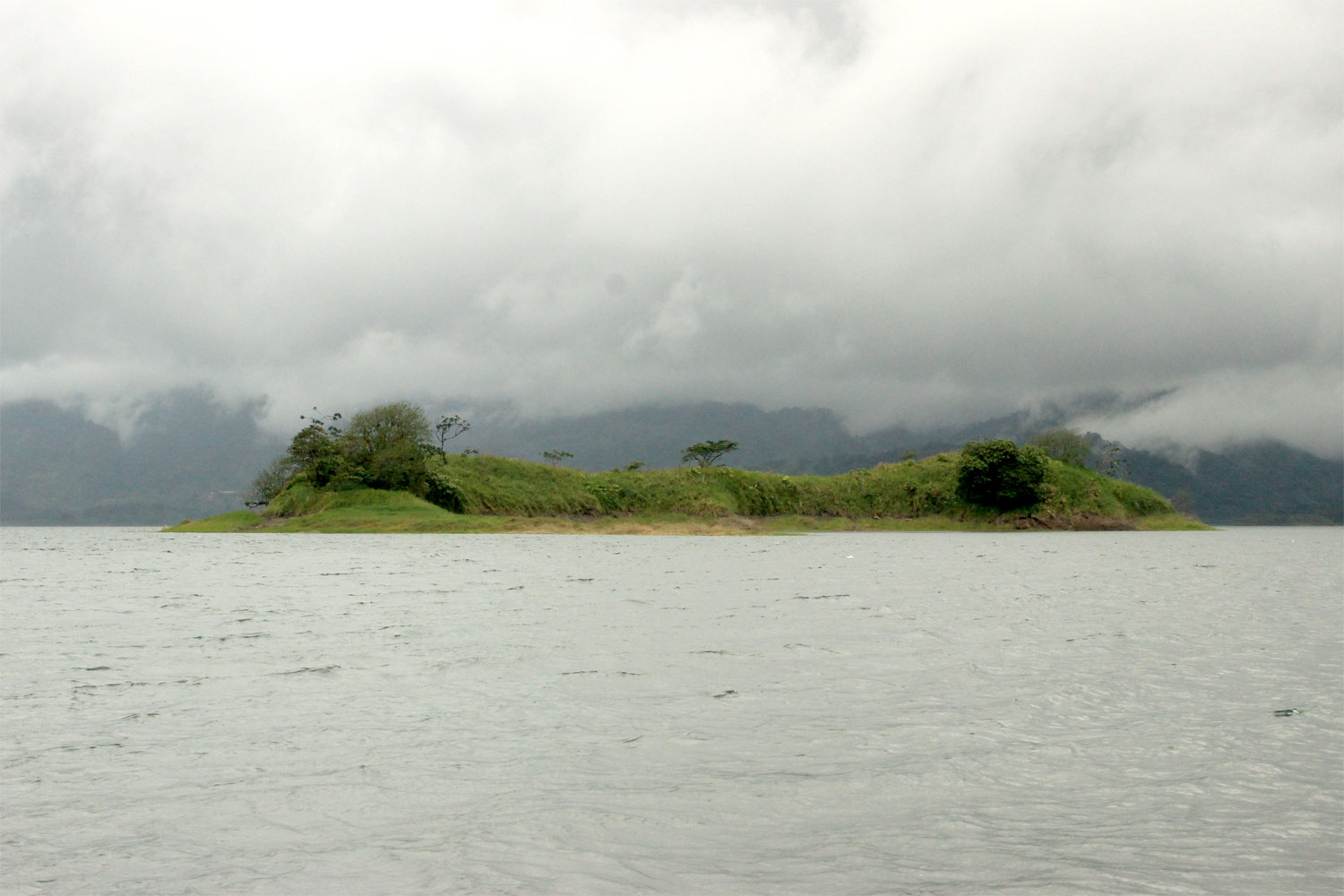 Lake Arenal
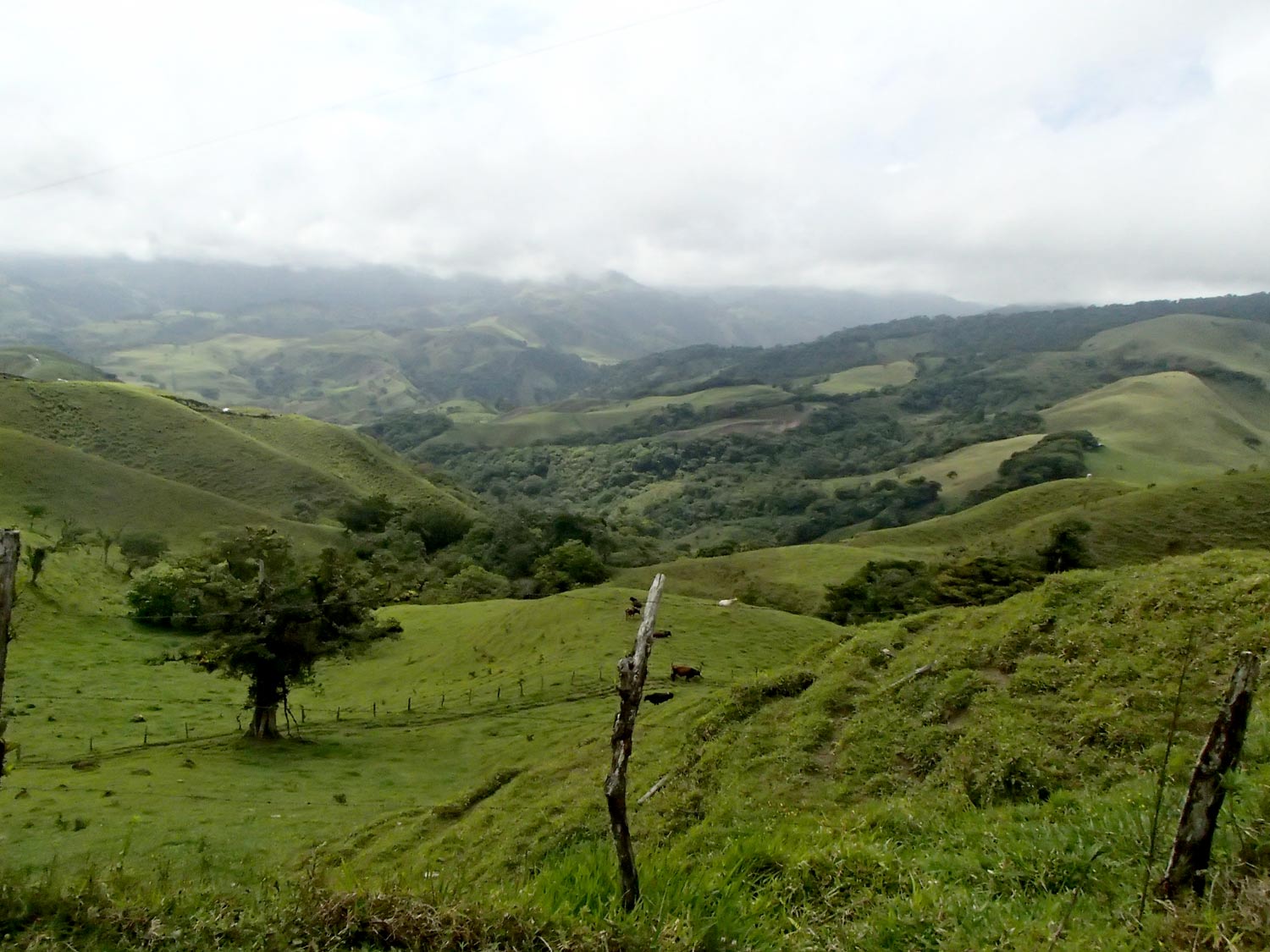 Landscape La Fortuna
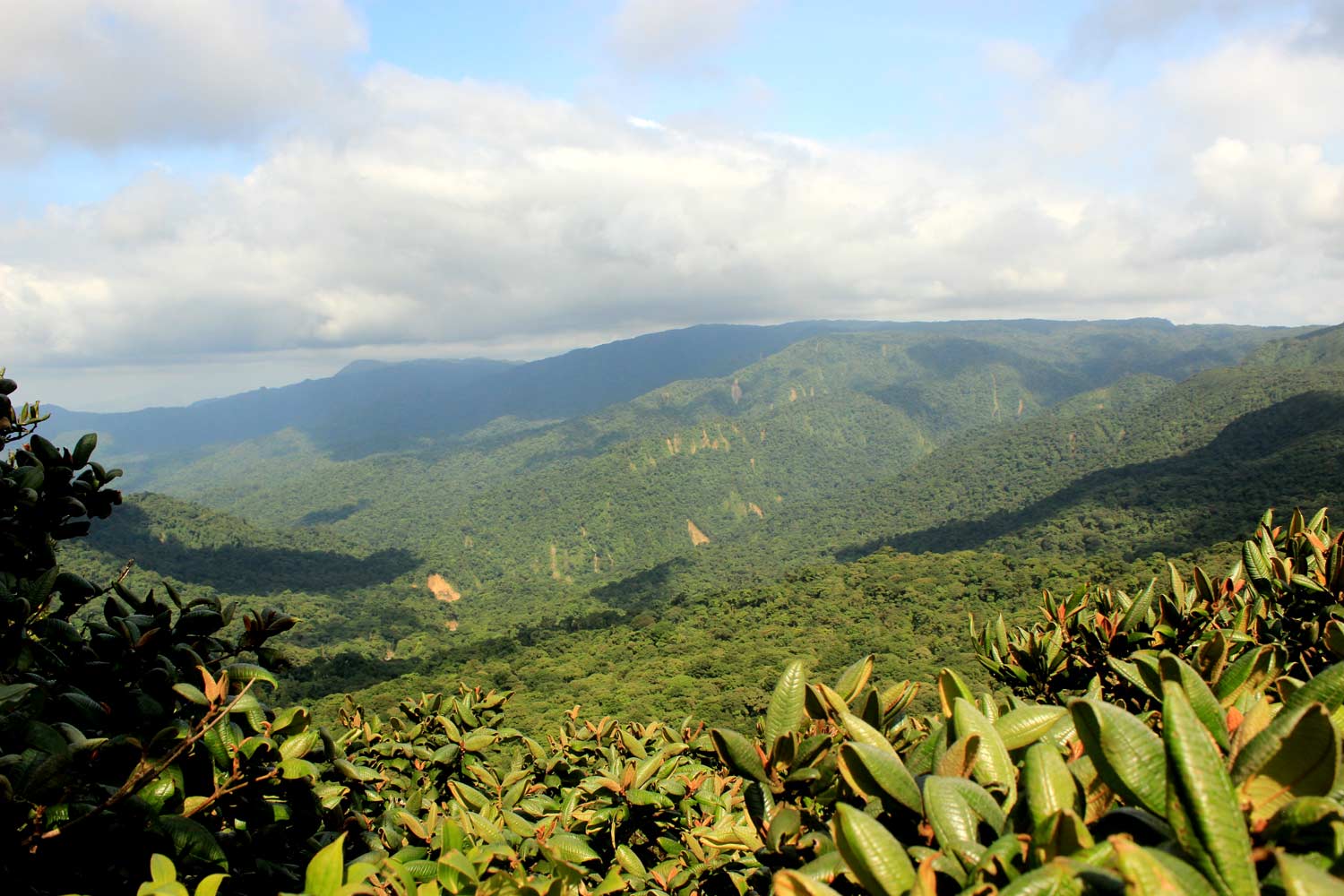 Monteverde Jungle Landscape
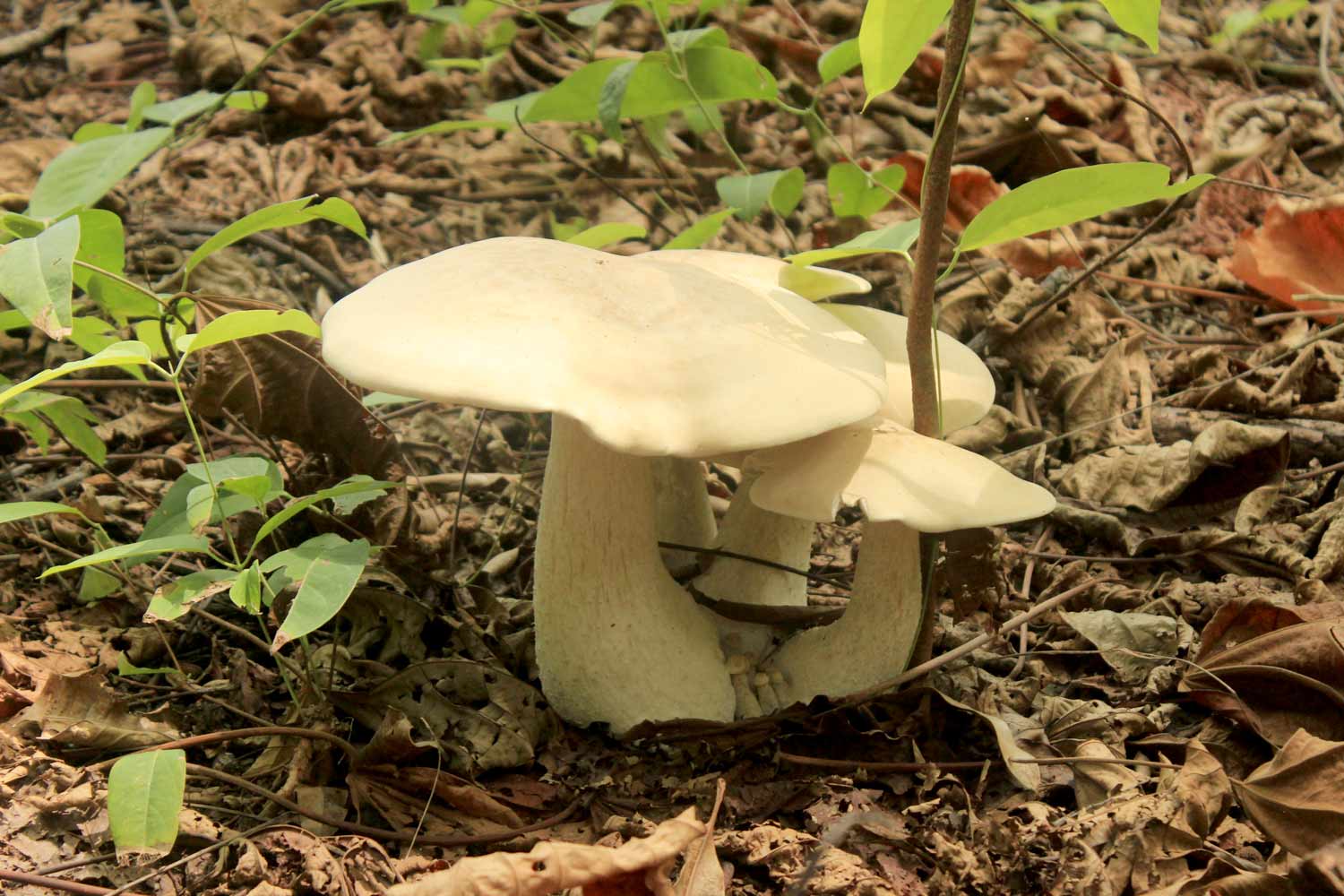 Muschroom
 P5010423
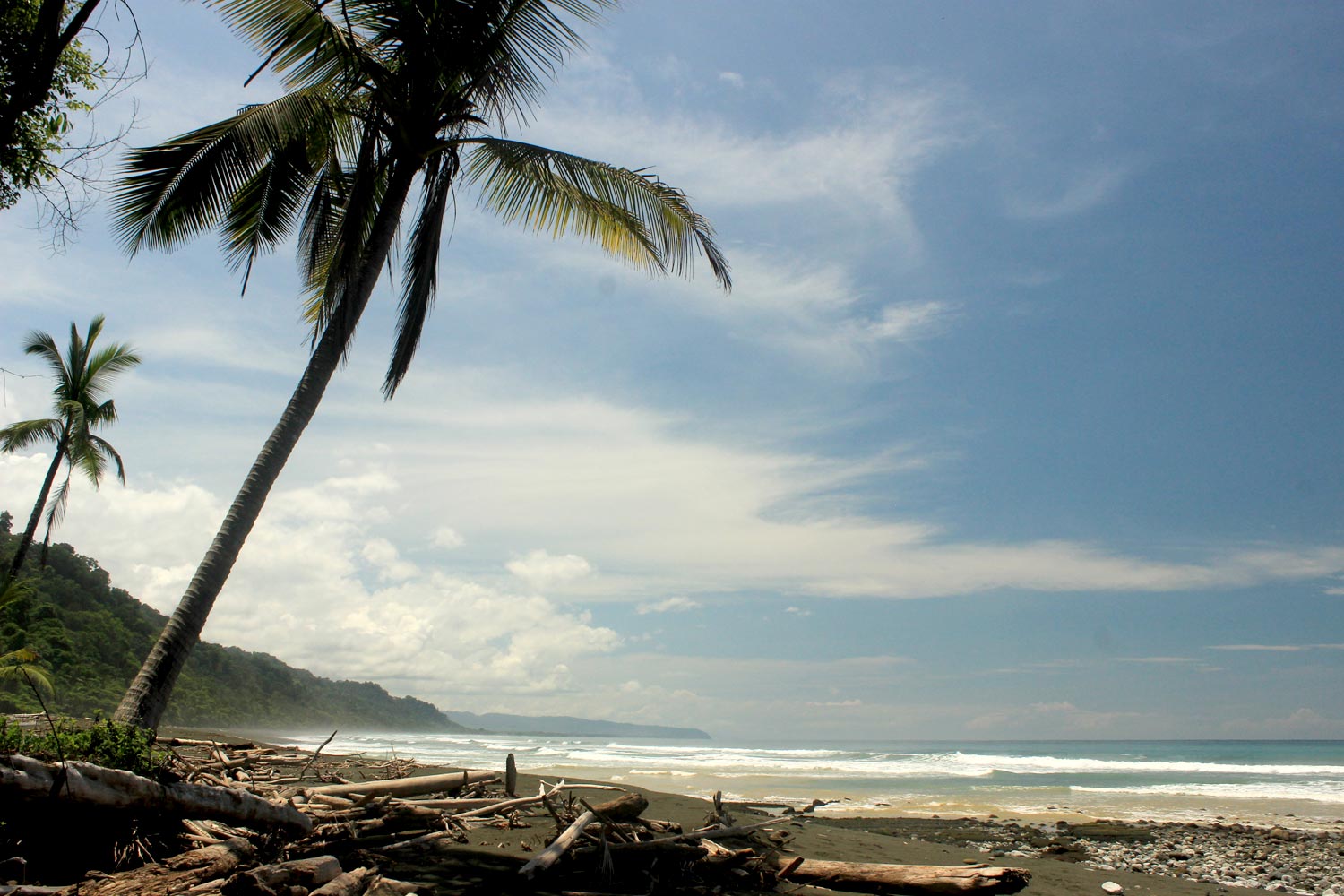 Palm Tree Beach
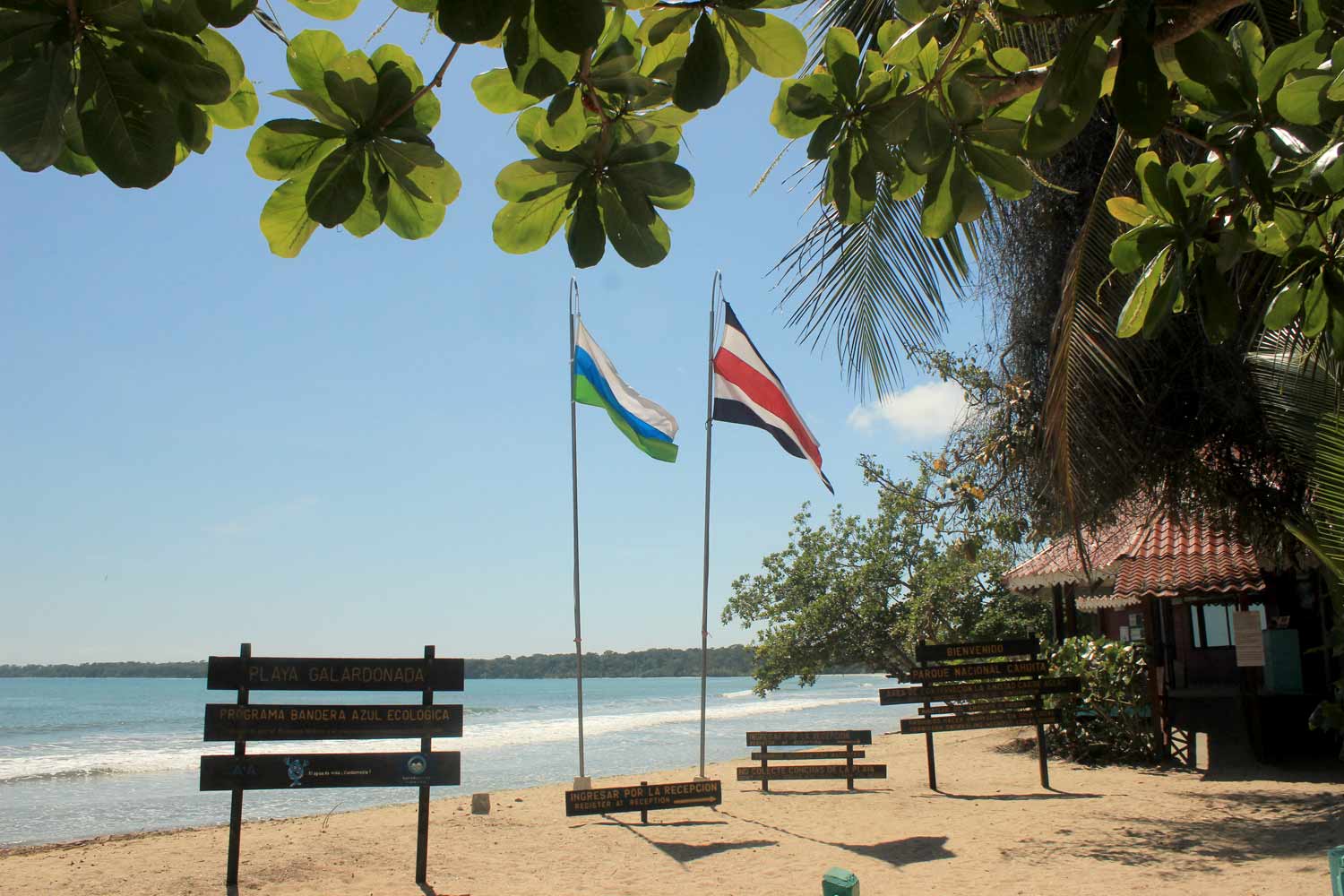 Parc National Cahuita
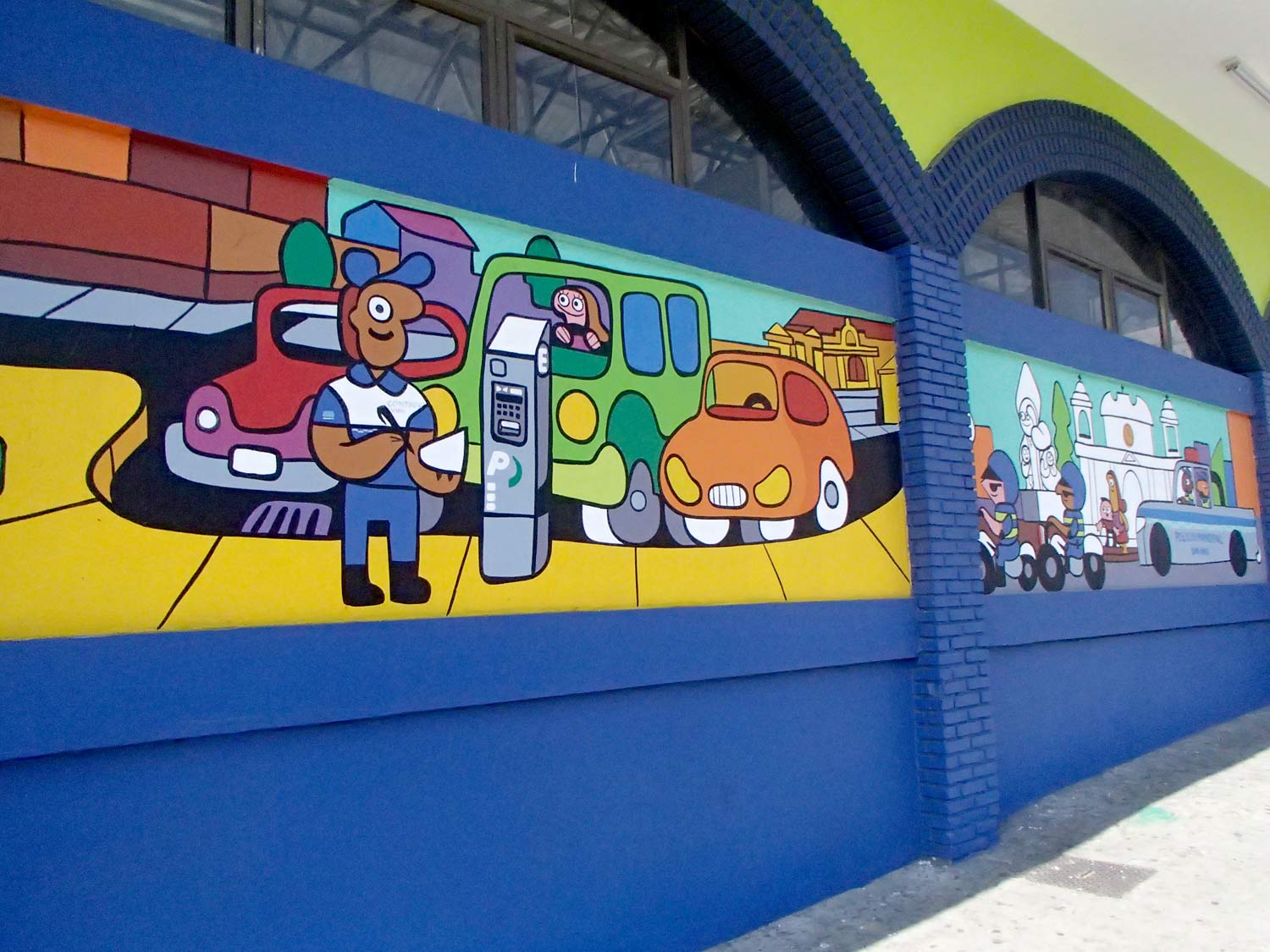 Police Wall San Jose
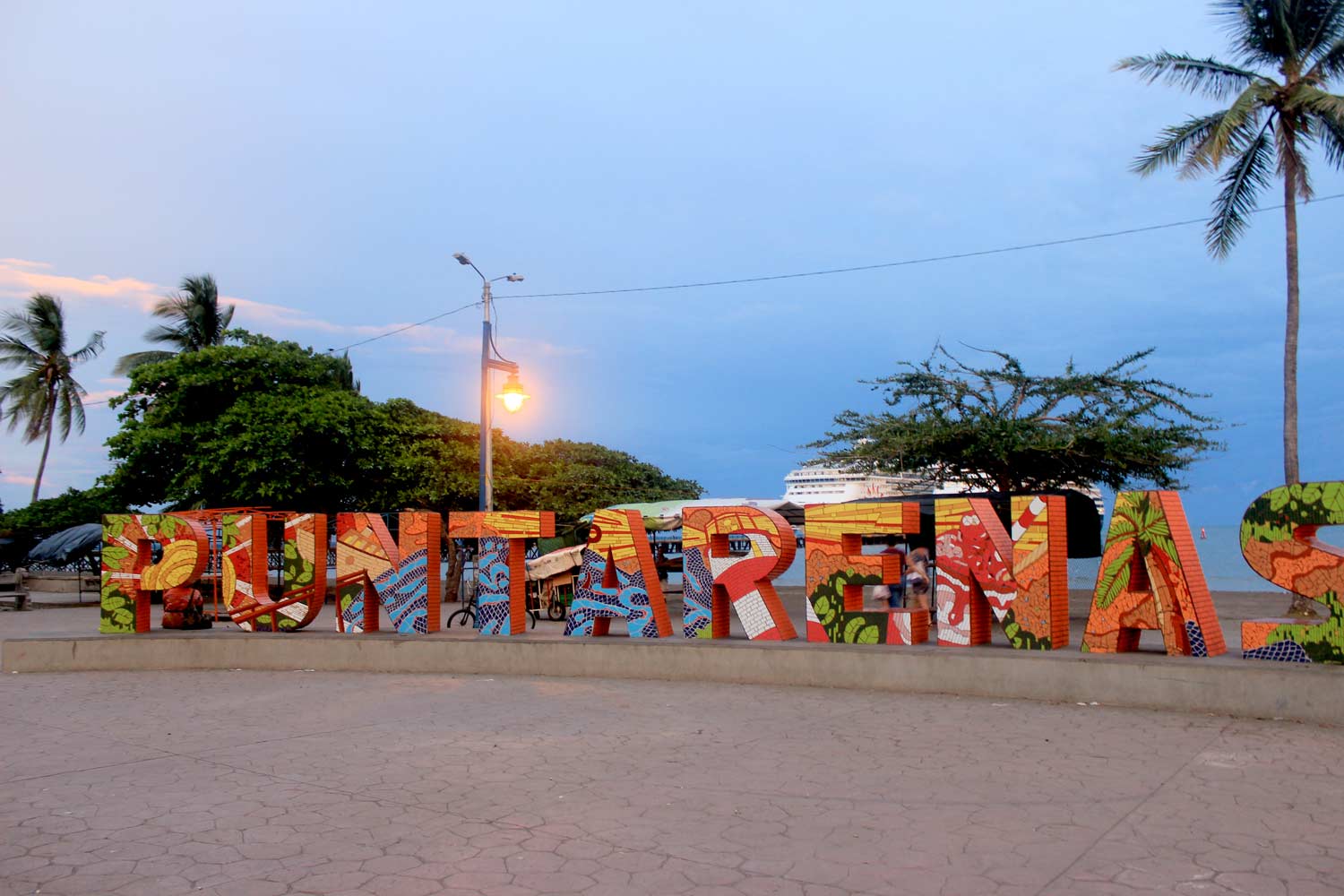 Puntarenas Sign
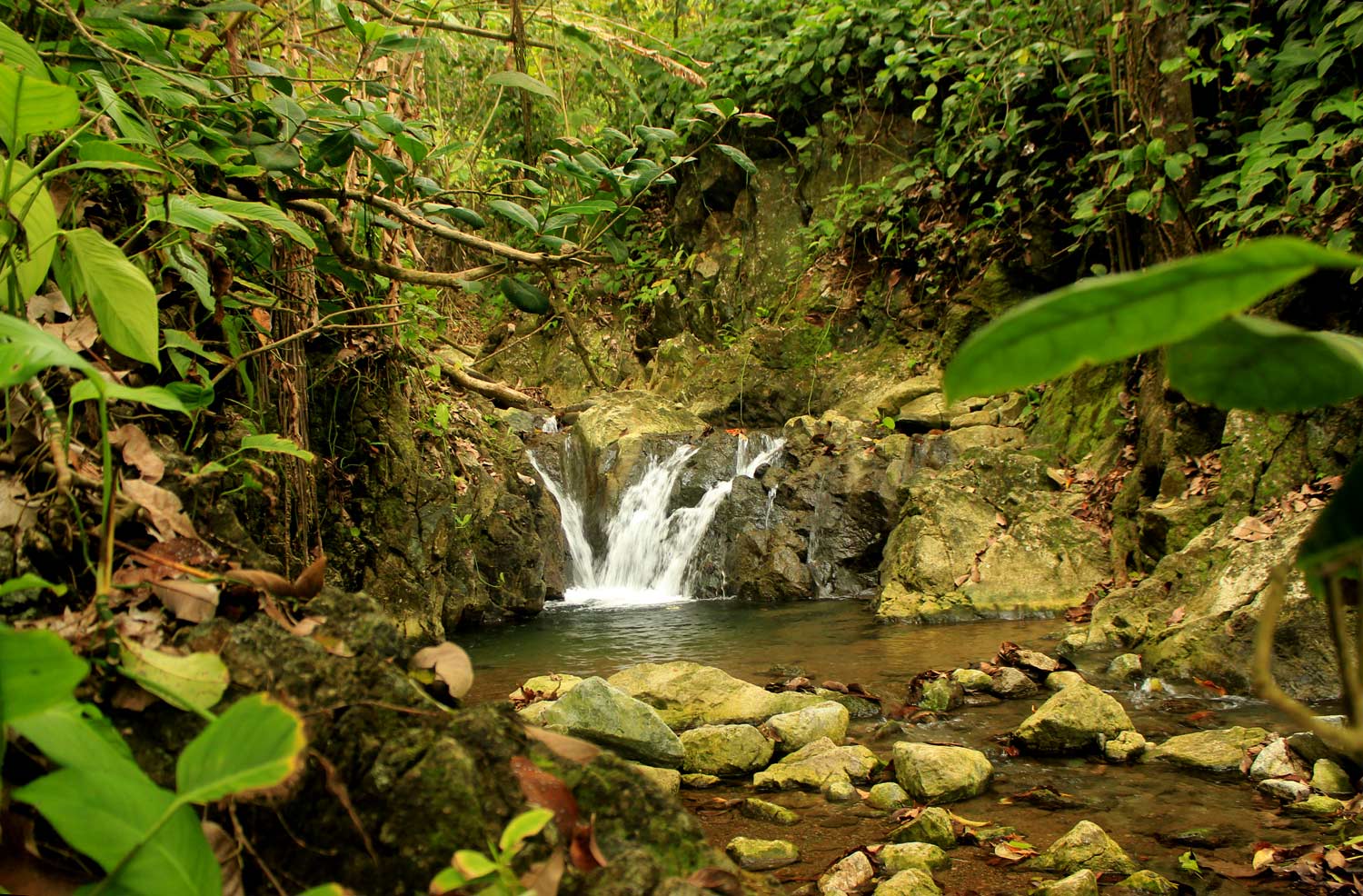 Small Waterfall Corcovado End First Day Hike
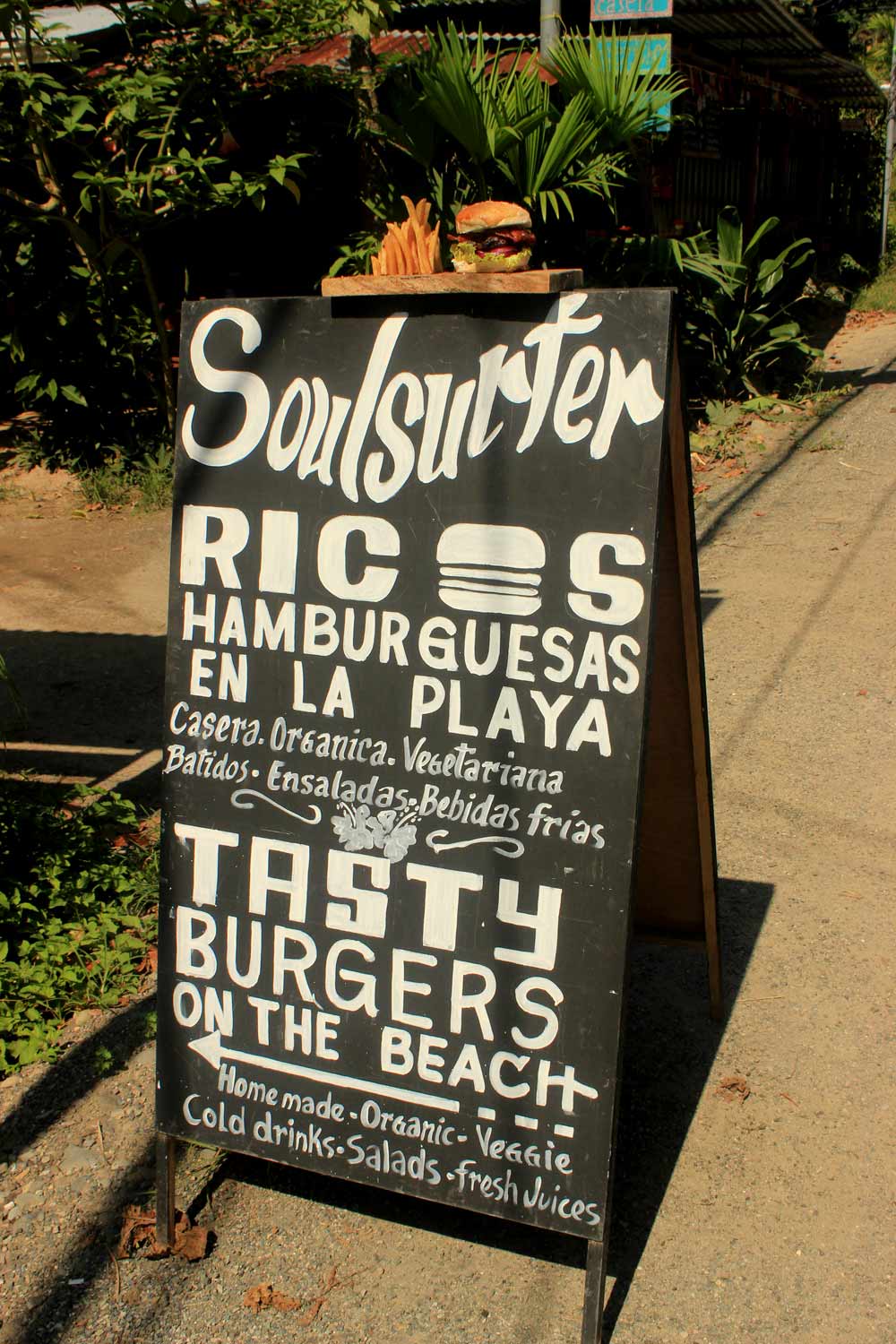 Soul Surfer Puerto Viejo
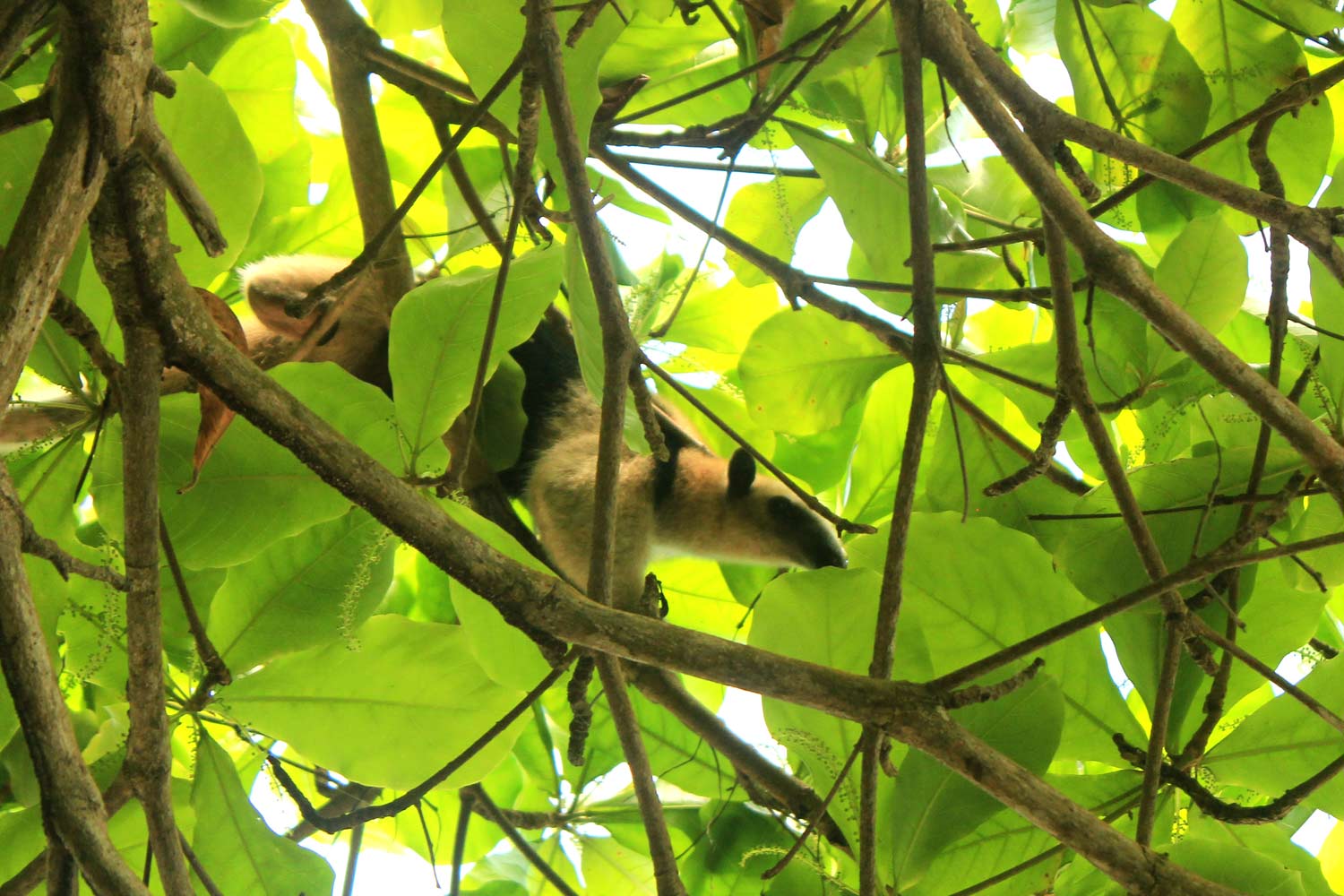 Tamandua Corcovado
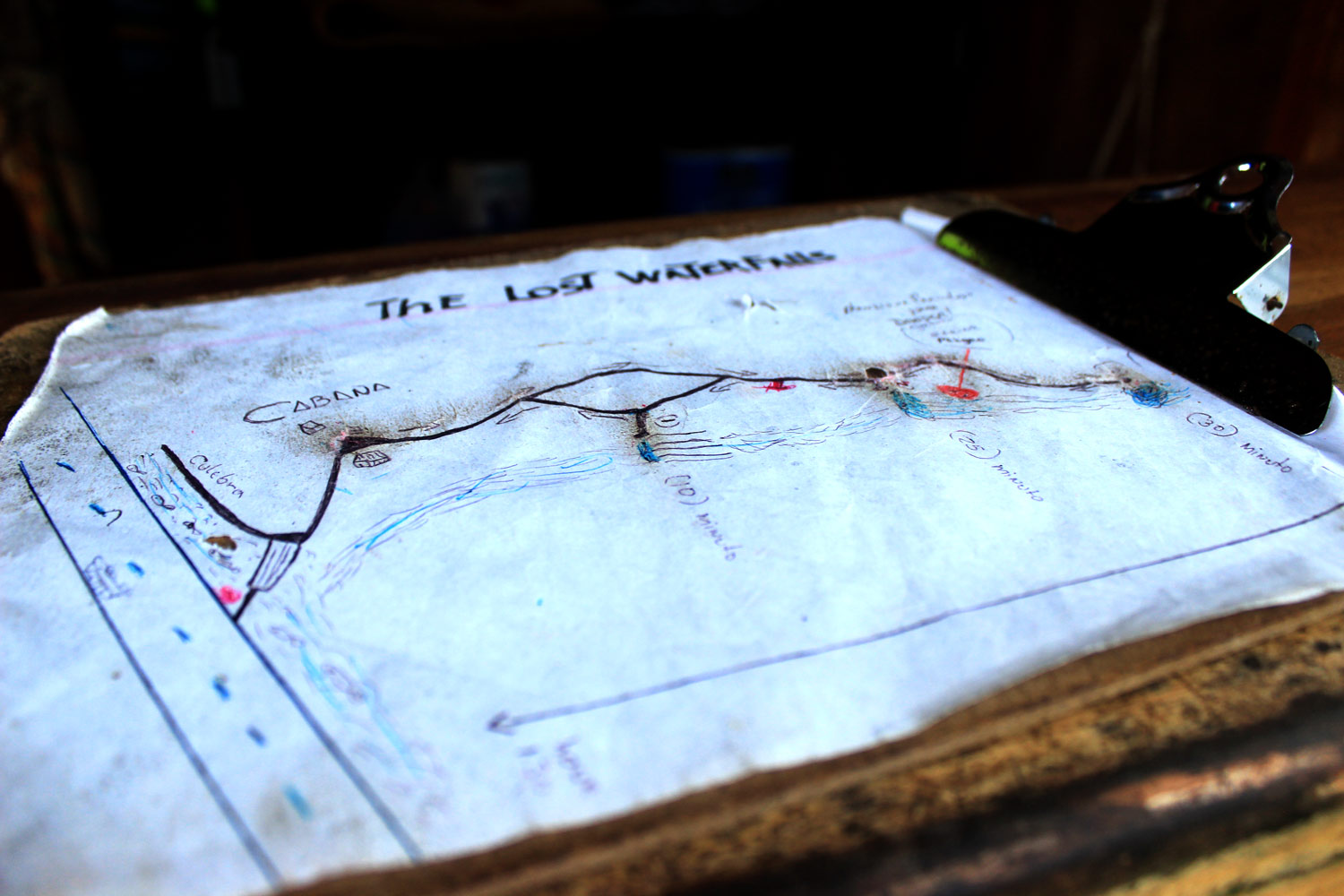 The Lost Waterfalls Map
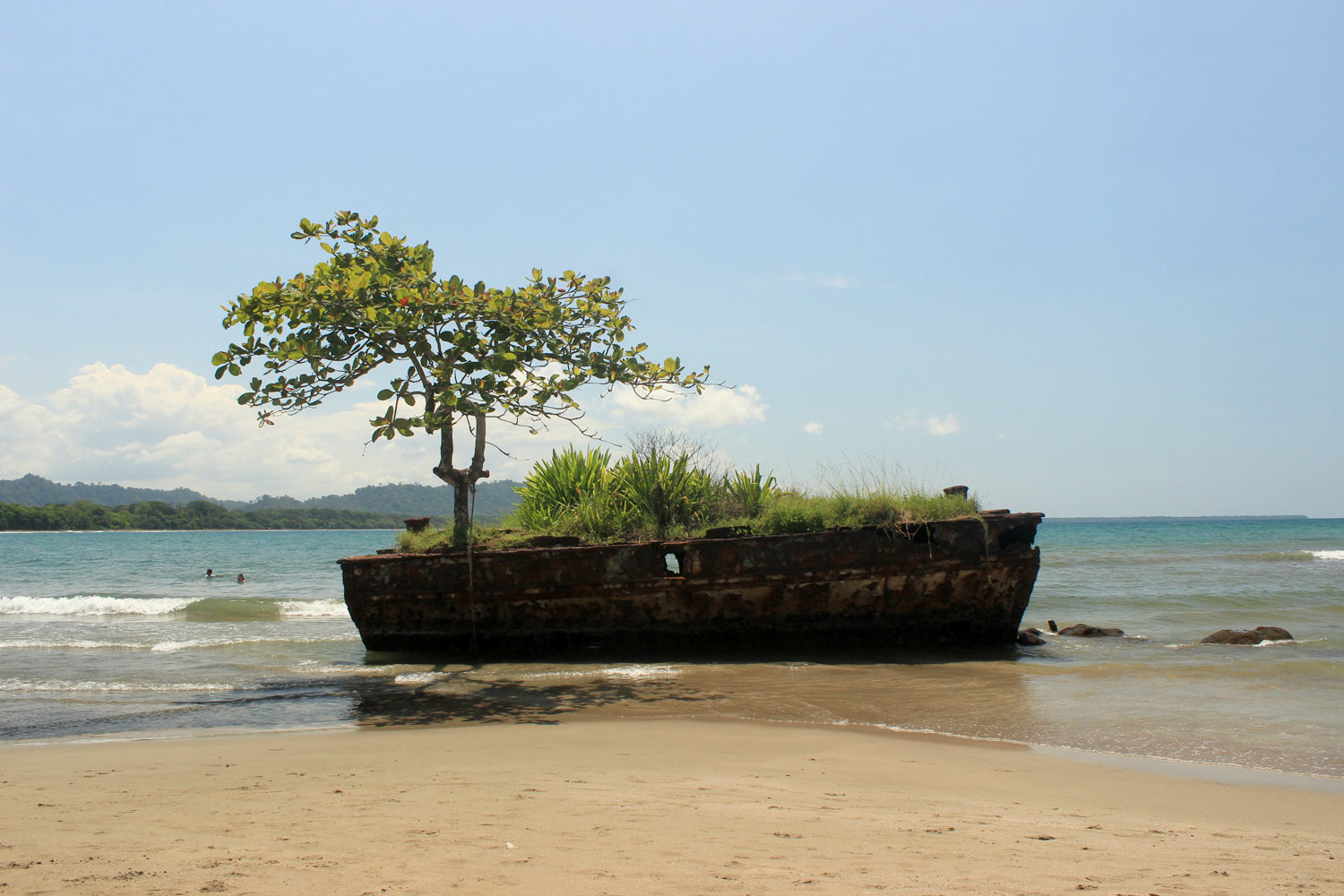 Tree Garden On Wrack
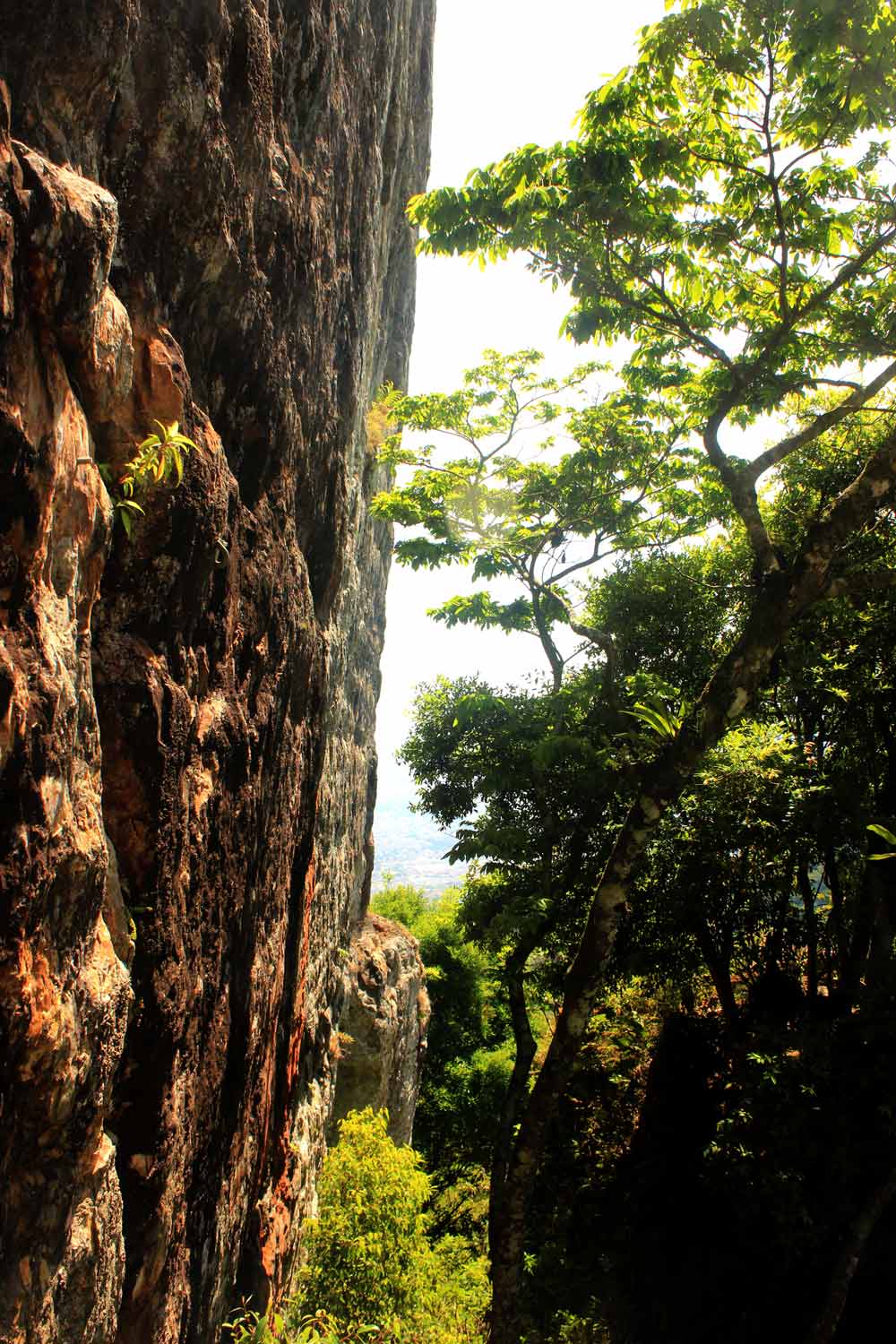 Wall Pico Branco
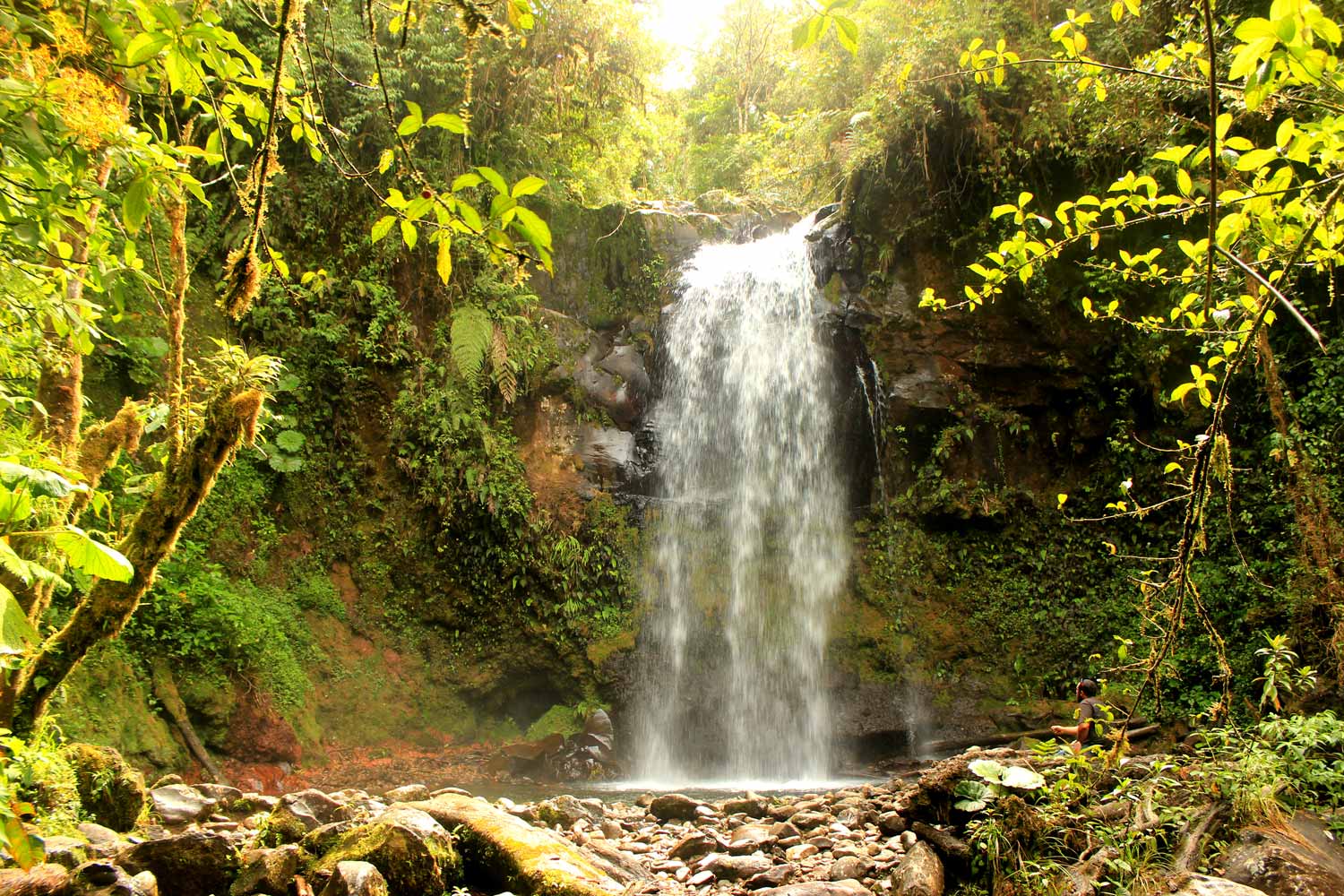
 Waterfall Monteverde
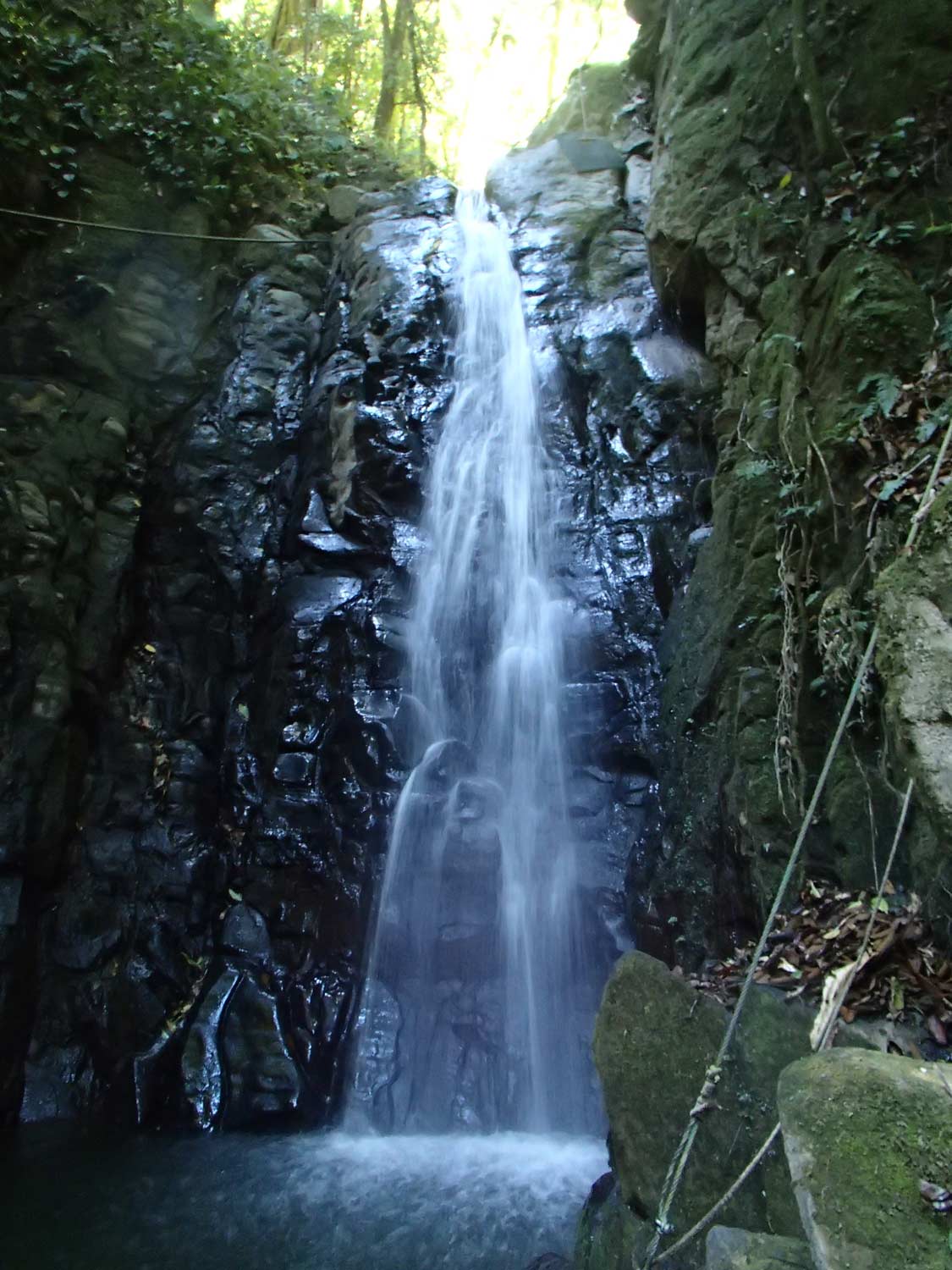
 Waterfall Of The Lost Waterfalls Hike
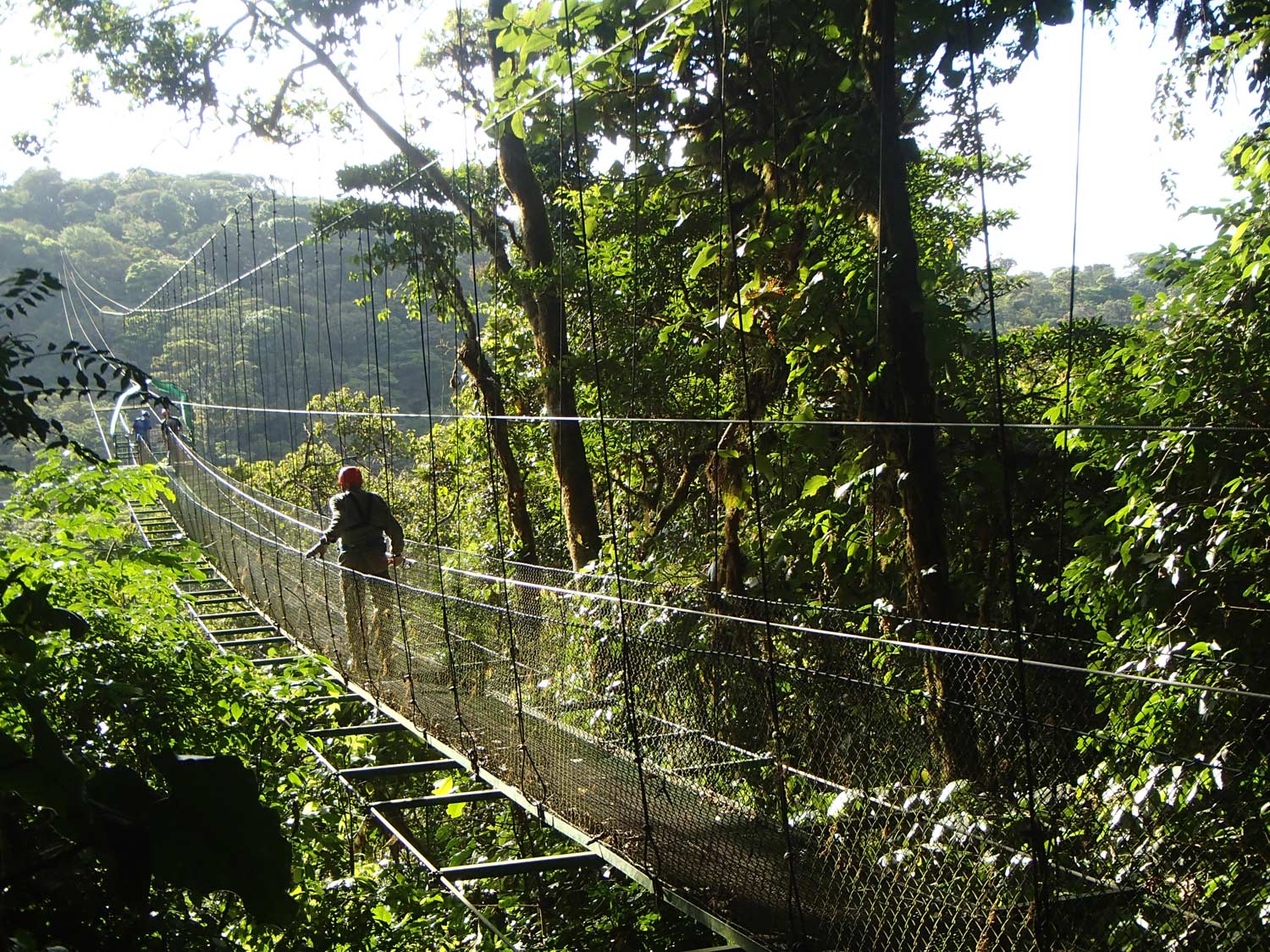
● Monteverde Cloud Forest — the mist rolls through the canopy in a way that makes every shot look like it was taken on a movie set. Resplendent quetzals are found here, and the hanging bridges give you canopy-level perspectives on a landscape that's otherwise very difficult to access.
● Tortuguero National Park — accessible only by boat or small plane, this network of jungle canals on the Caribbean coast is wildlife photography territory. Caimans, green turtles, manatees, and hundreds of bird species are all reachable by small wooden boat with a knowledgeable guide.
● Arenal Volcano — on a clear morning the perfect cone rising above the lake makes for one of Central America's most recognisable landscape shots. Clear mornings are rare — when you get one, make the most of it.
● Cahuita National Park — the coral reef here is one of the most accessible in Costa Rica, and the white-faced capuchin monkeys that wander the beach are entirely unbothered by cameras.
Costa Rica is more expensive than its Central American neighbours, but the infrastructure for nature tourism is excellent and the wildlife access is unmatched in the region. Renting a 4WD and self-driving between national parks is both the most flexible and most rewarding way to experience the country — it puts you in the right place at the right time rather than depending on group tour schedules.
| 🗓️ | Recommended stay | 10 – 16 days |
| 🎒 | Budget / day | €50–70 / $55–77Hostel, sodas (local diners), shared shuttles |
| 🥂 | Luxury / day | €150–300 / $165–330Eco-lodge, guided tours, private transfers |
| 📅 | Best months | December – April (Pacific coast) |
| 🌡️ | Climate | 22–32°C · Dry Dec–Apr on PacificCaribbean side wetter year-round · Highlands cooler (~18°C) |
| ✈️ | Visa | Visa-free for EU & US up to 90 days |
| 💵 | Currency | CRC Colón · USD widely accepted · Rural areas cash only |
| 🚌 | Getting around | Shuttle buses or rental car · Public buses cheap but slow · 4WD recommended |
| 🛡️ | Safety | Medium — safe for touristsPetty theft in Jacó and San José city centre |
| 🍜 | Must-try food | Gallo pinto, casado, ceviche, plantains, passion fruit agua fresca |
| 💬 | Language | Spanish essential outside tourist zones · "Pura Vida!" is hello, goodbye and everything in between |
The phrase pura vida — literally "pure life" — is the phrase you will hear most in Costa Rica, used as greeting, farewell, expression of contentment, response to "how are you?", and general statement of satisfaction with existence. It is the most succinct expression of Costa Rican cultural identity, and understanding it unlocks the country.
Pura vida is not simply a positive attitude — it is a philosophy rooted in a specific social and ecological reality. Costa Rica abolished its military in 1948 (the constitution permanently prohibits it), redirecting defence spending into education and healthcare. It has one of the highest literacy rates and longest life expectancies in Latin America. It protects over 30% of its territory. 90% of its electricity comes from renewable sources. These are not accidents but the products of long-term political commitment to a particular vision of what a good society looks like — and pura vida is both the expression and the reinforcement of that vision.
The Nicoya Peninsula is officially one of the world's five Blue Zones — regions where people regularly live past 100 — and the lifestyle factors identified here (plant-based diet centred on gallo pinto and fresh fruit, physical activity as part of daily routine, strong community bonds, sense of purpose, and reduced stress) align precisely with what pura vida describes: a life in which the basics are sufficient, nature is accessible, and social connection is prioritised over material accumulation.
For visitors, pura vida translates practically into a pace of life that is genuinely slower than Western European or North American norms. Ticos (Costa Ricans) are unfailingly warm and patient, traffic and queues rarely produce frustration, and the standard response to any delay or difficulty is the shrug and smile of pura vida. Leaning into this rather than fighting it is the difference between a frustrating and a joyful visit to Costa Rica.
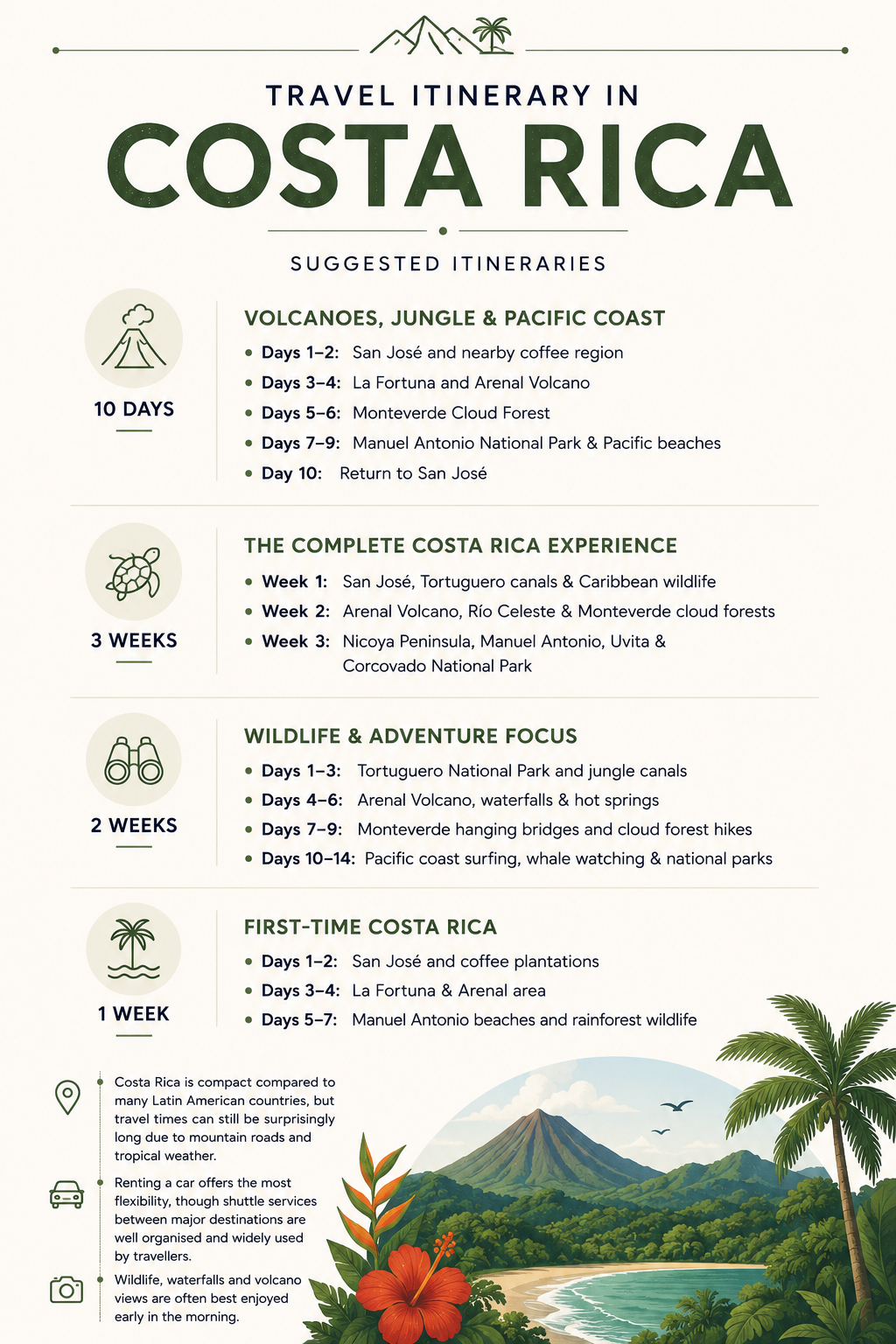
Costa Rica is compact compared to many Latin American countries, but travel times can still be surprisingly long due to mountain roads and tropical weather. Renting a car offers the most flexibility, though shuttle services between major destinations are well organised and widely used by travellers.
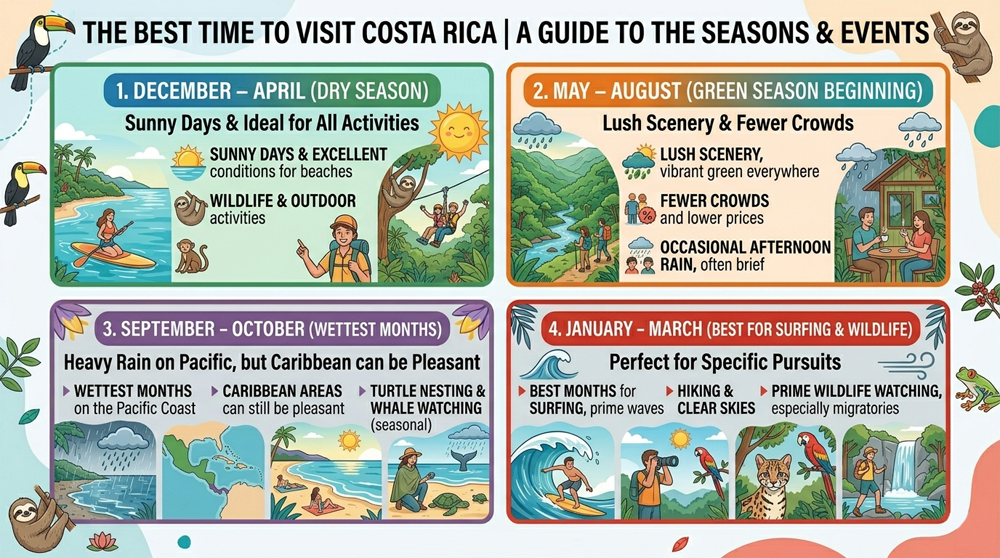
Dry season with sunny days and excellent conditions for beaches, wildlife, and outdoor activities.
Beginning of the green season — lush scenery, fewer crowds, and lower prices with occasional afternoon rain.
Wettest months on the Pacific coast, though Caribbean areas can still be pleasant.
Best months for surfing, hiking, and wildlife watching.
Costa Rica has a tropical climate with warm temperatures throughout the year, but weather conditions vary greatly depending on the region, altitude, and season. The country is mainly divided into a dry season and a rainy "green" season, with different weather patterns between the Pacific Coast, Caribbean Coast, mountains, and cloud forests.
Thanks to its biodiversity and varied landscapes, Costa Rica can be enjoyed year-round depending on the type of experience you are looking for.
Best Overall Time to Visit
This is the most popular time to visit Costa Rica, especially along the Pacific Coast where days are sunny, warm, and relatively dry.
Humidity is lower during these months, particularly from January to March.
Lush Landscapes & Fewer Crowds
The rainy season transforms Costa Rica into a vibrant tropical paradise with greener forests, powerful waterfalls, and fewer tourists. Rain usually falls in the afternoon or evening, while mornings often remain sunny and clear.
September and October are generally the wettest months on the Pacific side.
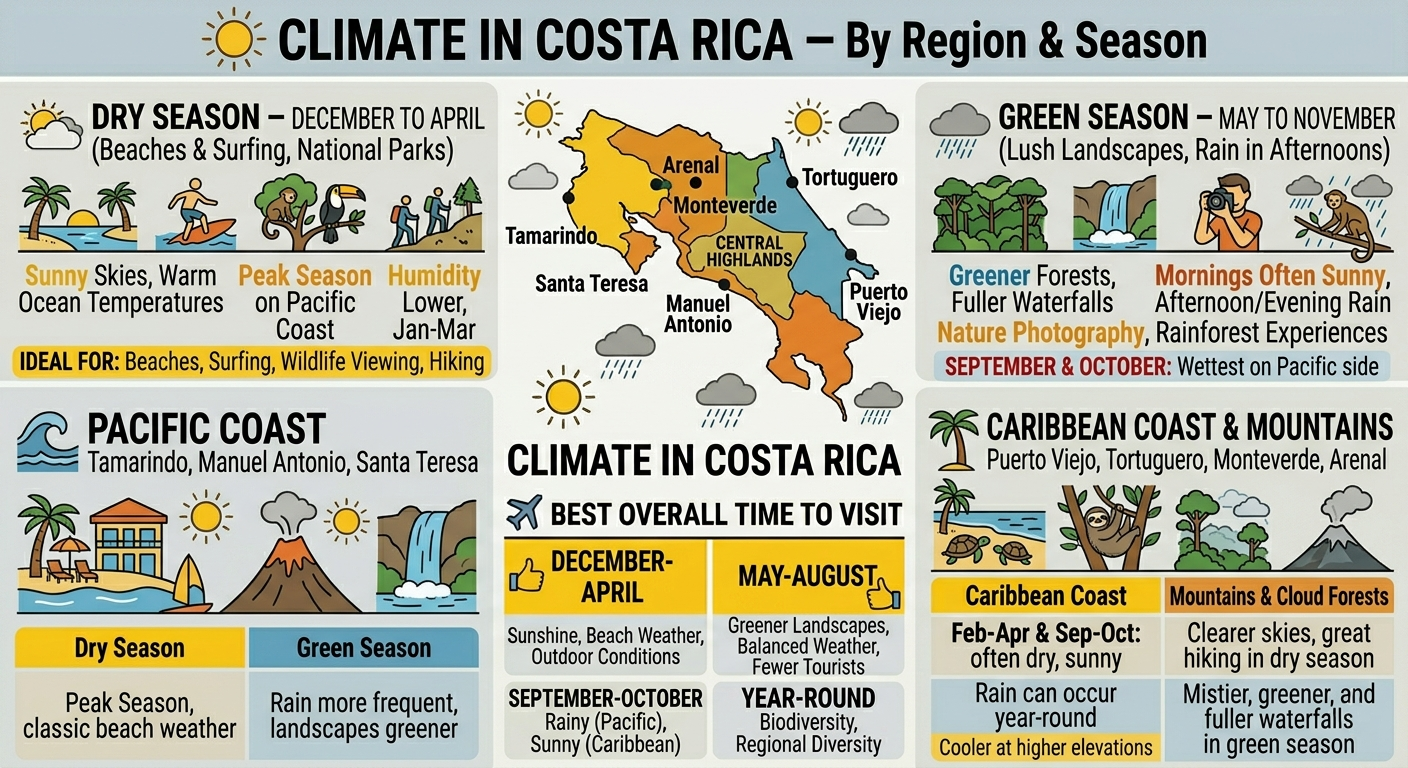
December to April
Sunny skies, warm ocean temperatures, and classic beach weather make this the peak season.
May to November
Greener landscapes and quieter beaches, though rainfall becomes more frequent.
Unlike the Pacific Coast, the Caribbean side follows a slightly different weather pattern.
February – April & September – October
Often the driest and sunniest months for the Caribbean region.
Rainy Months
Rain can occur throughout the year, but tropical showers are usually short-lived.
Dry Season
Clearer skies and excellent hiking conditions.
Green Season
Mistier, greener, and more atmospheric with fuller waterfalls and lush vegetation.
Temperatures are cooler at higher elevations throughout the year.
Skip the SIM hunt on arrival. A travel eSIM lets you activate local data before you board — no plastic card, no roaming fees, instant setup. Roamic covers this destination and most countries in the Galerie.
Get Your Travel eSIM →A night turtle-watching tour in Tortuguero, a guided cloud forest walk in Monteverde, and a white-water rafting day on the Pacuare River are three experiences I'd book again without hesitation.
Flying into San José and out of Liberia (or vice versa) lets you travel the country in one direction without doubling back. Kiwi.com's open-jaw search makes finding these combinations straightforward.
Stock Photography
Browse and license the full Food photography collection — available for commercial and editorial use on Shutterstock.
View on Shutterstock →
Stock Photography
Browse and license the full Spain photography collection — available for commercial and editorial use on Shutterstock.
View on Shutterstock →