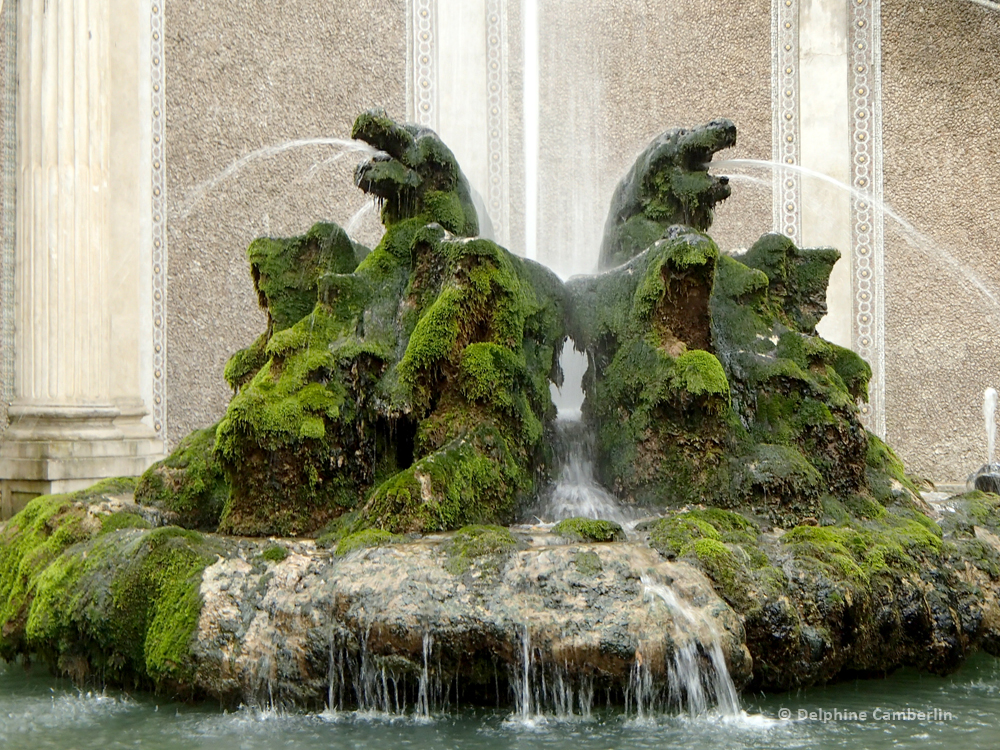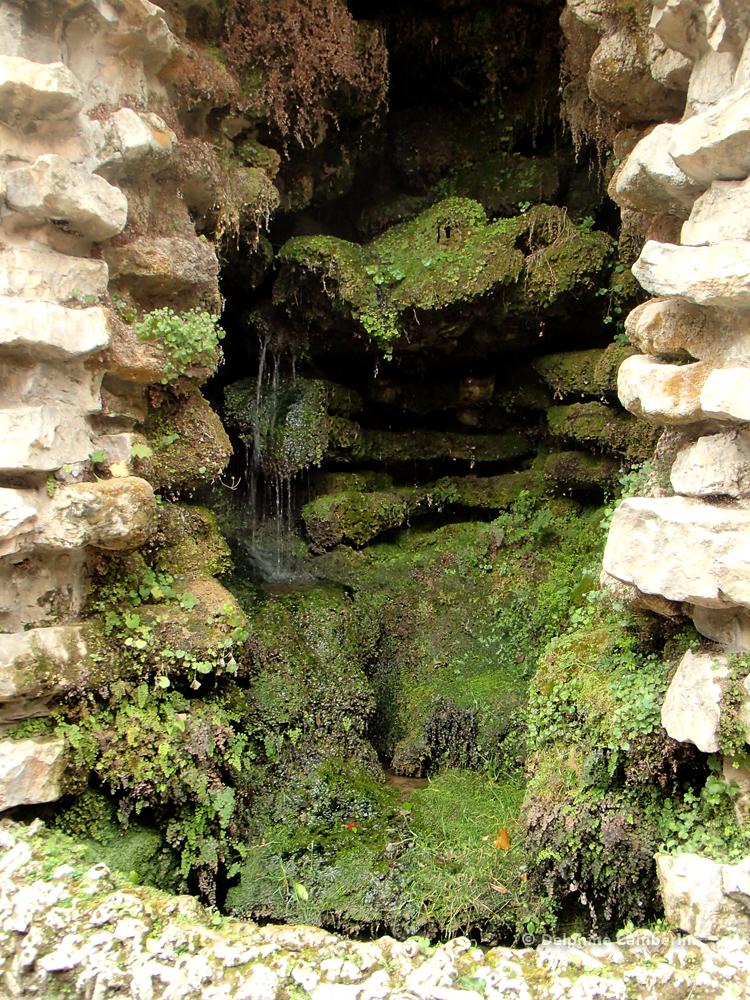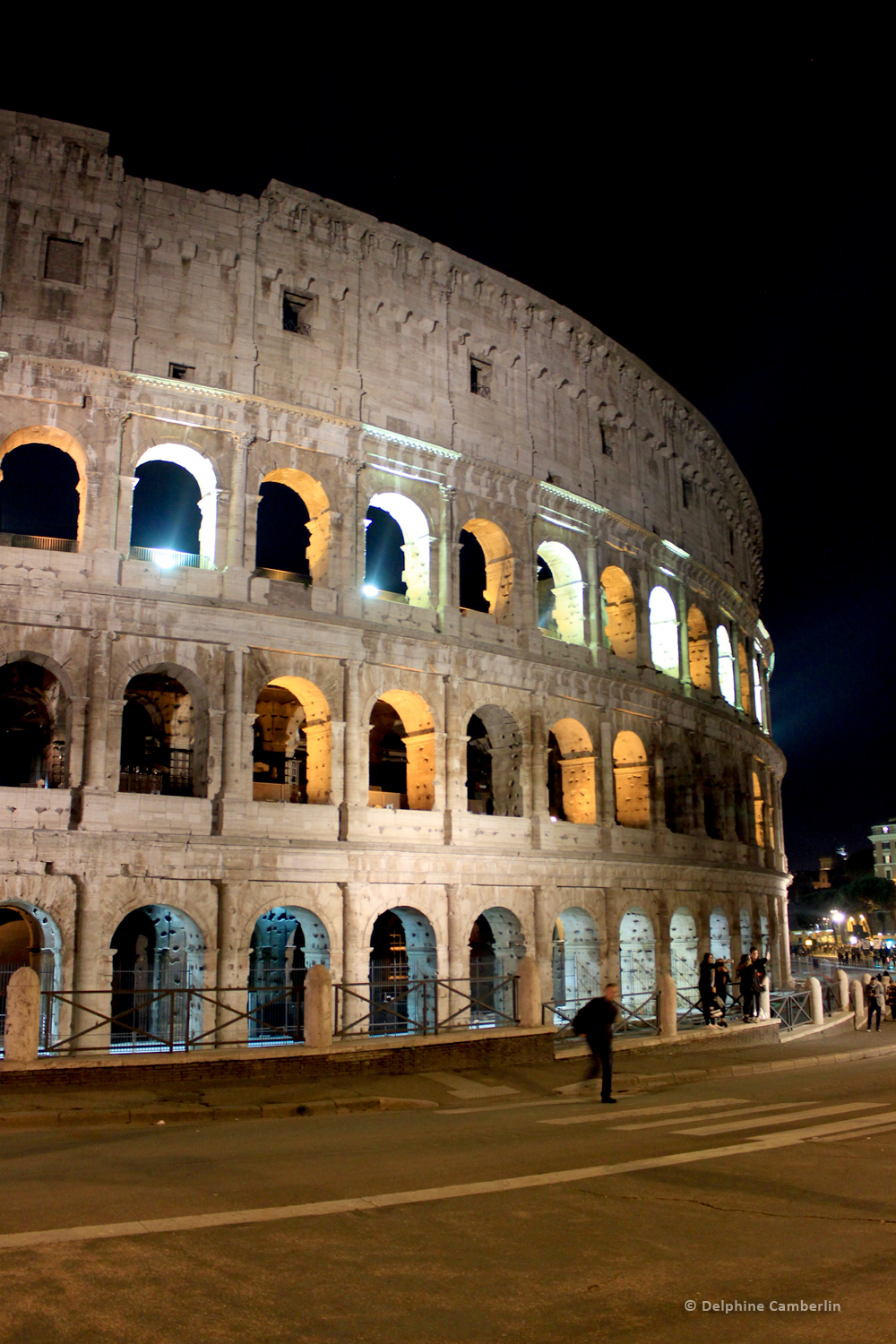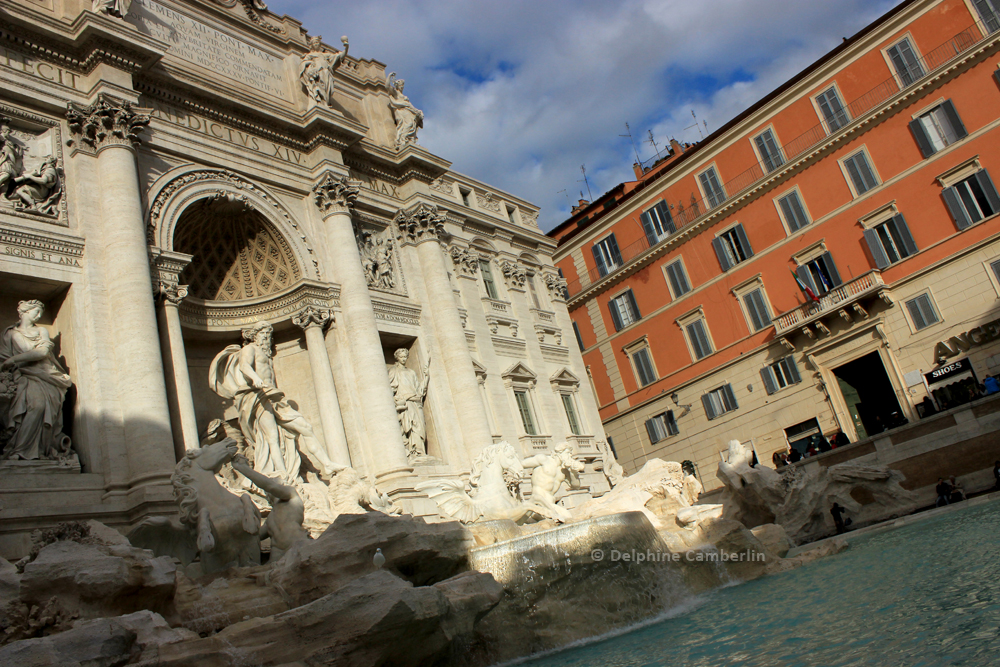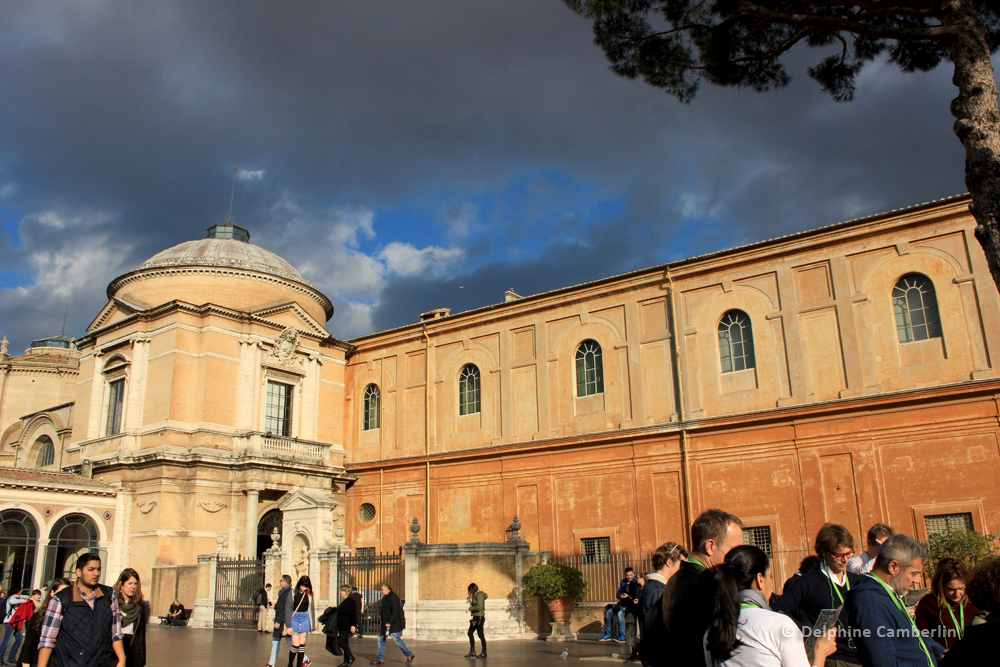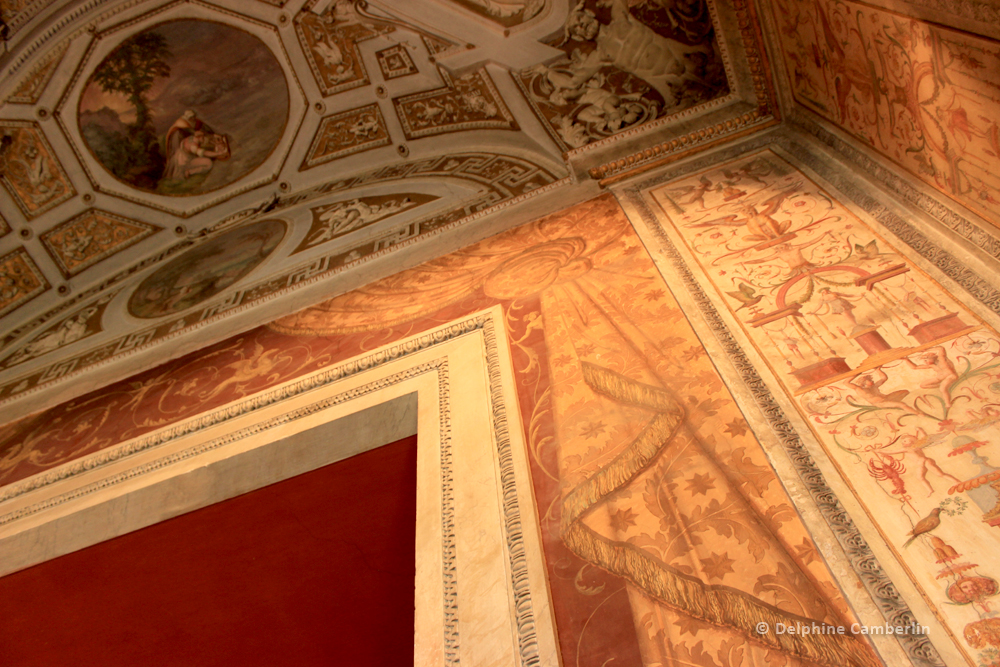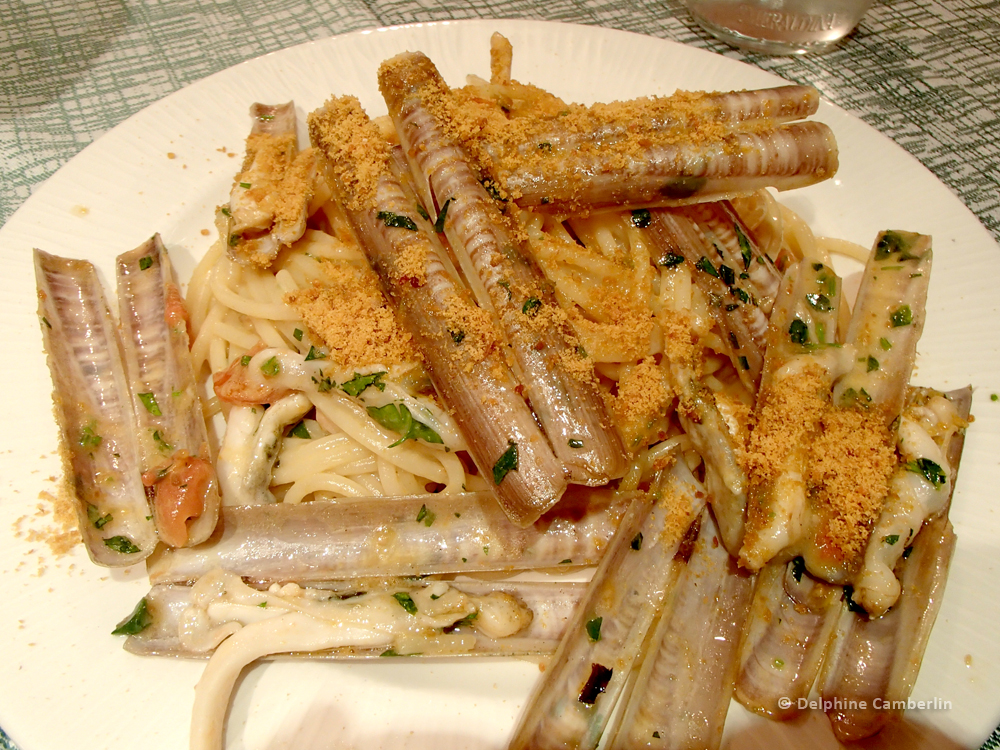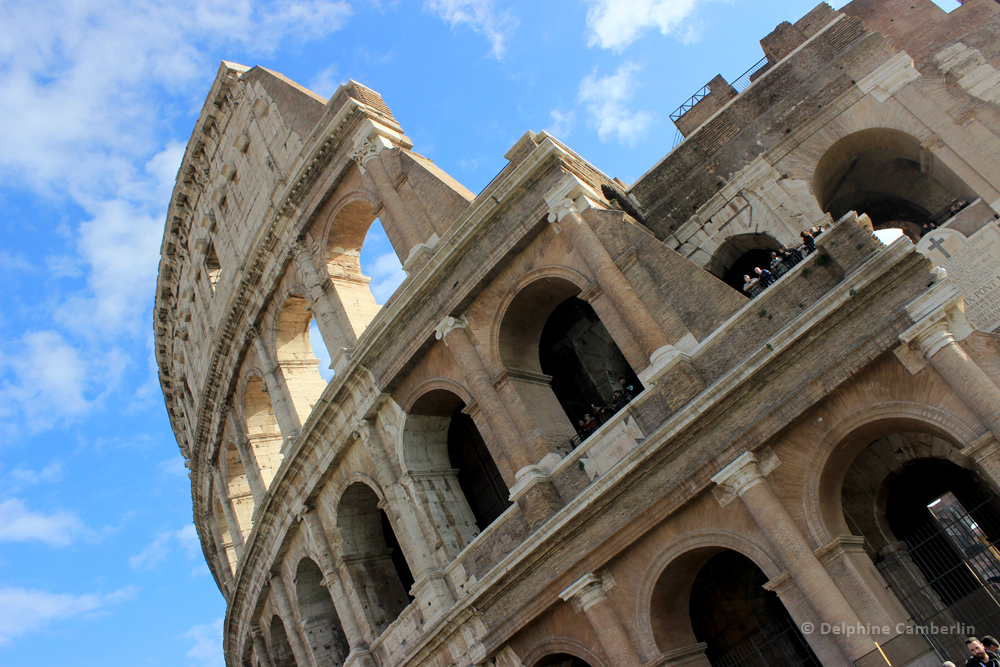
Italy is the country that invented the concept of beautiful — and after hundreds of years of painters, sculptors, and architects competing to outdo each other, the visual density is almost unfair to everywhere else. Rome alone contains the Colosseum, the Pantheon, the Trevi Fountain, the Vatican Museums, and Trastevere's golden-hour alleyways — all within walking distance of each other. Add the Cinque Terre's coloured houses stacked above the Ligurian Sea, Tuscany's cypress-lined roads and hilltop towns, Venice's canal light, and the extraordinary trulli of Alberobello, and Italy remains one of the world's great photography destinations regardless of how many times it's been photographed before.
Rome's golden hour — the city is at its most photogenic in the hour before sunset, when the stone buildings take on a warm amber glow that no filter can replicate. The view from Gianicolo hill over the rooftops at this time is one of the most beautiful urban landscapes I've seen.
The Colosseum and Forum at dawn — arrive when the gates open and you'll have the ancient ruins largely to yourself for the first 45 minutes. The quality of early morning light on Roman travertine stone is exceptional.
Cinque Terre — the five villages are best photographed from the sea (a boat tour gives you perspectives impossible from land) or from the hiking paths between them. Manarola at dusk, with the coloured houses reflecting in the harbour, is the classic shot — it's classic for good reason.
Tuscany's countryside — the Val d'Orcia landscape near Pienza, with its rolling hills, isolated cypress trees, and medieval farmhouses, is what landscape photographers think of when they think Italy. Spring (April–May) brings poppies; harvest season brings golden light and activity in the vineyards.
Italy is comfortably accessible from most of Europe and offers excellent train connections between its major cities — the Trenitalia and Italo high-speed network means you can move from Rome to Florence to Venice in a single day if needed. Pre-booking major sites is essential: the Vatican Museums, Colosseum, and Uffizi Gallery all sell out days in advance, particularly in summer.
| 🗓️ | Recommended stay | 7 – 14 days |
| 🎒 | Budget / day | €70–100 / $77–110Hostel, pizza & trattoria lunch menus, trains |
| 🥂 | Luxury / day | €200–500 / $220–550Boutique hotel, fine dining, private museum access |
| 📅 | Best months | April – June · September – October |
| 🌡️ | Climate | 10–28°C · Warm summers · Mild wintersSouth hotter than north · August is crowded and very hot |
| ✈️ | Visa | Schengen — EU / EEA free · US / UK visa-free 90 days |
| 💵 | Currency | EUR · Cards widely accepted · Some trattorias & markets cash only |
| 🚂 | Getting around | Trenitalia & Italo trains excellent between cities · Walking + metro or tram in cities |
| 🛡️ | Safety | Low — safeWatch for pickpockets on Rome metro & in tourist crowds |
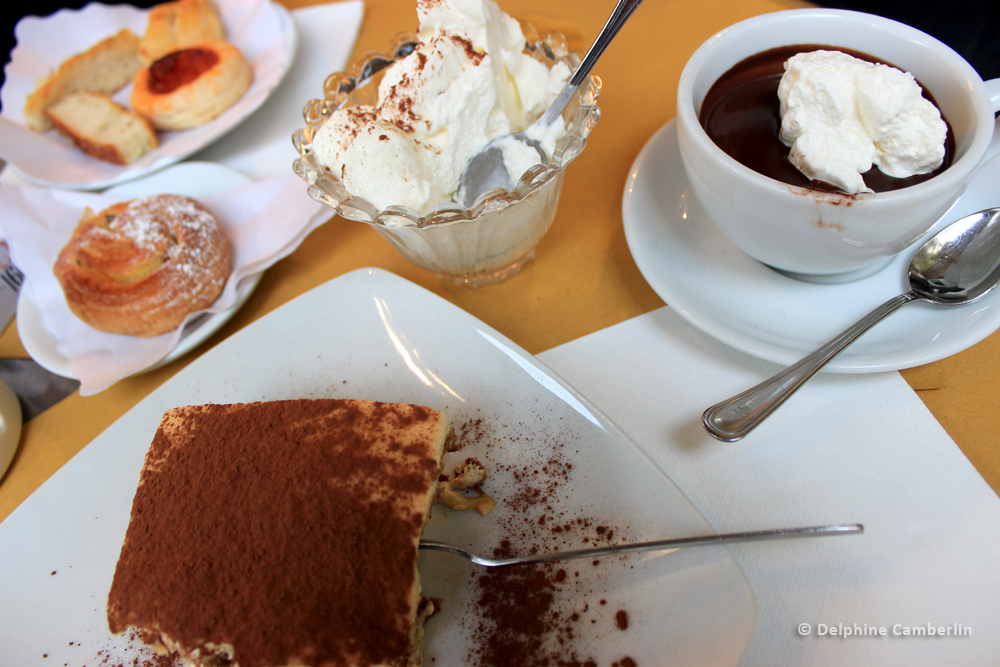
| 🍜 | Must-try food | Pizza napoletana, carbonara, tiramisu, arancini, gelato — always from a proper gelateria |
| 💬 | Language | English in tourist areas · Italians warm up instantly when you attempt any Italian |
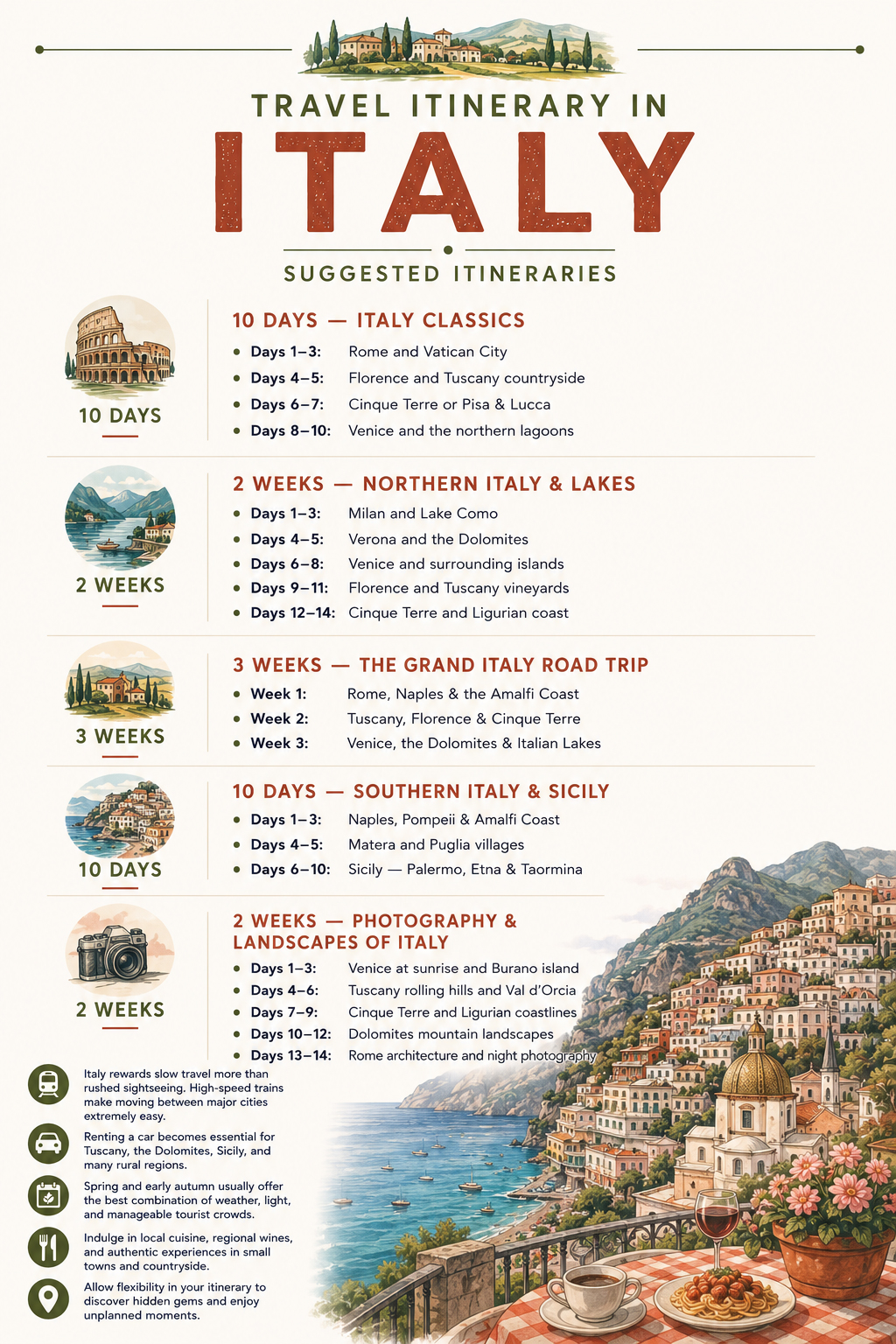
Italy rewards slow travel more than rushed sightseeing. High-speed trains make moving between major cities extremely easy, while renting a car becomes essential for Tuscany, the Dolomites, Sicily, and many rural regions. Spring and early autumn usually offer the best combination of weather, light, and manageable tourist crowds.
Iceland is one of the world’s great self-drive destinations, but distances, weather, and road conditions can be more challenging than they initially appear. Summer offers the easiest road access and nearly endless daylight, while winter provides Northern Lights and dramatic snow-covered landscapes. Renting a 4x4 becomes essential for Highland roads and many interior routes.
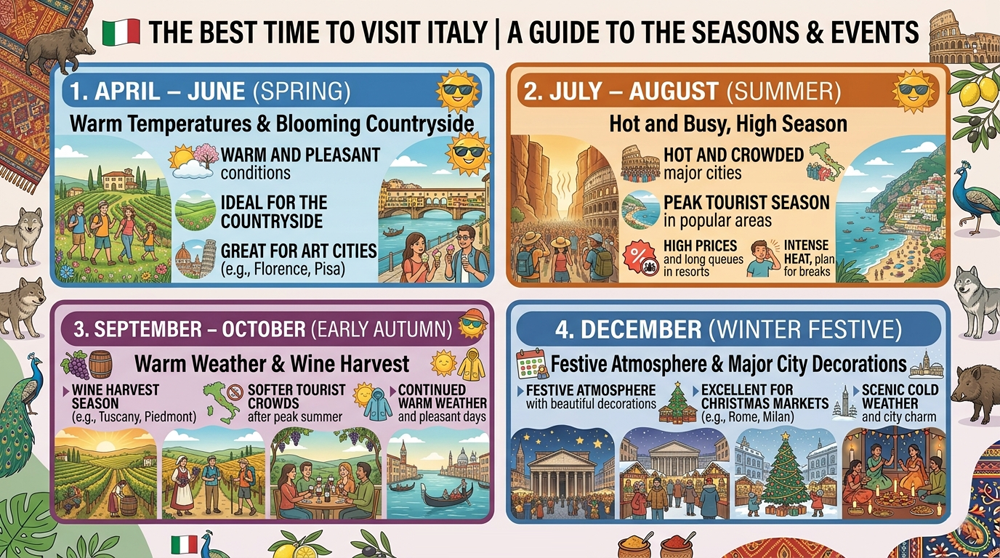
Best Overall Time to Visit Spring is widely considered one of the best seasons to explore Italy, with mild temperatures, blooming landscapes, and fewer crowds before the peak summer rush.
May and early June offer some of the most balanced travel conditions across the country.
Hot Cities & Mediterranean Coastlines Summer brings long sunny days, vibrant coastal life, and major tourist crowds throughout Italy.
Temperatures regularly exceed 35°C in cities such as Rome, Florence, and Bologna, especially in August. Many Italians leave cities during Ferragosto (mid-August), when coastal resorts become extremely busy.
Harvest Season & Softer Light Autumn is one of the most rewarding seasons for travelling in Italy, particularly for food, wine, and photography.
The grape harvest season creates particularly beautiful conditions in Tuscany, Piedmont, and Umbria.
Snowy Mountains & Quiet Cities Winter varies greatly between northern and southern Italy.
Venice, Rome, and Florence become far quieter and more atmospheric compared to summer.
Italy has one of Europe’s most varied climates, shaped by the Alps in the north, the Mediterranean coastline, rolling central hills, and the warmer southern regions and islands. From snowy mountain villages to sun-drenched beaches and vineyard-covered countryside, weather conditions can change dramatically depending on the season and region.
The country can be visited year-round, though the ideal time depends greatly on whether you are travelling for cities, beaches, hiking, photography, food, or countryside road trips.
April – June Excellent weather, blooming landscapes, and manageable tourist crowds.
September – October Warm temperatures, harvest season, and ideal photography light.
July – August Best for beaches and islands, though often crowded and very hot.
Year-Round Italy remains one of Europe’s strongest year-round destinations thanks to its combination of culture, landscapes, cuisine, mountains, and coastline.
April to June & September to October Best combination of comfortable temperatures and clear conditions.
Winter Warm temperatures, harvest season, and ideal photography light. Cold temperatures and snow in mountain areas, ideal for skiing and winter scenery. Fog is common in parts of the Po Valley during winter.
Spring & Autumn Perfect conditions for countryside drives, photography, wine regions, and cultural travel.
Summer Very hot temperatures, especially inland around Florence and Rome.
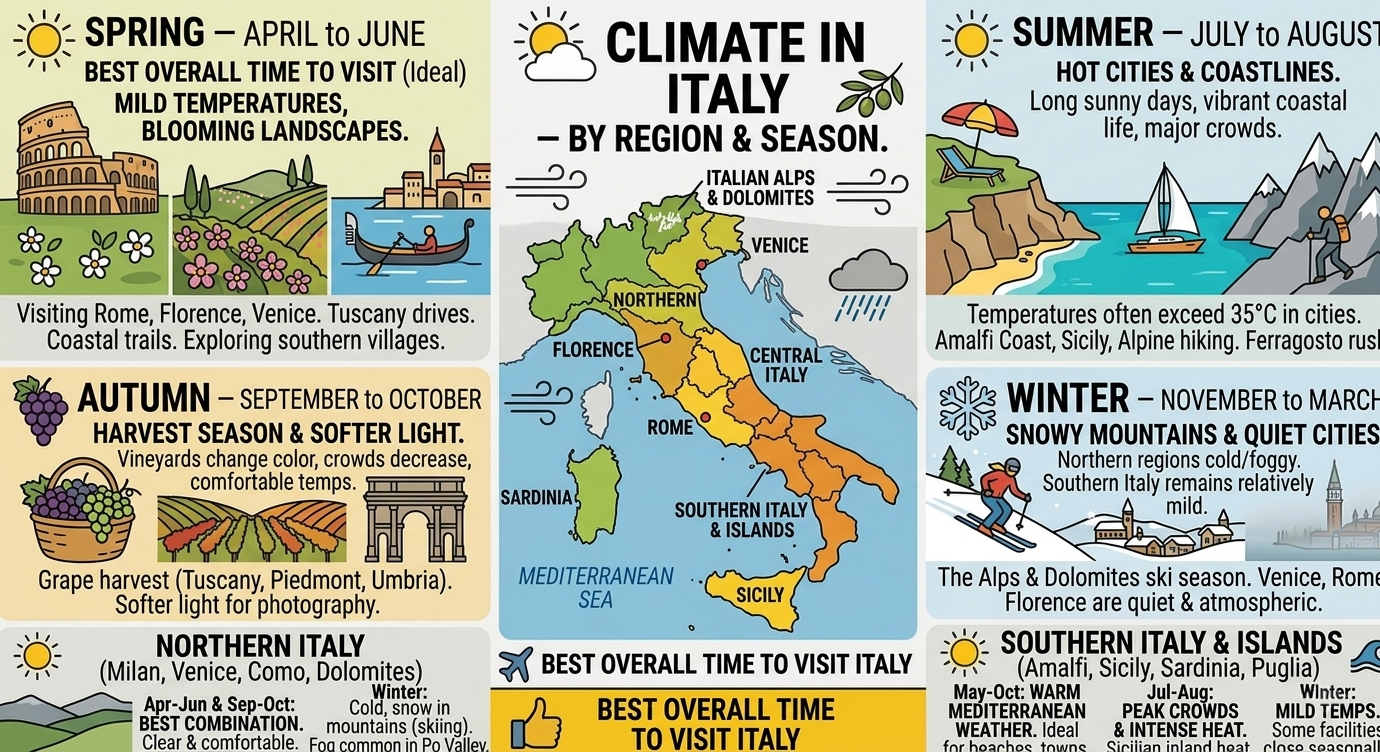
May to October Warm Mediterranean weather ideal for beaches, coastal towns, and island travel.
July & August Peak summer crowds and intense heat, particularly in Sicily and southern inland areas.
Winter Mild temperatures compared to northern Europe, though some tourist facilities close seasonally.
June to September Best hiking conditions with open mountain trails and alpine scenery.
December to March Prime ski season with snow-covered landscapes and winter sports resorts. Weather changes quickly at high altitude throughout the year.
Skip the SIM hunt on arrival. A travel eSIM lets you activate local data before you board — no plastic card, no roaming fees, instant setup. Roamic covers this destination and most countries in the Galerie.
Get Your Travel eSIM →🎟️ GetYourGuide: "Skip-the-line Vatican Museums access and a guided early-morning Colosseum tour are genuinely worth the premium — the difference in experience is significant."
Stock Photography
Browse and license the Italian food & architecture photography collection — available for commercial and editorial use on Shutterstock.
View on Shutterstock →
Stock Photography
Browse and license the Italian architecture, nature & light photography collection — available for commercial and editorial use on Shutterstock.
View on Shutterstock →