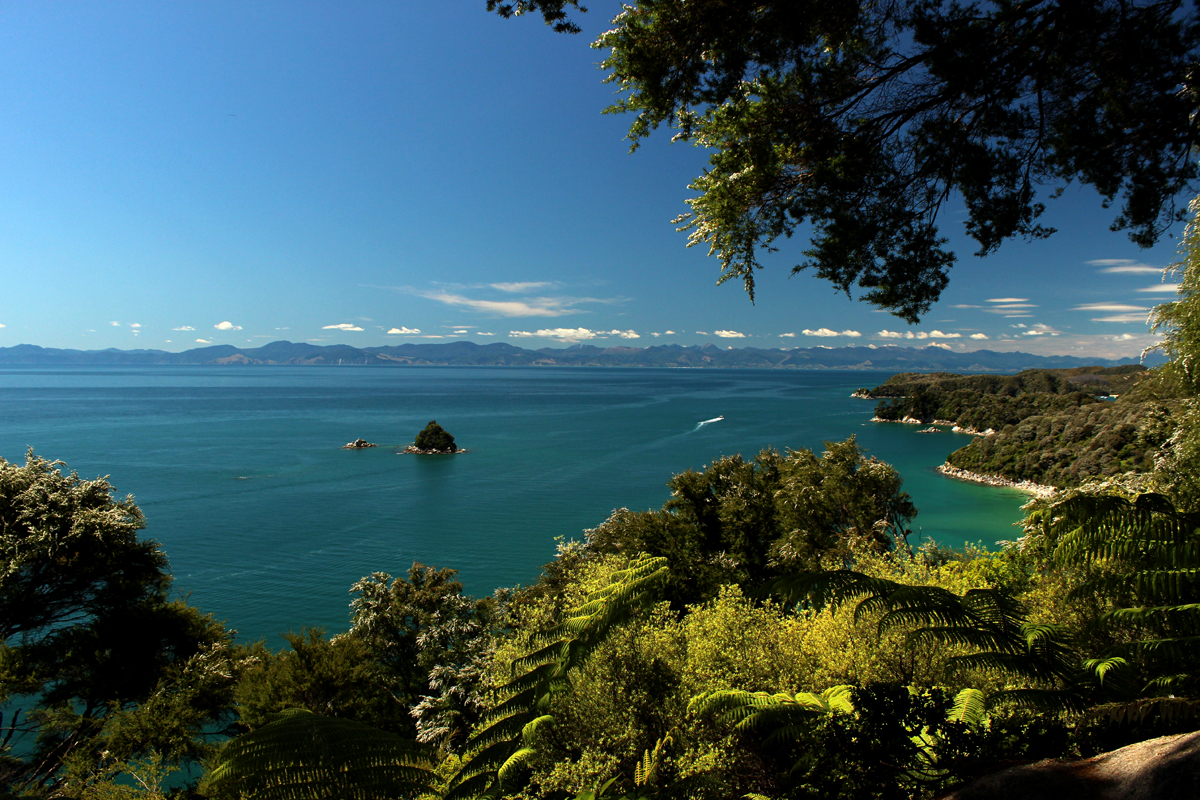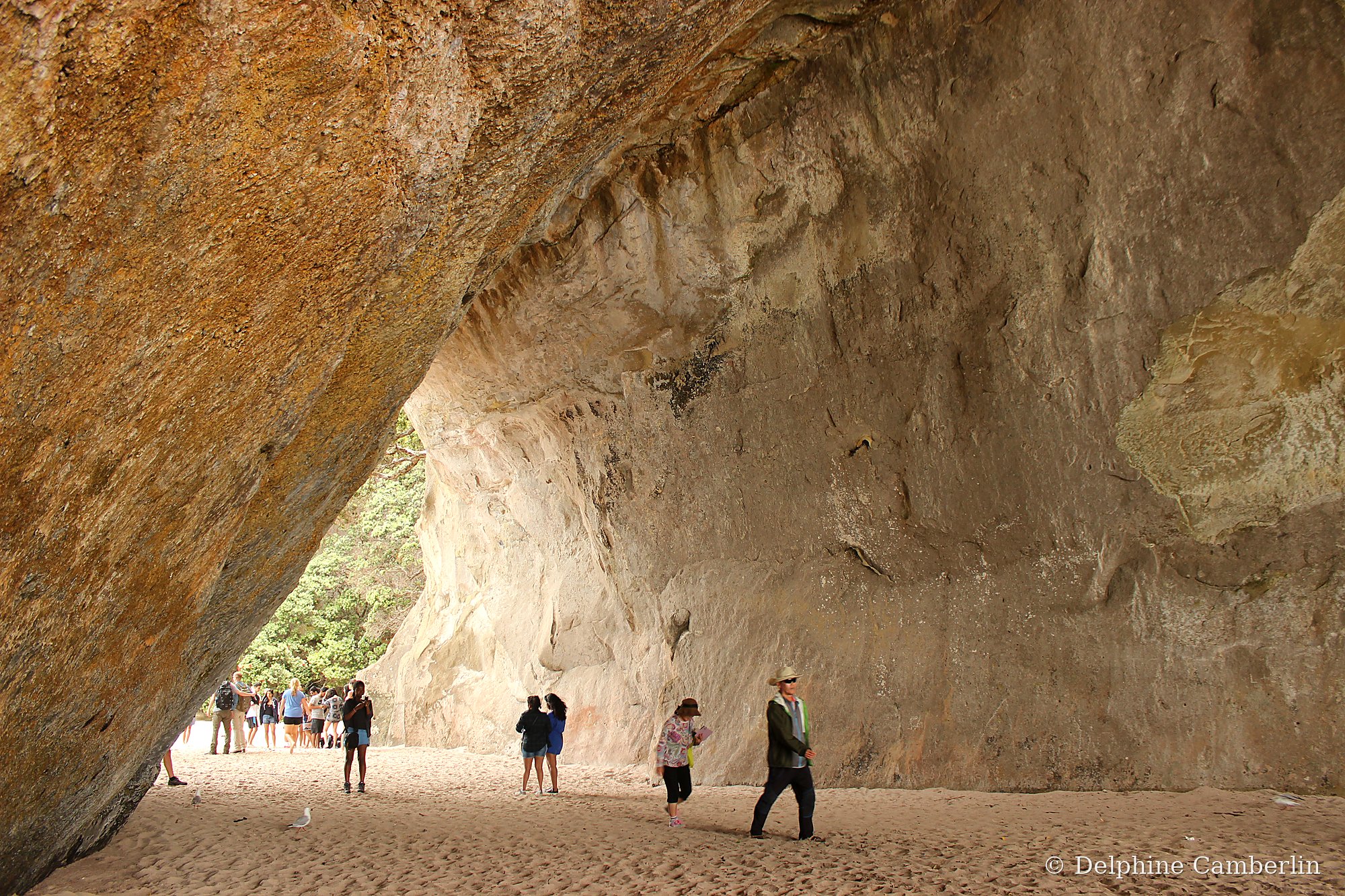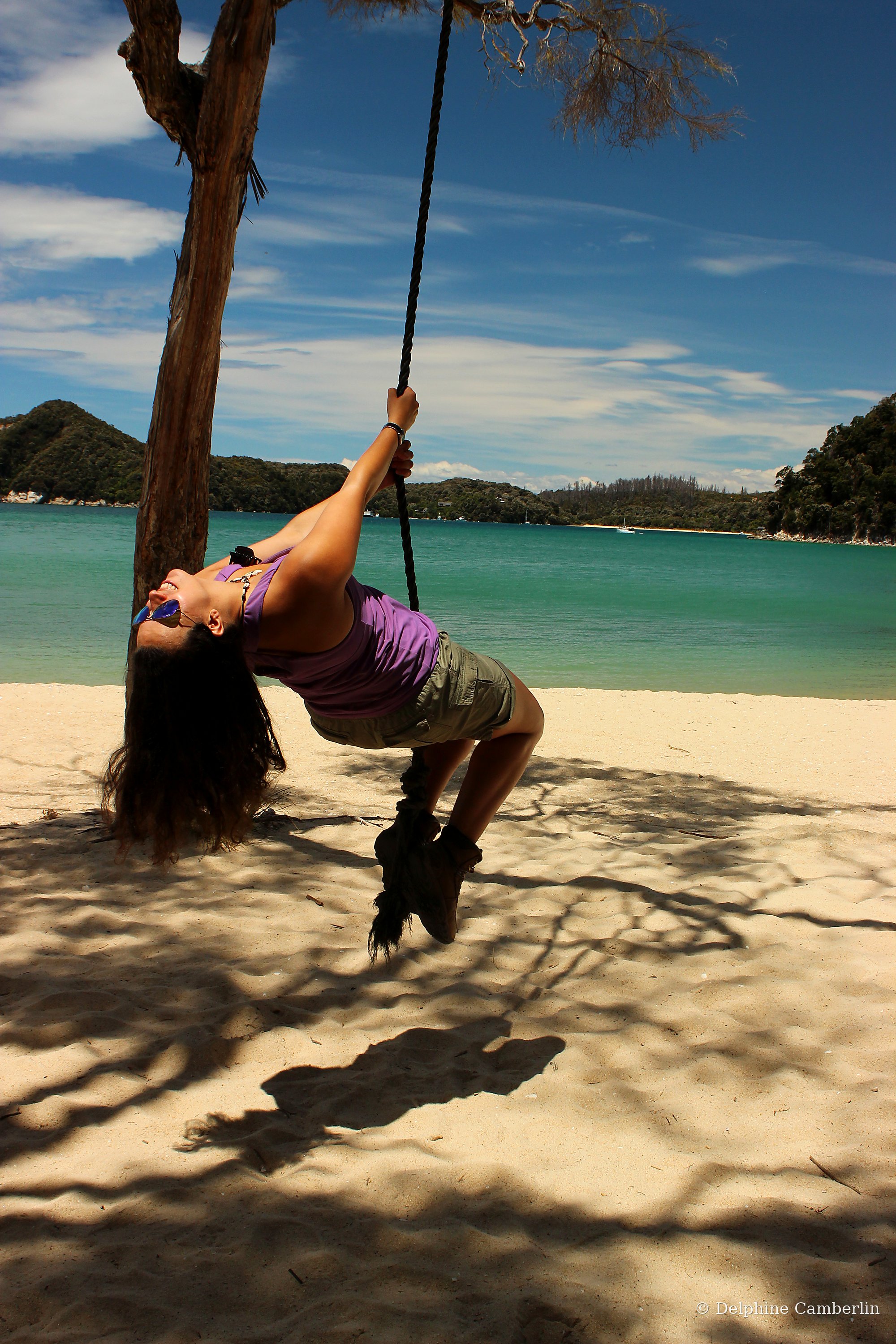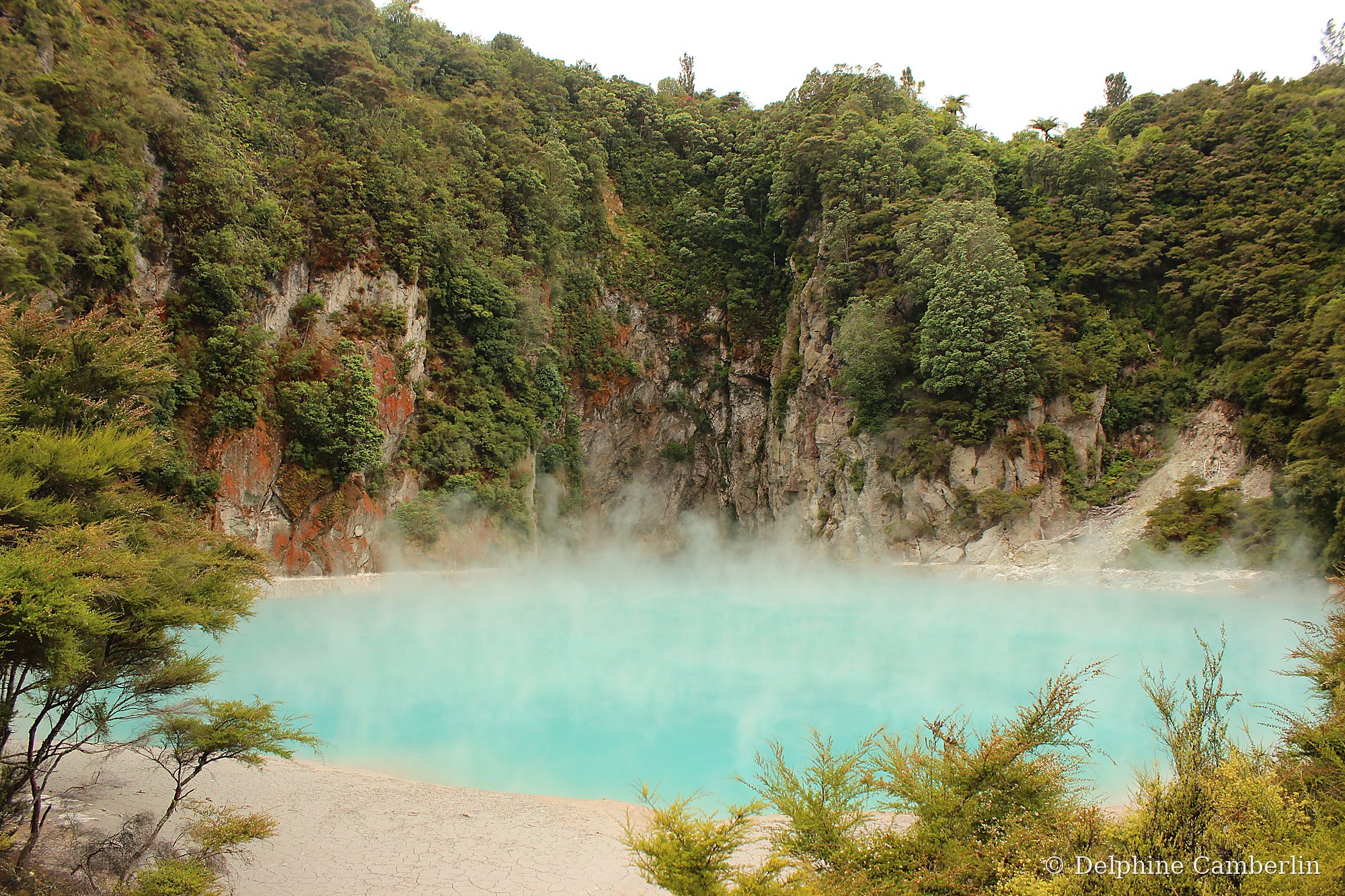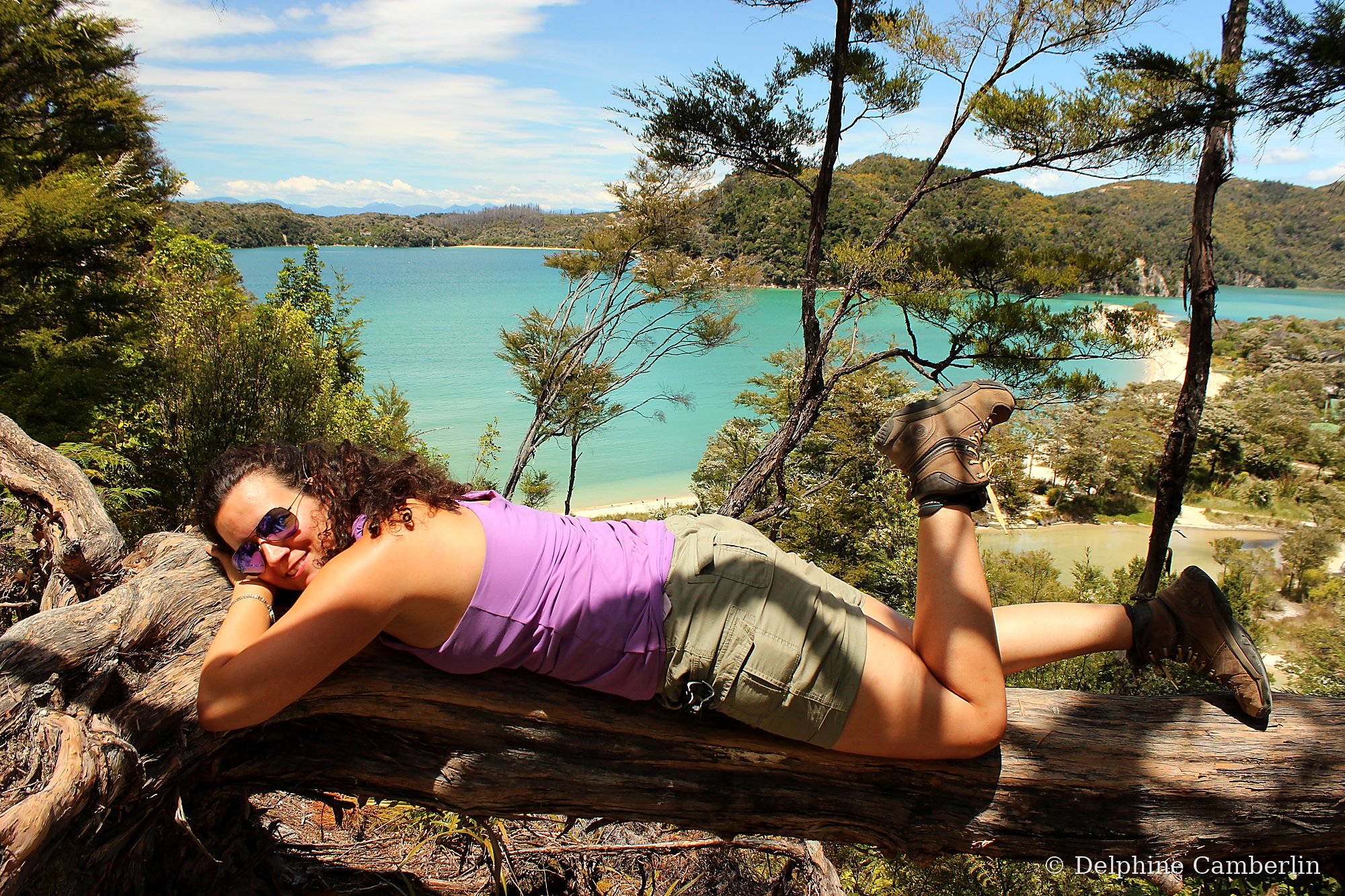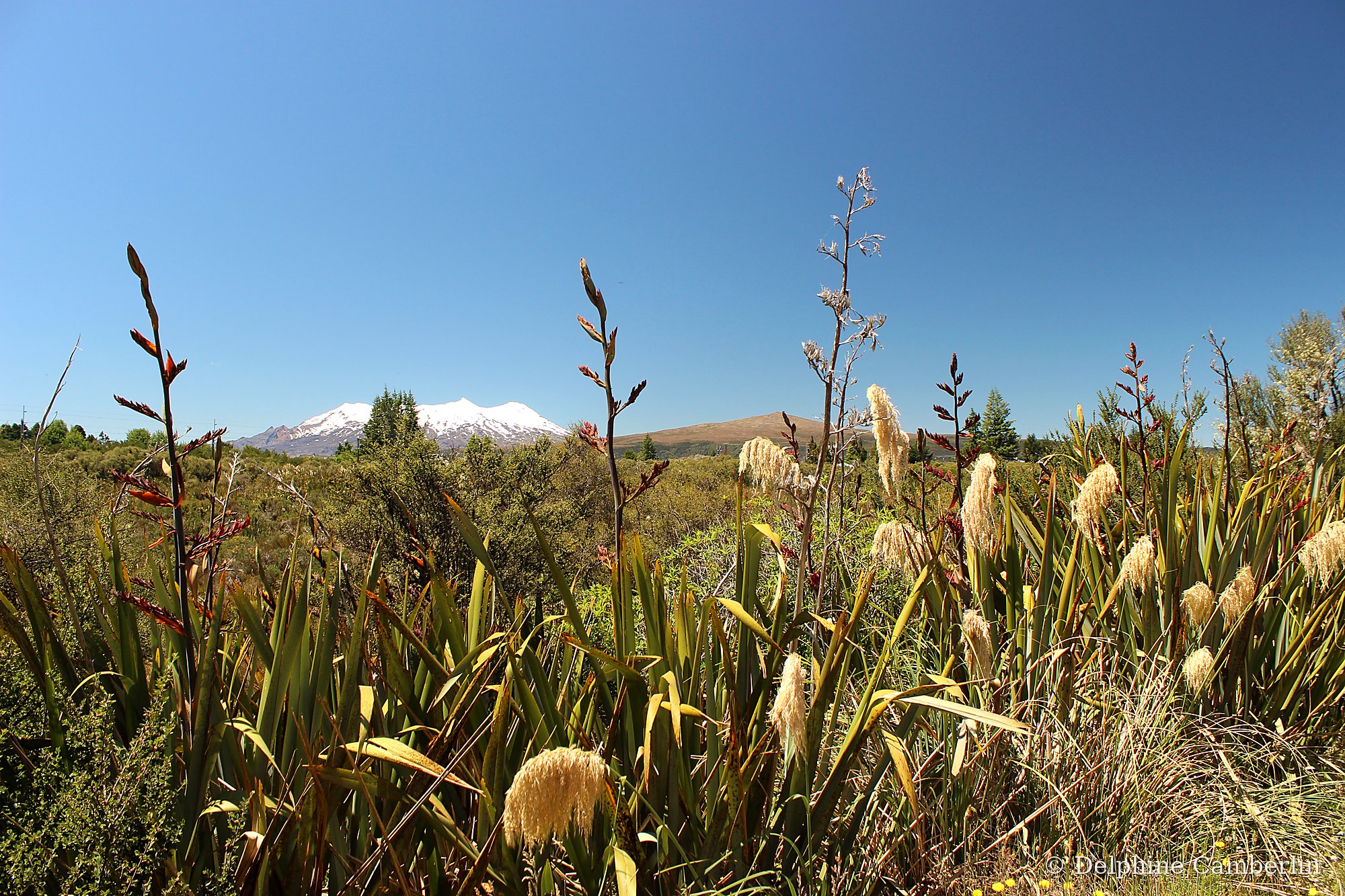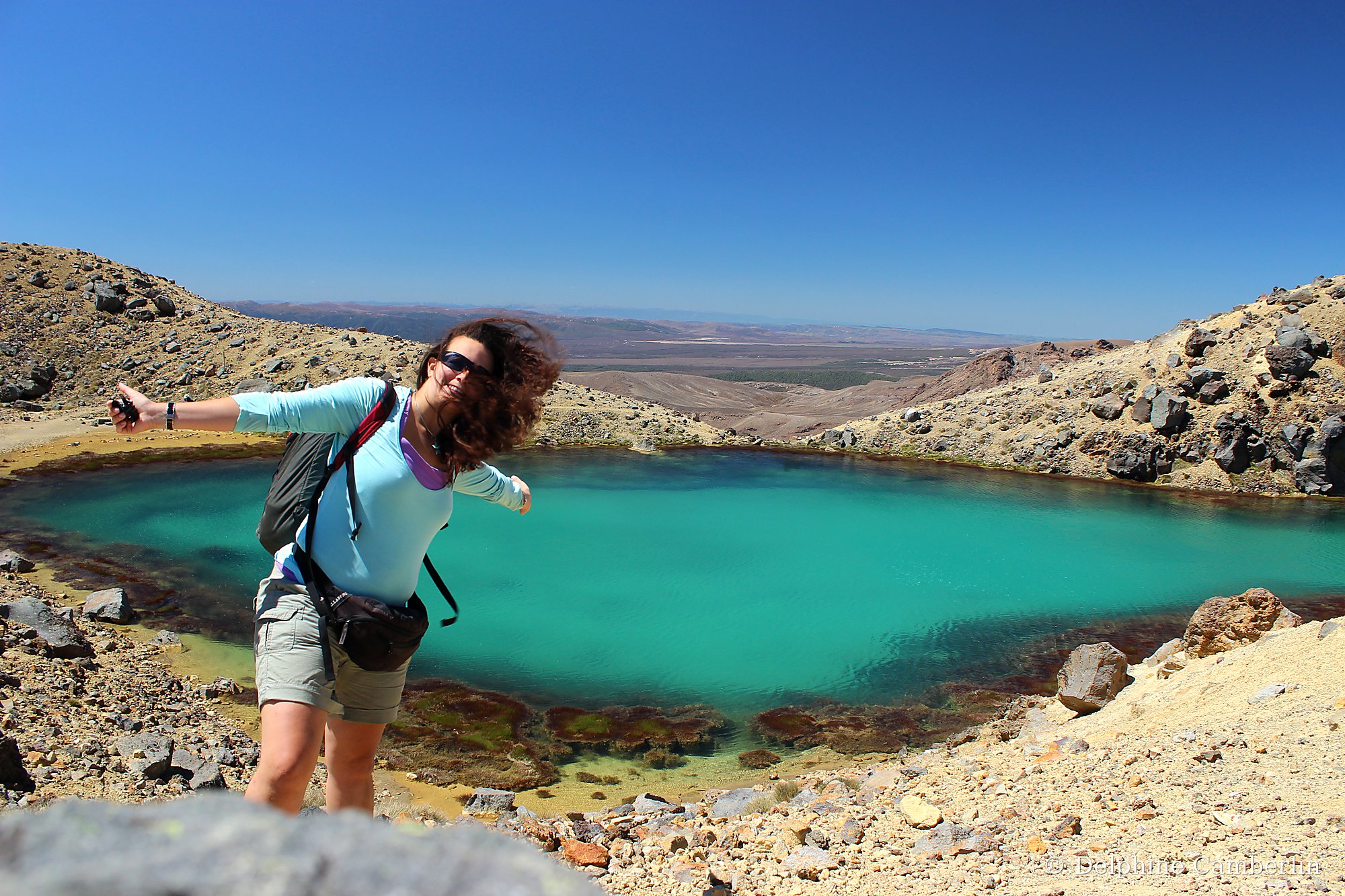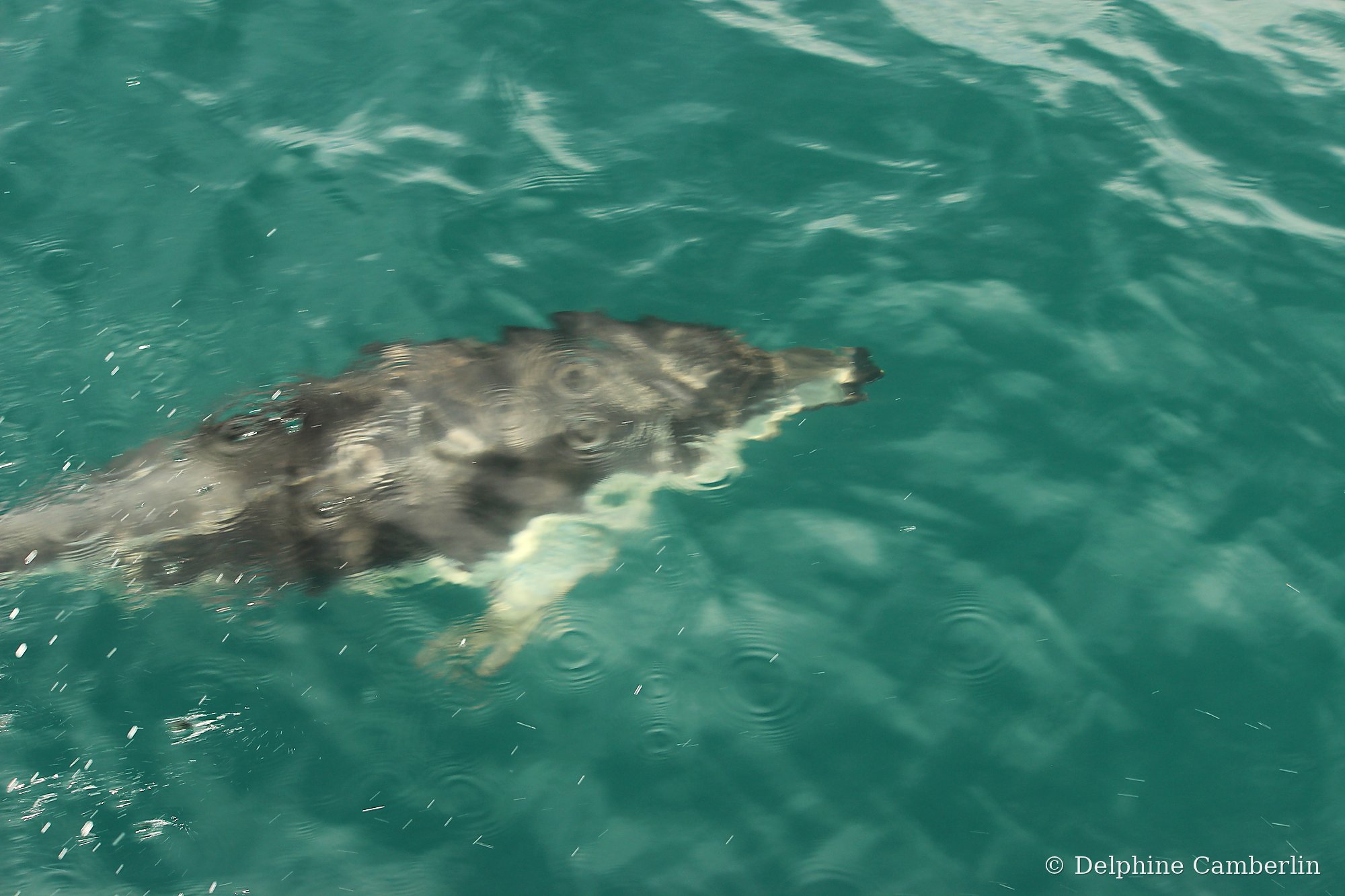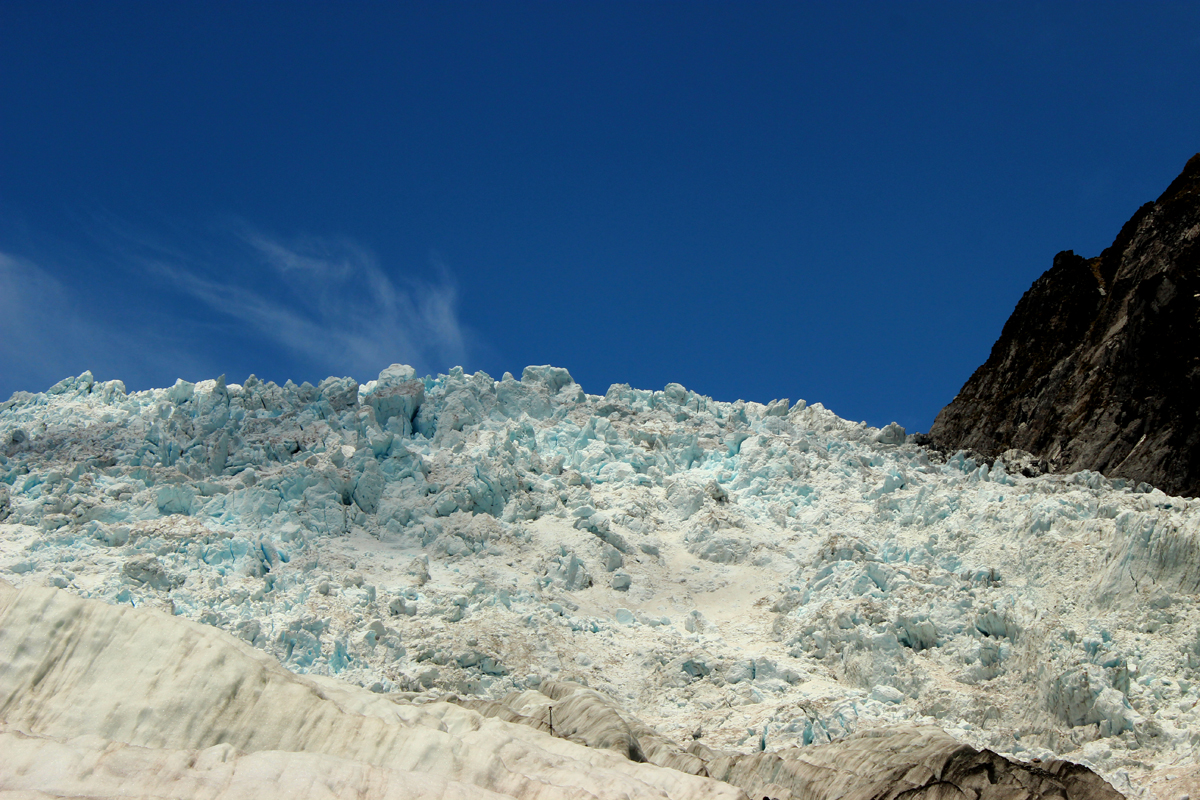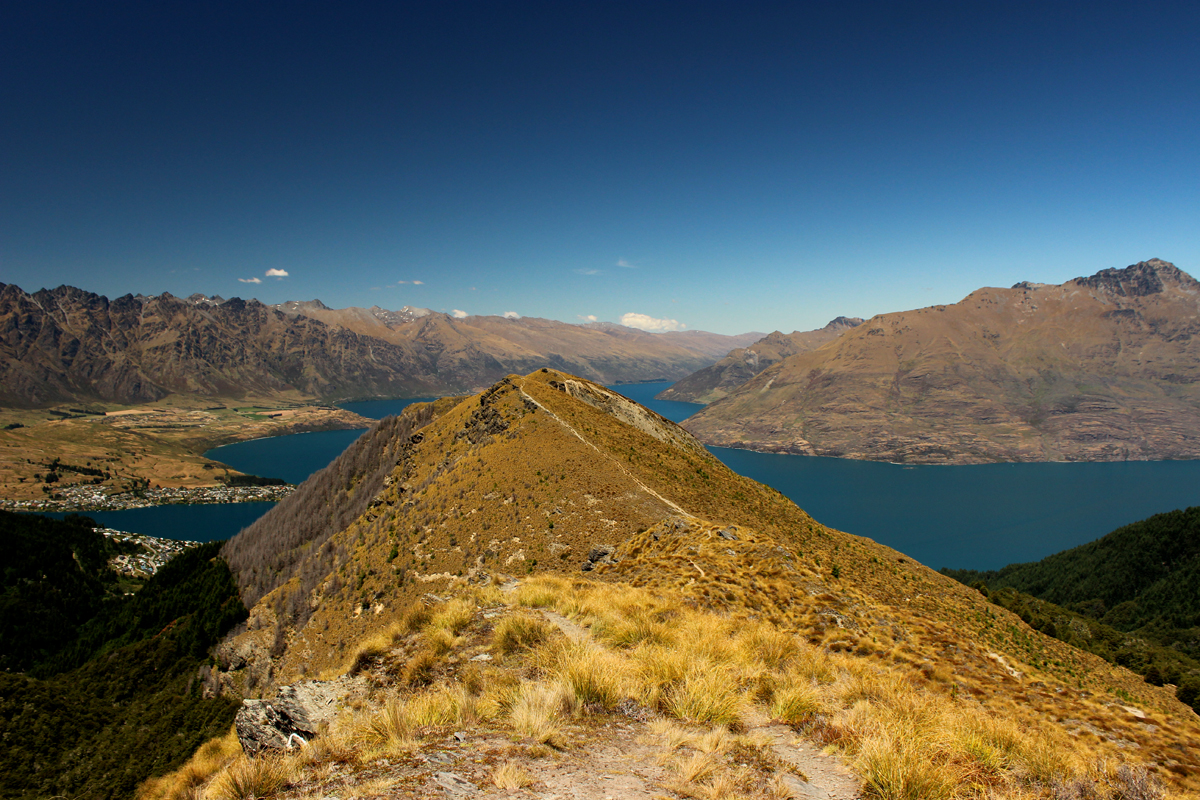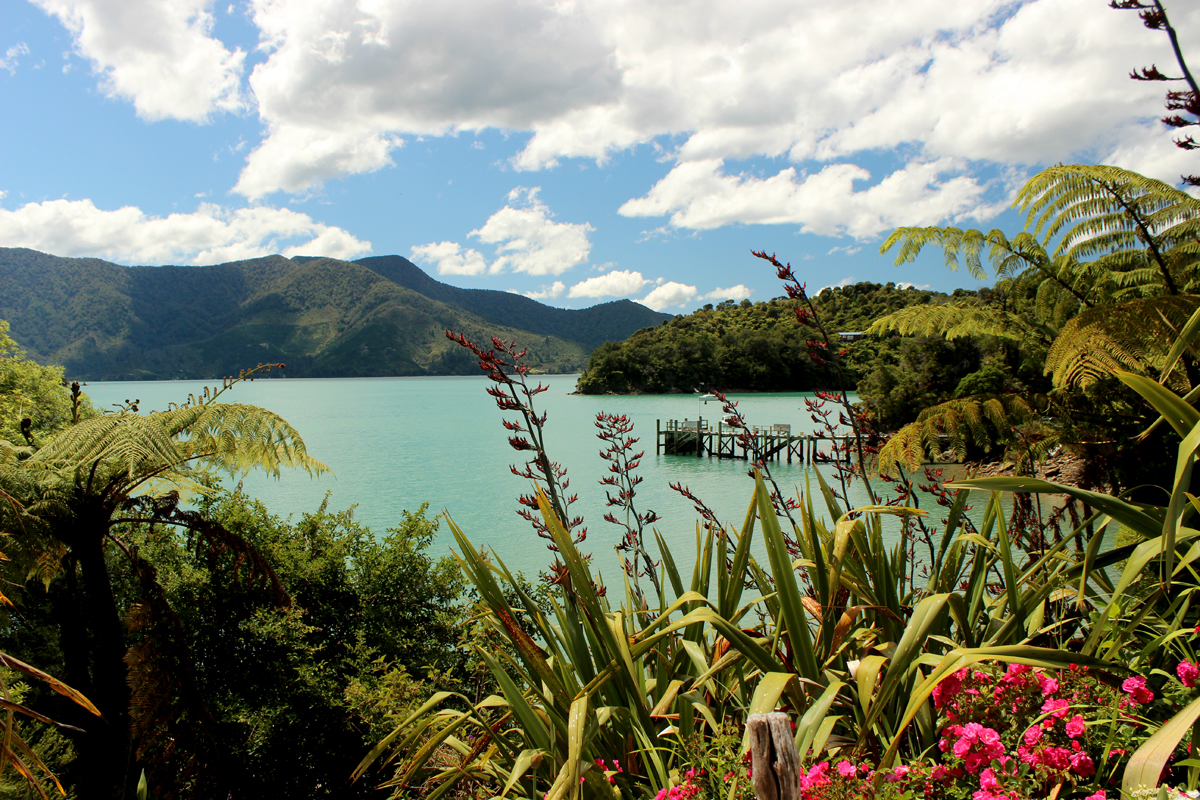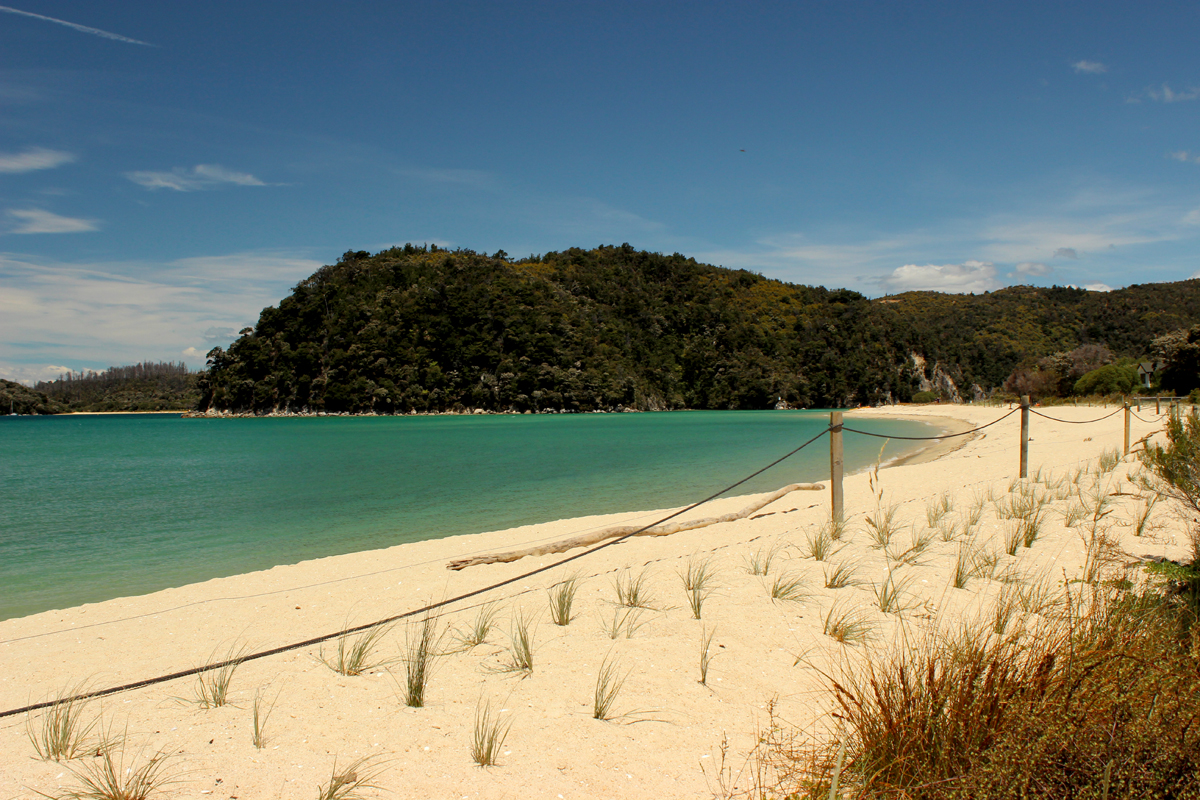
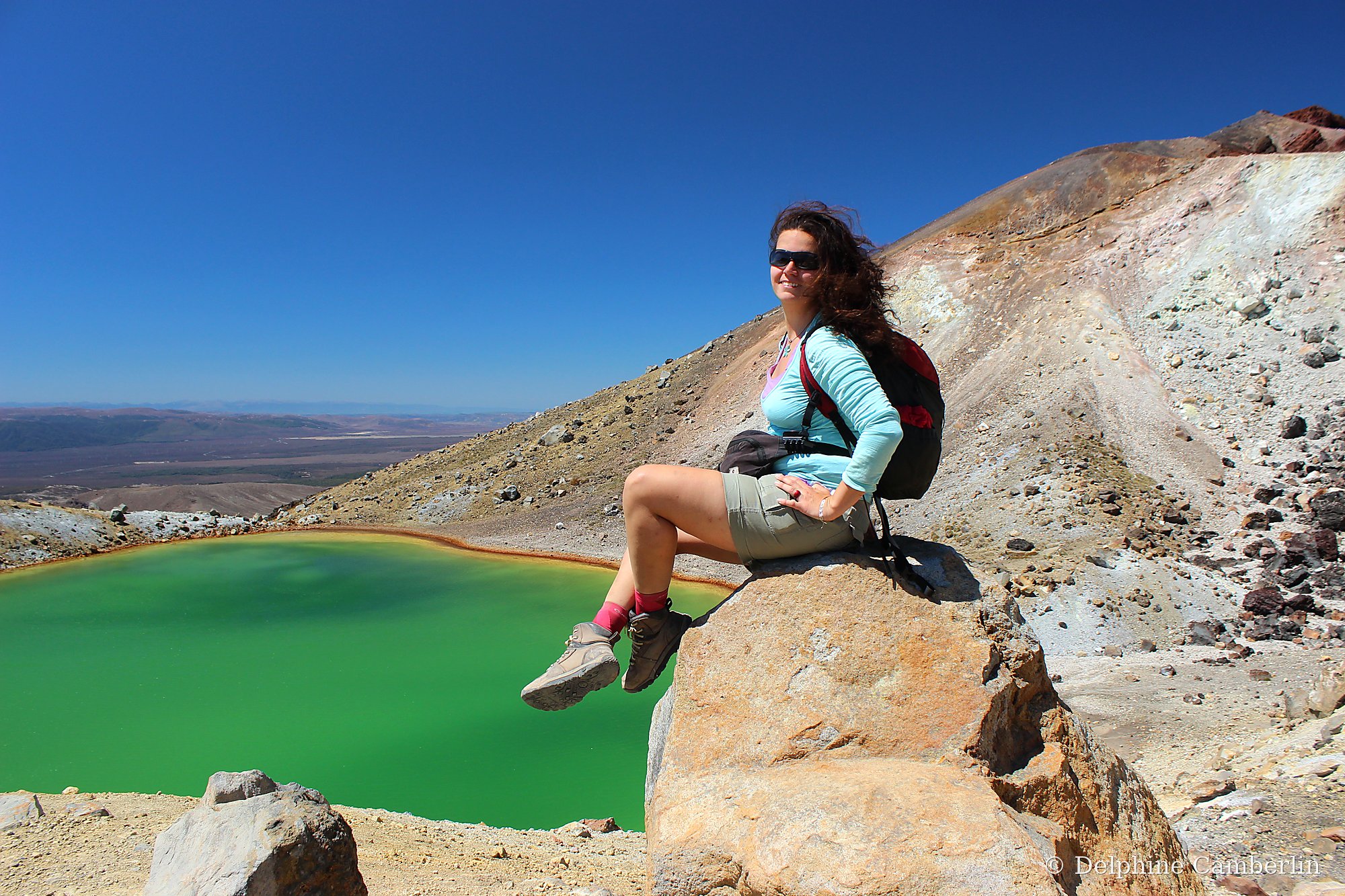
New Zealand is where landscape photography goes to feel inadequate. The South Island alone — with Milford Sound's sheer fiord walls, the turquoise glacial melt of Lake Pukaki below Mount Cook, the Tongariro Alpine Crossing's volcanic moonscape, and the Waitomo glowworm caves — contains more extraordinary natural subjects per kilometre than anywhere I've been. The North Island adds the geothermal weirdness of Rotorua, the golden beaches of Abel Tasman, and the rolling green hills of the Waikato that look, absurdly, exactly like the Shire. Because they are.
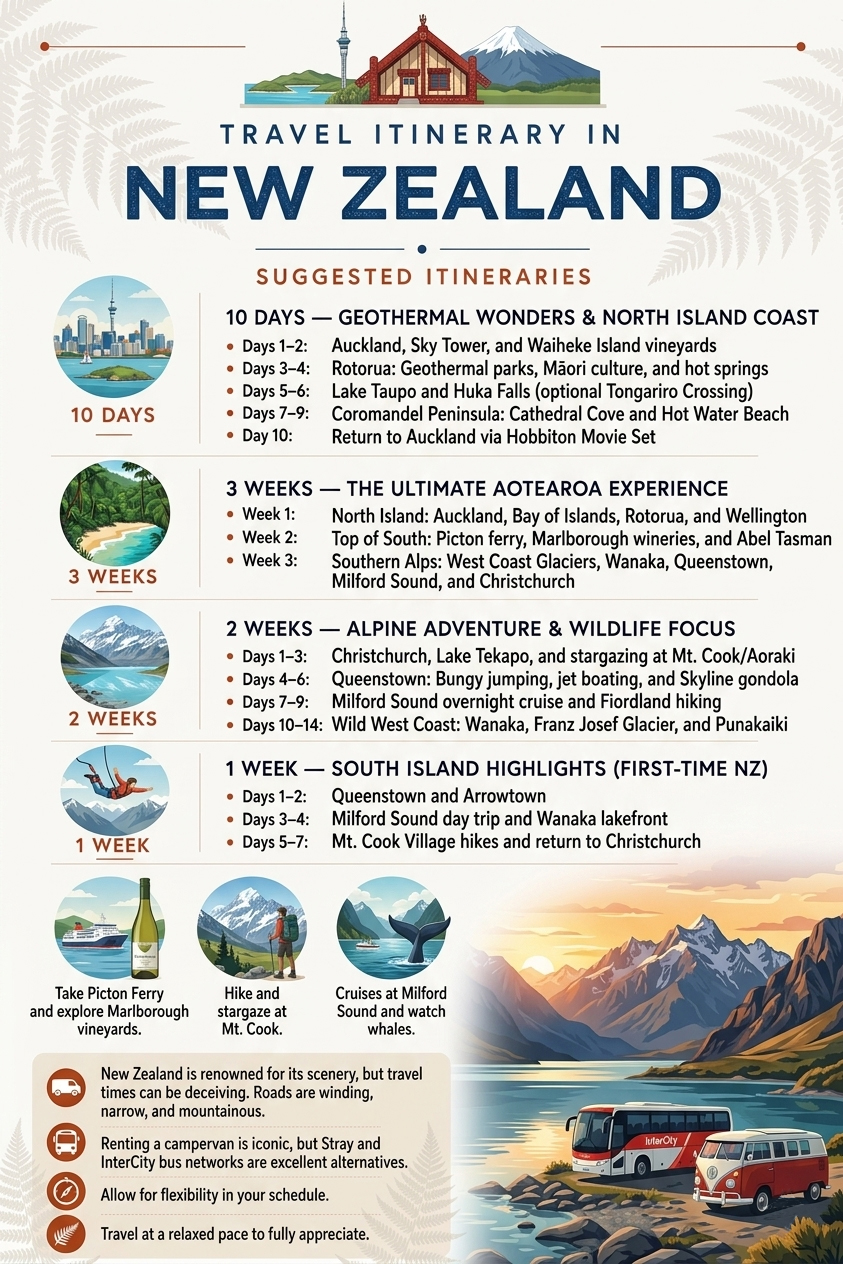
New Zealand is a self-drive country — there is no other sensible way to see it. A rental car or campervan gives you the freedom to be at the right viewpoint at the right light, which is the whole point of a photography trip here. The distances are significant: allow at least two weeks for a meaningful South Island circuit, and add the North Island for a third week. Don't try to do everything — the country rewards depth over breadth.
| 🗓️ | Recommended stay | 14 – 21 days |
| 🎒 | Budget / day | €60–90 / $66–99Hostel, self-catering, campervan (split cost) |
| 🥂 | Luxury / day | €200–400 / $220–440Lodge, wine country tours, domestic flights |
| 📅 | Best months | November – April |
| 🌡️ | Climate | 8–25°C · Temperate · South Island coolerWeather changes fast — always layer. "Four seasons in one day" is real here |
| ✈️ | Visa | NZeTA required (€16 / $17) for visa-waiver countries including EU / UK / US |
| 💵 | Currency | NZD · Cards accepted everywhere |
| 🚗 | Getting around | Rental car or campervan essential · Domestic flights for South Island distances |
| 🛡️ | Safety | Low — one of the safest travel destinations in the world |
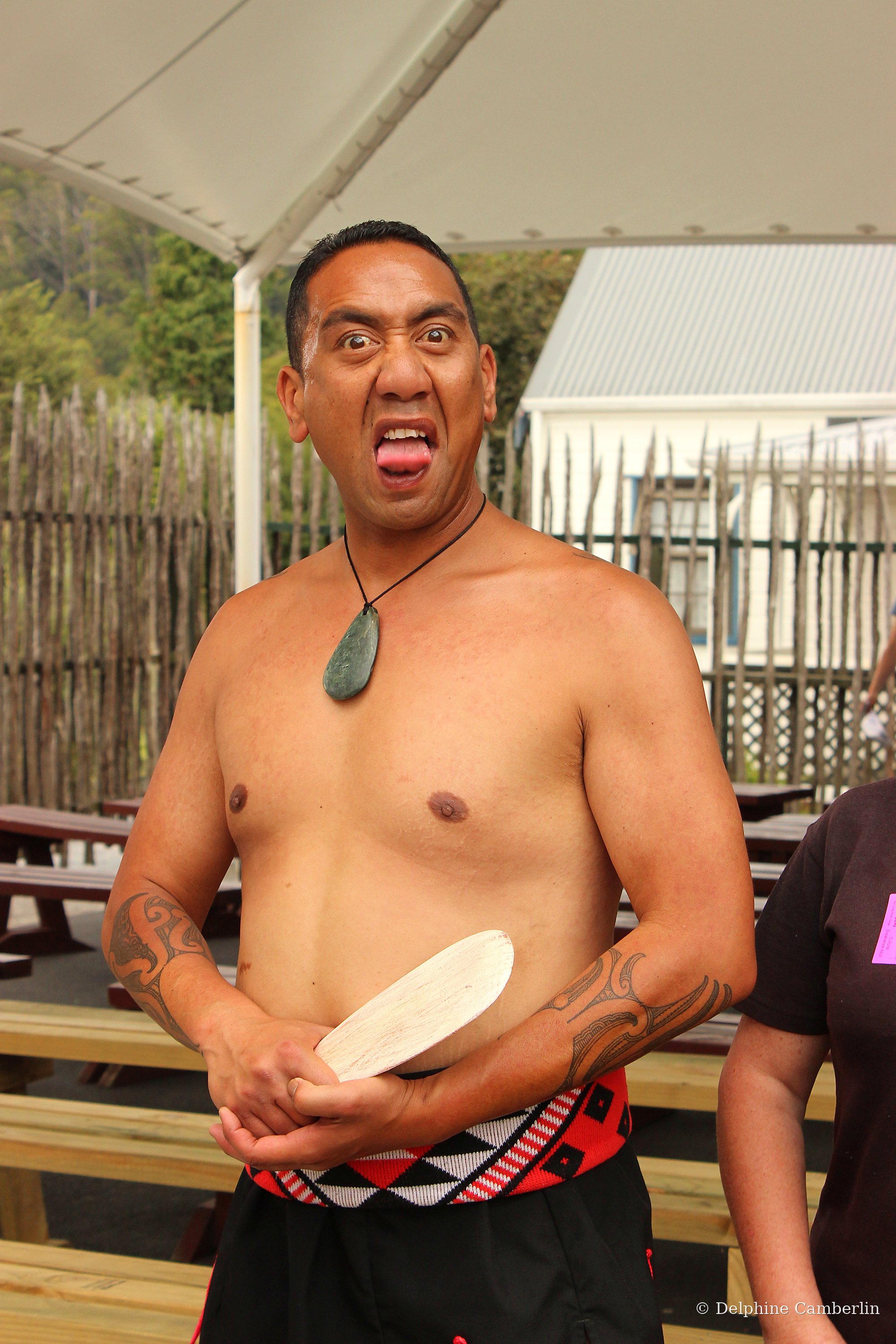
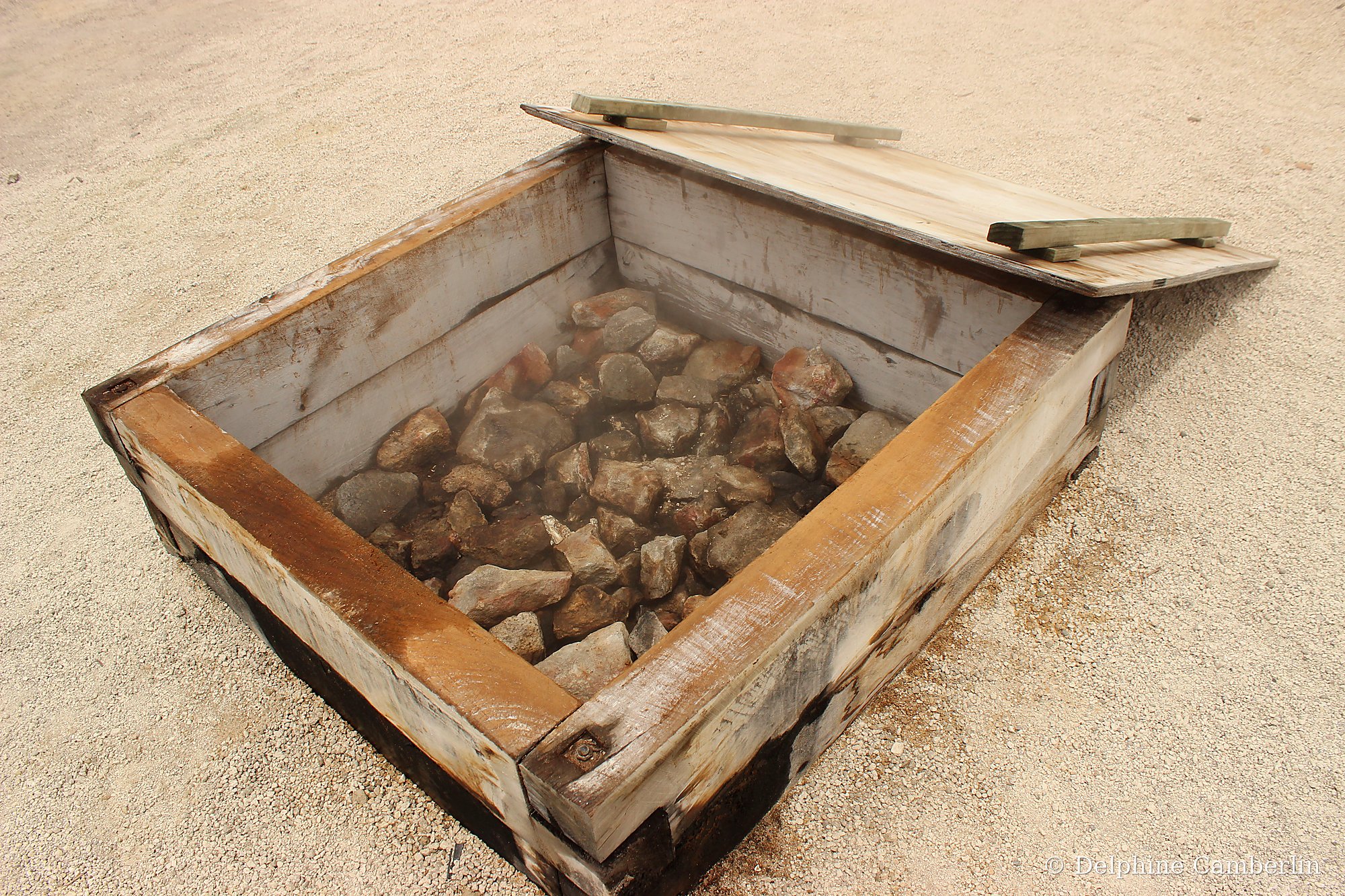
| 🍜 | Must-try food | Hāngī (Māori earth oven feast), pavlova, green-lipped mussels, flat white |
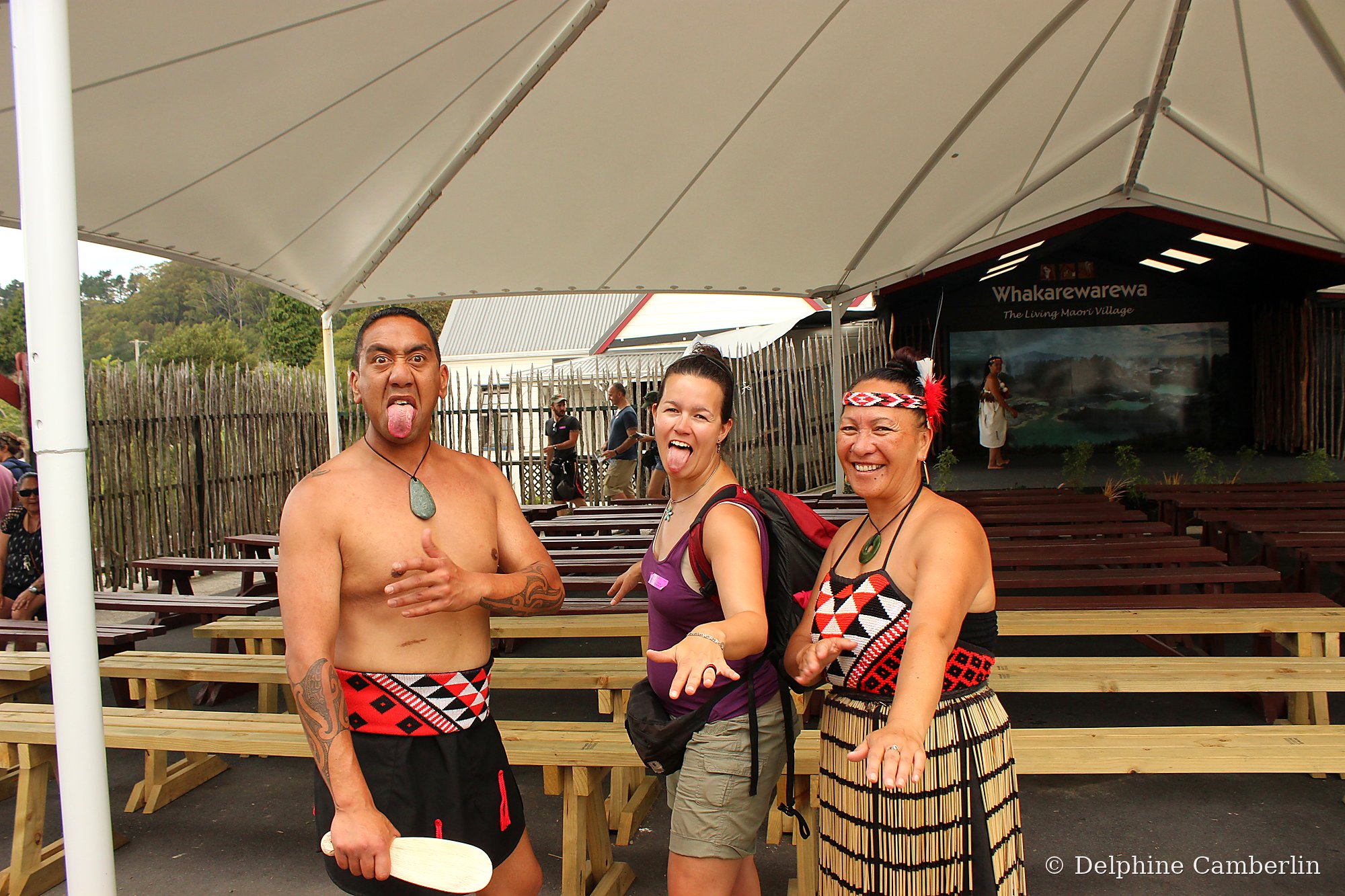
| 💬 | Language | English — no barrier · Māori words are everywhere: "Kia ora" (hello), "Ka pai" (well done) — worth learning a few |
New Zealand is world-renowned for its scenery, but travel times can be deceiving. While the country looks small, the roads are often winding, narrow, and mountainous. Renting a campervan is the most iconic way to see the country, offering maximum flexibility, though "Stray" or "InterCity" bus networks are excellent alternatives for those who prefer not to drive.
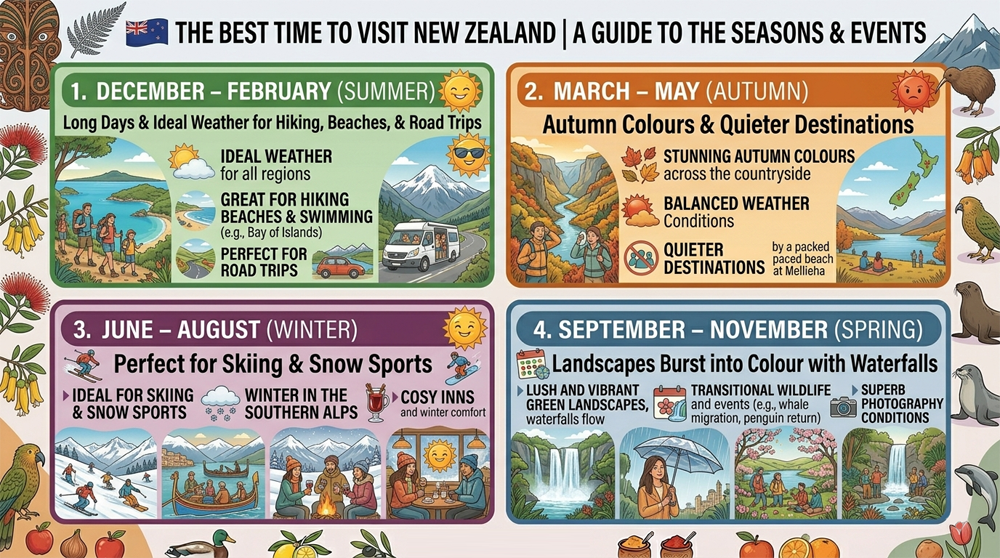
Summer season with long days and ideal weather for hiking, beaches, and road trips.
Autumn colours and quieter destinations make this a beautiful time to explore.
Winter in the Southern Alps — perfect for skiing and snow sports.
Spring landscapes burst into colour with waterfalls and blooming countryside.
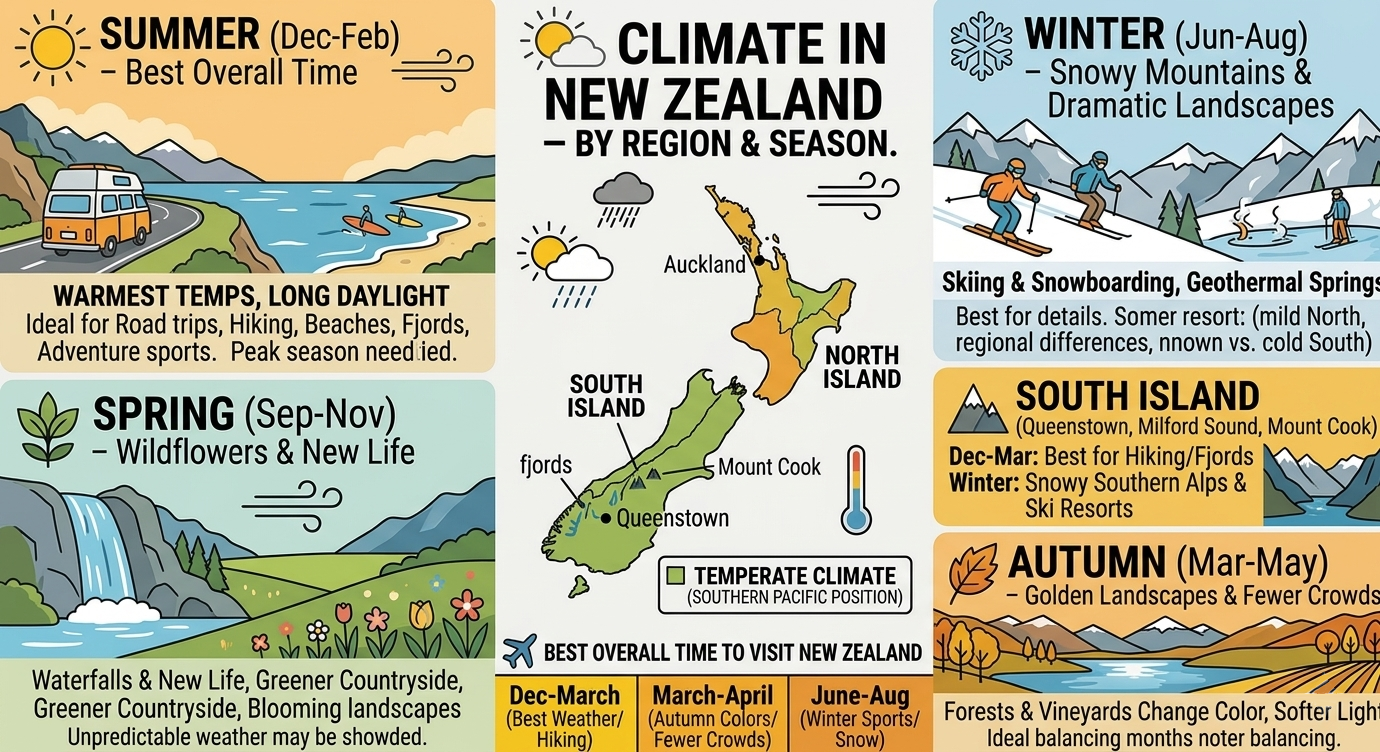
New Zealand has a temperate climate with strong regional variations shaped by mountains, coastlines, and the country's position deep in the South Pacific. Weather conditions can change rapidly, especially in alpine regions, and the seasons are reversed compared to Europe and North America. From subtropical beaches in the far north to snow-covered mountains in the South Island, New Zealand offers year-round travel opportunities depending on the style of trip you are planning.
Best Overall Time to Visit
Summer brings the warmest temperatures, long daylight hours, and the most reliable conditions for outdoor travel across both islands.
This is also peak tourist season, particularly around Christmas and January.
Golden Landscapes & Fewer Crowds
Autumn is one of the most beautiful seasons in New Zealand, especially around the lakes and mountain regions of the South Island.
March and April are often considered ideal months for balancing weather and crowd levels.
Snowy Mountains & Dramatic Landscapes
Winter transforms New Zealand's alpine regions into major skiing and snowboarding destinations.
The North Island remains relatively mild compared to the colder South Island mountain regions.
Wildflowers, Waterfalls & New Life
Spring brings blooming landscapes, melting snow, and powerful waterfalls fed by alpine runoff.
Weather can remain unpredictable, particularly in mountain areas.
Skip the SIM hunt on arrival. A travel eSIM lets you activate local data before you board — no plastic card, no roaming fees, instant setup. Roamic covers this destination and most countries in the Galerie.
Get Your Travel eSIM →🎟️ GetYourGuide: "A Milford Sound overnight cruise, a Tongariro Alpine Crossing guided day walk, and a Waitomo glowworm cave tour are three experiences I'd book before leaving home."
Stock Photography
Browse and license the full Fiji - Underwater seabed photography collection — available for commercial and editorial use on Shutterstock.
View on Shutterstock →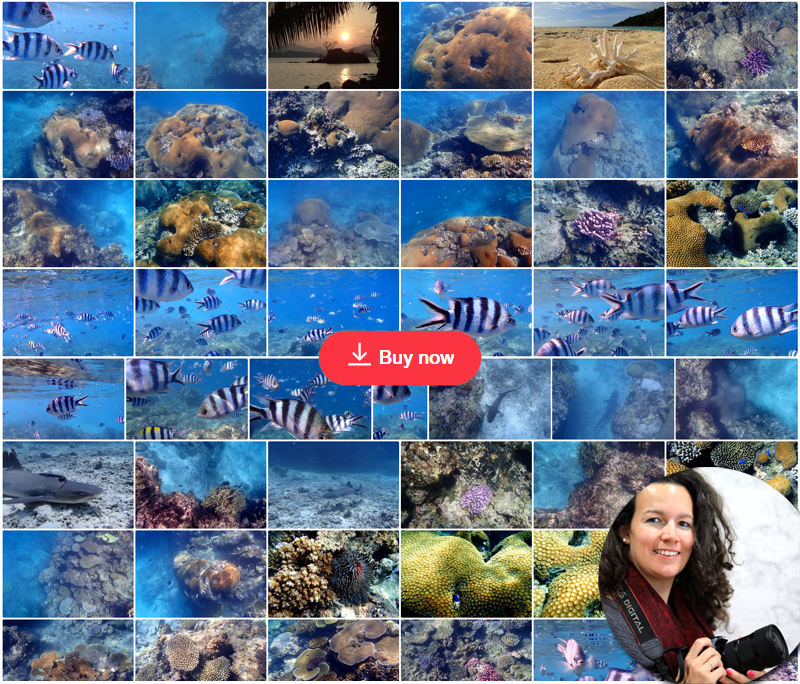
Stock Photography
Browse and license the full Asia photography collection — available for commercial and editorial use on Shutterstock.
View on Shutterstock →