Singapore is the city that shouldn't exist — a tiny island city-state with no natural resources that somehow became one of the world's most prosperous, organised, and visually extraordinary cities. For photographers, it offers a remarkable compression of contrasts: the colonial white facades of the Civic District next to the glass towers of Marina Bay, the vivid street art of Haji Lane next to the incense-thick interiors of Sri Veeramakaliamman Temple in Little India, and the extraordinary futurism of Gardens by the Bay's Supertrees against the tropical night sky. Singapore rewards the photographer who looks beyond the obvious.
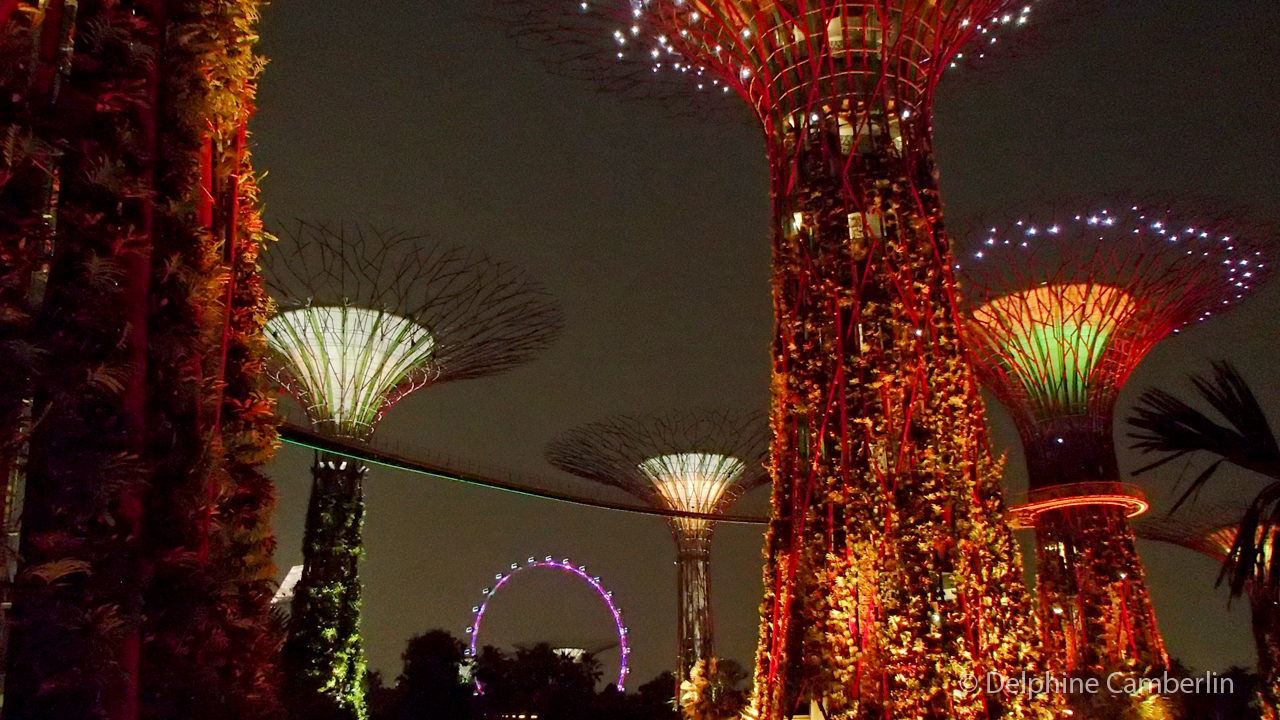
● Gardens by the Bay at night — the Supertrees illuminated against the night sky are one of the most distinctive architectural photography subjects in Asia. The light show runs at 7:45pm and 8:45pm; arrive early to get position on the OCBC Skyway walkway above for the elevated perspective.
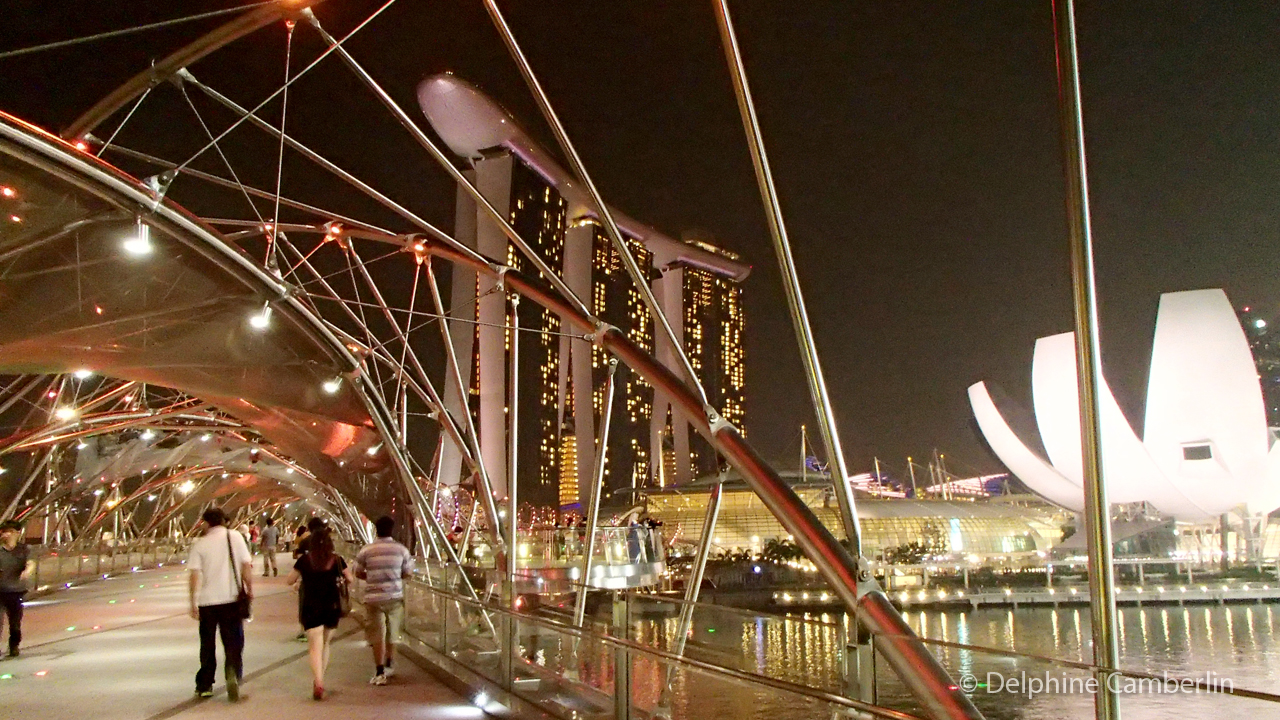
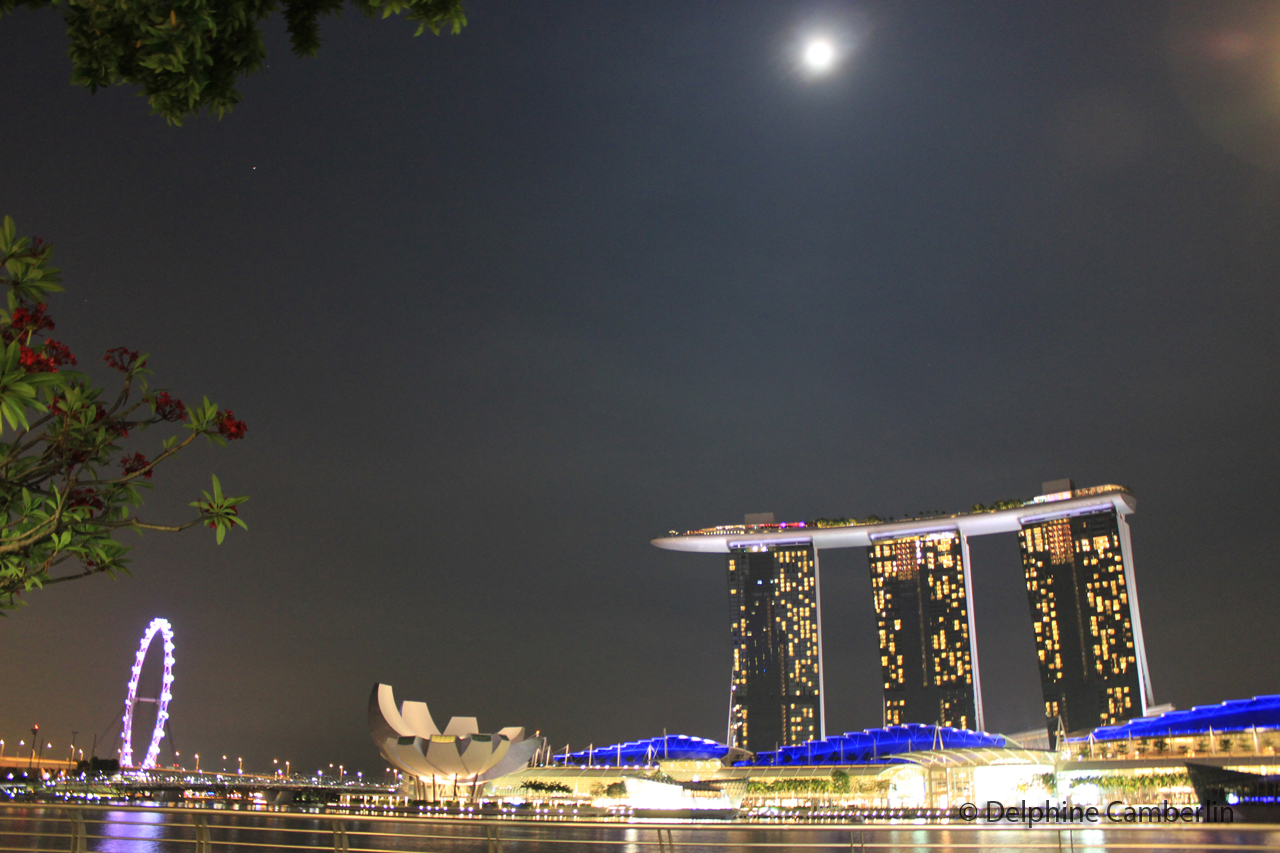
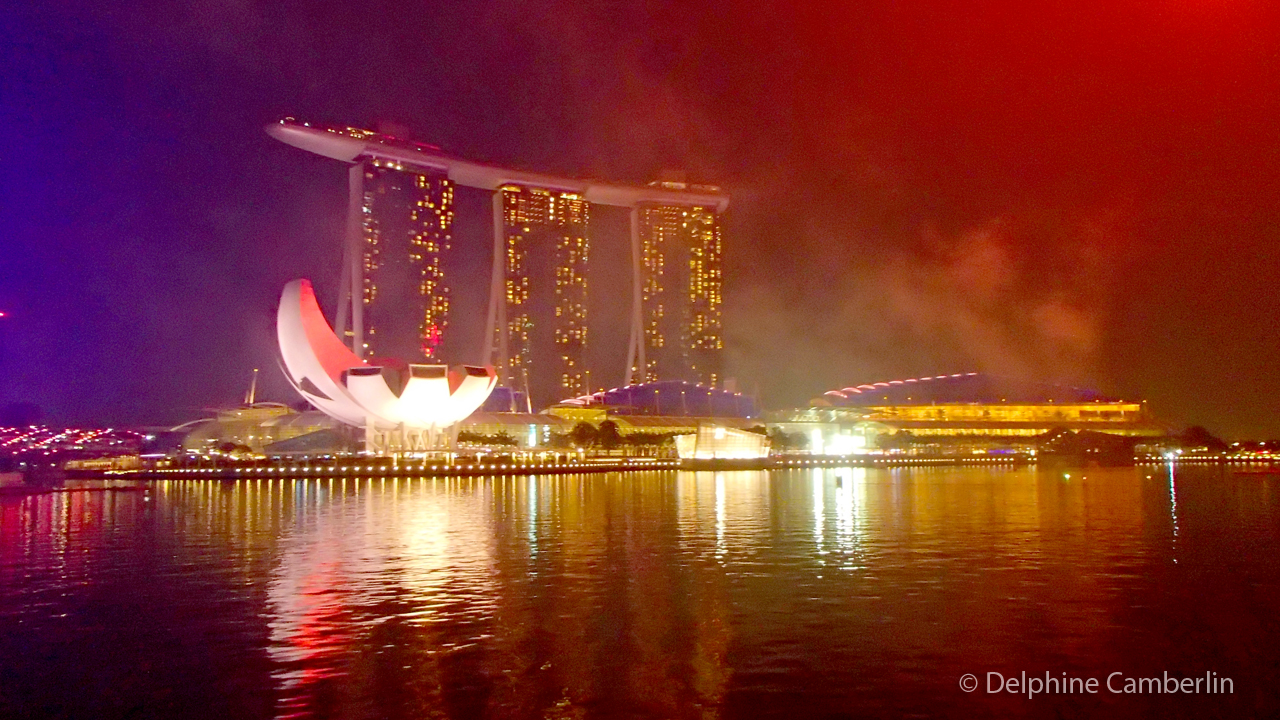
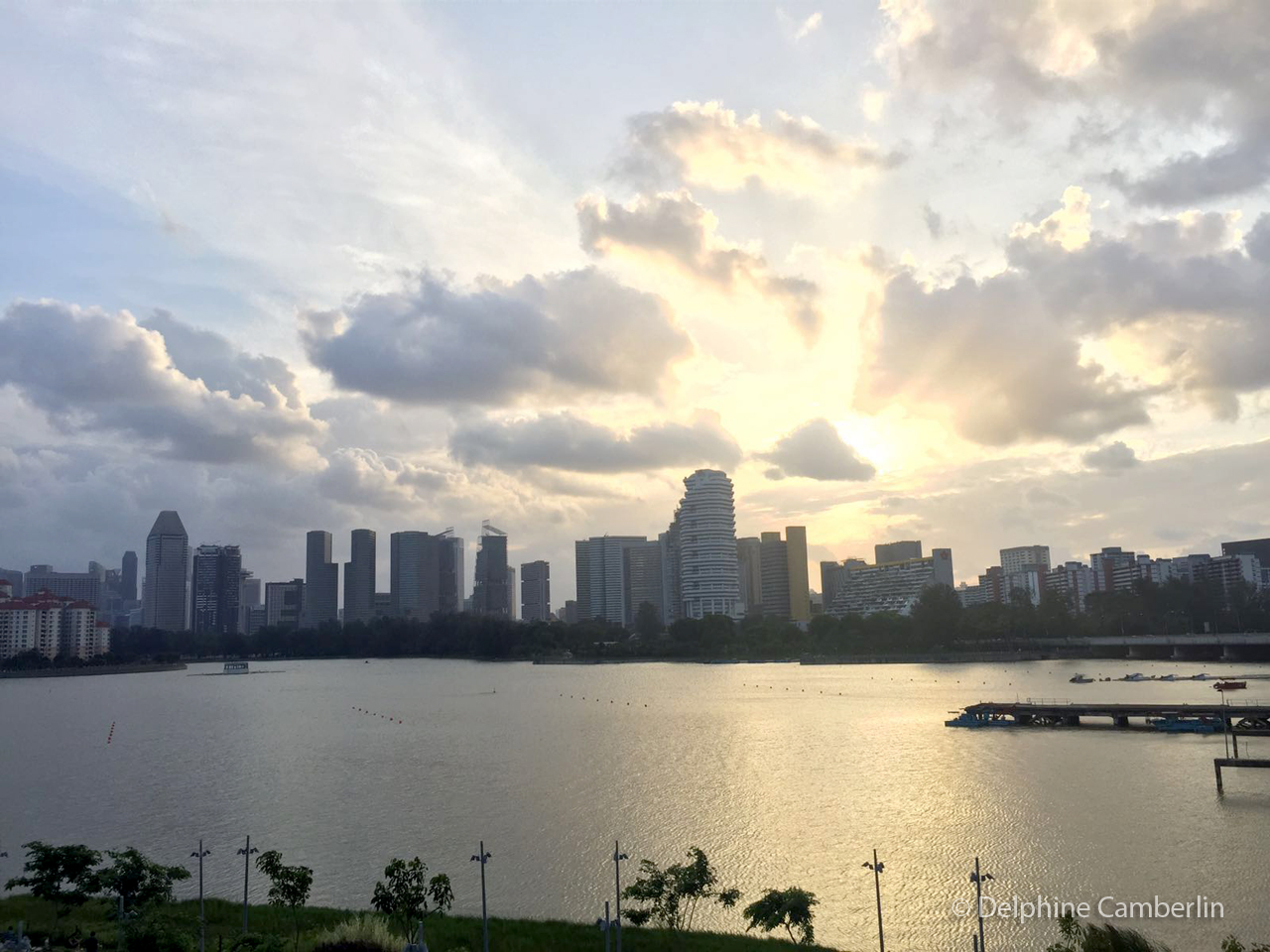
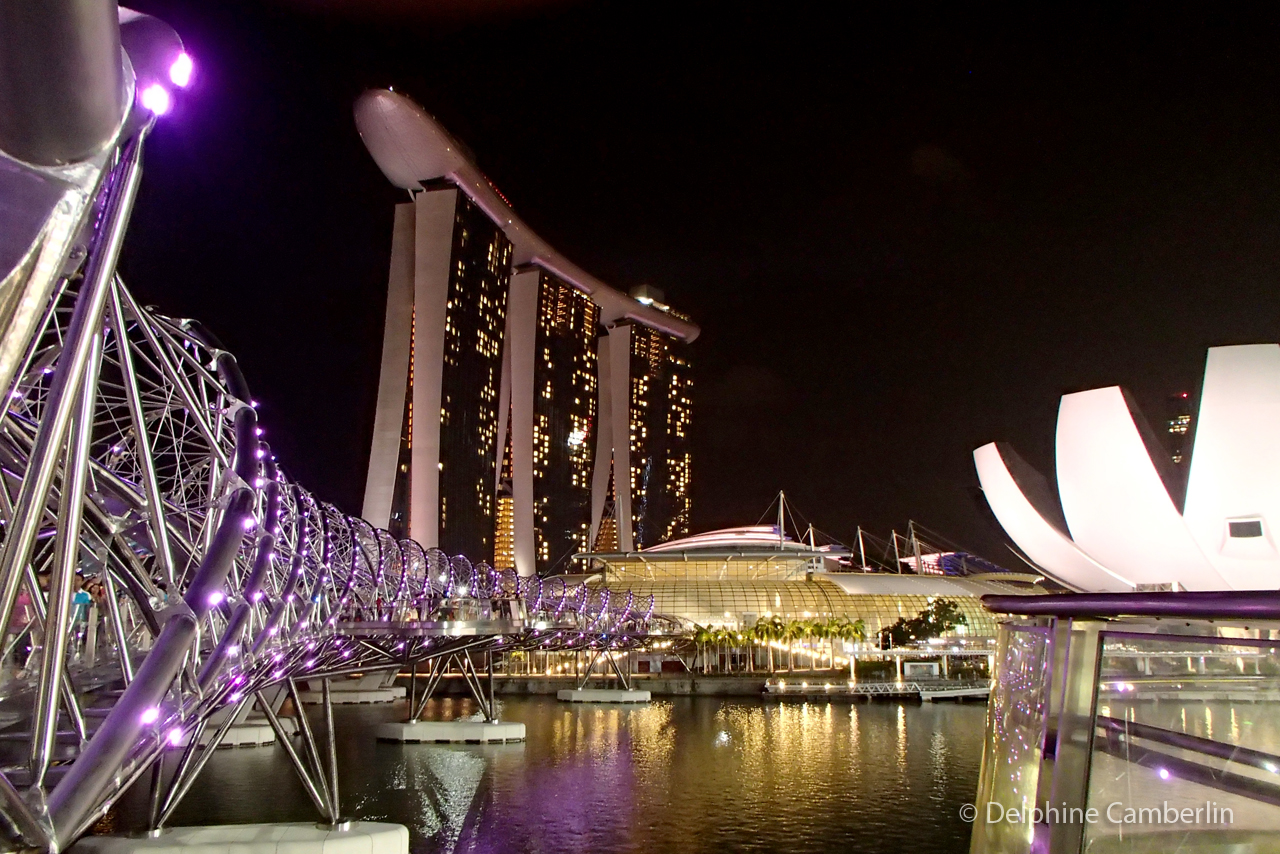
● Marina Bay at blue hour — the window between sunset and full dark, when the sky turns a deep blue and the city lights begin to reflect in the water, is the ideal time to photograph the Marina Bay Sands and the surrounding skyline. The Helix Bridge offers a particularly strong foreground element for wide compositions.
● Pulau Ubin island — a 10-minute bumboat ride from Changi Point takes you to a world that looks like rural Malaysia from 30 years ago: kampung houses, wild boar in the undergrowth, and the Chek Jawa wetlands. It's the most unexpected thing I found in Singapore and photographically completely different from the city.
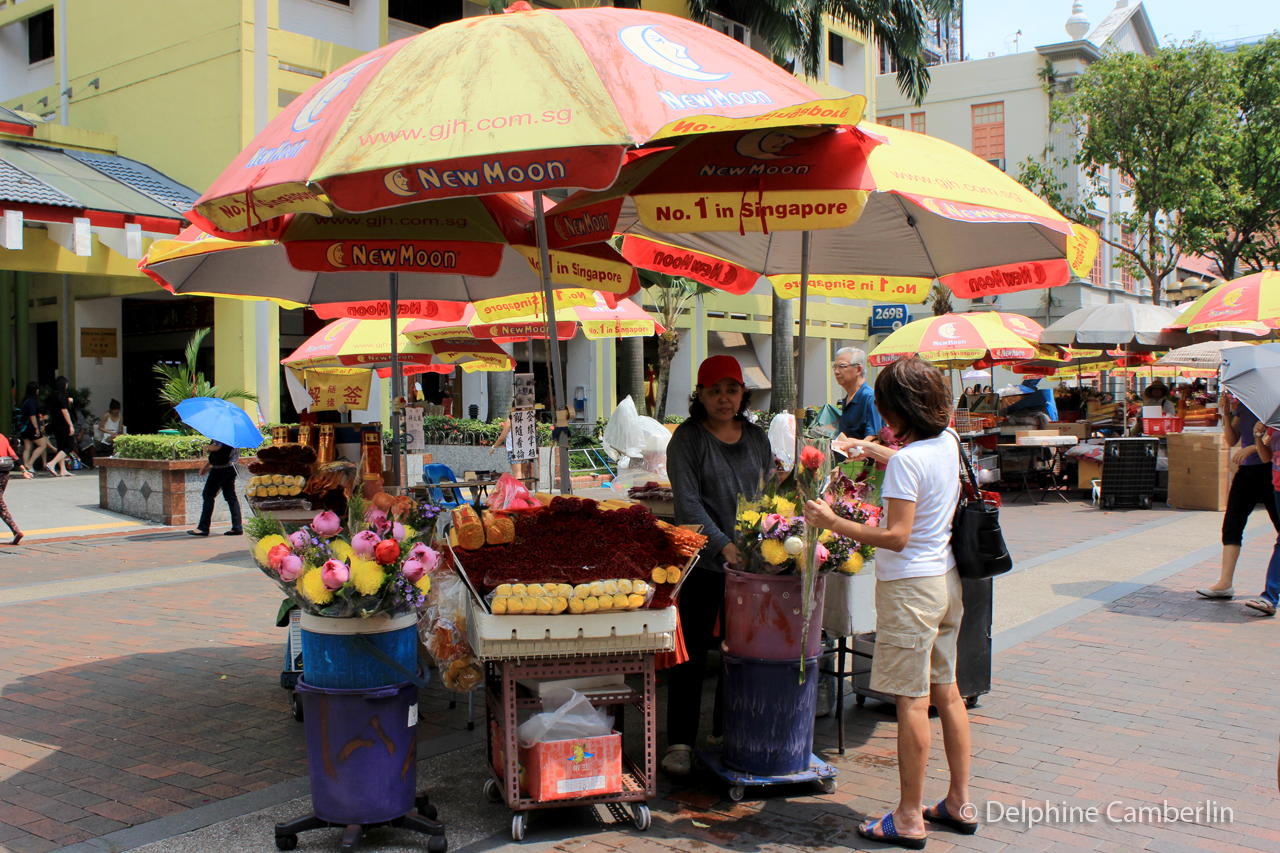
● Hawker centres and Little India — Singapore's hawker culture is a visual feast: the colours and steam of dozens of open-kitchen stalls, the concentrated energy of a lunchtime food hall, and the extraordinary decoration of the Tekka Centre in Little India all offer documentary photography richness.
Singapore is expensive by Southeast Asian standards but excellent value compared to equivalent Western cities — particularly when it comes to food, where hawker centre meals cost less than €3 and are genuinely world-class. Its position as Asia's major airline hub makes it an efficient stopover destination, and the city is compact enough that three to six days covers the major highlights without feeling rushed.
| 🗓️ | Recommended stay | 3 – 6 days |
| 🎒 | Budget / day | €55–80 / $60–88Hostel, hawker centre meals ($3–5), MRT |
| 🥂 | Luxury / day | €200–500 / $220–550Marina Bay Sands or equivalent, cocktail bars, fine dining |
| 📅 | Best months | February – April · July – September |
| 🌡️ | Climate | 25–33°C · Hot and humid year-roundShort heavy rain showers are common — carry a small umbrella |
| ✈️ | Visa | Visa-free for most nationalities up to 30–90 days on arrival |
| 💵 | Currency | SGD · Cards and PayNow everywhere · Hawker centres now mostly cashless |
| 🚇 | Getting around | MRT subway is world-class · EZ-Link card for all transit · Grab app for taxis |
| 🛡️ | Safety | Very low — one of the safest cities in the world |
| 🍜 | Must-try food | Chicken rice, char kway teow, laksa, chilli crab, kaya toast with soft-boiled eggs |
| 💬 | Language | English is official — completely seamless · Pick up a bit of Singlish: "lah", "can?", "shiok!" |
Singapore's great strength as a travel destination lies in how much cultural distance you can cover on foot in a single afternoon. Three of its most extraordinary neighbourhoods sit within a kilometre of each other, each feeling like a different country — a compressed version of the multicultural immigration history that built this city-state from a colonial trading post to one of the wealthiest nations on Earth.
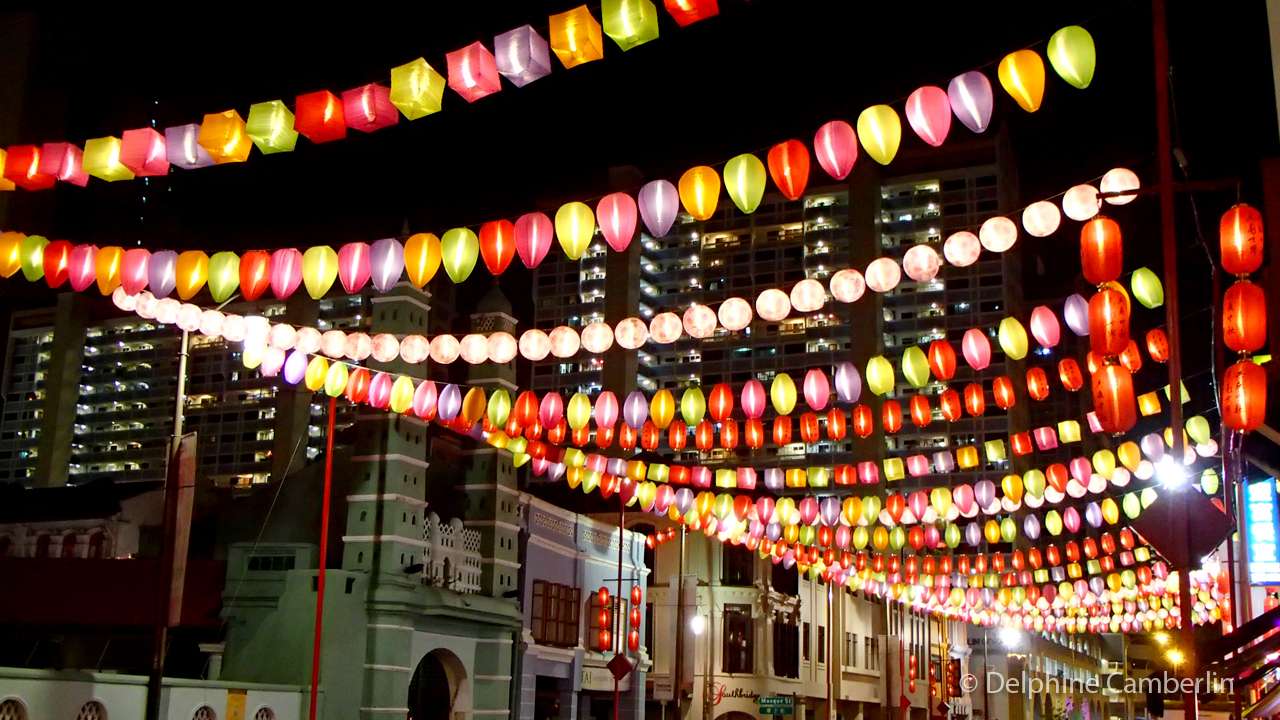
Singapore's Chinese quarter is one of the most visually layered parts of the city: five-foot-way shophouses in terracotta and yellow, red lanterns strung between buildings, the extraordinary Buddha Tooth Relic Temple (housing what is believed to be the left canine tooth of the Buddha, in an ornate gold and rosewood structure), and the Sri Mariamman Hindu Temple — the oldest in Singapore, built in 1827, its gopura tower crowded with technicolour deities.
The Chinatown Complex Food Centre is the largest hawker centre in Singapore — hundreds of stalls under one roof, including Michelin-starred stalls selling plates for under S$5. At night the street market on Pagoda Street comes alive with lanterns, and rooftop bars offer views across to the CBD towers.
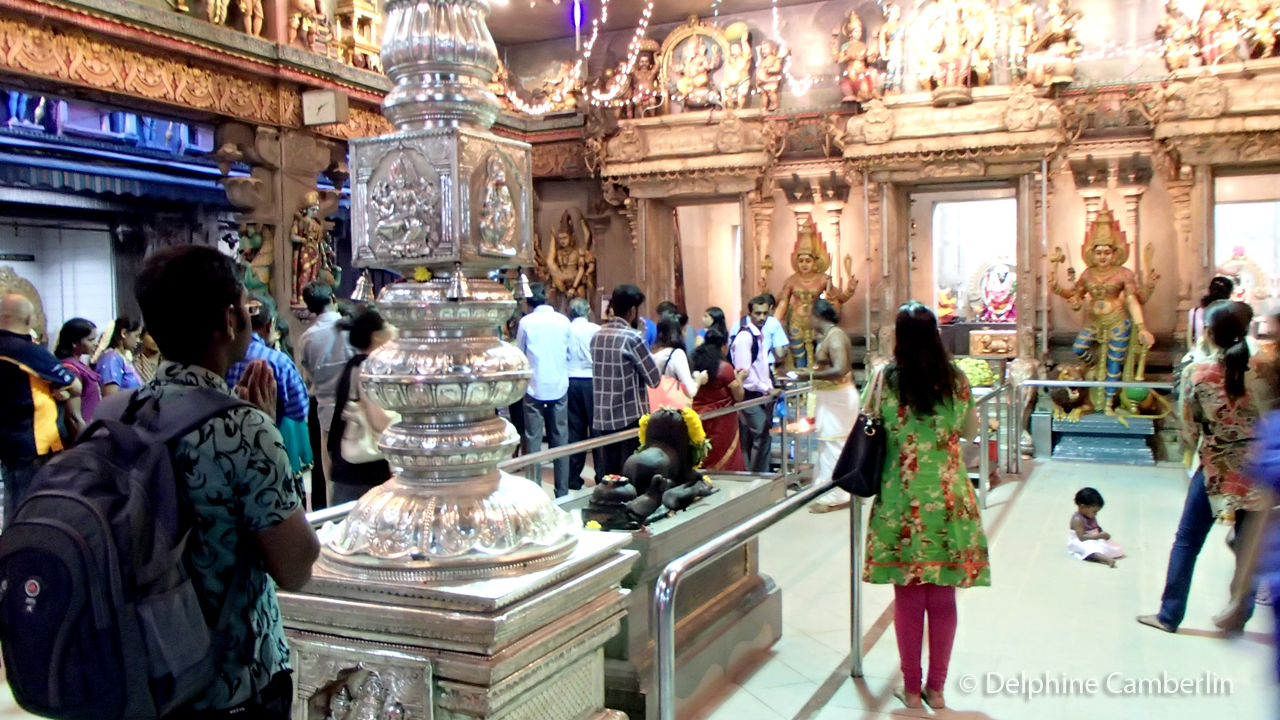
The most intense sensory experience in Singapore: the smell of jasmine and marigold outside flower shops, Tamil film music from electronics stalls, the heat and colour of the Sri Veeramakaliamman Temple (dedicated to the goddess Kali, its exterior covered in hundreds of painted deities), and the extraordinary Tekka Centre, where South Indian breakfasts of roti prata, idli sambar, and biryani are served from 6am.
The Mustafa Centre — a 24-hour department store of extraordinary breadth — sells everything from gold jewellery to Kinder Bueno at 3am. Little India is at its most vivid on Sunday afternoons and during Deepavali (October/November), when Serangoon Road is strung with lights and the smell of sweets drifts from every doorway.
The Malay and Muslim quarter, built around the Sultan Mosque (1932, its golden dome one of the most recognisable landmarks in Singapore), the Malay Heritage Centre, and the extraordinary street life of Arab Street and Bussorah Street — Persian carpet shops, incense merchants, batik fabric stalls, and excellent Middle Eastern restaurants in Ottoman-arched shophouses.
Haji Lane — the narrow pedestrian alley behind Arab Street — is the street art capital of Singapore: every wall painted, every doorway a composition, cafés and vintage boutiques spilling onto a lane barely wide enough for two people. In the evening the Sultan Mosque forecourt is lit up and the neighbourhood fills with a different light and energy.
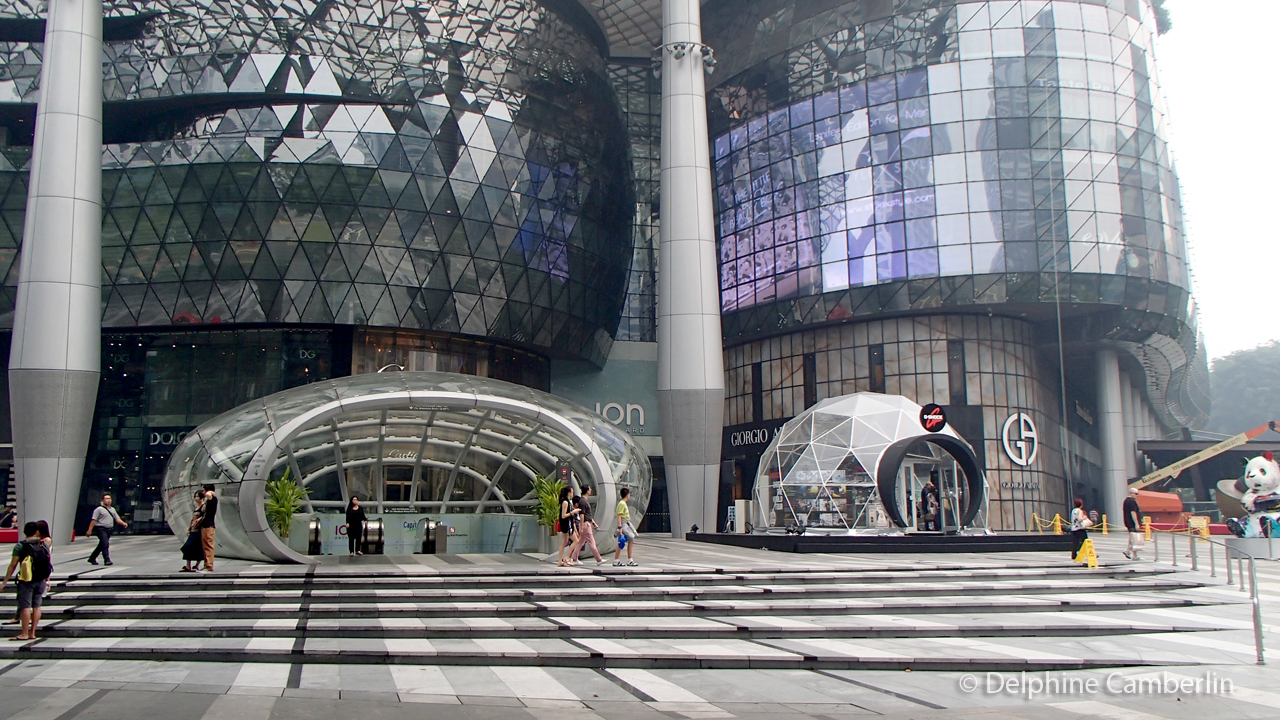
Singapore's most characterful residential neighbourhood. The pre-war art deco public housing blocks — rounded corners, curved stairwells, deep verandahs — were built in the 1930s and are the oldest in Singapore. Vogue named Tiong Bahru one of the world's coolest neighbourhoods, bringing independent bookshops, excellent cafés, and artisan bakeries to its ground-floor units.
The hawker centre at the heart of the neighbourhood — Tiong Bahru Market — is a local institution for breakfast: chwee kueh, lor mee, and the finest bao (steamed buns) in Singapore. Best walked on a weekday morning before the Instagram crowd arrives.
The white neoclassical buildings of Singapore's colonial past cluster around the Padang and the Singapore River: the National Museum, Asian Civilisations Museum (one of the finest collections of pan-Asian artefacts in the world), the old Parliament House, the Victoria Concert Hall and Theatre, and Raffles Hotel — its Long Bar still serving Singapore Slings in the room where Rudyard Kipling, Somerset Maugham, and Charlie Chaplin once drank.
The contrast between these colonial institutions and the glass towers of the financial district rising immediately behind them is quintessentially Singaporean.
Marina Bay is the most audacious piece of urban design in Southeast Asia — an entirely reclaimed bay turned into a showcase of architectural ambition that reads, at blue hour on a clear evening, as one of the most extraordinary city views in the world. The Marina Bay Sands hotel (three 55-storey towers connected by a cantilevered SkyPark infinity pool at the top, extending 67 metres beyond the building's edge) is the centrepiece, but the surrounding elements create something that functions as a city district in its own right.
Gardens by the Bay — the Supertrees are 25–50 metre vertical gardens made of steel frameworks covered in tropical climbing plants and ferns, lit each evening in shifting colours, connected at the top by the OCBC Skyway walkway. The nightly Garden Rhapsody light-and-music show (7:45pm and 8:45pm) turns them into a cathedral of light. The two climate-controlled domes — the Flower Dome (the world's largest glass greenhouse, maintained at 23–25°C) and the Cloud Forest (a 30-metre mountain waterfall inside a tropical mist biome) — contain botanical collections of extraordinary breadth.
Marina Bay Sands SkyPark — the non-resident observation deck (level 57) gives a 360-degree view across the city, the strait to Indonesia, and on clear days to the mountains of Malaysia. Photograph from here at golden hour. The Spectra light and water show (Fridays and Saturdays at 9pm) is free from the promenade and extraordinary from above.
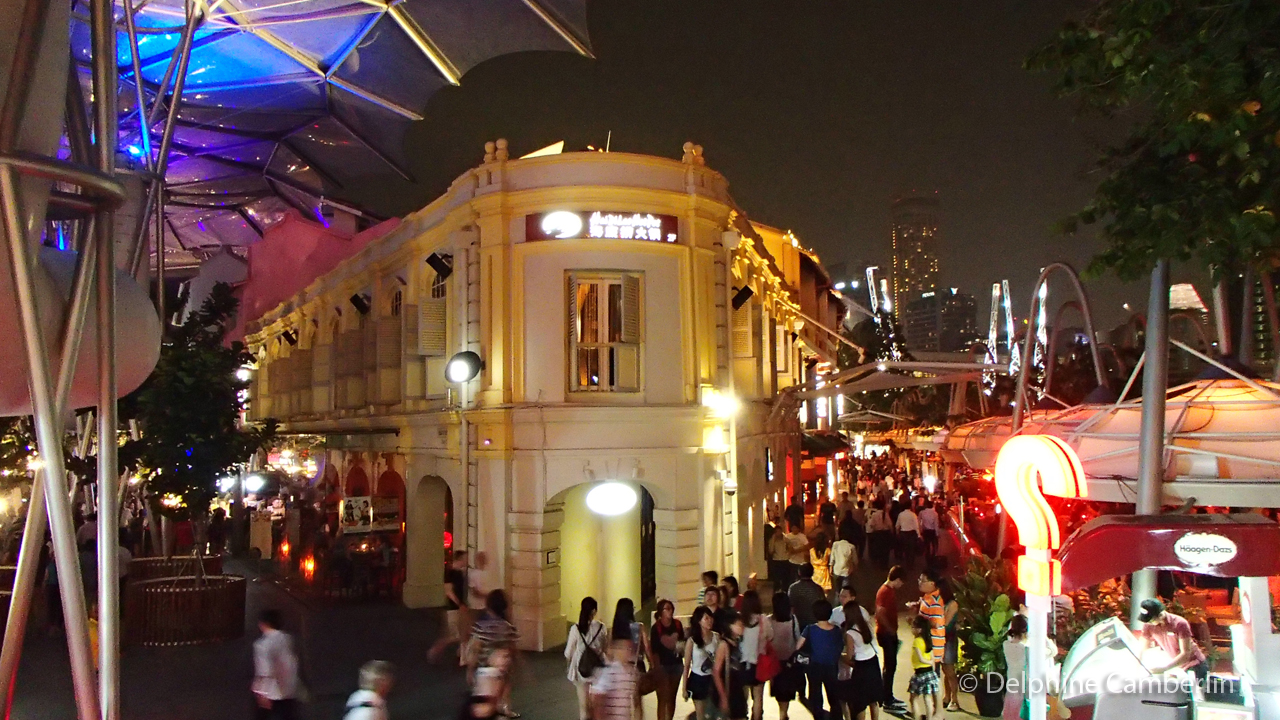
Clarke Quay & the Singapore River — the riverside entertainment district: converted 19th-century godowns now housing bars, restaurants, and clubs. The bumboats that once carried cargo now offer river cruises past the colonial civic district and out to Marina Bay — one of the best orientation experiences for first-time visitors.
Sentosa Island — Singapore's resort island: Universal Studios, S.E.A. Aquarium, casino, beaches, and luxury hotels. Sentosa's beaches (Siloso, Palawan, Tanjong) are genuinely pleasant — white sand, warm water, and the surreal backdrop of container ships queuing in the strait.
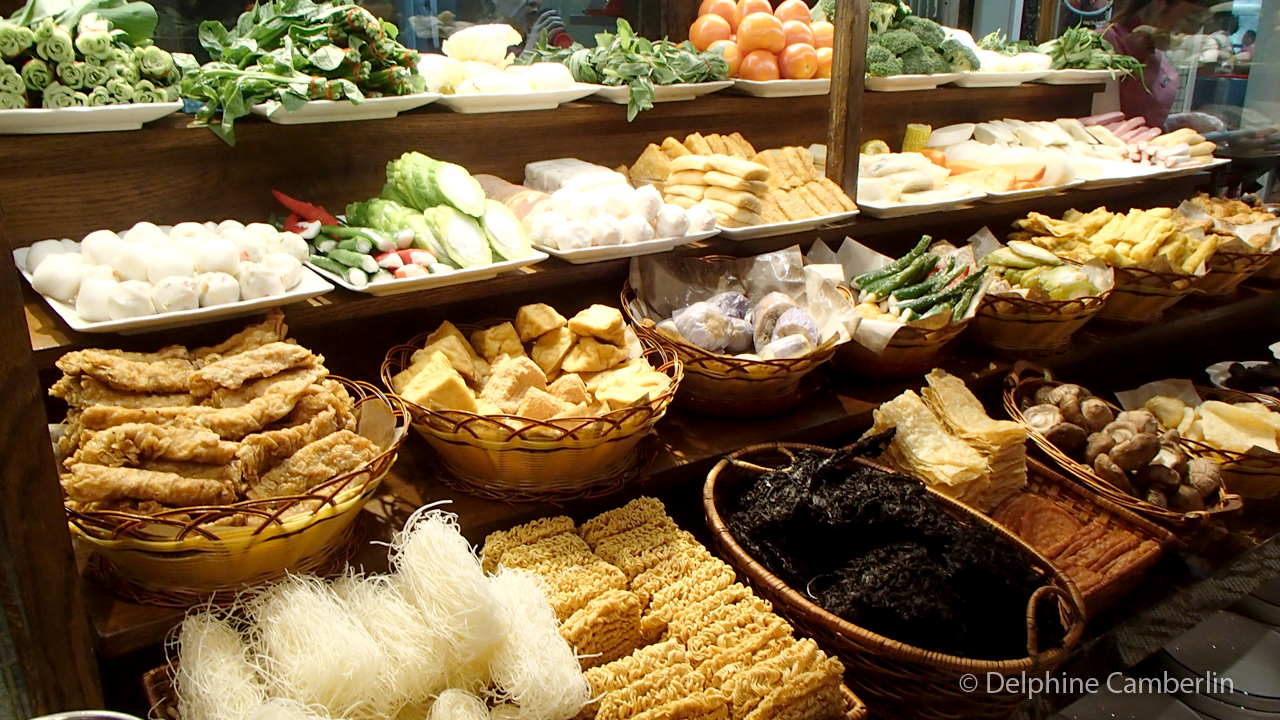
In 2020, Singapore's hawker culture was inscribed on the UNESCO Intangible Cultural Heritage list — the first food culture in Singapore to receive this recognition. The inscription acknowledged not just the food itself but the entire social ecosystem: open-air food halls where a CEO and a construction worker queue at the same stall, where three or four distinct culinary traditions coexist under one roof, where recipes have been refined over three and four generations, and where a plate of extraordinary food costs less than a coffee in most Western cities. Singapore's hawker centres are, genuinely and without hyperbole, the best place in the world to eat cheaply.
The system evolved from the licensed street hawkers of colonial Singapore — itinerant food sellers who were progressively organised into permanent, covered centres from the 1970s onward. Today there are over 100 hawker centres across the city, each with dozens of individually licensed stalls. Each hawker typically specialises in one or two dishes, perfected over years or decades. The result is a concentration of culinary expertise under one roof that no restaurant can match.
What to eat — the essential dishes
Hainanese chicken rice — Singapore's unofficial national dish, and the benchmark by which the city's food culture is judged. Poached or roasted chicken served over fragrant rice cooked in chicken stock with pandan leaf, alongside chilli sauce, dark soy, and fresh ginger paste. The chicken should be silky and barely-cooked; the rice should be the most flavourful rice you have ever eaten. Tian Tian at Maxwell Food Centre is the most famous stall; the queue is real and worth it. Order both the poached (white) and roasted chicken on the same plate.
Laksa — a rich, deeply spiced coconut milk noodle soup of Peranakan origin, with thick rice vermicelli, prawns, fish cake, tofu puffs, and cockles in a broth that takes hours to develop. Katong laksa (from the Katong district) is a specific variant, thicker and with shorter noodles, eaten with a spoon rather than chopsticks. One of the most complex and satisfying bowls you can eat for under S$6.
Char kway teow — flat rice noodles stir-fried at extreme heat in a carbon-seasoned wok with cockles, Chinese sausage, egg, bean sprouts, and dark soy sauce. The "wok hei" — the breath of the wok, the slightly smoky, charred quality that only comes from cooking over very high flames in a seasoned pan — is what distinguishes a great plate from an ordinary one. Find it at Outram Park Fried Kway Teow Mee (Hong Lim Market) or Old Airport Road Food Centre.
Chilli crab — Singapore's most famous dish and the one most associated with the city internationally. Fresh Sri Lankan crab stir-fried in a thick, sweet, spicy, and savory tomato-egg sauce, served with deep-fried mantou buns to mop up the gravy. This is a restaurant dish rather than a hawker centre dish, and it is not cheap — but eating chilli crab at a riverside seafood restaurant (no signage, plastic chairs, fully outdoors) at East Coast Lagoon or Geylang is one of the great Singapore dining experiences.
Kaya toast with soft-boiled eggs — Singapore's definitive breakfast, served at every kopitiam (traditional coffee shop). Two thin slices of toast spread with kaya (a coconut and egg jam of Peranakan origin, flavoured with pandan) and a slab of cold butter, accompanied by two soft-boiled eggs seasoned with soy sauce and white pepper, and a cup of kopi (Singapore-style coffee — robusta beans, roasted with butter and sugar, served thick and sweet with evaporated milk). Ya Kun Kaya Toast is the heritage brand; Toast Box is everywhere; a proper kopitiam is better than both.
Satay — grilled marinated meat skewers (chicken, beef, mutton) over charcoal, served with a thick peanut sauce, compressed rice cakes, and raw onion. Lau Pa Sat's Satay Street — a dedicated row of satay stalls that operates on Friday and Saturday evenings along a closed-off road adjacent to the Victorian cast-iron food hall — is the most atmospheric place to eat it.
Roti prata — the South Indian flatbread tradition (paratha) adapted and perfected in Singapore, cooked on a flat griddle by flipping and stretching the dough, served with fish or chicken curry for dipping. Plain, egg, or cheese — a perfect late-night or early-morning food. Little India's hawker centres have the best versions.
Best hawker centres to visit: Maxwell Food Centre (Chinatown — tourist-friendly, Tian Tian chicken rice), Chinatown Complex (largest, most authentic), Old Airport Road Food Centre (locals' favourite, no tourists), Tiong Bahru Market (best breakfast), Newton Food Centre (famous, slightly pricier, appeared in Crazy Rich Asians), Lau Pa Sat (Victorian building, Satay Street on weekends).
Hawker etiquette — use a tissue packet to "chope" (reserve) a table before queuing; this is a universal and entirely understood practice. Share tables freely — it is expected. Most stalls now accept contactless payment but bring some cash. Queue at the stall, receive your food at the counter, bring it to your table yourself. Clear your own tray when finished.
Singapore's history as an independent nation is extraordinarily compressed. When Lee Kuan Yew declared independence in 1965 — having been expelled from Malaysia — Singapore had no natural resources, no hinterland, no fresh water, and a per capita income lower than Mexico's. By the time of his death in 2015, it had the highest per capita income in Southeast Asia and one of the most efficient governments in the world. The transformation was deliberate, engineered, and controversial — and it produced a city that is unlike anywhere else.
The multicultural framework was built by design rather than accident. Singapore's three main ethnic communities — Chinese (74%), Malay (13%), and Indian (9%), plus a significant Eurasian and expatriate population — were assigned separate but equal status from independence. Public housing blocks were deliberately mixed by ethnicity. Four official languages (English, Mandarin, Malay, Tamil) were established. Festivals of all three traditions became public holidays — Chinese New Year, Hari Raya, Deepavali, and Christmas are all celebrated in the public realm. The result is a multicultural coexistence that functions, even if its management has been top-down and paternalistic.
The rules and the fine culture are real and slightly overstated by the travel industry: chewing gum import is banned (though it can be purchased with a prescription), littering carries heavy fines, graffiti is a caning offence. Singapore is not a police state in any meaningful sense — it is simply a city where the social contract is enforced more strictly than most. The streets are genuinely clean, the MRT genuinely runs on time, and the taxi driver genuinely returns the wallet you left in the back seat. The trade-off between personal liberty and civic order is a live political debate within Singapore itself.
Singlish — the creole language of Singapore, a blend of English with Malay, Hokkien, Cantonese, and Tamil grammar and vocabulary, spoken natively by most Singaporeans in informal settings and fiercely defended as a cultural identity marker despite the government's decades-long campaign against it. The vocabulary is worth learning: "lah" (sentence-final particle expressing familiarity or slight exasperation), "can?" (is that possible/acceptable?), "shiok" (delicious, excellent, satisfying), "kiasu" (fear of losing out, the competitive anxiety underlying much of Singapore's social behaviour), "makan" (eat, from Malay), "blur" (confused or unaware). Speaking even a little Singlish to a hawker stall vendor or taxi driver produces an immediate warmth that formal English does not.
Festivals worth timing a visit around — Chinese New Year (January/February) transforms Chinatown with lanterns, night markets, and dragon dances. Thaipusam (Tamil Hindu festival, January/February) involves a procession of devotees carrying kavadis (elaborate metal frames attached to the body by hooks and skewers) along a 4km route from Little India to Tank Road — one of the most extraordinary public religious observances in the world. Hari Raya Puasa (end of Ramadan, date varies) fills Kampong Glam with bazaars, lights, and communal celebration. Singapore National Day (9 August) brings fireworks over Marina Bay.
The zoo and Night Safari — the Mandai Wildlife Reserve contains four distinct animal parks, of which the Night Safari is the most distinctive. Opened in 1994, it was the world's first nocturnal wildlife park — a tram ride through habitats of lions, leopards, fishing cats, tapirs, and hundreds of other nocturnal species in their active hours, in near-darkness with minimal artificial light. It remains one of the finest wildlife experiences in Southeast Asia. The Singapore Zoo itself uses open-concept habitats with moats rather than bars, and its orangutan free-ranging programme (where the great apes swing above visitor walkways) is extraordinary.
Singapore is far greener than most visitors expect — roughly a third of the city-state is covered by parks, nature reserves, and green corridors, a deliberate policy from Lee Kuan Yew's "Garden City" vision of the 1960s. The result is a tropical city where genuine wilderness sits within 30 minutes of the financial district.
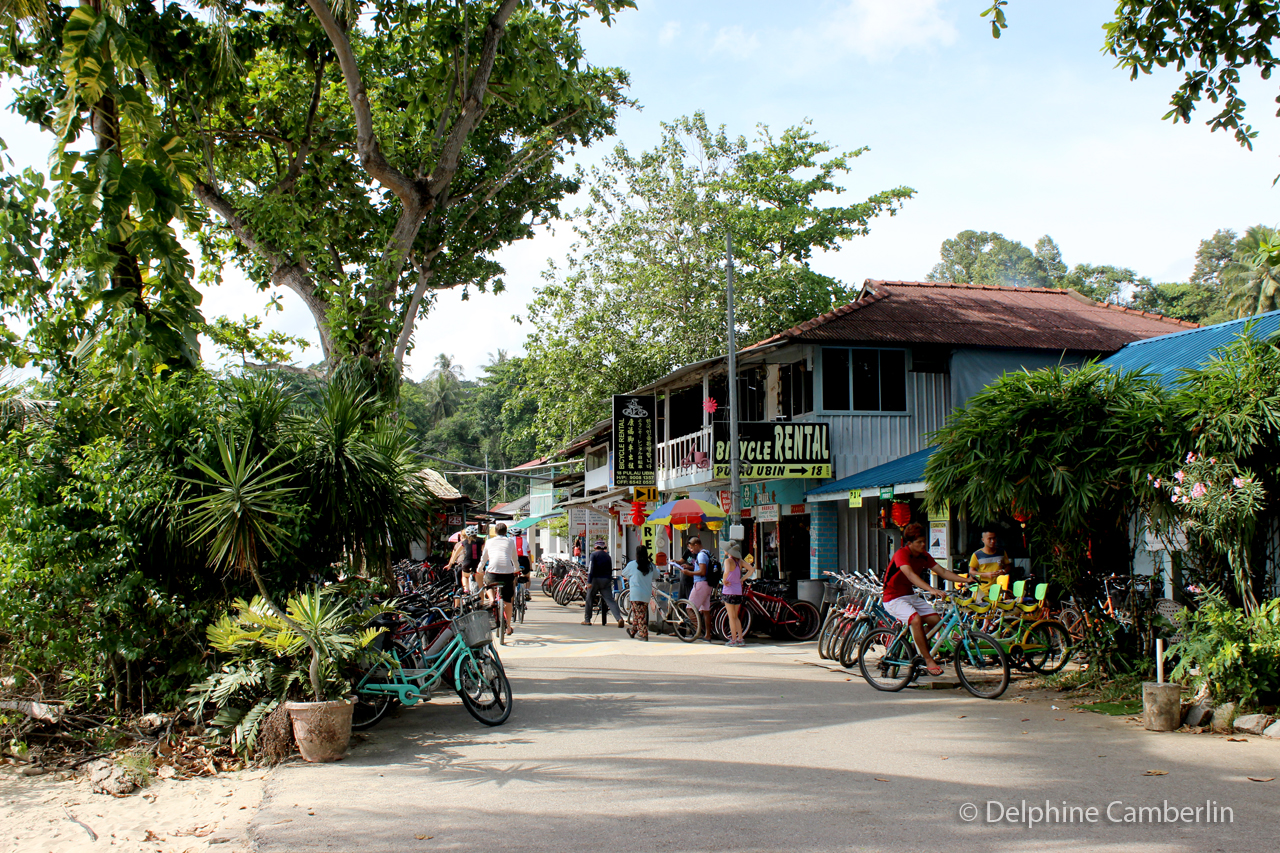
Pulau Ubin island — the most unexpected thing in Singapore, and the one local friends tell you about with the most pride. A 10-minute bumboat ride from Changi Point Ferry Terminal takes you to a world that looks like rural Malaysia from 30 years ago: kampung (village) wooden houses, wild boar rooting through undergrowth, monitor lizards crossing unpaved lanes, and the extraordinary Chek Jawa wetlands — a 100-hectare coastal wetland of mangroves, seagrass lagoons, mudflats, and rocky shore that has survived because the planned development was stopped by citizen campaigners in 2001. The island has no cars. Hire a bicycle at the jetty (S$8/day) and ride the circumference. It is completely unlike anywhere else in Singapore.
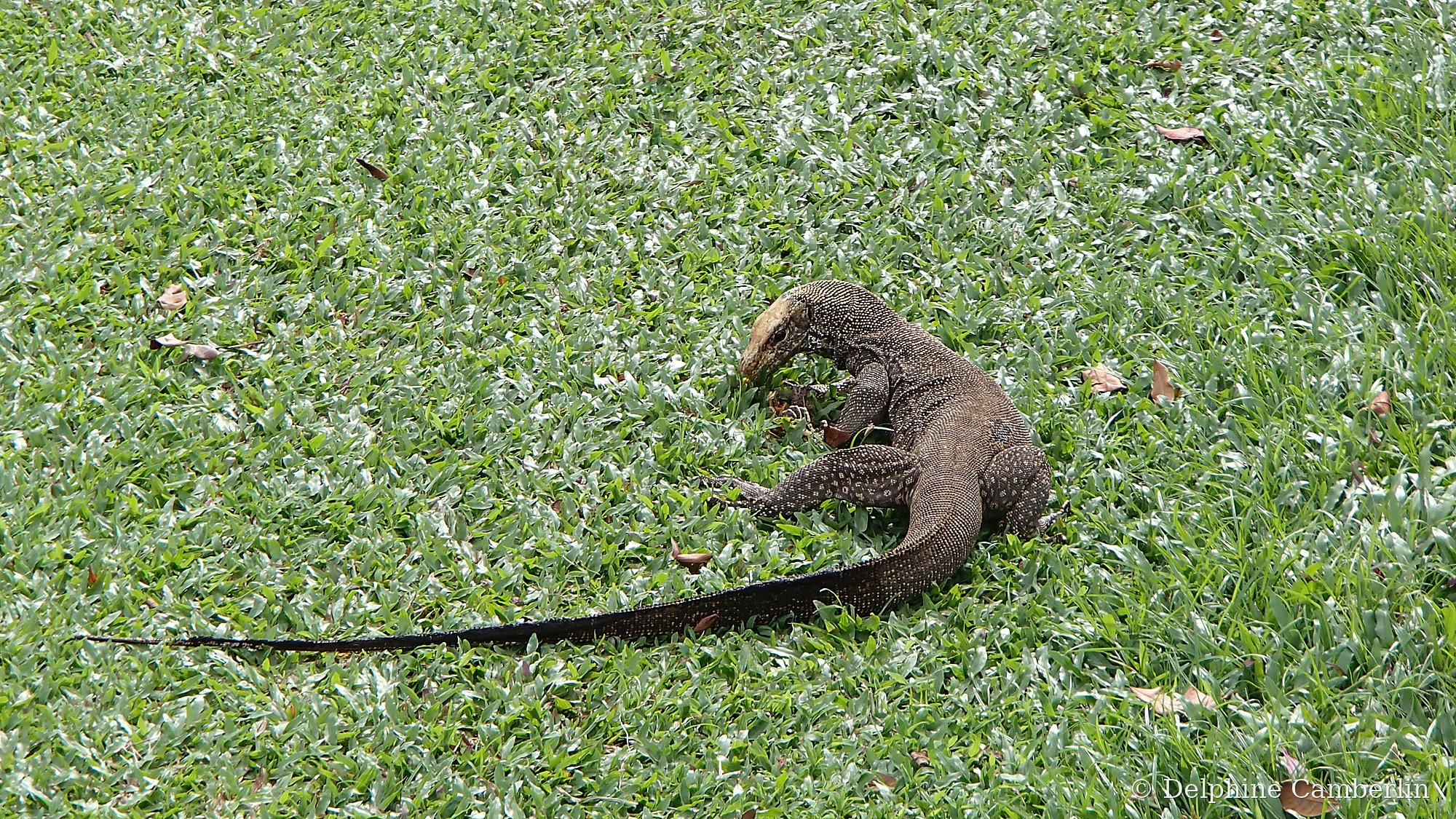
MacRitchie Reservoir and the Treetop Walk — in the Central Nature Reserve, a free suspension bridge 25 metres above the forest canopy, accessible via a 4–5km forest walk. Long-tailed macaques are everywhere and the dawn birdlife is extraordinary. The reservoir loop trail in the early morning — mist still on the water, monitor lizards basking — is the finest urban nature walk in Southeast Asia.
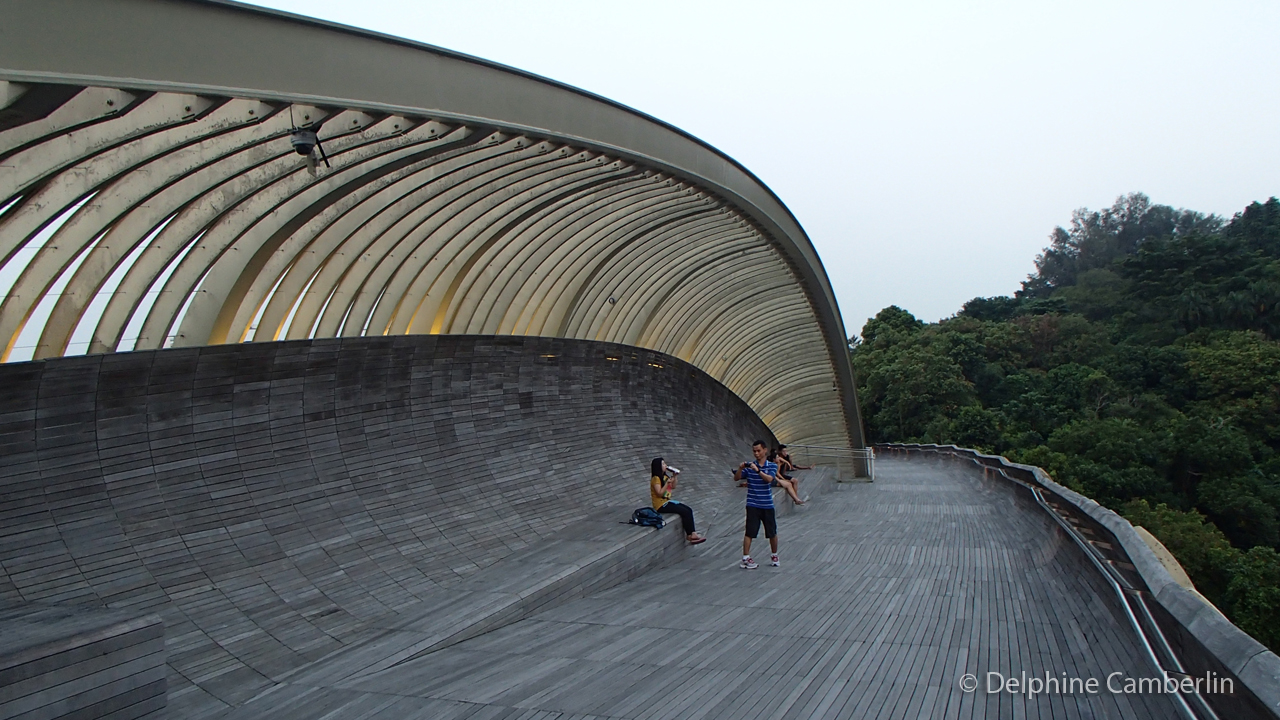
Southern Ridges — a 9km green corridor connecting several parks from Harbour Front to Labrador, crossing the Henderson Waves bridge (a pedestrian bridge with a wave-shaped walkway 36m above the forest floor) and traversing the Forest Walk elevated walkway through secondary rainforest. Free, accessible by MRT from multiple points, and remarkable for a city this dense.
Singapore Botanic Gardens — Southeast Asia's first UNESCO World Heritage Site, 74 hectares of tropical gardens with a National Orchid Garden (over 1,000 species and 2,000 hybrids), free outdoor performances at Symphony Lake, and an ecology garden of native Singapore vegetation. The genuine old-growth trees in the rainforest section — some over 100 years old — are extraordinary. Free entry to the main gardens; small charge for the orchid collection.
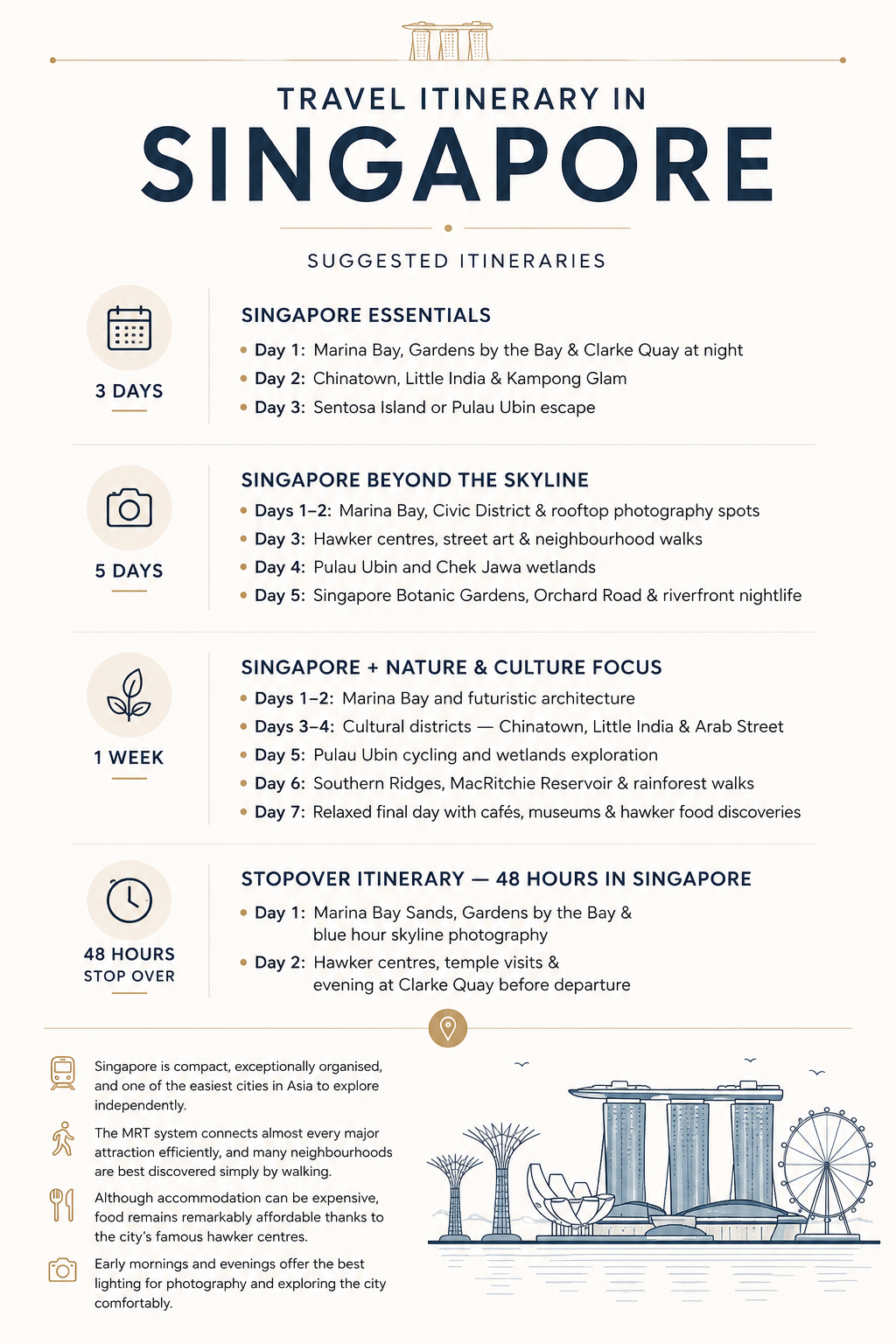
Singapore is compact, exceptionally organised, and one of the easiest cities in Asia to explore independently. The MRT system connects almost every major attraction efficiently, and many neighbourhoods are best discovered simply by walking. Although accommodation can be expensive, food remains remarkably affordable thanks to the city’s famous hawker centres.
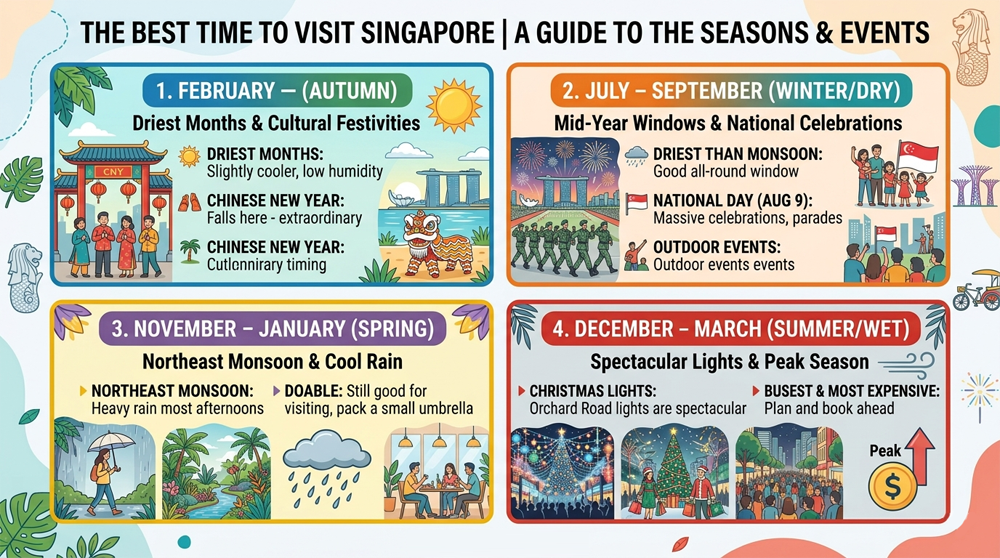
Best balance of sunshine, manageable humidity, and outdoor-friendly weather.
Great all-round travel window with festivals, city events, and relatively drier conditions.
Rainier but still highly enjoyable, especially for festive travel and lower daytime heat.
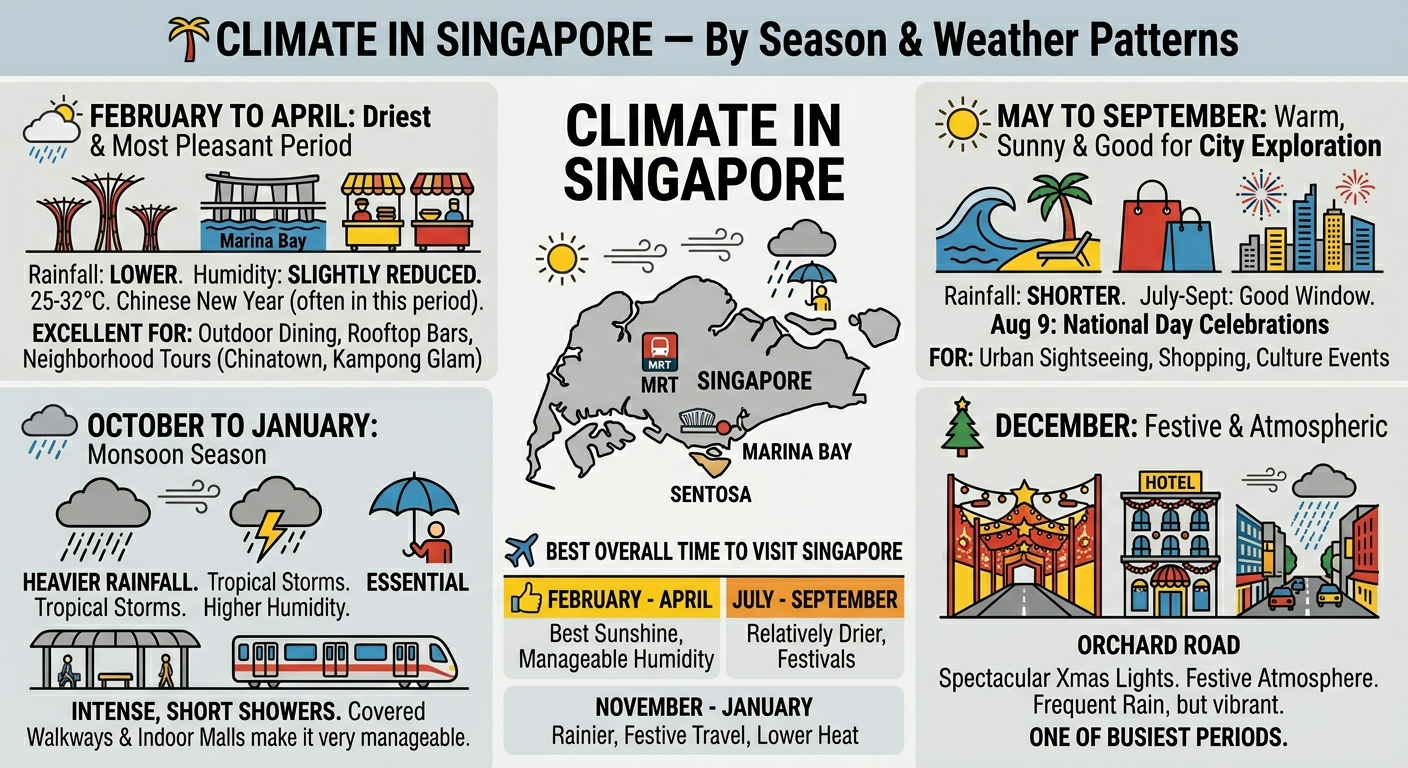
Singapore has a tropical equatorial climate, meaning temperatures remain warm and humid throughout the year with frequent rainfall. Unlike many countries, Singapore does not experience traditional four-season changes, but rather alternating monsoon periods and slightly drier months. Despite the humidity, Singapore is a year-round destination thanks to its modern infrastructure, indoor attractions, and efficient transport system.
Driest & Most Pleasant Period These are generally considered the most comfortable months to visit Singapore. Rainfall is lower, humidity is slightly reduced, and days are often sunny with temperatures around 25–32°C.
Chinese New Year often falls during this period, bringing colourful decorations, night markets, and festive celebrations across the city.
Warm, Sunny & Good for City Exploration Singapore remains hot and humid, but rainfall is usually shorter and less intense than during the monsoon season. July to September is a good window for:
August 9 marks Singapore’s National Day, when the city comes alive with celebrations and fireworks.
Monsoon Season The Northeast Monsoon brings heavier rainfall, tropical storms, and higher humidity levels. Showers are often intense but usually short-lived rather than continuous all-day rain. This season is still very manageable for travel thanks to Singapore’s:
A lightweight umbrella becomes essential during this period./p>
Festive & Atmospheric
December is one of Singapore’s most visually impressive months. Orchard Road transforms with spectacular Christmas lights and decorations, while hotels, shopping centres, and restaurants embrace the festive atmosphere.
Although rain showers are frequent, the city feels vibrant and lively. It is also one of the busiest and most expensive travel periods of the year.
Skip the SIM hunt on arrival. A travel eSIM lets you activate local data before you board — no plastic card, no roaming fees, instant setup. Roamic covers this destination and most countries in the Galerie.
Get Your Travel eSIM →🎟️ GetYourGuide: "A Singaporean hawker food tour with a local guide and a Singapore by Night photography tour of Marina Bay are two experiences that add real depth to a short visit."
For tours and experiences in Singapore, KKday often has deeper inventory than the global platforms — strong on local operators, particularly in Asia. Worth comparing alongside GetYourGuide before booking.
Browse Singapore tours on KKday →✈️"Singapore Changi is one of the world's great hub airports — it's often worth routing through on long-haul trips even if it adds a little time. I use Skyscanner to see when a Changi stopover makes sense."
Stock Photography
Browse and license the full Food photography collection — available for commercial and editorial use on Shutterstock.
View on Shutterstock →
Stock Photography
Browse and license the full Asia photography collection — available for commercial and editorial use on Shutterstock.
View on Shutterstock →