🇧🇪
Belgium
Pralines & Ganaches
Belgium's chocolate tradition is built around the praline — a shell of tempered chocolate filled with ganache, gianduja, or cream. The Belgian standard is extraordinary: 100,000 tonnes produced per year, with more chocolate sold at Brussels airport than anywhere else in the world. Look for Neuhaus (inventors of the praline in 1912), Pierre Marcolini, and Galler.
Factory to visit: Choco-Story Museum, Bruges — the world's most visited chocolate museum, with live demonstrations and tasting included in the entry price.
🇨🇭
Switzerland
Milk Chocolate & Precision
Switzerland invented milk chocolate in 1875 (Daniel Peter, using condensed milk from Henri Nestlé) and has never looked back. Swiss chocolate is defined by smoothness, precision, and a melt-in-the-mouth texture achieved through long conching. Lindt, Toblerone, and Läderach are the famous names, but smaller artisan makers like Felchlin and Favarger are where serious chocolate lovers go.
Factory to visit: Lindt Home of Chocolate, Kilchberg (Zurich) — the world's largest chocolate fountain at 9 metres tall, plus tours and the best chocolate shop in Switzerland.
🇫🇷
France
Dark Chocolate & Artisan Craft
France approaches chocolate the way it approaches everything — with seriousness, craft, and a slight sense of superiority. French chocolatiers led the bean-to-bar movement in Europe, and Paris has more high-end chocolate shops per square kilometre than any other city. Valrhona (professional standard), Patrick Roger, and Jacques Genin are the names to know. French chocolate is darker and less sweet than Belgian.
Factory to visit: Valrhona Cité du Chocolat, Tain-l'Hermitage — the mecca for professional chocolatiers, open to visitors with exceptional tastings and courses.
🇵🇪
Peru
Single-Origin Fine Flavour Cacao
Peru is one of the world's most exciting origins for fine cacao. The country grows several rare varieties including Chuncho and Piura Blanco — cacao with exceptional floral and fruity complexity that international chocolatiers compete to source. Peruvian bean-to-bar brands like Cacaosuyo and Marou have won international awards. The Amazon and Cusco regions produce particularly extraordinary cacao.
Factory to visit: Cacaosuyo, Lima — tours by appointment, where you can trace a bar from raw Chuncho cacao through the full bean-to-bar process.
🇪🇨
Ecuador
Nacional Arriba — The Finest Cacao
Ecuador grows Nacional Arriba cacao — widely considered the world's finest variety, with a distinctive floral, fruity aroma unlike any other origin. The country supplies many of the world's top chocolatiers exclusively. Pacari (Ecuador's most awarded bean-to-bar brand) has won over 200 international gold awards. This is cacao as fine art — the equivalent of first-growth Bordeaux in the wine world.
Factory to visit: Pacari Chocolate Factory, Quito — guided tours showing the full bean-to-bar process using biodynamic Nacional cacao from family farms.
🇬🇹
Guatemala
Ceremonial Cacao & Ancient Chocolate
Guatemala is the spiritual home of cacao — the Maya cultivated it for over 3,000 years, using it in ceremonies, as currency, and as the original "xocolātl" drink. Guatemalan cacao from Lake Atitlán is prized for its earthy, complex flavour. The Kaqchikel Maya community still produces ceremonial-grade cacao paste using traditional stone-ground methods. This is where chocolate comes from — in every meaningful sense.
Experience: Cacao ceremony and chocolate-making workshops near Lake Atitlán with indigenous Kaqchikel Maya guides — one of the most memorable food experiences in Latin America.
🇨🇮
Côte d'Ivoire
The World's Largest Cacao Producer
Côte d'Ivoire produces over 40% of the world's cacao — yet for decades this cacao was exported for others to process and profit from. That is changing. Local bean-to-bar brands like Instant Chocolat are now making award-winning chocolate from their own country's cacao for the first time, and the quality is extraordinary. Supporting these brands directly supports the farming communities that grow the beans.
Factory to visit: Instant Chocolat, Abidjan — the first premium bean-to-bar chocolatier in West Africa, with tastings and educational tours about the cacao supply chain.
🇯🇵
Japan
Precision Chocolate & Matcha
Japan doesn't grow cacao but it does something extraordinary with it. Japanese precision and perfectionism applied to chocolate produces some of the world's most technically flawless confections. Royce' (from Hokkaido) makes the famous nama chocolate — raw, cream-ganache squares that melt instantly. Meiji, Morinaga, and smaller craft chocolatiers bring a uniquely Japanese sensibility: clean flavours, beautiful packaging, seasonal editions.
Factory to visit: Royce' Chocolate World, New Chitose Airport, Hokkaido — a fully visible production line where you can watch nama chocolate being made through glass walls.
🇮🇹
Italy
Cioccolato di Modica & Gianduia
Italy has two extraordinary chocolate traditions. Modica chocolate from Sicily is the oldest style in Europe — cold-processed with no added fat, just cacao and raw sugar that crystallises inside, creating an extraordinary grainy, intensely flavoured texture that dates back to the 16th century. Meanwhile, Turin's gianduia — cacao blended with Piedmont hazelnuts — is the ancestor of Nutella and one of the world's great chocolate pleasures.
Factory to visit: Antica Dolceria Bonajuto, Modica (Sicily) — founded in 1880, the oldest chocolate shop in Sicily, still making Modica chocolate using the original cold-process method.
🇨🇷
Costa Rica
Bean-to-Bar in the Rainforest
Costa Rica grows fine-flavour Trinitario cacao in the Caribbean lowlands and Bribri indigenous territories, and a new generation of local chocolatiers is making extraordinary single-origin bars from it. Sibu Chocolate and Nahua Chocolate are making some of Central America's best bean-to-bar chocolate. The Bribri indigenous community of Talamanca have been growing and preparing cacao using traditional methods for generations.
Factory to visit: Sibu Chocolate, Heredia — tours of the production facility with tastings of single-origin Costa Rican bars and insight into indigenous cacao traditions.
🇳🇬
Nigeria / São Tomé
West African Fine Flavour Cacao
São Tomé, the tiny island nation off West Africa, grows some of the world's most complex and distinctive cacao — earthy, fruity, with unusual depth. It has become a favourite of top European chocolatiers. Nigeria, despite being the world's fourth-largest cacao producer, is now developing its own premium chocolate industry with brands like Zoégas and Chocofactory Lagos making remarkable single-origin bars.
To source: Look for Claudio Corallo's São Tomé chocolate — he both grows the cacao and makes the bar on the island, one of the rarest truly farm-to-bar chocolates in the world.
🇲🇽
Mexico
Oaxacan Chocolate & Mole
Mexico is where chocolate was born — the Olmec, Maya, and Aztec civilisations all used cacao, and Oaxaca has maintained a living chocolate tradition for millennia. Oaxacan chocolate is stone-ground (molino), spiced with cinnamon and almonds, and used in mole negro as much as in hot drinks. The Mercado 20 de Noviembre in Oaxaca City has a row of chocolate grinders where you choose your own ingredients and watch your chocolate being made.
Experience: Any molino (grinding shop) in Oaxaca's central market — choose your cacao, cinnamon, and sugar ratio, and take home freshly ground chocolate paste.
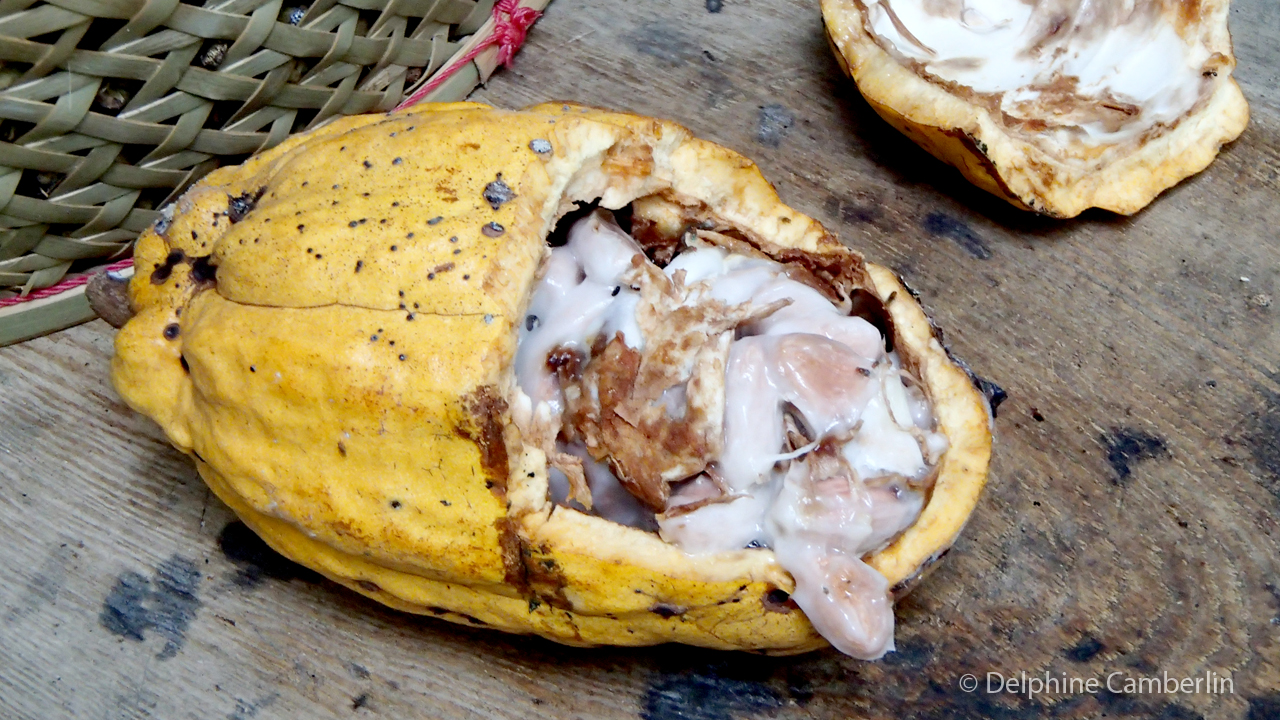
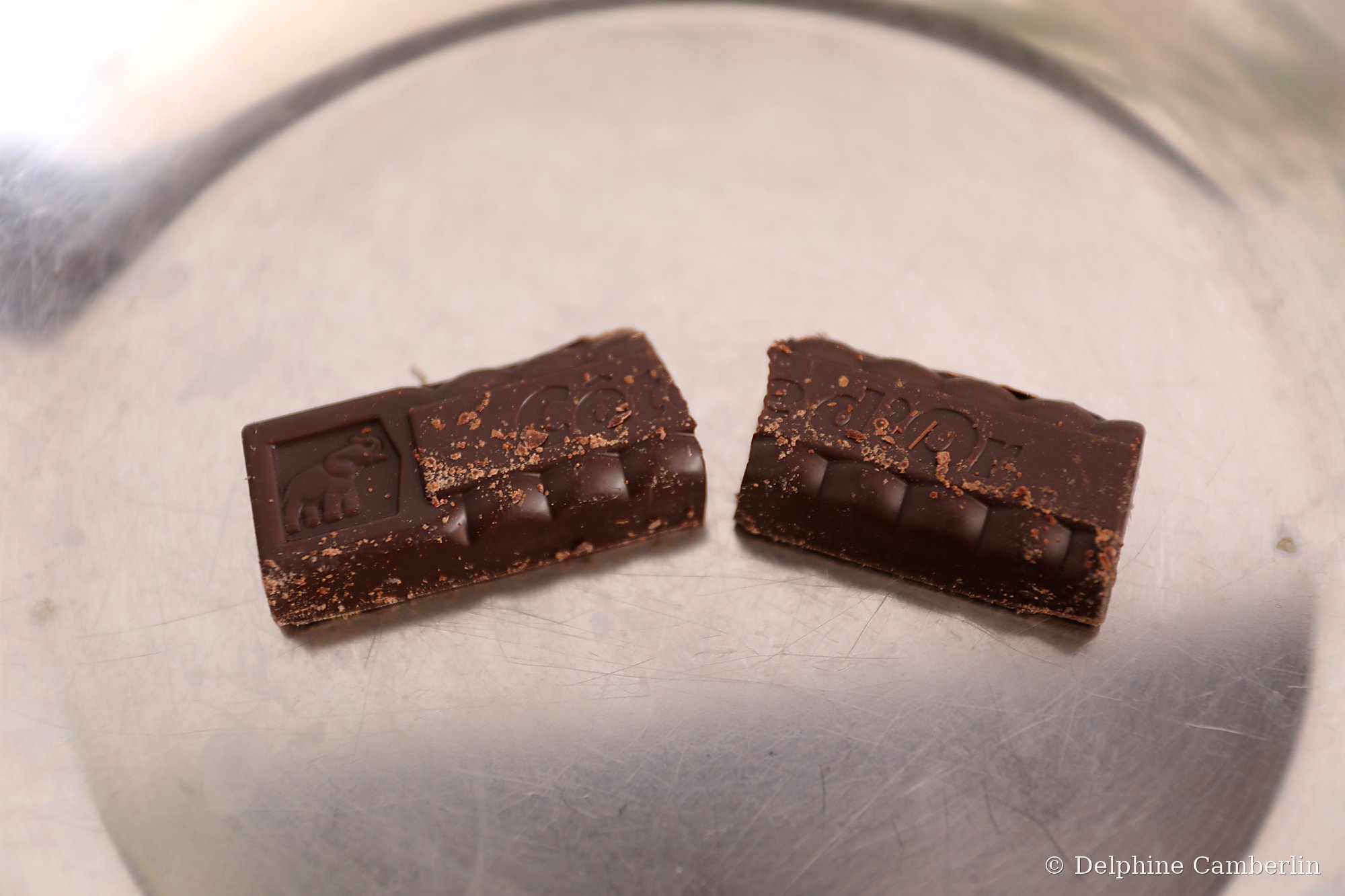
The world's best chocolate is rarely found in the most famous brands. It's found in the places closest to the source — where the cacao is grown with care, processed with intention, and sold by people who understand every step of the journey from tree to bar.
Stay in the Loop
Subscribe to the Newsletter
New quizzes, travel stories, and photography from 18 countries. One email at a time, no spam.