Why it matters: Indigenous-led tourism is one of the most direct ways to ensure your travel money reaches the communities you're visiting. It also gives you access to knowledge, landscapes, and perspectives that no corporate tour operator can provide.
🤝 How to Approach Indigenous Tourism Respectfully
 Research before you arrive
Understand basic protocols before visiting indigenous communities. Many have specific greeting customs, dress codes for ceremonies, photography rules, and expectations around behaviour. Your guide will tell you — but knowing in advance shows respect.
Research before you arrive
Understand basic protocols before visiting indigenous communities. Many have specific greeting customs, dress codes for ceremonies, photography rules, and expectations around behaviour. Your guide will tell you — but knowing in advance shows respect.
 Book directly or through community operators
Booking directly with indigenous-owned operators ensures the maximum revenue stays in the community. When that's not possible, look for operators who have formal partnership agreements with the communities they work with.
Book directly or through community operators
Booking directly with indigenous-owned operators ensures the maximum revenue stays in the community. When that's not possible, look for operators who have formal partnership agreements with the communities they work with.
 Listen more than you photograph
The knowledge shared in an indigenous cultural experience — about land, plants, history, spiritual practice — is the real value. It can't be captured in a photograph. Be present for it.
Listen more than you photograph
The knowledge shared in an indigenous cultural experience — about land, plants, history, spiritual practice — is the real value. It can't be captured in a photograph. Be present for it.
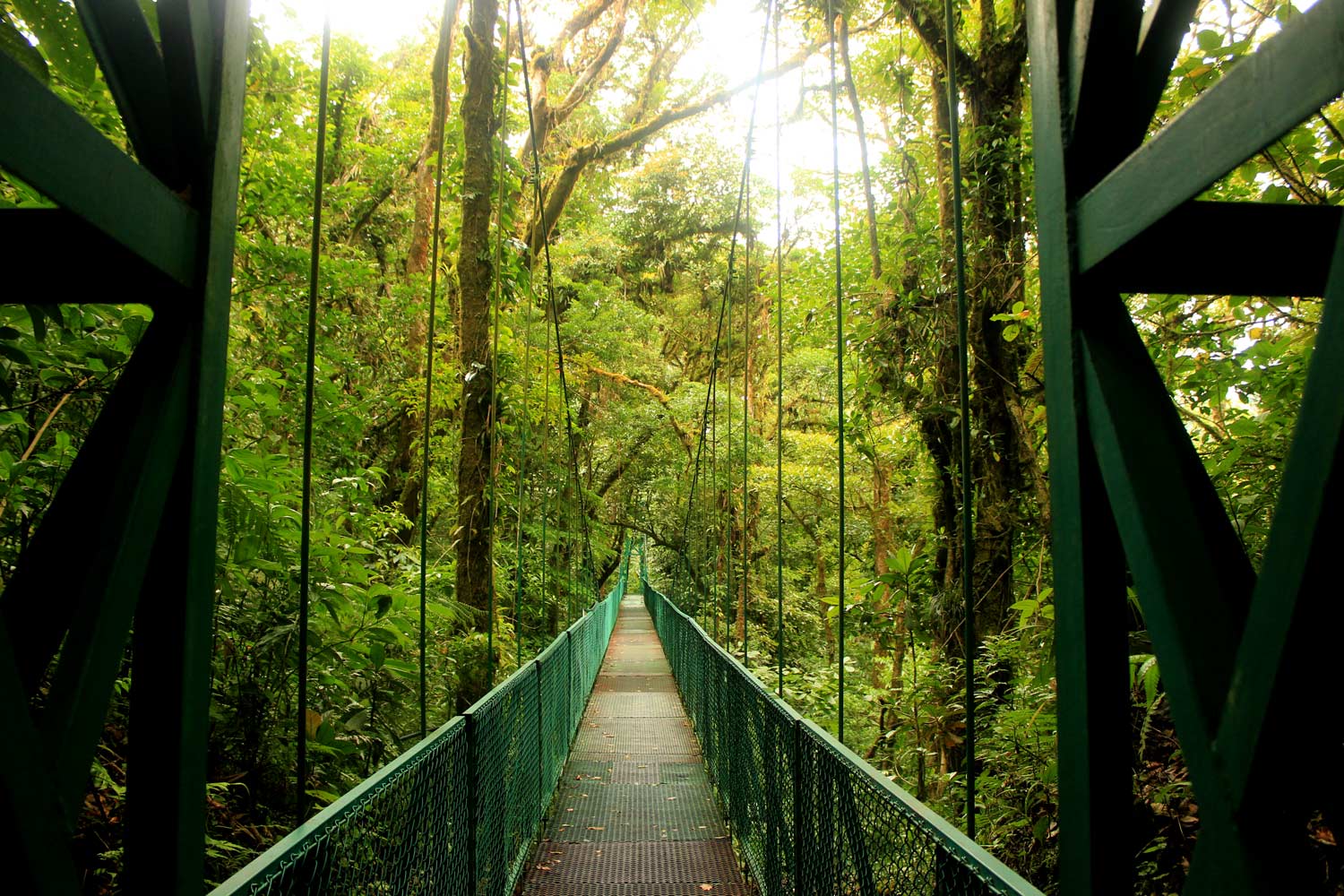 Do not enter restricted areas
Many indigenous territories have areas that are closed to visitors — sacred sites, ceremonial grounds, or simply private land. These boundaries are not negotiable. They exist regardless of whether a fence does.
Do not enter restricted areas
Many indigenous territories have areas that are closed to visitors — sacred sites, ceremonial grounds, or simply private land. These boundaries are not negotiable. They exist regardless of whether a fence does.
🗺️ Indigenous Experiences by Destination
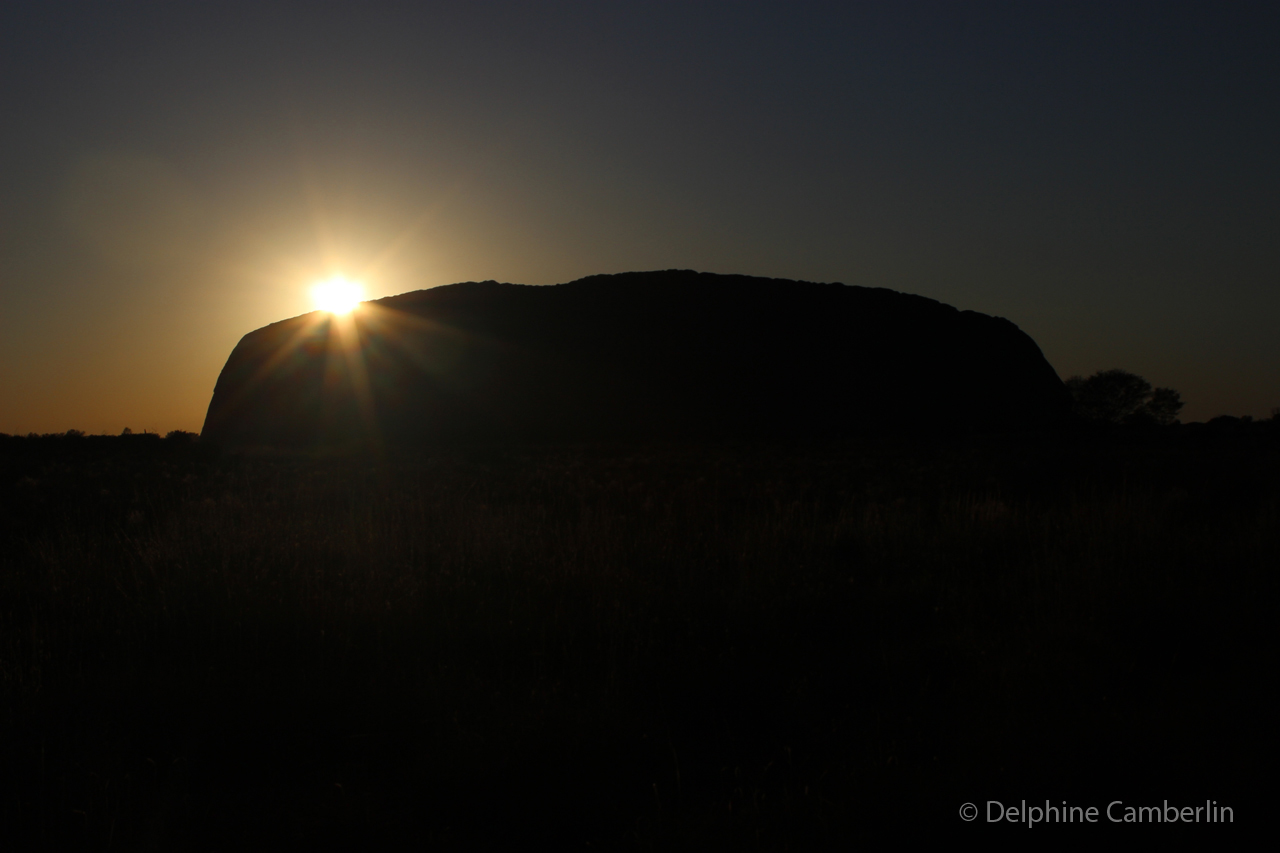 Australia — Aboriginal-led experiences
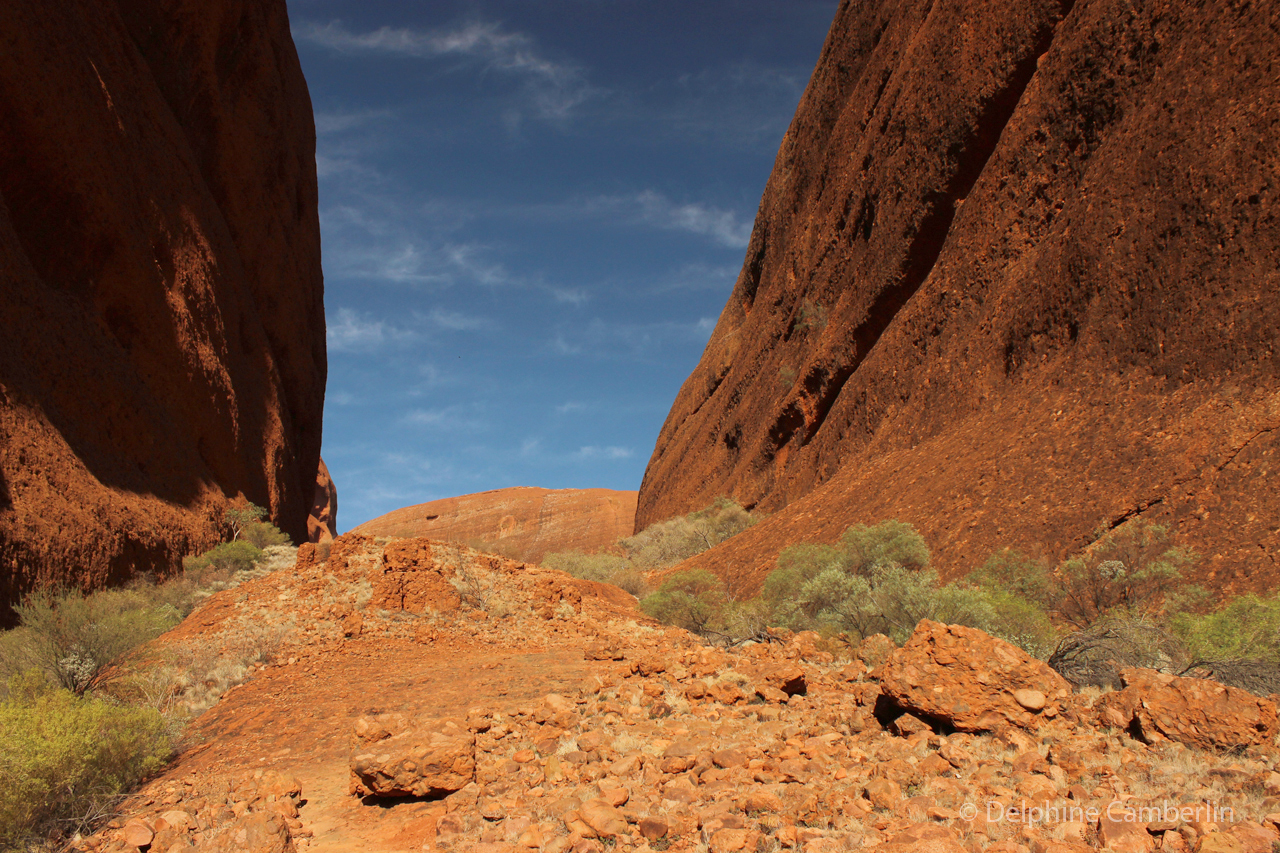
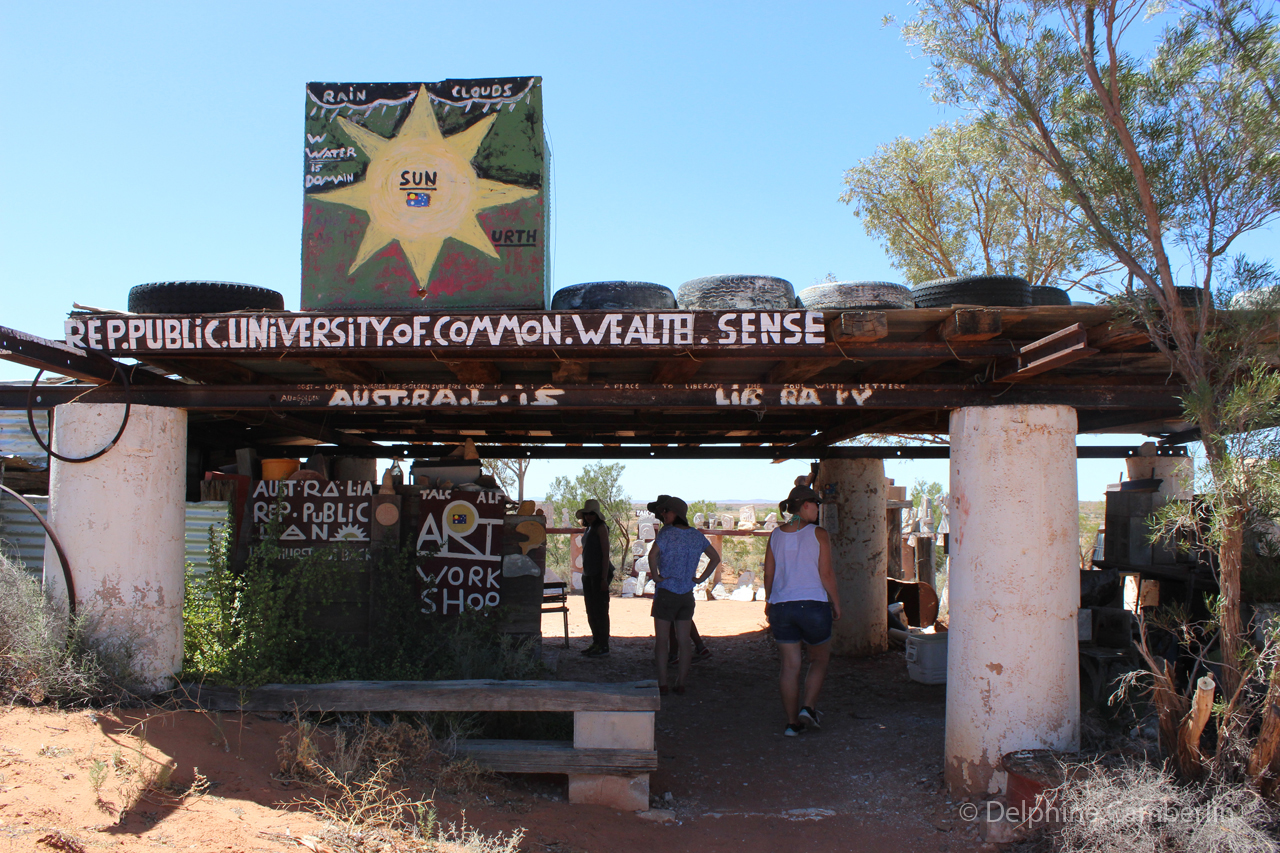
The Anangu people offer guided walks at Uluru — the most significant way to experience the rock. In the Kimberley, Broome, and Kakadu, Aboriginal-owned operators offer art, bush tucker, and country walks. Respect the request not to climb Uluru.
Australia — Aboriginal-led experiences
The Anangu people offer guided walks at Uluru — the most significant way to experience the rock. In the Kimberley, Broome, and Kakadu, Aboriginal-owned operators offer art, bush tucker, and country walks. Respect the request not to climb Uluru.
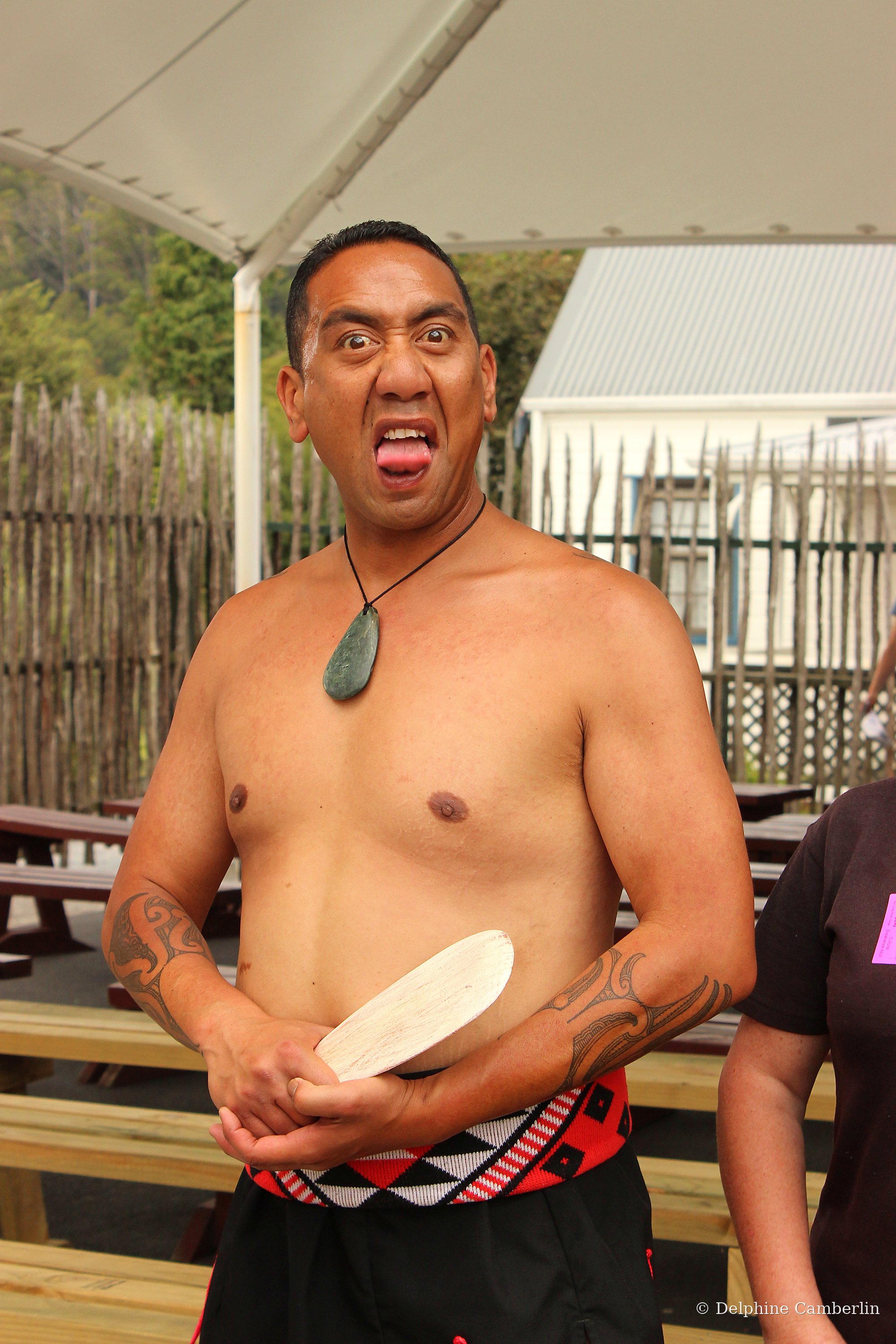 New Zealand — Māori cultural immersion
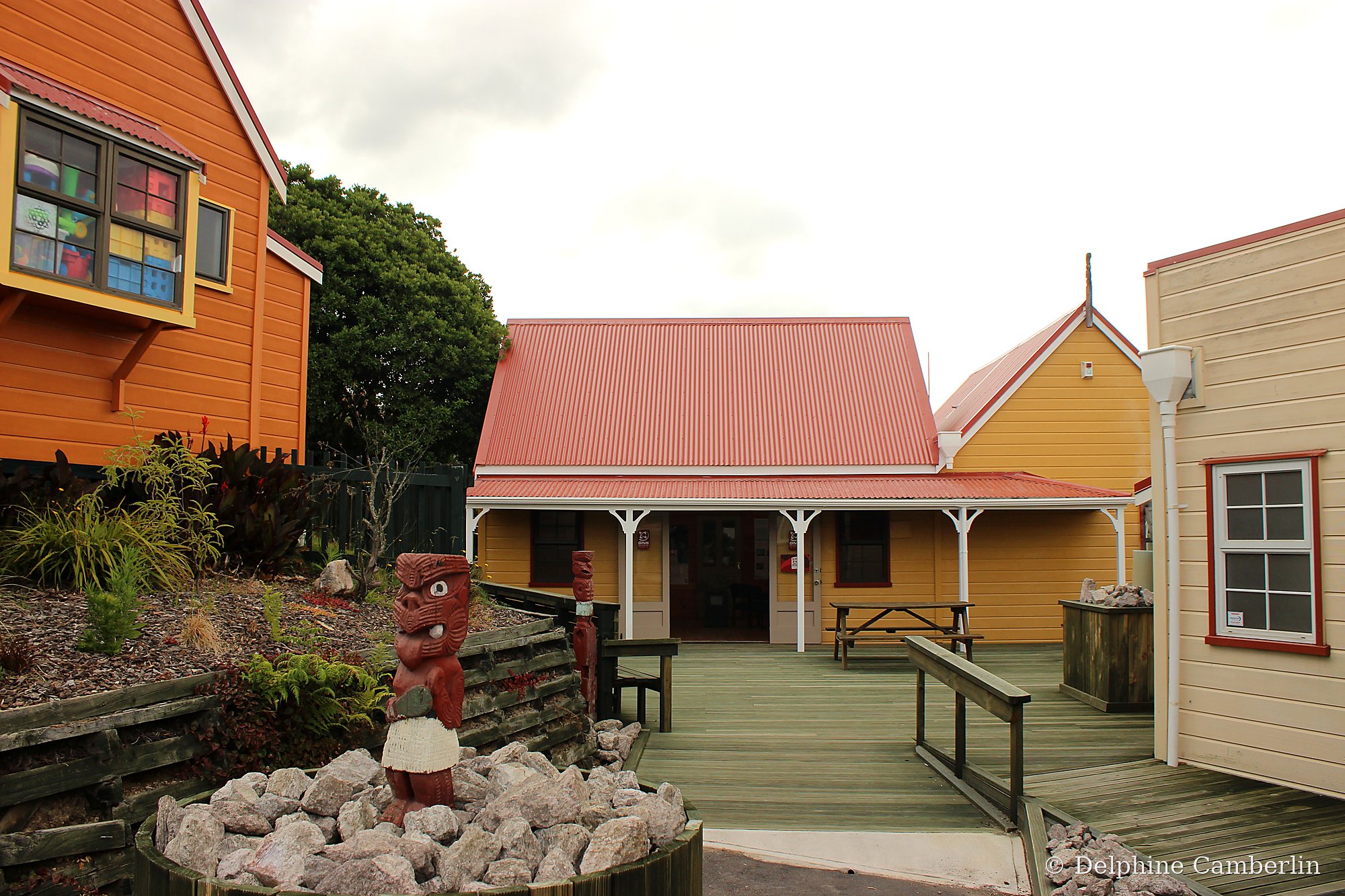
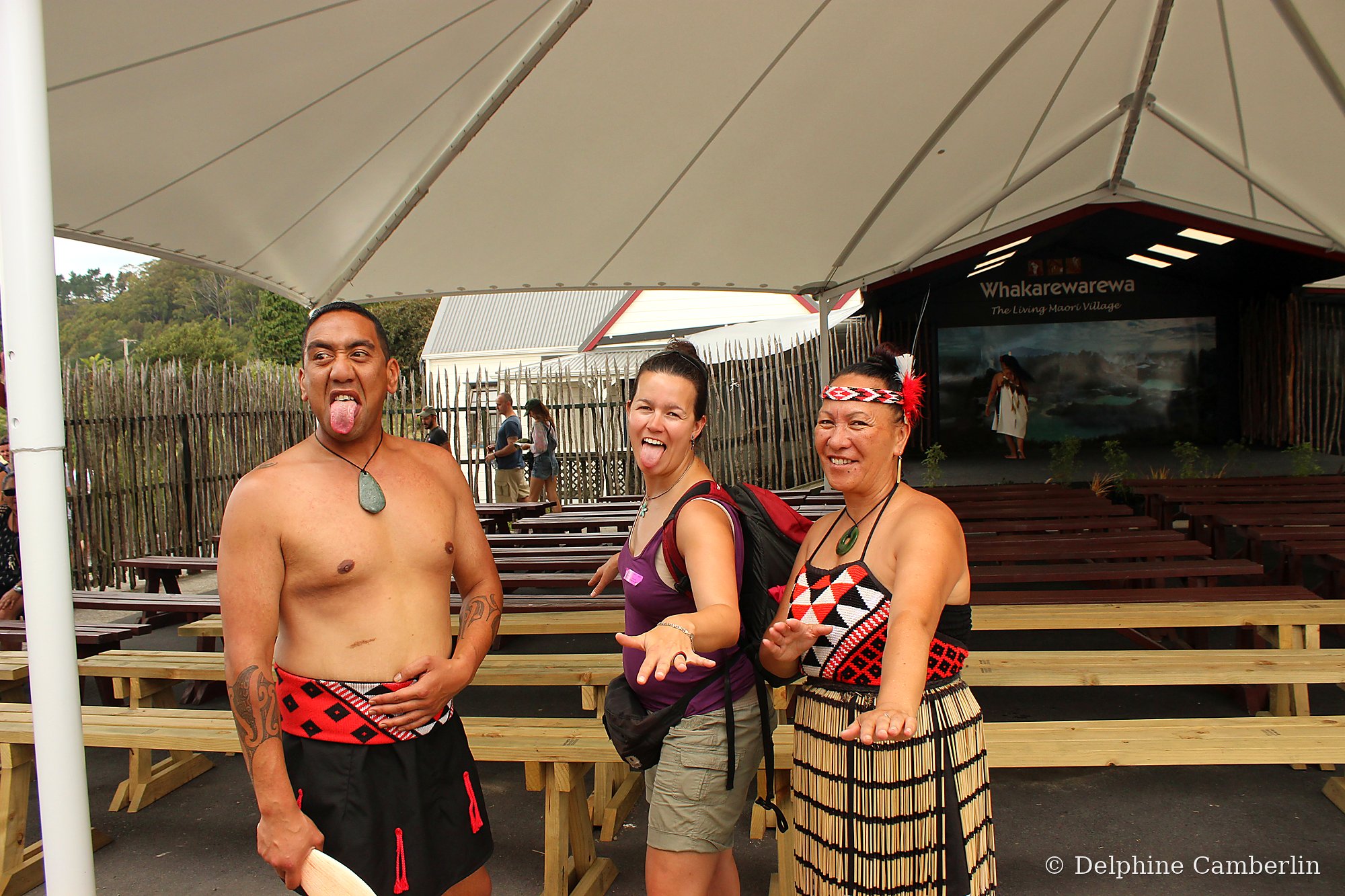
Book with iwi-owned operators for the most authentic experience. Rotorua and the Bay of Islands both have well-established Māori cultural programmes. A proper pōwhiri (welcome ceremony) and hāngī (earth oven meal) are experiences nothing else replicates.
New Zealand — Māori cultural immersion
Book with iwi-owned operators for the most authentic experience. Rotorua and the Bay of Islands both have well-established Māori cultural programmes. A proper pōwhiri (welcome ceremony) and hāngī (earth oven meal) are experiences nothing else replicates.
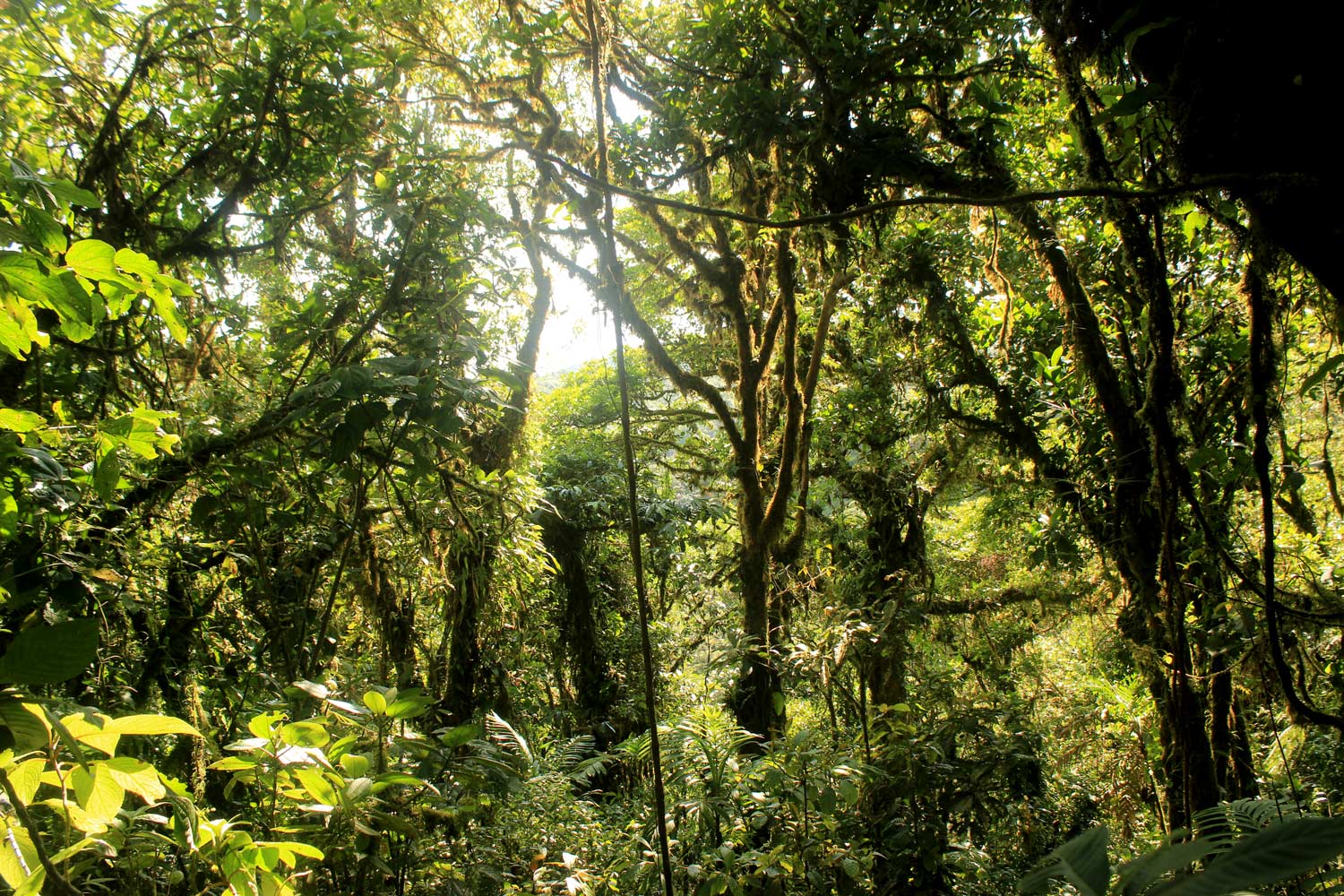 Costa Rica — Bribri cacao ceremonies
The Bribri people in the Talamanca region run cacao tours that take you through the full process — harvesting, fermenting, roasting, and preparing ceremonial chocolate. This is one of the most genuine community tourism experiences in Central America.
Costa Rica — Bribri cacao ceremonies
The Bribri people in the Talamanca region run cacao tours that take you through the full process — harvesting, fermenting, roasting, and preparing ceremonial chocolate. This is one of the most genuine community tourism experiences in Central America.
 Panama — Kuna Yala & Emberá
The Kuna (Guna) people of San Blas maintain full political autonomy over their islands. Book through Kuna-owned agencies only — they control who visits and how. The Emberá communities of Chagres National Park offer river journeys, craft demonstrations, and forest walks.
Panama — Kuna Yala & Emberá
The Kuna (Guna) people of San Blas maintain full political autonomy over their islands. Book through Kuna-owned agencies only — they control who visits and how. The Emberá communities of Chagres National Park offer river journeys, craft demonstrations, and forest walks.
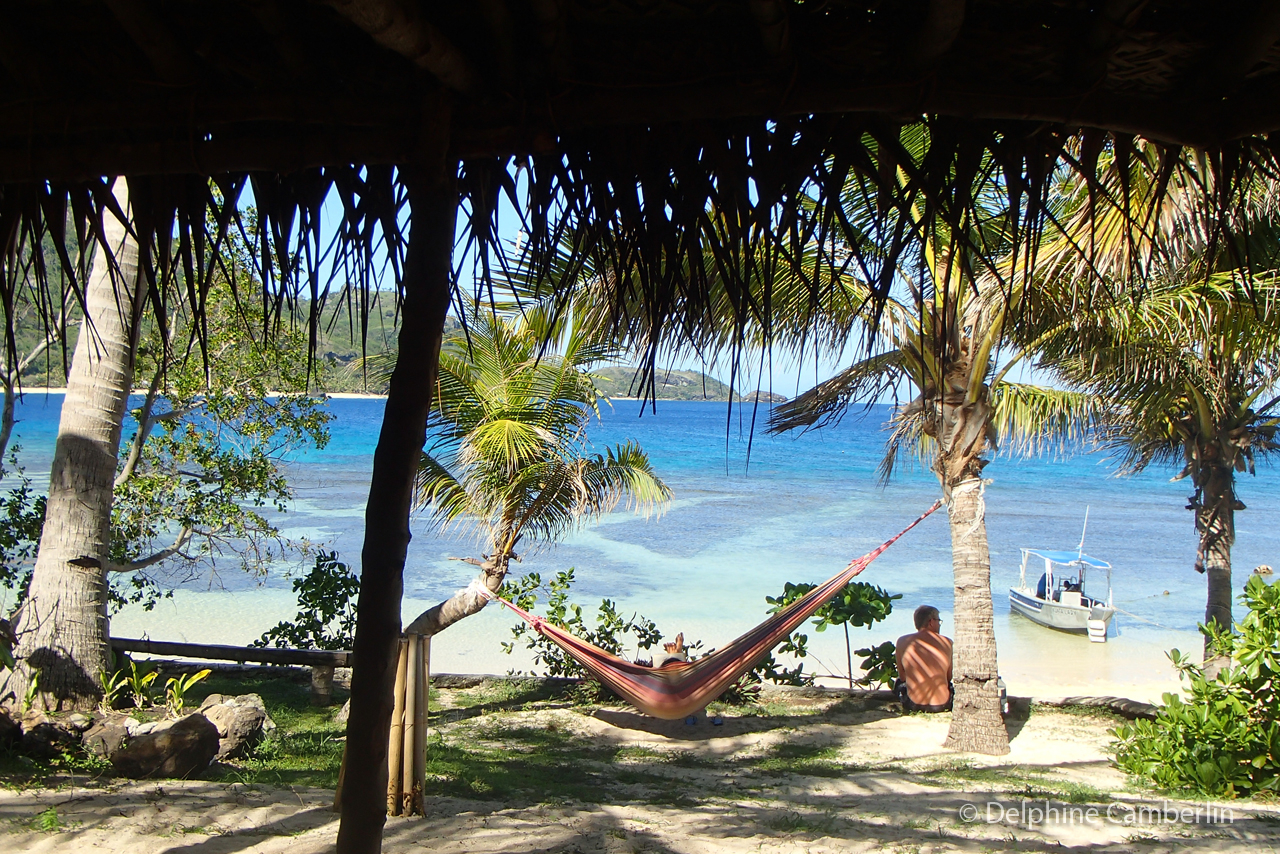 Fiji — Village homestays & sevusevu
Visiting a Fijian village requires a sevusevu — a formal kava-offering ceremony to acknowledge the chief. Your guesthouse or guide will arrange this. Village homestays on Fiji's outer islands are some of the Pacific's most authentic community-tourism options.
Fiji — Village homestays & sevusevu
Visiting a Fijian village requires a sevusevu — a formal kava-offering ceremony to acknowledge the chief. Your guesthouse or guide will arrange this. Village homestays on Fiji's outer islands are some of the Pacific's most authentic community-tourism options.
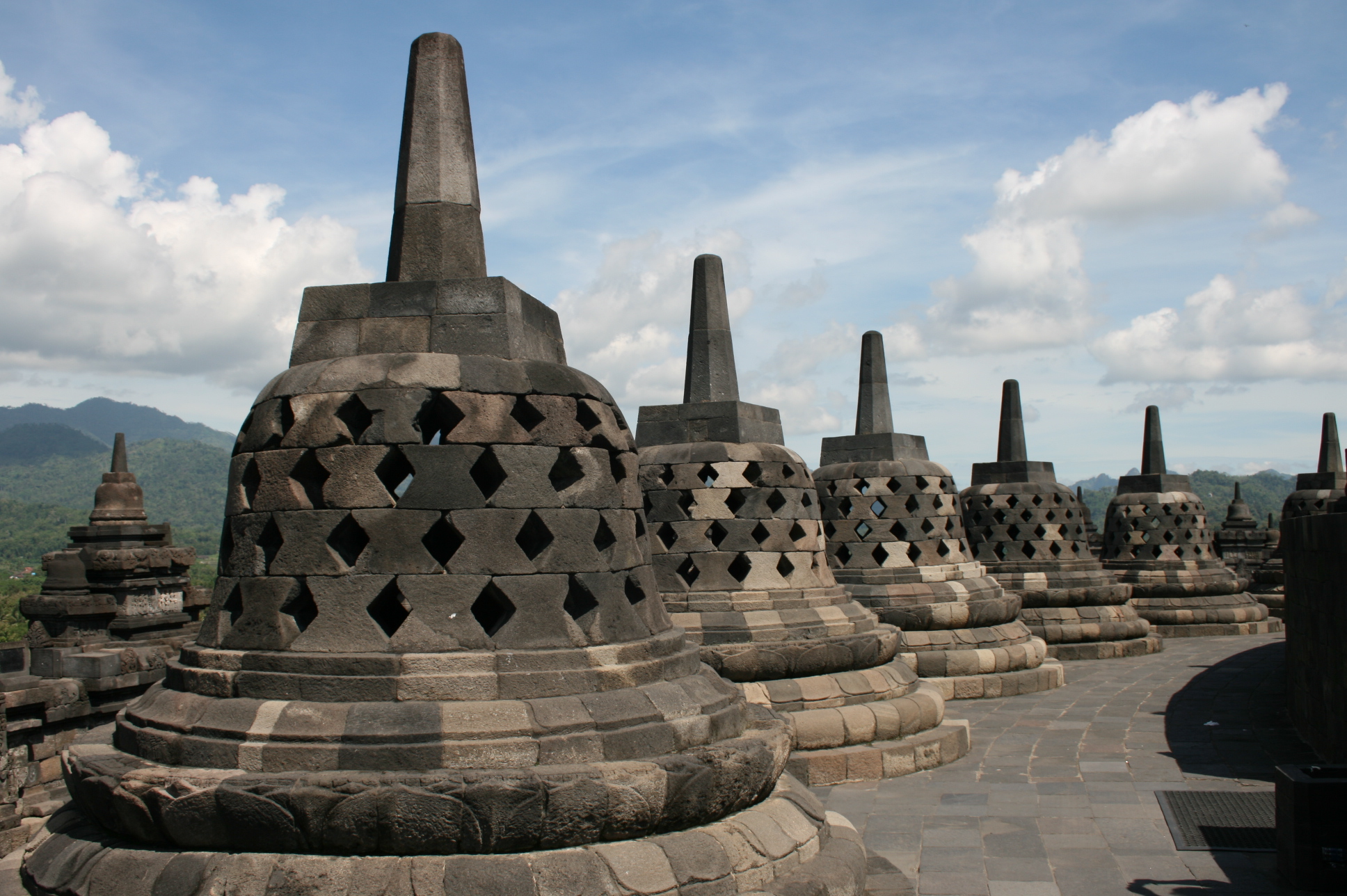 Indonesia — Flores & Toraja
The Toraja people of Sulawesi have elaborate funeral ceremonies that are genuinely open to respectful visitors — but require a local guide who understands the protocols. In Flores, traditional village visits near Ruteng and Bajawa have minimal tourist infrastructure, which is exactly the point.
Indonesia — Flores & Toraja
The Toraja people of Sulawesi have elaborate funeral ceremonies that are genuinely open to respectful visitors — but require a local guide who understands the protocols. In Flores, traditional village visits near Ruteng and Bajawa have minimal tourist infrastructure, which is exactly the point.
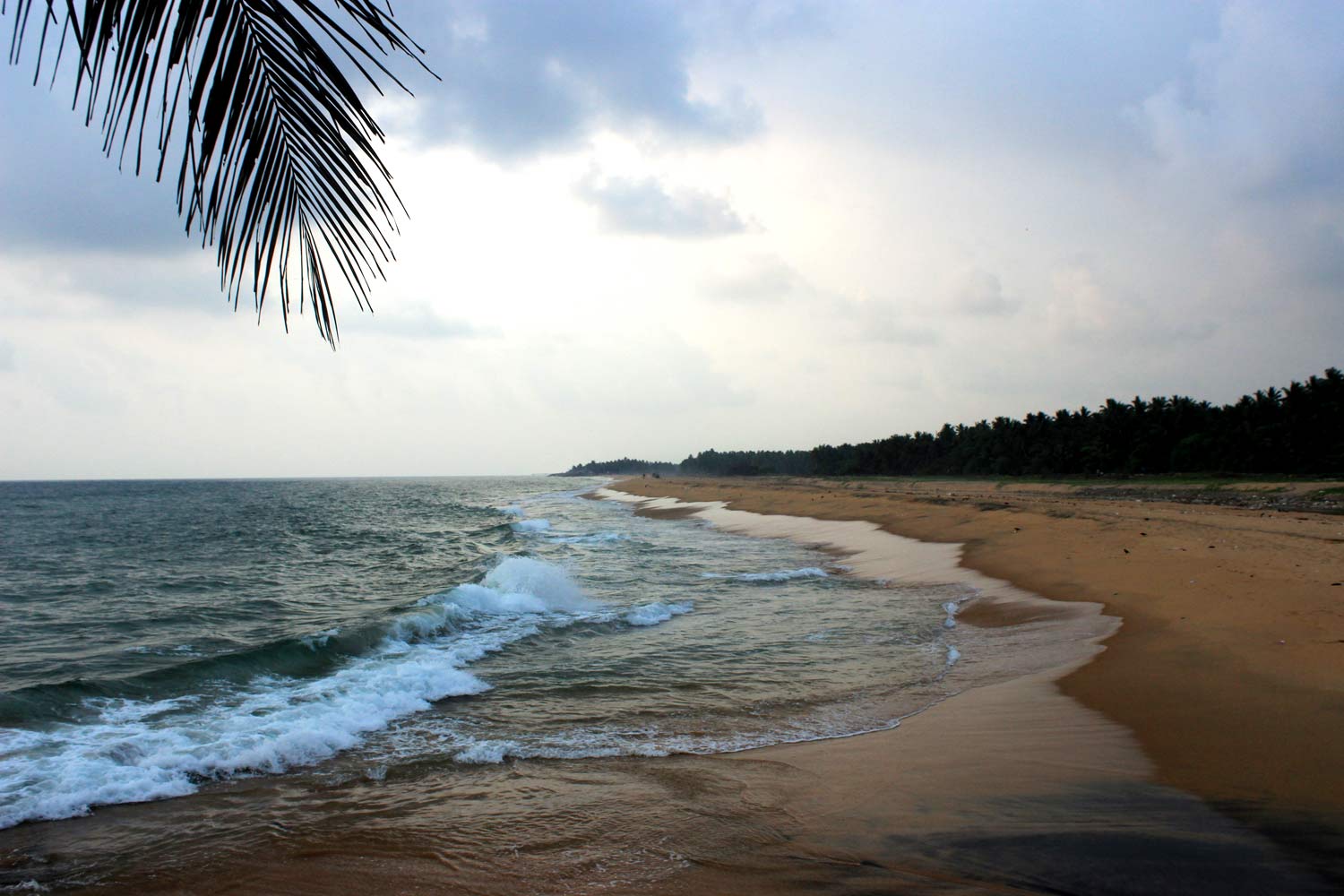 India — Tribal homestays in Kerala & Nagaland
Kerala's Responsible Tourism Mission certifies tribal homestays in Wayanad and the Nilgiris. Nagaland's Hornbill Festival (December) brings together the state's 16 major Naga tribes — book early through Nagaland Tourism.
India — Tribal homestays in Kerala & Nagaland
Kerala's Responsible Tourism Mission certifies tribal homestays in Wayanad and the Nilgiris. Nagaland's Hornbill Festival (December) brings together the state's 16 major Naga tribes — book early through Nagaland Tourism.
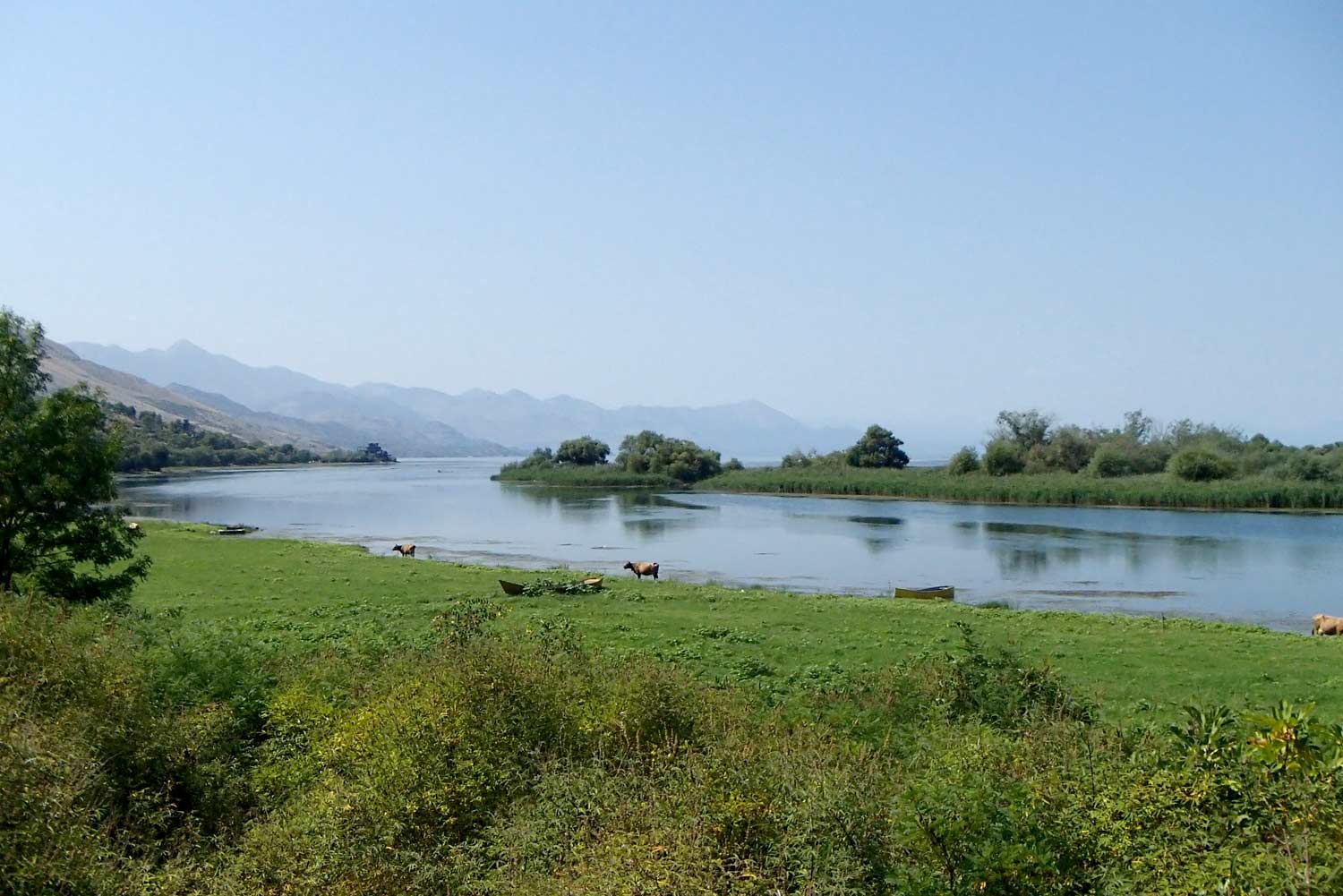 Balkans — Via Dinarica & village stays
The Via Dinarica hiking trail crosses six countries and is managed by local NGOs who connect hikers with village guesthouses. Staying in a konak in rural Bosnia or a traditional stone house in Montenegro puts money directly into communities that rarely see tourist spending.
Balkans — Via Dinarica & village stays
The Via Dinarica hiking trail crosses six countries and is managed by local NGOs who connect hikers with village guesthouses. Staying in a konak in rural Bosnia or a traditional stone house in Montenegro puts money directly into communities that rarely see tourist spending.
Direct-to-Local Indonesia Operators
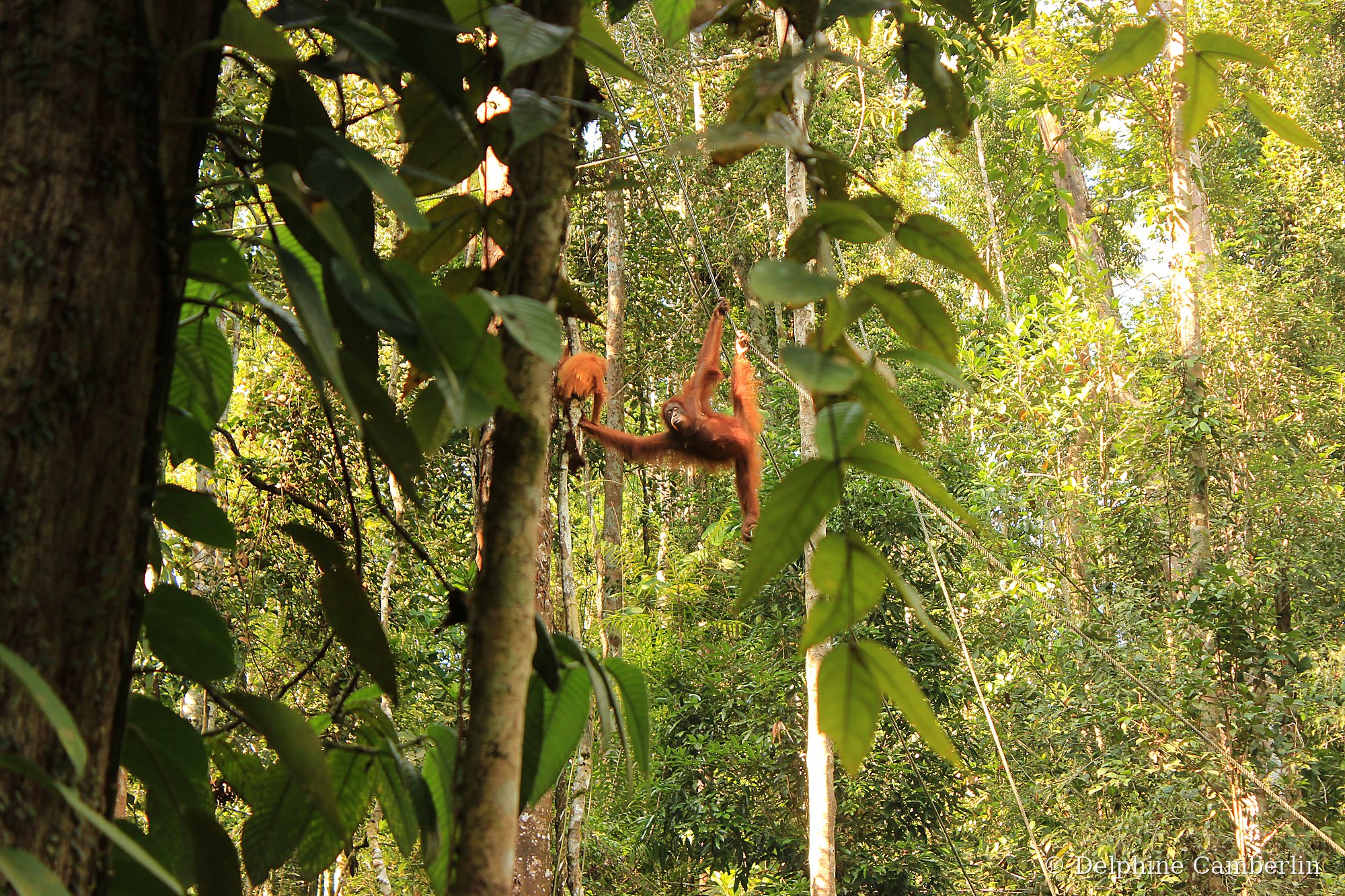
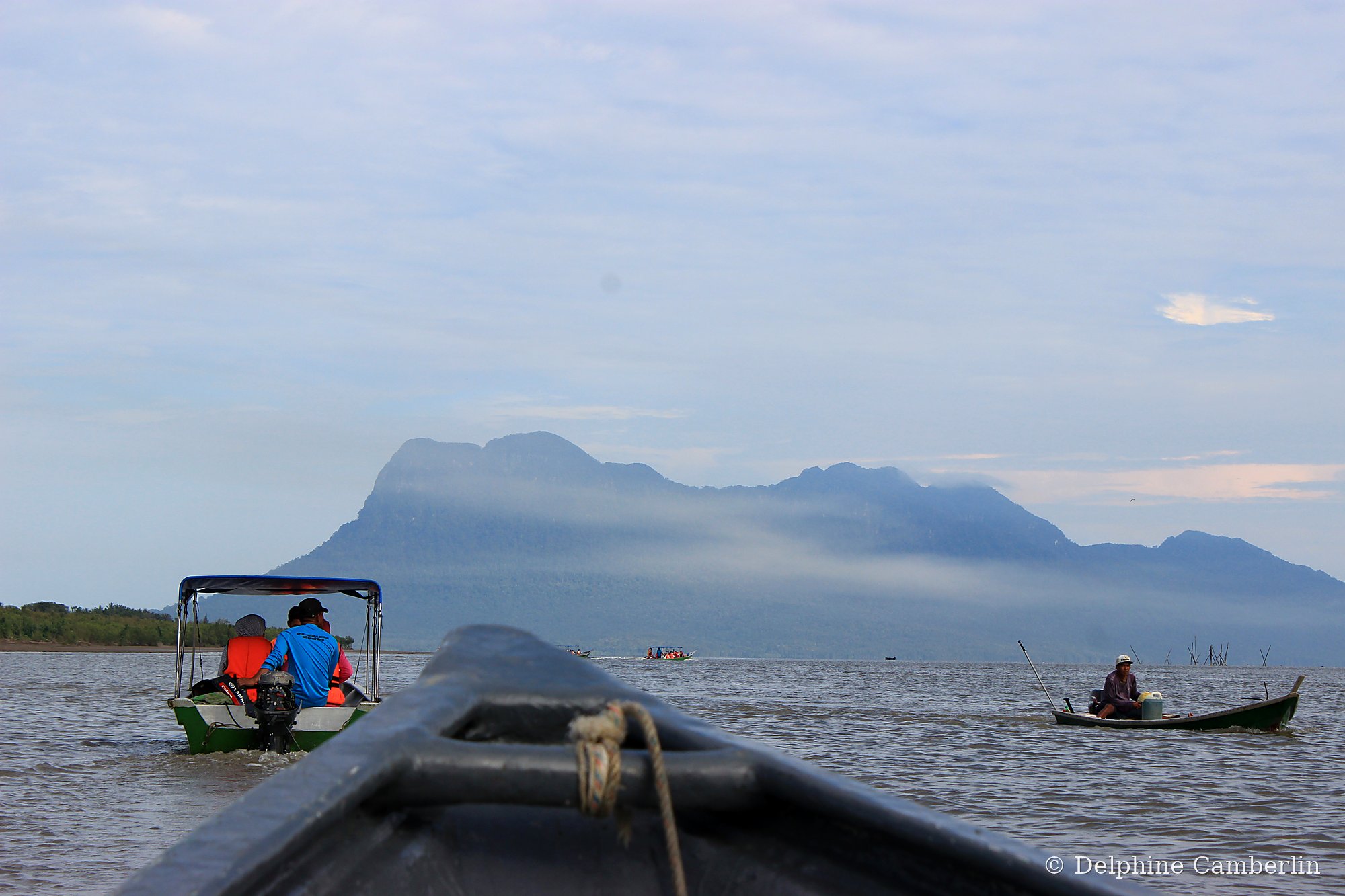
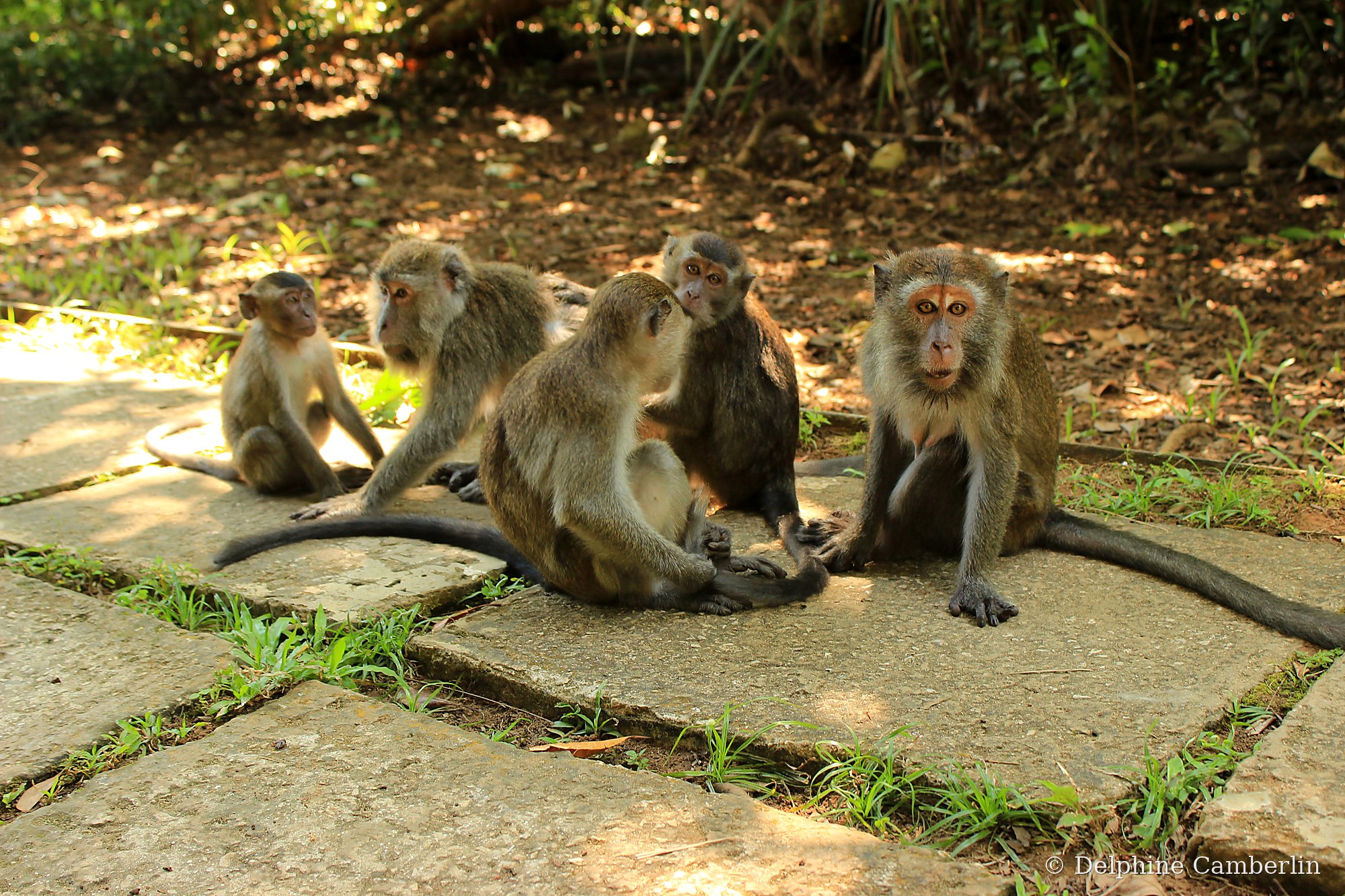
Six tours run by guides on the ground — your booking goes to the local operator, not a middleman. Via Local Guides Indonesia.

❓ FAQ
Is it ethical to visit indigenous communities at all?
Yes, when the community has invited tourism on their terms and benefits financially and culturally from it. Indigenous-LED tourism (where the community decides what to share, with whom, and at what price) is profoundly different from tour-operator-led visits where the community is the product.
How much should I pay for an indigenous tour?
Pay the asking price without bargaining. If a community-led tour costs €80 and a commercial alternative costs €30, the €80 reflects fair labour, cultural compensation, and community fees. Negotiating down indigenous-led pricing is a particular kind of disrespect.
Can I take photos in indigenous communities?
Ask. Every single time. Some communities welcome photography; others restrict it to specific areas or moments; some prohibit it entirely. Sacred sites and ceremonies often have absolute photography bans — these are not 'no photography for tourists' rules, they're protections of cultural practice.
What gifts are appropriate to bring?
Cash or community contributions are almost always more useful than objects. If you want to bring something physical, ask the operator or community contact what is genuinely needed (school supplies, certain medical items) rather than guessing. Avoid sweets for children and Western branded items.
How do I find genuine indigenous-led tours?
Look for operators who name the community partner explicitly (not 'an indigenous village'), publish their revenue-sharing model, and let the community decide what to share. Avoid tours marketed primarily on novelty ('see authentic tribes') — that framing is almost always a red flag.
Subscribe to the Newsletter
New eco guides, travel stories, and photography from 18 countries. One email, no spam.