
The honest starting point: No trip is zero-impact. The goal is not perfection — it's consistent, conscious choices that reduce harm and increase benefit to the places and people you visit.
✈️ Transport — The Biggest Decision
Getting to your destination typically accounts for the majority of a trip's carbon footprint. You can't eliminate this — but you can reduce it and compensate for it thoughtfully.
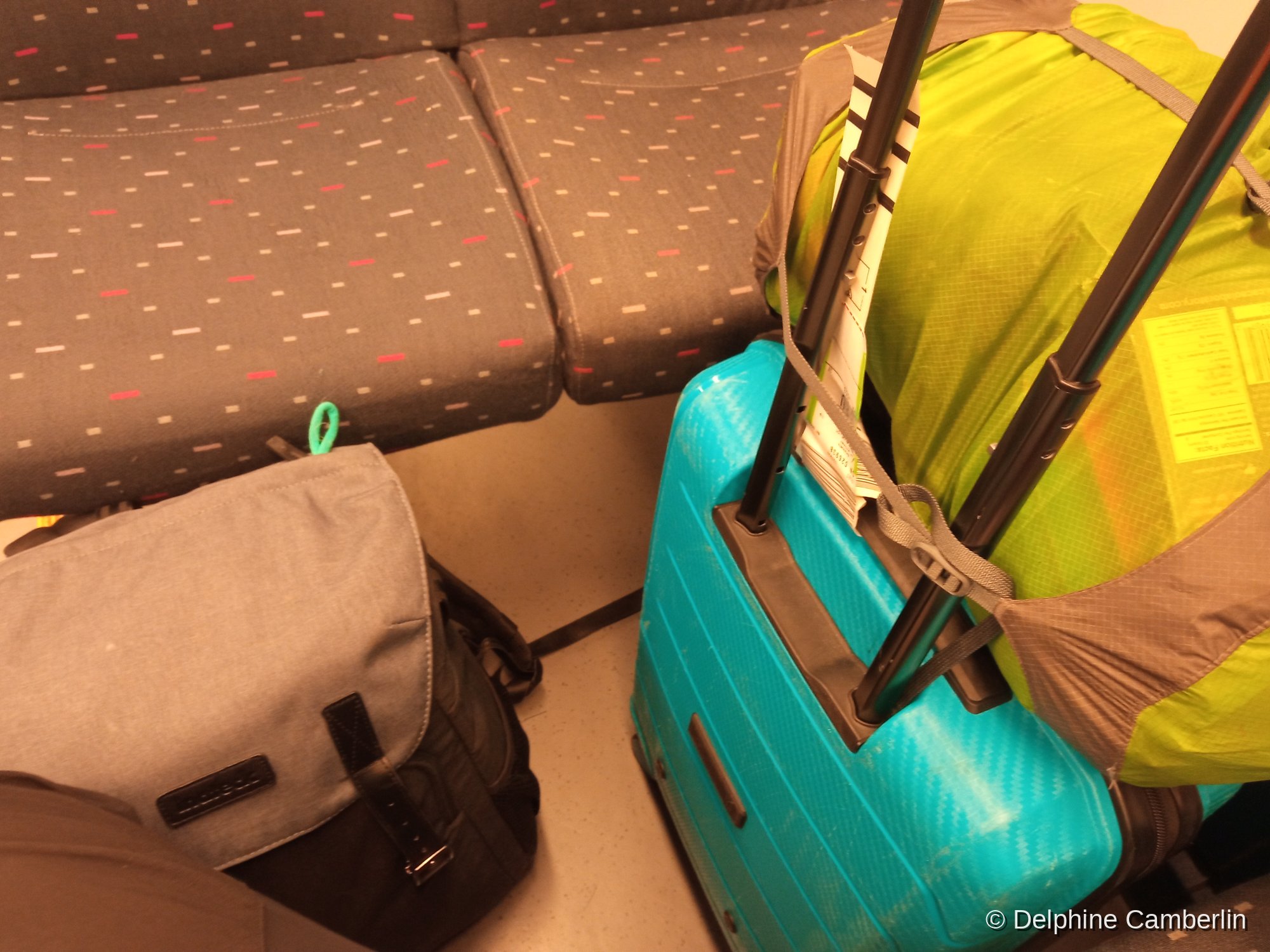 Choose train over plane where possible
Lisbon to Porto by train: 3 hours, €15–30, roughly 95% lower CO₂ than flying. Paris to Amsterdam: 3.5 hours. Oslo to Bergen: one of the world's great rail journeys. When the train is under 5–6 hours, it's almost always the better choice.
Choose train over plane where possible
Lisbon to Porto by train: 3 hours, €15–30, roughly 95% lower CO₂ than flying. Paris to Amsterdam: 3.5 hours. Oslo to Bergen: one of the world's great rail journeys. When the train is under 5–6 hours, it's almost always the better choice.
 Hire an EV or hybrid for road trips
Iceland's charging network is excellent and its electricity is geothermal. Norway has the world's highest EV adoption rate. In Costa Rica, New Zealand, and Portugal, EV infrastructure has expanded rapidly — and in most cases costs the same as petrol to hire.
Hire an EV or hybrid for road trips
Iceland's charging network is excellent and its electricity is geothermal. Norway has the world's highest EV adoption rate. In Costa Rica, New Zealand, and Portugal, EV infrastructure has expanded rapidly — and in most cases costs the same as petrol to hire.
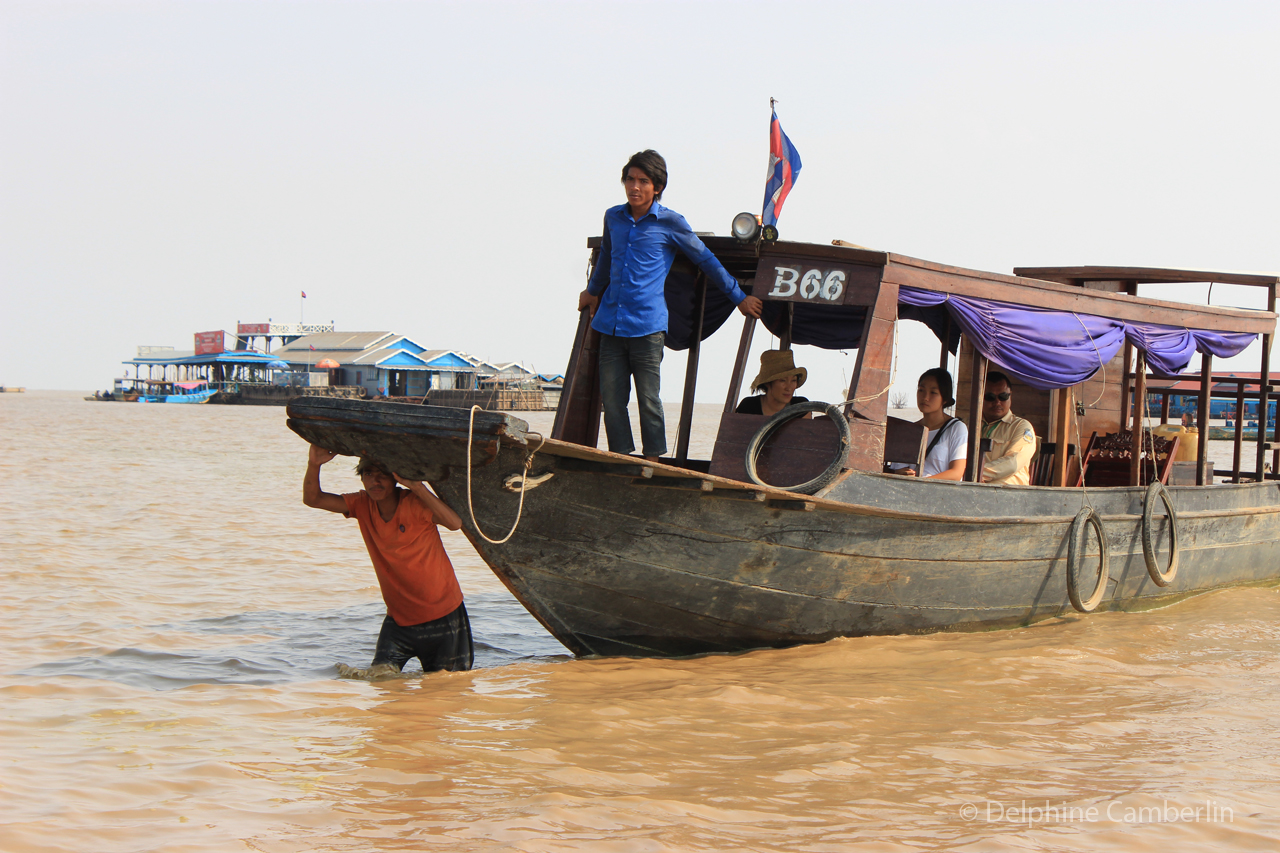 Use local buses and ferries
Taking the local bus in Cambodia or Indonesia costs a fraction of a private transfer and puts money into local transport systems. In Norway, the Hurtigruten ferry is both spectacular and one of the lowest-impact ways to travel the coast.
Use local buses and ferries
Taking the local bus in Cambodia or Indonesia costs a fraction of a private transfer and puts money into local transport systems. In Norway, the Hurtigruten ferry is both spectacular and one of the lowest-impact ways to travel the coast.
 Offset what you can't avoid
Carbon offsetting is imperfect but not useless. Choose projects that are Gold Standard certified, verifiable, and permanent — reforestation, clean cookstoves, or renewable energy in developing countries. Avoid cheap, unverified offset marketplaces.
Offset what you can't avoid
Carbon offsetting is imperfect but not useless. Choose projects that are Gold Standard certified, verifiable, and permanent — reforestation, clean cookstoves, or renewable energy in developing countries. Avoid cheap, unverified offset marketplaces.
🏘️ Where You Stay & How You Spend
 Stay local, not corporate
Family-run guesthouses keep 80–90% of revenue in the local economy. International hotel chains typically repatriate the majority of profits. The difference is substantial — and the local option usually gives you a far more interesting stay.
Stay local, not corporate
Family-run guesthouses keep 80–90% of revenue in the local economy. International hotel chains typically repatriate the majority of profits. The difference is substantial — and the local option usually gives you a far more interesting stay.
 Eat local, eat seasonal
Market food, street food, and locally-owned restaurants support local farmers and keep money in communities. Avoid restaurants targeting tourists with international menus — the food is usually worse and the economic benefit to the destination minimal.
Eat local, eat seasonal
Market food, street food, and locally-owned restaurants support local farmers and keep money in communities. Avoid restaurants targeting tourists with international menus — the food is usually worse and the economic benefit to the destination minimal.
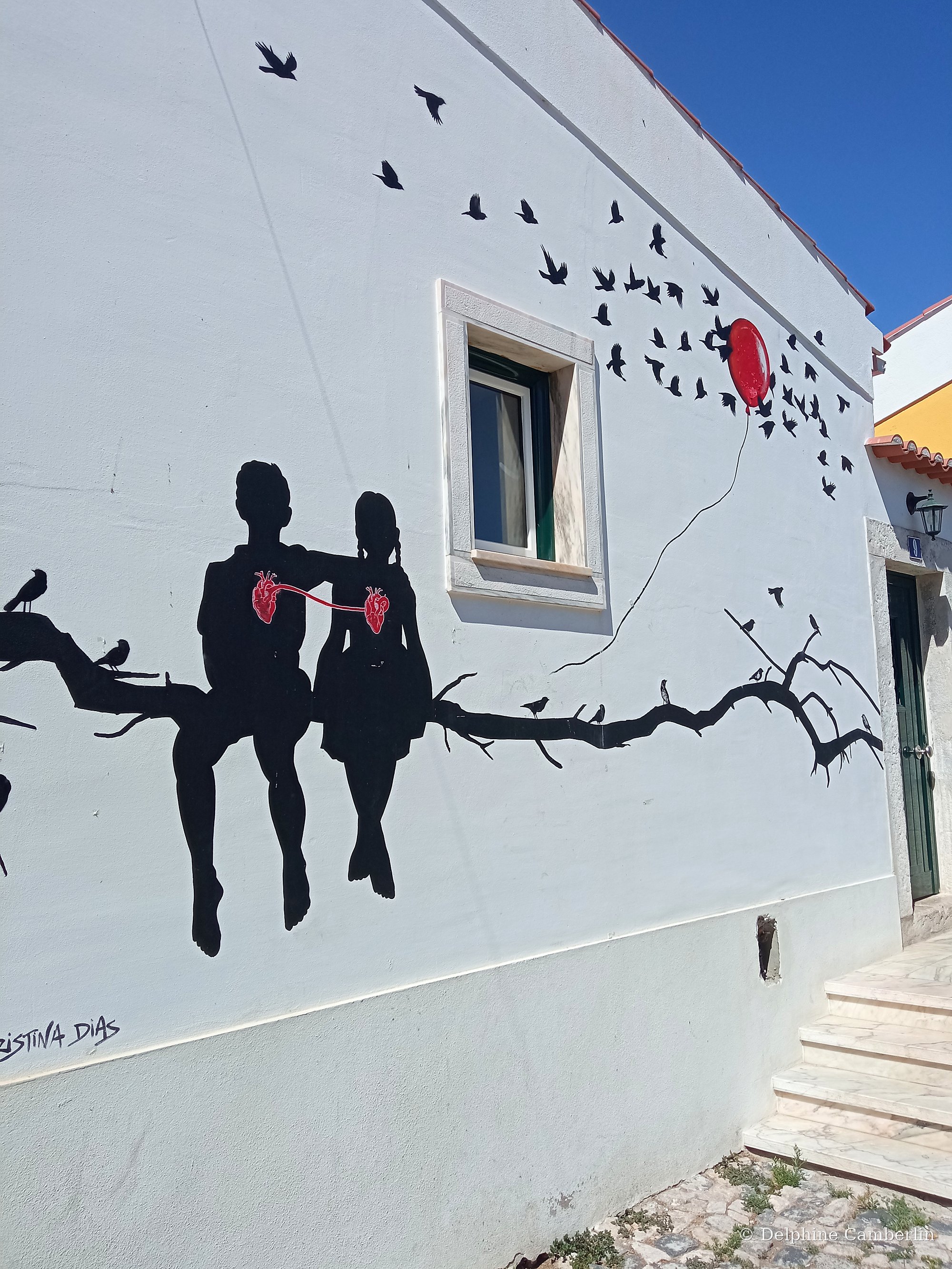 Buy from producers, not souvenir shops
Crafts and goods bought directly from the maker — at markets, cooperatives, or artisan workshops — deliver the full value to the person who made them. Mass-produced souvenirs sold in tourist shops are usually imported and contribute nothing to local craft traditions.
Buy from producers, not souvenir shops
Crafts and goods bought directly from the maker — at markets, cooperatives, or artisan workshops — deliver the full value to the person who made them. Mass-produced souvenirs sold in tourist shops are usually imported and contribute nothing to local craft traditions.
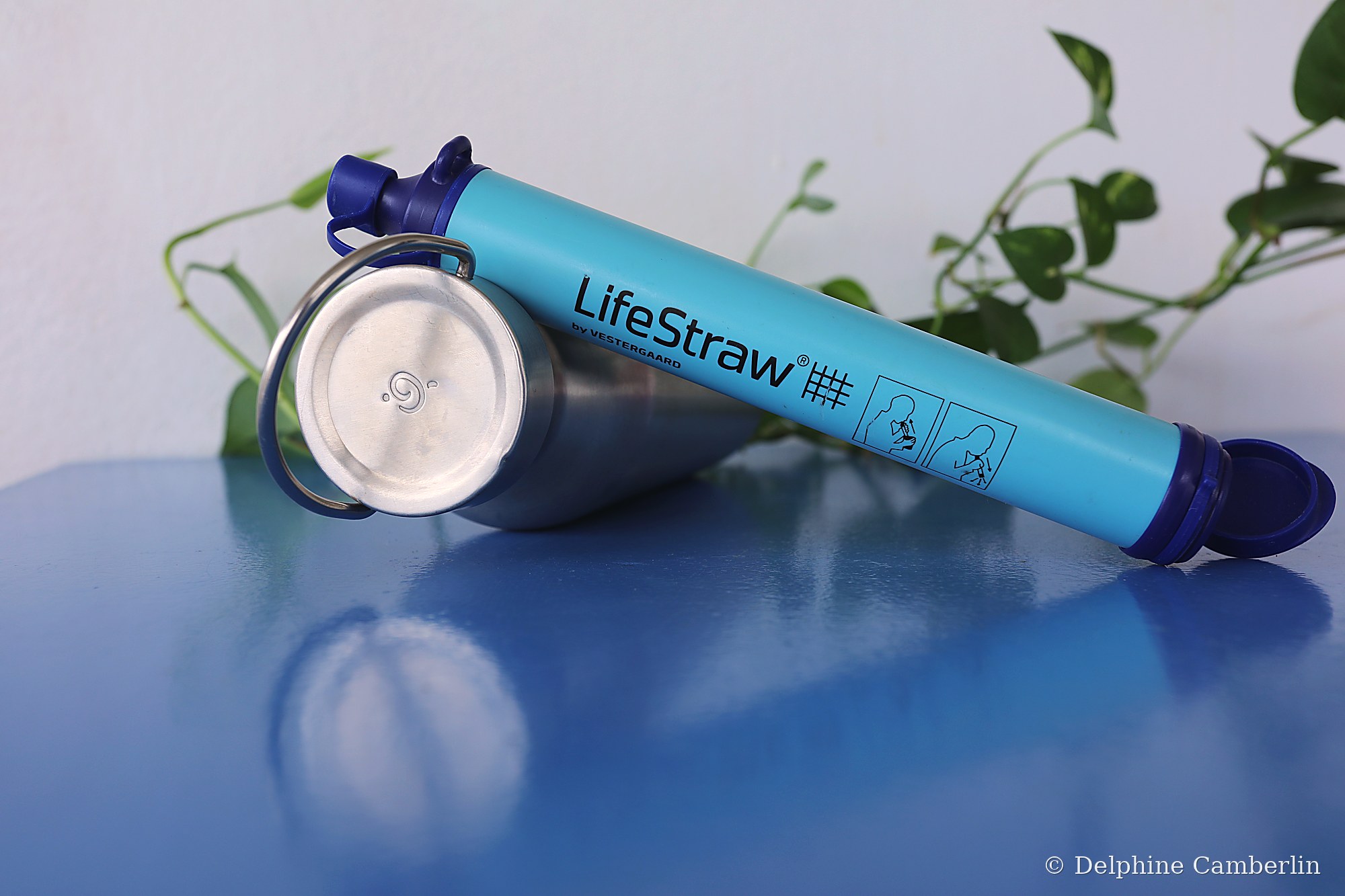 Manage water and waste
Carry a reusable bottle with a filter (Lifestraw or Grayl) — it eliminates single-use plastic in countries where tap water isn't safe. In coastal destinations and reefs, use reef-safe sunscreen. Carry a small bag for litter on hikes.
Manage water and waste
Carry a reusable bottle with a filter (Lifestraw or Grayl) — it eliminates single-use plastic in countries where tap water isn't safe. In coastal destinations and reefs, use reef-safe sunscreen. Carry a small bag for litter on hikes.
📸 Ethics in the Field
Photography is one of the areas where travel ethics get personal — and where small decisions matter most.
 Always ask before photographing people
This is non-negotiable. In indigenous communities particularly, photographing ceremonies, sacred objects, or people without permission is a serious intrusion. A refusal is not a missed shot — it's the right answer being given clearly.
Always ask before photographing people
This is non-negotiable. In indigenous communities particularly, photographing ceremonies, sacred objects, or people without permission is a serious intrusion. A refusal is not a missed shot — it's the right answer being given clearly.
 Know what not to photograph
Some sacred sites in Australia (certain areas of Uluru), ceremonial spaces in Bali, and tribal areas in Panama and Cambodia have explicit no-photography rules — posted or communicated by guides. These are not suggestions.
Know what not to photograph
Some sacred sites in Australia (certain areas of Uluru), ceremonial spaces in Bali, and tribal areas in Panama and Cambodia have explicit no-photography rules — posted or communicated by guides. These are not suggestions.
 Never photograph exploited animals
If an animal is being used as a prop for tourist photos — elephants ridden through jungles, monkeys, slow lorises, sloths, or zoo-fed giraffes posed with children — your photo funds the operation. Walk away. Report it if possible. The market for these encounters exists because tourists pay for it.
Never photograph exploited animals
If an animal is being used as a prop for tourist photos — elephants ridden through jungles, monkeys, slow lorises, sloths, or zoo-fed giraffes posed with children — your photo funds the operation. Walk away. Report it if possible. The market for these encounters exists because tourists pay for it.
 Spot the captivity before you click
Look past the animal. Bars, mesh, painted-concrete rockwork, bare-dirt floors, or a moat behind the subject all tell you you're shooting captivity, not wildlife. There are responsible sanctuaries — but if you can't see proof the animal is rescued, rehabilitated, and free to refuse interaction, treat your shot as advertising for the wrong thing.
Spot the captivity before you click
Look past the animal. Bars, mesh, painted-concrete rockwork, bare-dirt floors, or a moat behind the subject all tell you you're shooting captivity, not wildlife. There are responsible sanctuaries — but if you can't see proof the animal is rescued, rehabilitated, and free to refuse interaction, treat your shot as advertising for the wrong thing.
❓ FAQ
What's the single most impactful change a traveller can make?
Flying less. Aviation typically accounts for 60–80% of a trip's carbon footprint, and a single long-haul flight can outweigh a year of all other lifestyle changes combined. Take fewer, longer trips rather than multiple short ones; choose direct flights; fly economy not business; and consider rail or boat for any journey under six hours.
Are train tickets really cheaper than flights in Europe?
For most short-to-medium European routes, yes — and even when they're not strictly cheaper, the door-to-door cost (with airport transfers, baggage fees, and time off work) usually favours the train. Lisbon–Porto, London–Amsterdam, Paris–Brussels and Oslo–Bergen all beat their flight equivalents on every metric.
How do I find genuinely local guesthouses?
Book direct via the owner's site or local platforms (booking.com is fine but extracts 15–25% commission; direct bookings keep more in the destination). Look for properties with named individual hosts in the listing, fewer than 20 rooms, and reviews mentioning specific staff members. Avoid international chains in destinations where local options exist.
Is buying souvenirs at the airport bad?
Most airport souvenirs are mass-produced and imported. The economic benefit to the destination is minimal. Buy at markets, artisan workshops, or cooperatives where you can see who made the item — that's where your money lands in the local economy.
What's reef-safe sunscreen and why does it matter?
Reef-safe sunscreens use mineral filters (zinc oxide, titanium dioxide) instead of chemical filters (oxybenzone, octinoxate) that bleach coral. Required in Hawaii, Palau and parts of Mexico — and increasingly stocked everywhere. If you're going anywhere near a reef, the switch is non-negotiable.
Skipping the physical SIM is a small but genuine win — no plastic card, no packaging, no queue at the airport kiosk. A travel eSIM activates before you land and connects you on local rates instantly. Roamic works across most of the destinations covered in this guide.
Get a Travel eSIM →Subscribe to the Newsletter
New eco guides, travel stories, and photography from 18 countries. One email, no spam.