The first rule of eco packing: Use what you already have. Buying new "sustainable" gear to replace perfectly functional existing gear is not sustainable. The most eco-friendly kit is the kit that lasts ten years.
🎒 What Every Responsible Traveller Carries
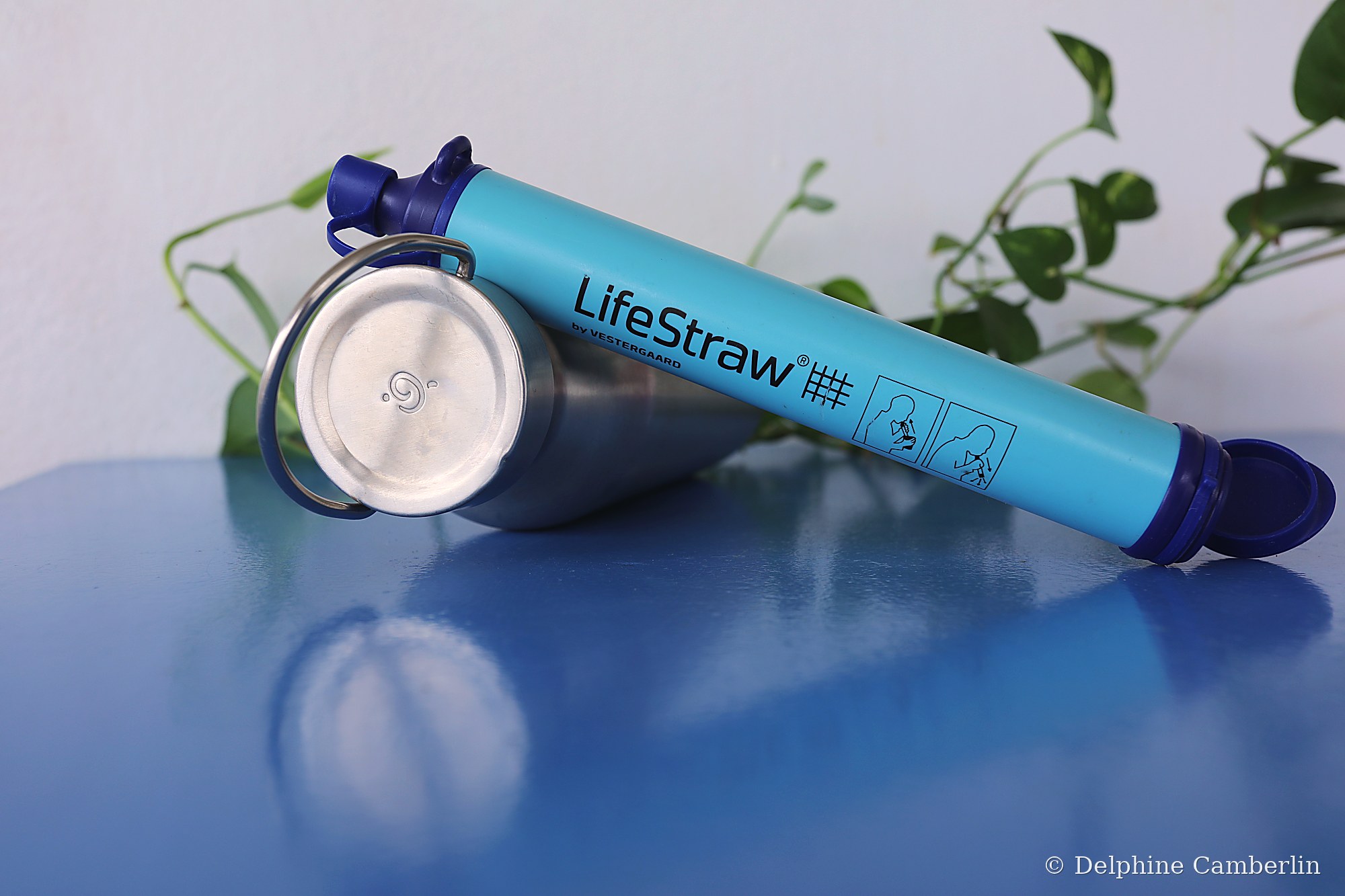 Filtered water bottle
A reusable bottle with a built-in filter eliminates single-use plastic bottles across any destination. The Grayl Geopress and Lifestraw Go both filter bacteria, protozoa, and microplastics — covering you in Cambodia, India, Indonesia, and beyond.→ Grayl Geopress on Amazon → Lifestraw Go on Amazon
Filtered water bottle
A reusable bottle with a built-in filter eliminates single-use plastic bottles across any destination. The Grayl Geopress and Lifestraw Go both filter bacteria, protozoa, and microplastics — covering you in Cambodia, India, Indonesia, and beyond.→ Grayl Geopress on Amazon → Lifestraw Go on Amazon
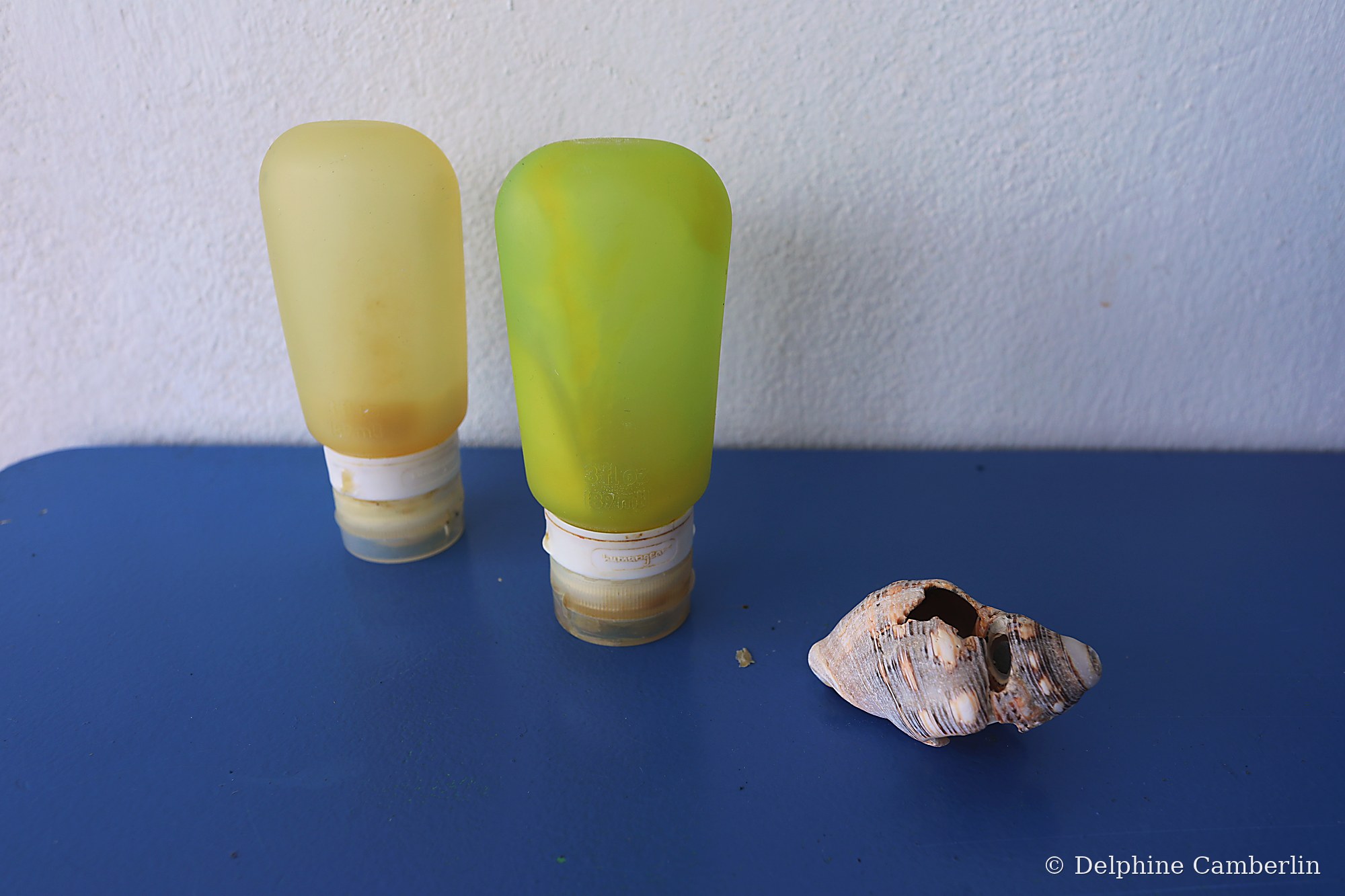 Refillable travel bottles
Silicone 100 ml refillable bottles eliminate the airport-security mini-shampoo waste forever. Fill them with your favourite shampoo, conditioner, sunscreen or moisturiser at home — TSA-compliant, leak-proof, and reusable for years. One small switch that prevents dozens of single-use plastic minis on every trip.→ Refillable silicone bottles on Amazon
Refillable travel bottles
Silicone 100 ml refillable bottles eliminate the airport-security mini-shampoo waste forever. Fill them with your favourite shampoo, conditioner, sunscreen or moisturiser at home — TSA-compliant, leak-proof, and reusable for years. One small switch that prevents dozens of single-use plastic minis on every trip.→ Refillable silicone bottles on Amazon
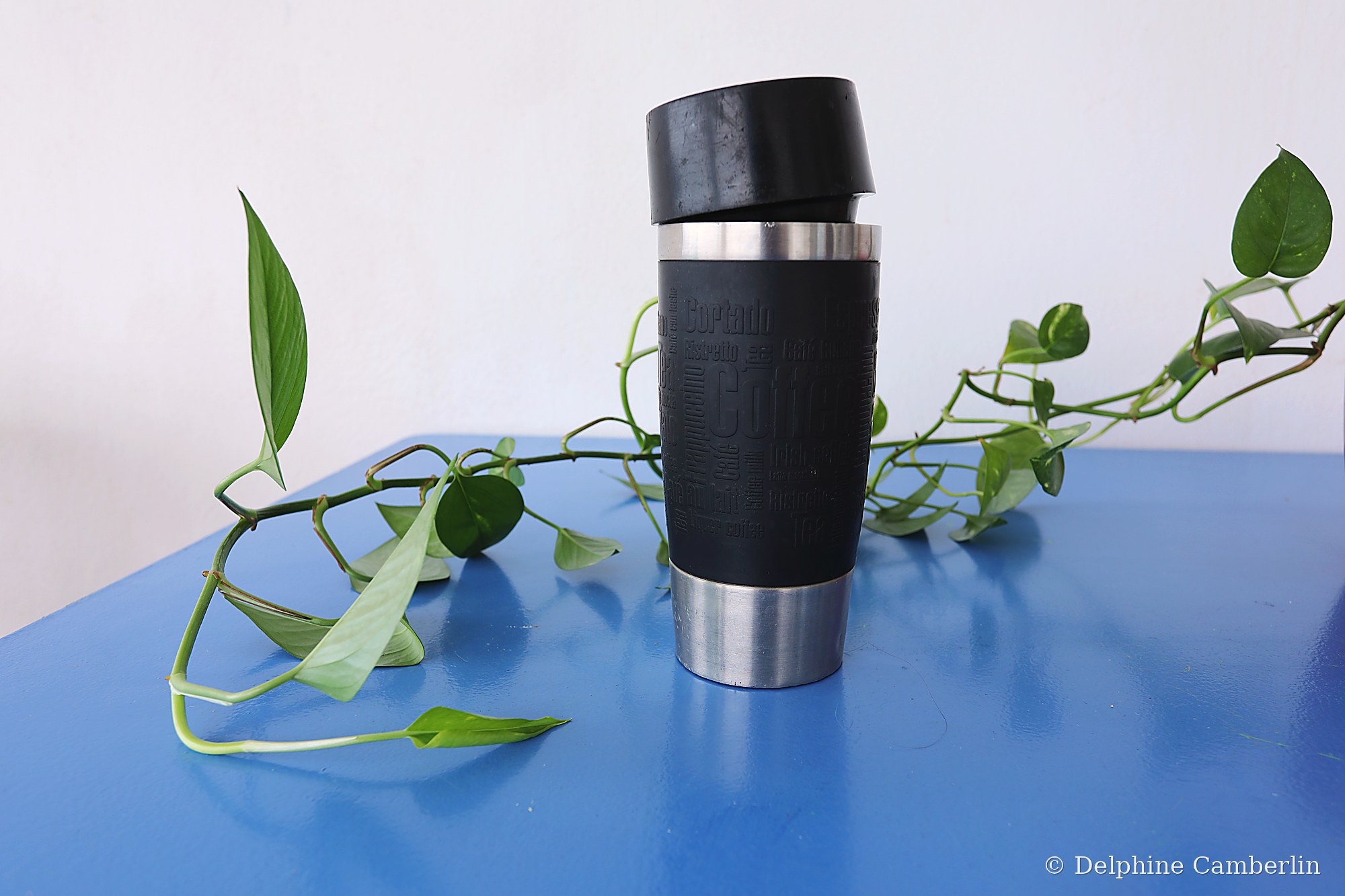 Insulated water bottle (B Corp)
Design Letters — a Danish B Corp founded in Copenhagen — make insulated water bottles that keep drinks cold for 24h and warm for 12h. Scandinavian minimalist design, 100% recyclable steel, and the brand is certified B Corp for measurable environmental commitment. The Travel Collection also covers travel mugs and bags worth packing for slow-travel and remote-work trips. €36 average; ships across the EU.→ Design Letters insulated bottles & travel mugs
Insulated water bottle (B Corp)
Design Letters — a Danish B Corp founded in Copenhagen — make insulated water bottles that keep drinks cold for 24h and warm for 12h. Scandinavian minimalist design, 100% recyclable steel, and the brand is certified B Corp for measurable environmental commitment. The Travel Collection also covers travel mugs and bags worth packing for slow-travel and remote-work trips. €36 average; ships across the EU.→ Design Letters insulated bottles & travel mugs
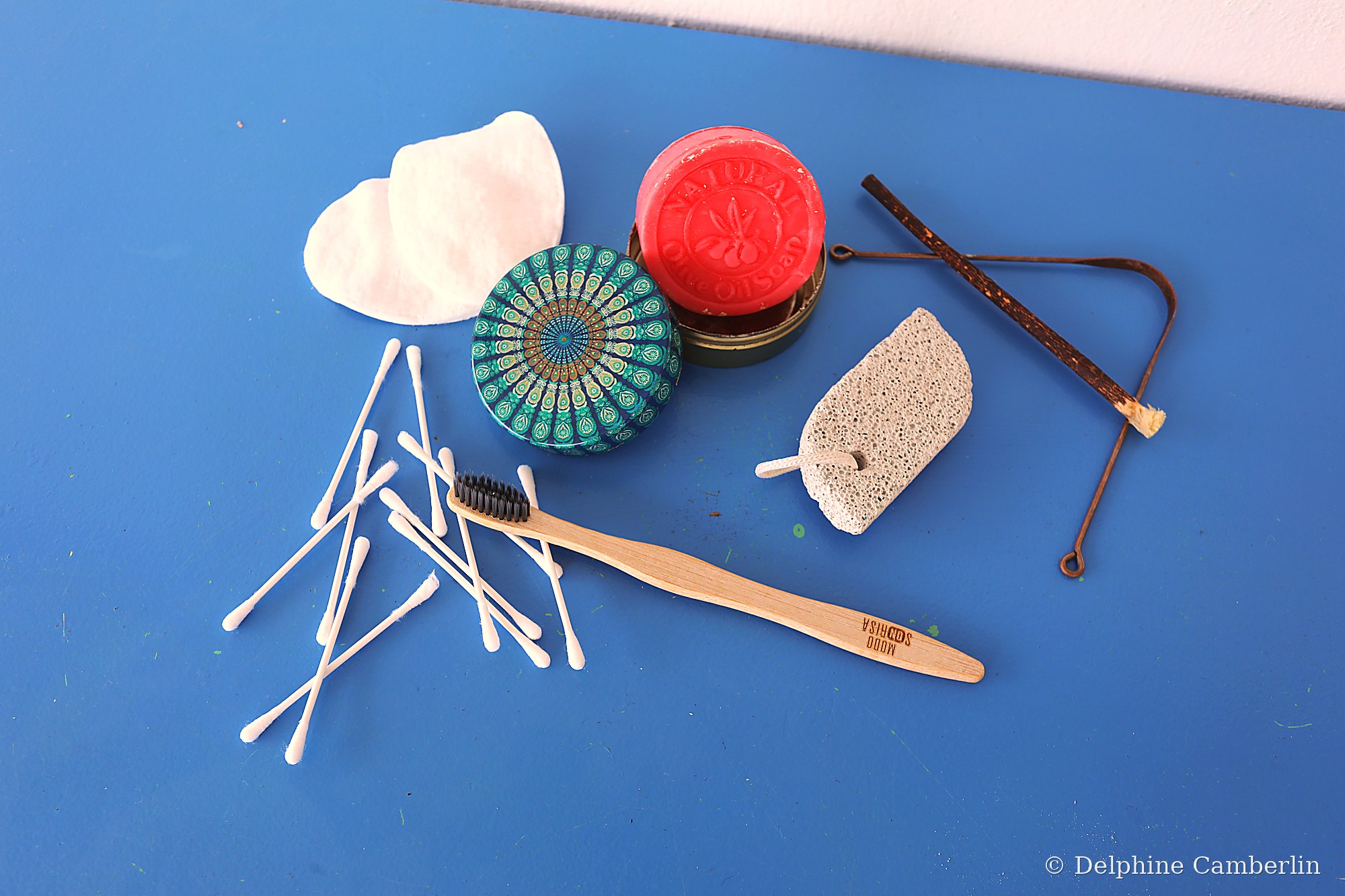 Solid toiletries
Shampoo bars, solid conditioner, and soap bars eliminate plastic bottles entirely and are usually made with fewer synthetic chemicals. They also go through airport security without the liquids bag. Ethique and Lush both make reliable options.→ Ethique shampoo bar on Amazon
Solid toiletries
Shampoo bars, solid conditioner, and soap bars eliminate plastic bottles entirely and are usually made with fewer synthetic chemicals. They also go through airport security without the liquids bag. Ethique and Lush both make reliable options.→ Ethique shampoo bar on Amazon
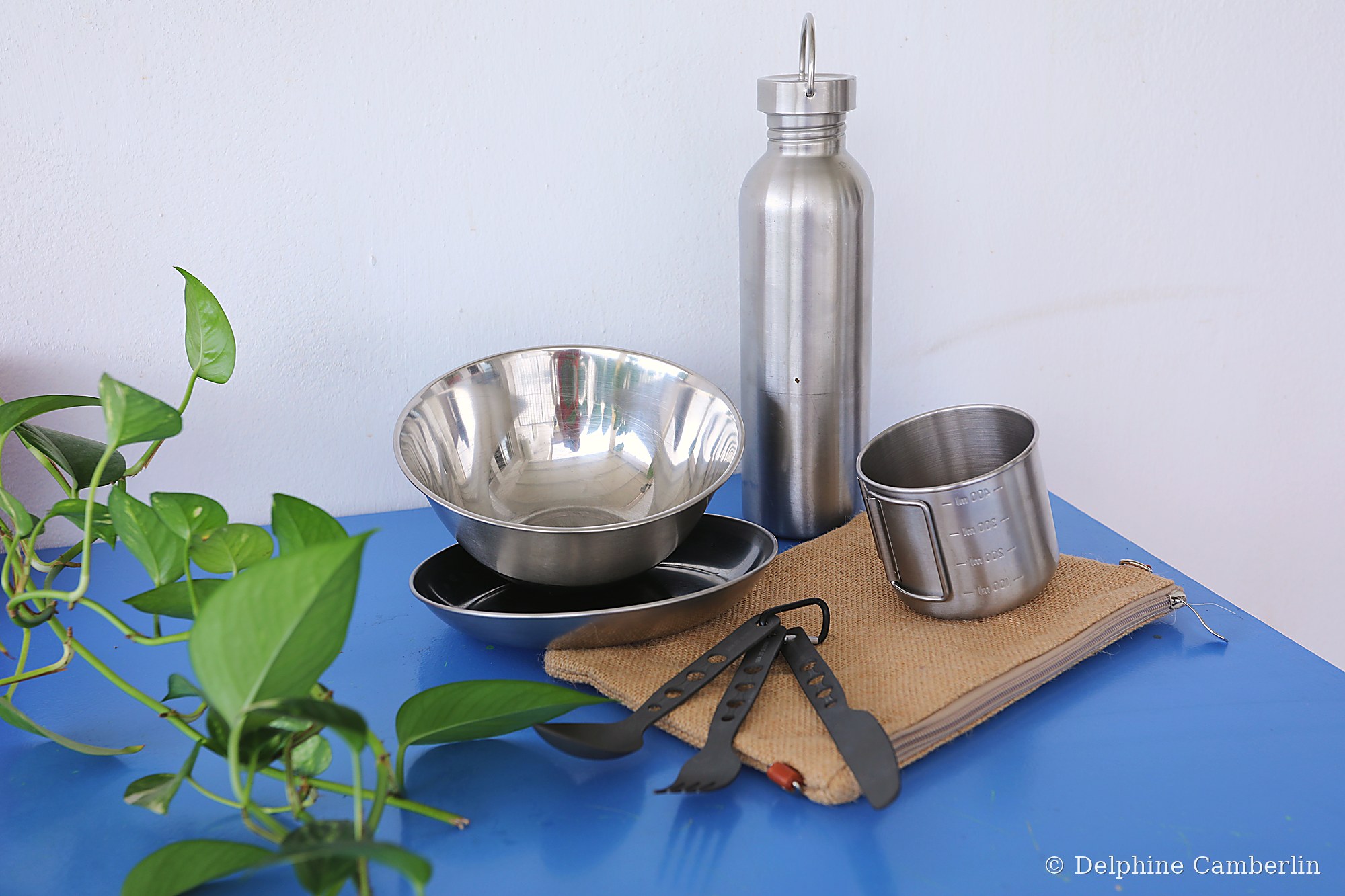 Reusable bag & utensils
A packable tote bag eliminates plastic bags across all destinations. A lightweight bamboo or titanium utensil set is particularly useful in Southeast Asia, where plastic cutlery is ubiquitous at markets and street food stalls.→ Bamboo cutlery set on Amazon → Packable tote on Amazon
Reusable bag & utensils
A packable tote bag eliminates plastic bags across all destinations. A lightweight bamboo or titanium utensil set is particularly useful in Southeast Asia, where plastic cutlery is ubiquitous at markets and street food stalls.→ Bamboo cutlery set on Amazon → Packable tote on Amazon
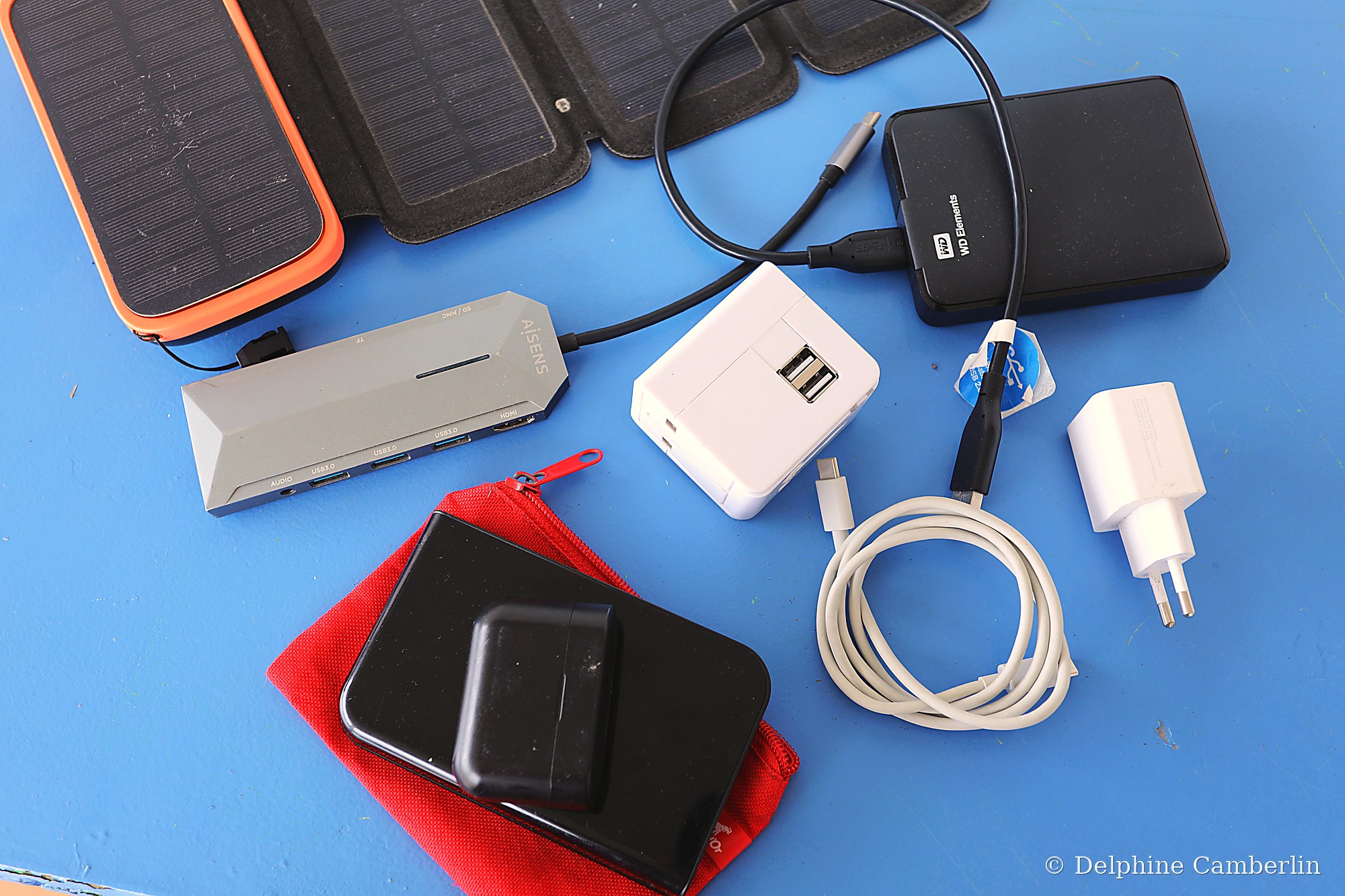 Solar or long-life power bank
A solar power bank reduces reliance on wall sockets in remote areas — particularly useful in Costa Rica's jungle lodges, Fiji's outer islands, and Norway's mountain cabins. Anker and Goal Zero make reliable models across price points.→ Anker power bank on Amazon → Goal Zero on Amazon
Solar or long-life power bank
A solar power bank reduces reliance on wall sockets in remote areas — particularly useful in Costa Rica's jungle lodges, Fiji's outer islands, and Norway's mountain cabins. Anker and Goal Zero make reliable models across price points.→ Anker power bank on Amazon → Goal Zero on Amazon
 Pack light — always
Every kilogram of luggage increases fuel consumption on flights. Packing carry-on only also eliminates checked bag fees, waiting at carousels, and lost luggage. The discipline to travel with less is its own form of sustainable practice.→ Lightweight carry-on luggage on Amazon
Pack light — always
Every kilogram of luggage increases fuel consumption on flights. Packing carry-on only also eliminates checked bag fees, waiting at carousels, and lost luggage. The discipline to travel with less is its own form of sustainable practice.→ Lightweight carry-on luggage on Amazon
🏷️ Brands Worth Choosing
Not all "sustainable" brand claims are equal. These brands have independently verified supply chains, material certifications, or active repair and recycling programmes.
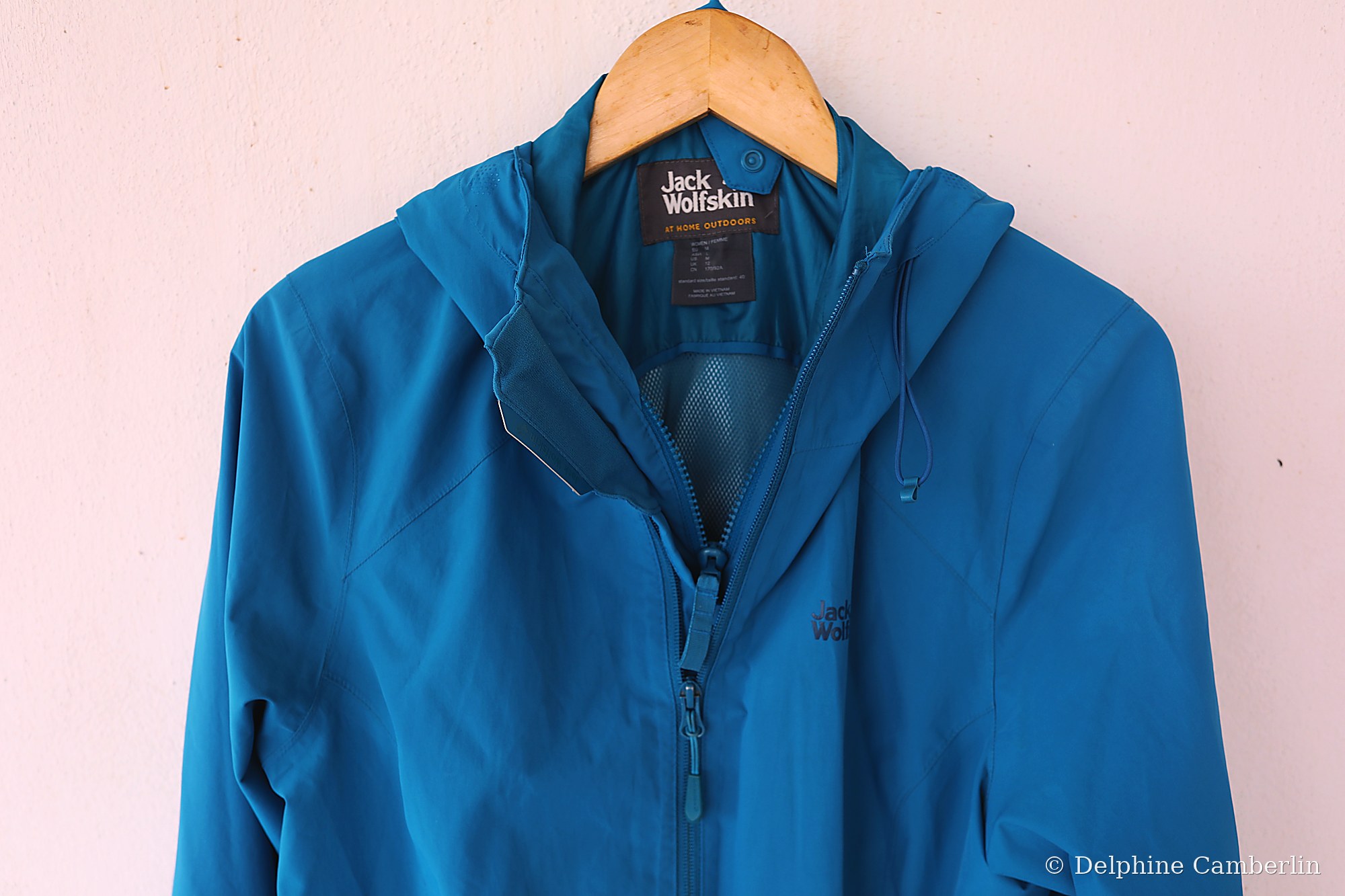 Outdoor B-Corps — Patagonia & Jack Wolfskin
Patagonia: Certified B Corp, lifetime repair guarantee, 1% of revenue to environmental causes, and the Worn Wear buy-back programme. Jack Wolfskin (pictured): one of the few outdoor brands with a fully traceable bluesign®-certified supply chain. Both deserve their price tags — and last a decade.→ Patagonia on Amazon
Outdoor B-Corps — Patagonia & Jack Wolfskin
Patagonia: Certified B Corp, lifetime repair guarantee, 1% of revenue to environmental causes, and the Worn Wear buy-back programme. Jack Wolfskin (pictured): one of the few outdoor brands with a fully traceable bluesign®-certified supply chain. Both deserve their price tags — and last a decade.→ Patagonia on Amazon
 Travel layers — tentree & recycled basics
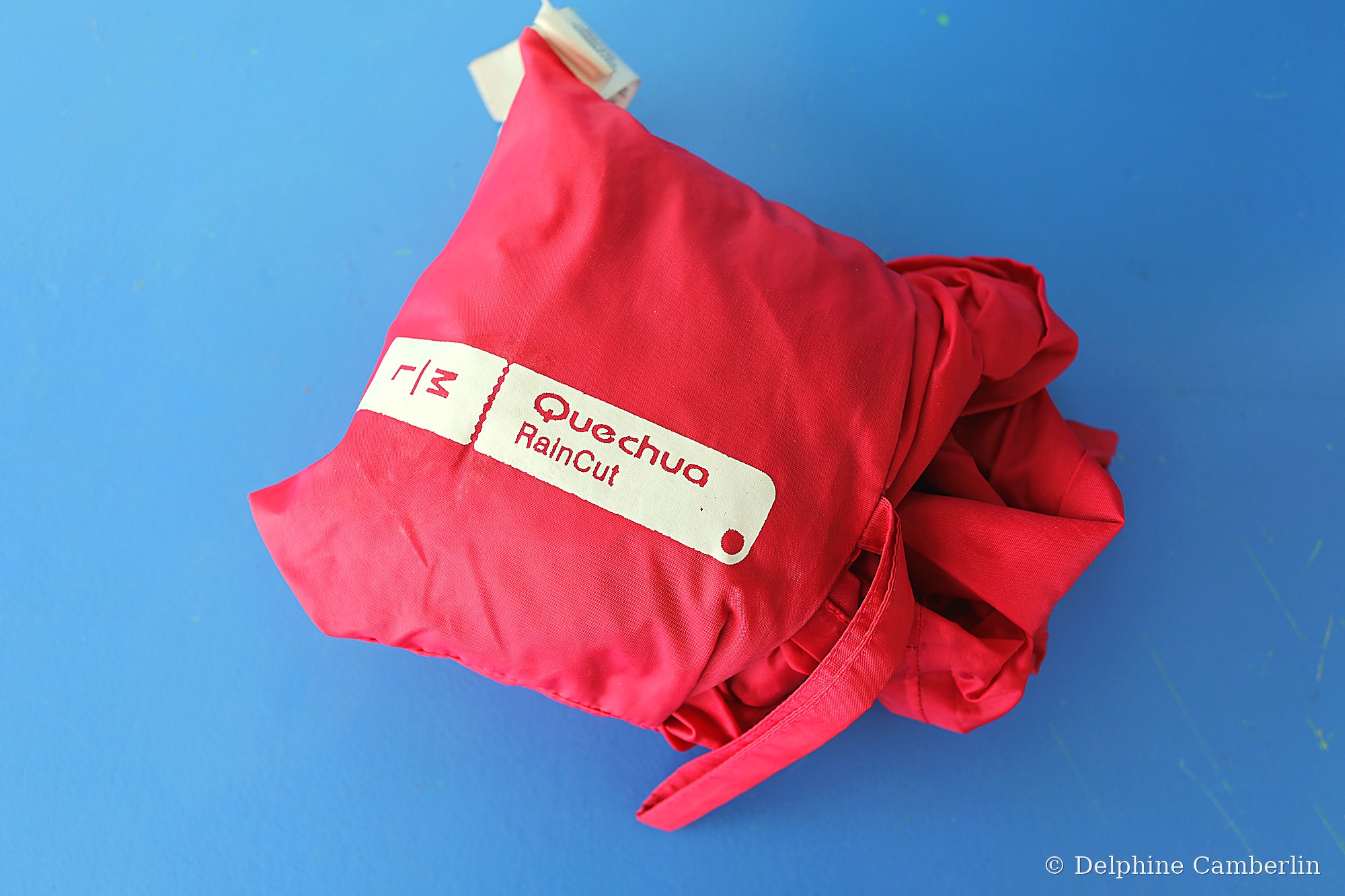
tentree plants ten trees per item sold (B Corp, organic cotton and TENCEL). Decathlon's Quechua line (pictured: the packable Raincut) is the budget alternative — recycled polyester, single-figure prices, and surprisingly durable. Both work for lightweight travel layers.
Travel layers — tentree & recycled basics
tentree plants ten trees per item sold (B Corp, organic cotton and TENCEL). Decathlon's Quechua line (pictured: the packable Raincut) is the budget alternative — recycled polyester, single-figure prices, and surprisingly durable. Both work for lightweight travel layers.
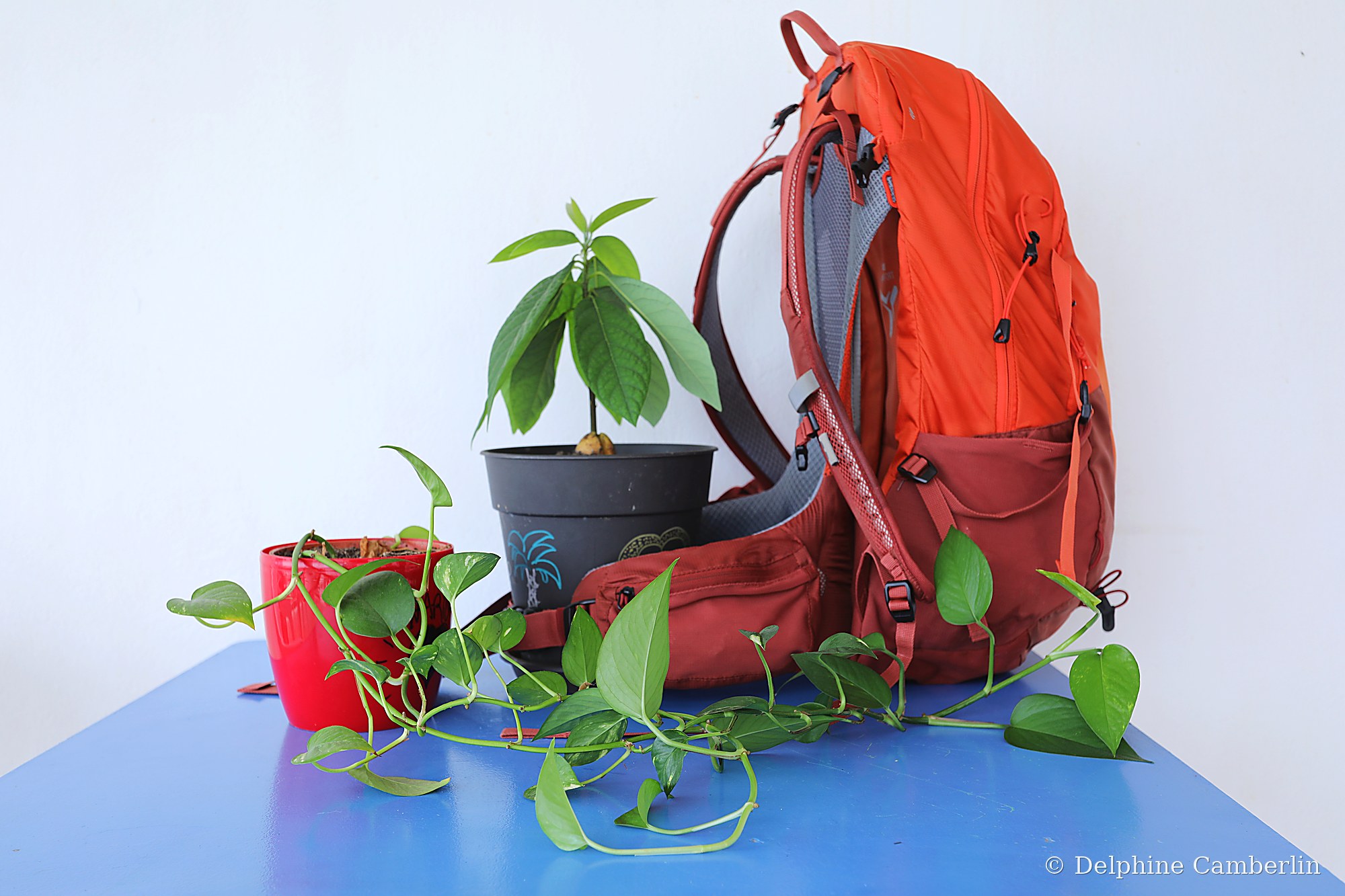
 Lifetime-guarantee packs — Osprey & Deuter
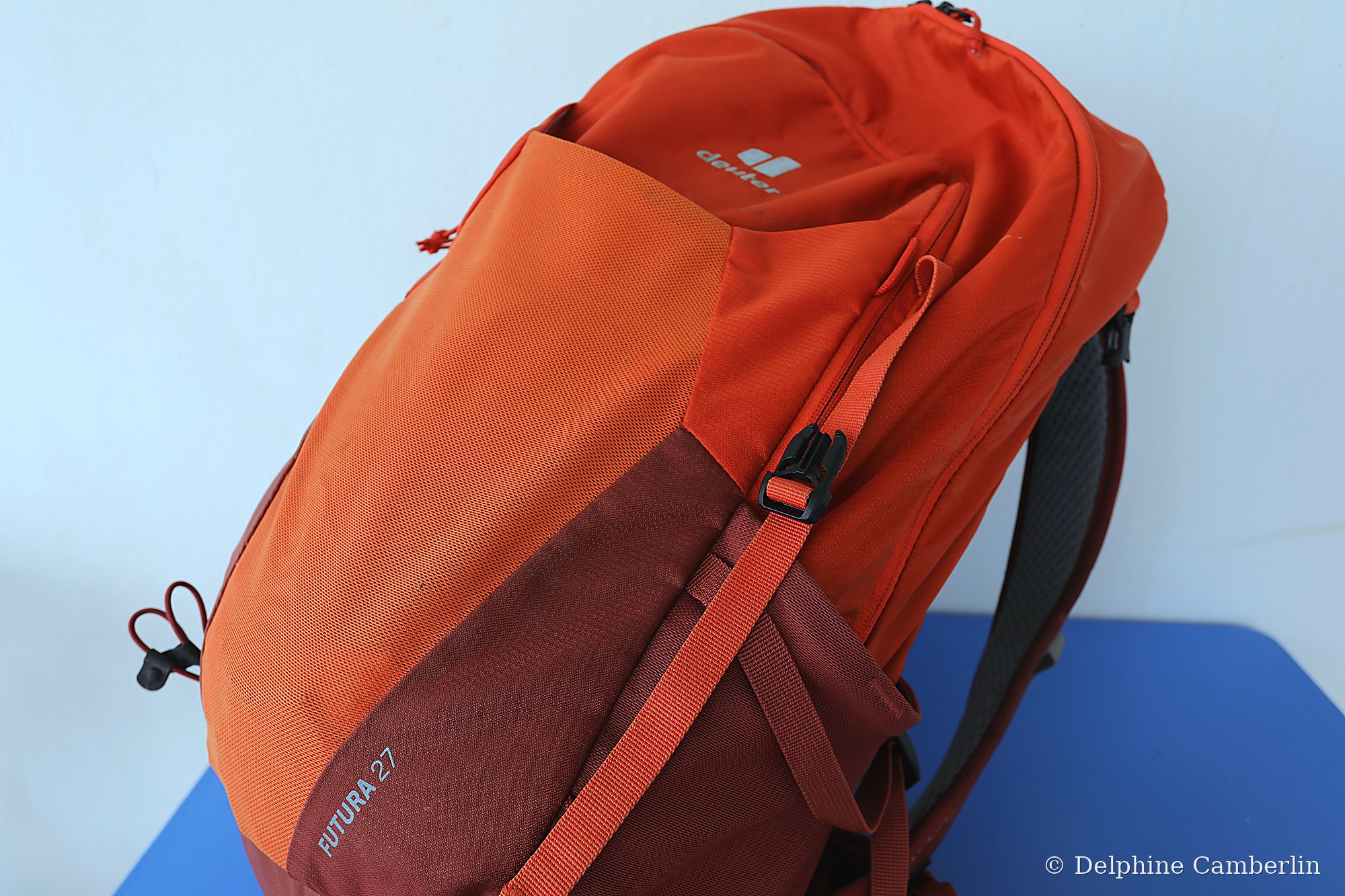
Osprey: lifetime All Mighty Guarantee, genuinely honored, recycled materials across most lines. Deuter (pictured): similar lifetime repair policy, German engineering, and bluesign®-certified main fabrics. Either one will be your last backpack for the next decade.→ Osprey backpacks on Amazon
Lifetime-guarantee packs — Osprey & Deuter
Osprey: lifetime All Mighty Guarantee, genuinely honored, recycled materials across most lines. Deuter (pictured): similar lifetime repair policy, German engineering, and bluesign®-certified main fabrics. Either one will be your last backpack for the next decade.→ Osprey backpacks on Amazon
 Travel shoes — Allbirds & natural-fibre options
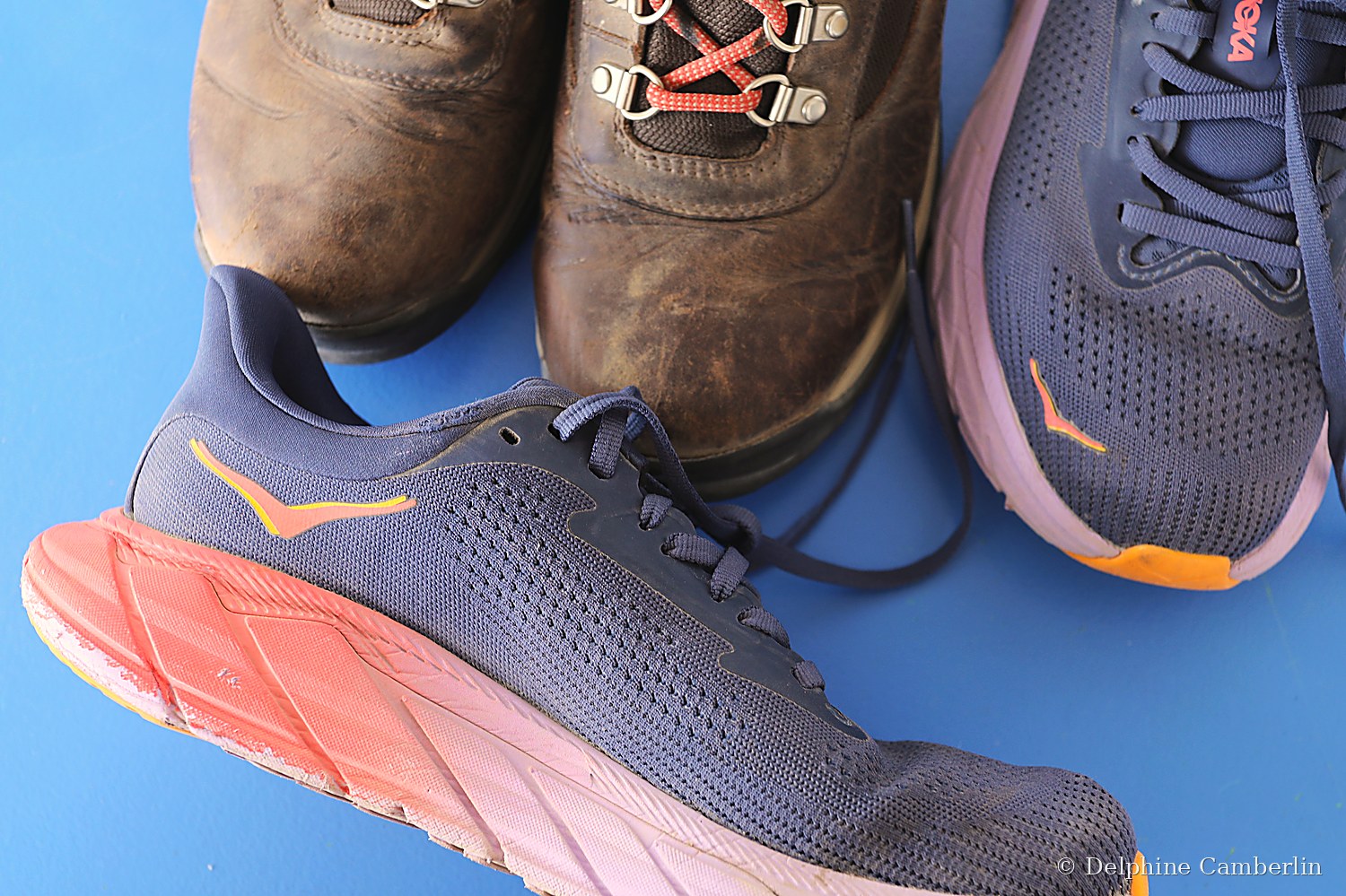
Allbirds: merino wool and sugarcane uppers, carbon footprint labelled on every product, low-profile city style. Hoka (pictured): the long-distance walker's choice — recycled materials in newer lines, and the most comfortable thing you can put on your feet for a 15 km city day. Pick by climate.→ Allbirds on Amazon
Travel shoes — Allbirds & natural-fibre options
Allbirds: merino wool and sugarcane uppers, carbon footprint labelled on every product, low-profile city style. Hoka (pictured): the long-distance walker's choice — recycled materials in newer lines, and the most comfortable thing you can put on your feet for a 15 km city day. Pick by climate.→ Allbirds on Amazon
A physical SIM card means plastic packaging, a card you'll lose or throw away, and often a queue at an airport kiosk. A travel eSIM activates digitally — no packaging, no physical waste, instant local data rates. Roamic covers most of the destinations in this guide.
Get a Travel eSIM →📚 Eco Travel Books Worth Reading
These books go deeper on sustainable travel philosophy, practical low-impact techniques, and destination-specific guidance for the responsible traveller.
 Eco Travel Guide
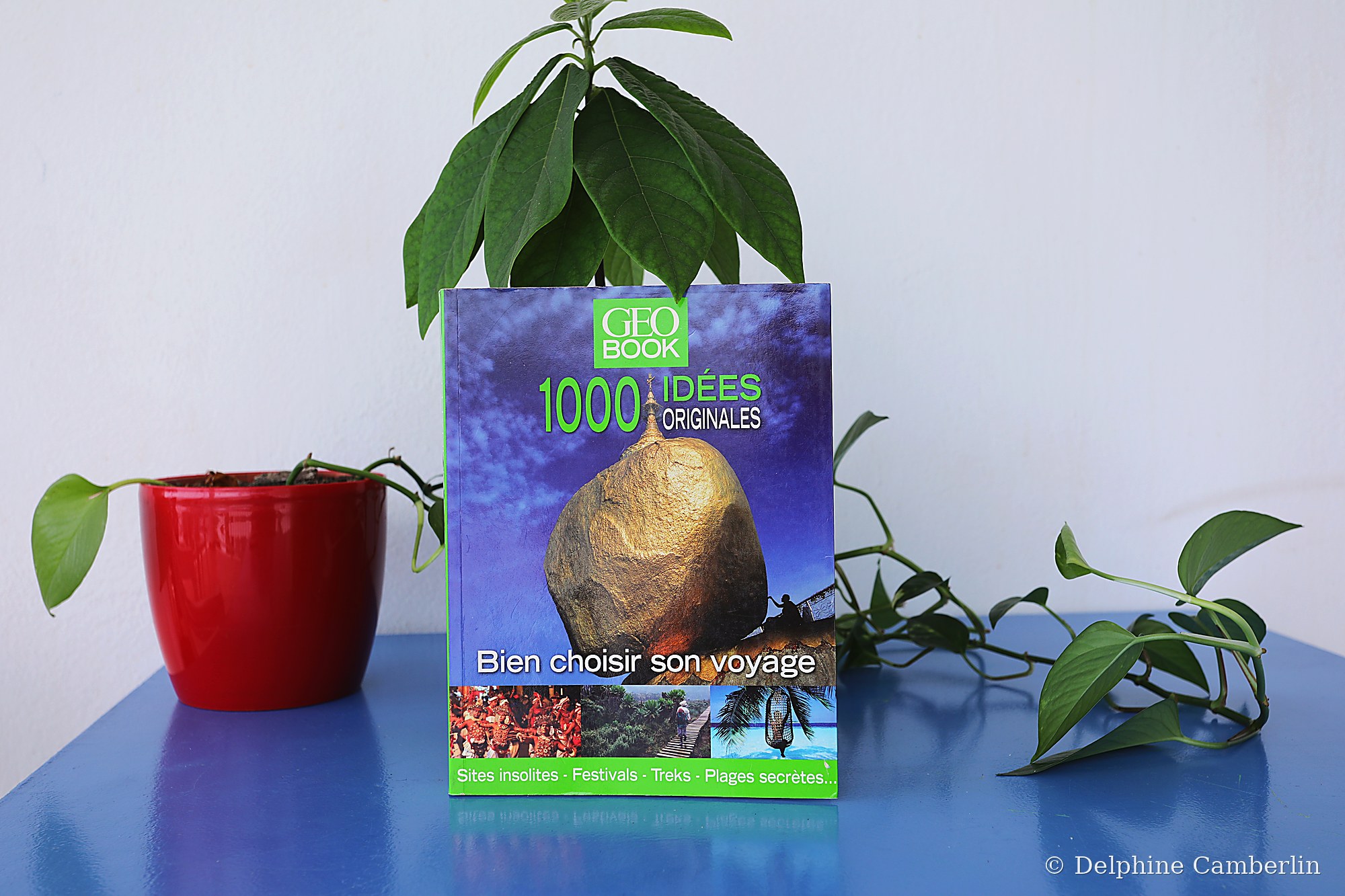
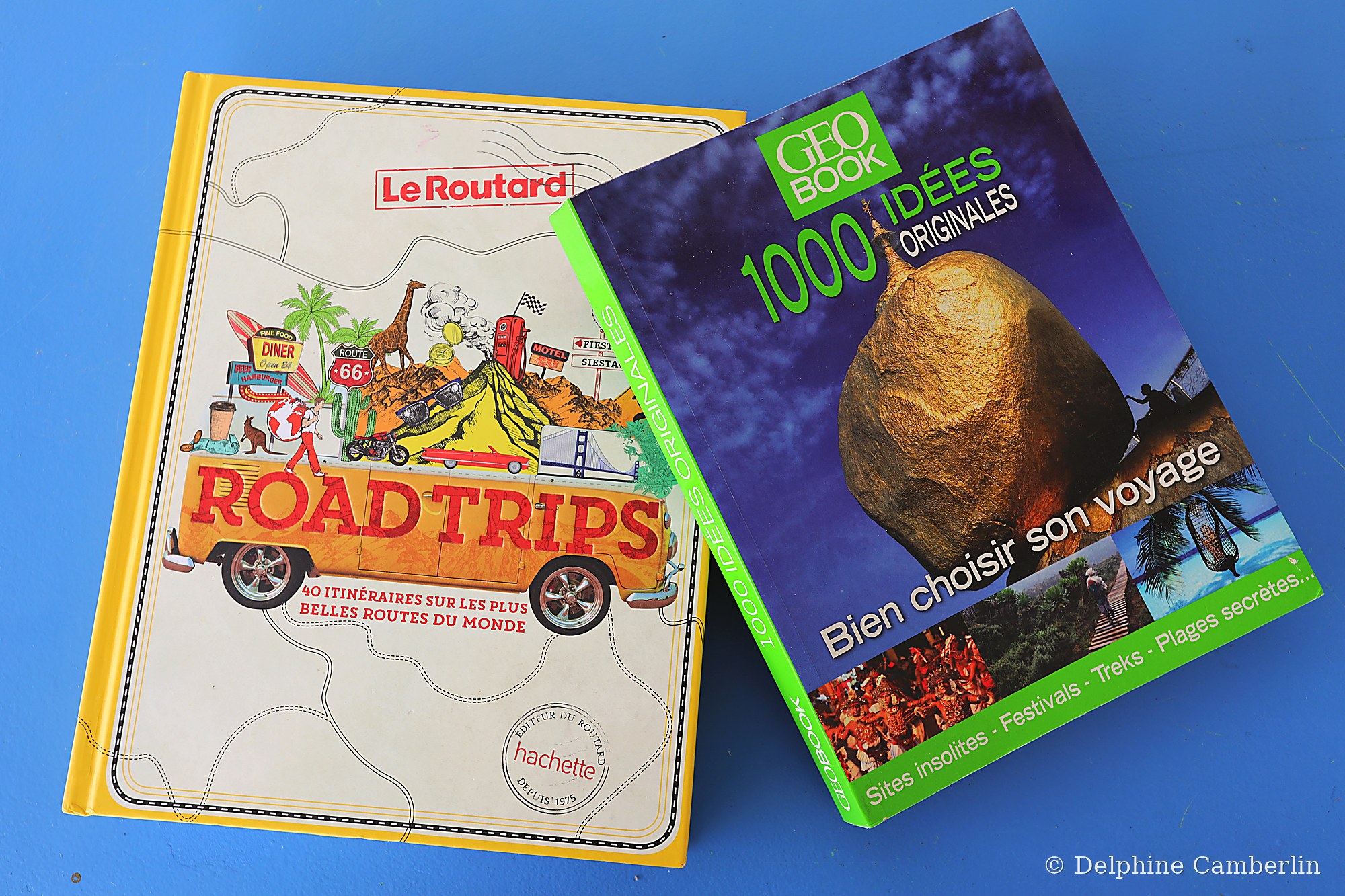
A comprehensive guide to responsible and sustainable travel destinations worldwide — what to book, what to avoid, and how to spot greenwashing.→ Eco Travel Guide on Amazon
Eco Travel Guide
A comprehensive guide to responsible and sustainable travel destinations worldwide — what to book, what to avoid, and how to spot greenwashing.→ Eco Travel Guide on Amazon
 Sustainable Travel — Practical Reads
Practical guidance on making your journeys kinder to the planet without sacrificing the experience: packing, transport, accommodation, and food choices on the road.→ Sustainable Travel on Amazon → Zero Waste Travel on Amazon
Sustainable Travel — Practical Reads
Practical guidance on making your journeys kinder to the planet without sacrificing the experience: packing, transport, accommodation, and food choices on the road.→ Sustainable Travel on Amazon → Zero Waste Travel on Amazon
 Eco Journey & Wildlife-Friendly Travel
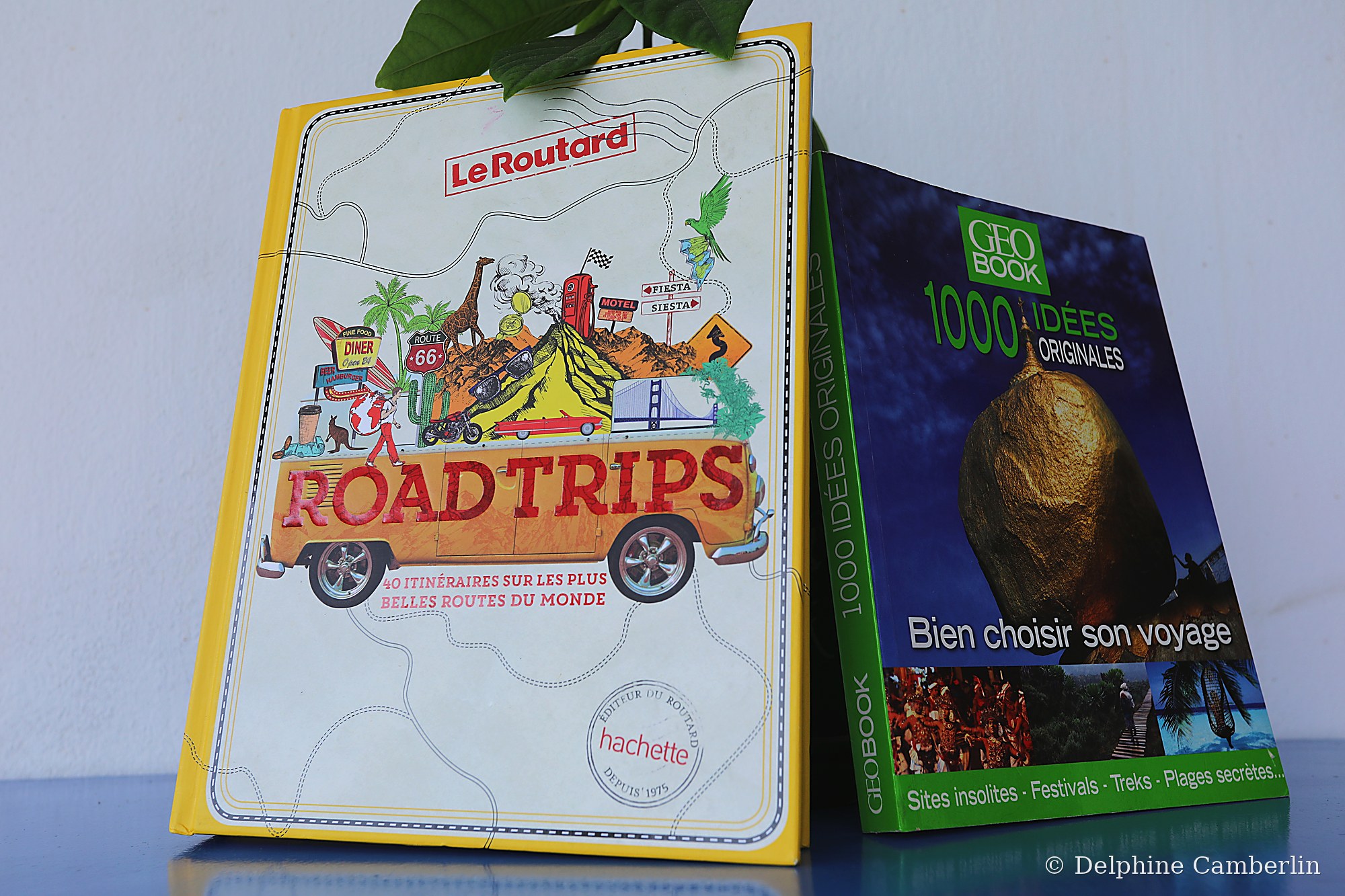
Inspiring stories and ecotourism principles — wildlife-friendly travel, slow journeys, and choosing operators that genuinely give back to the places they visit.→ Eco Journey on Amazon → Eco Travel on Amazon
Eco Journey & Wildlife-Friendly Travel
Inspiring stories and ecotourism principles — wildlife-friendly travel, slow journeys, and choosing operators that genuinely give back to the places they visit.→ Eco Journey on Amazon → Eco Travel on Amazon
🚫 What Not to Bring or Buy
Some purchases do direct harm — either through their production, or by creating demand for exploitative industries. These are the things to avoid.
 Coral, shells & wildlife products
Buying coral, shells, ivory, or products made from wild animals — even as small souvenirs — funds destructive collection practices. Many are also illegal to import. The rule: if it was once alive in the wild, don't buy it.
Coral, shells & wildlife products
Buying coral, shells, ivory, or products made from wild animals — even as small souvenirs — funds destructive collection practices. Many are also illegal to import. The rule: if it was once alive in the wild, don't buy it.
 Chemical sunscreen in reef destinations
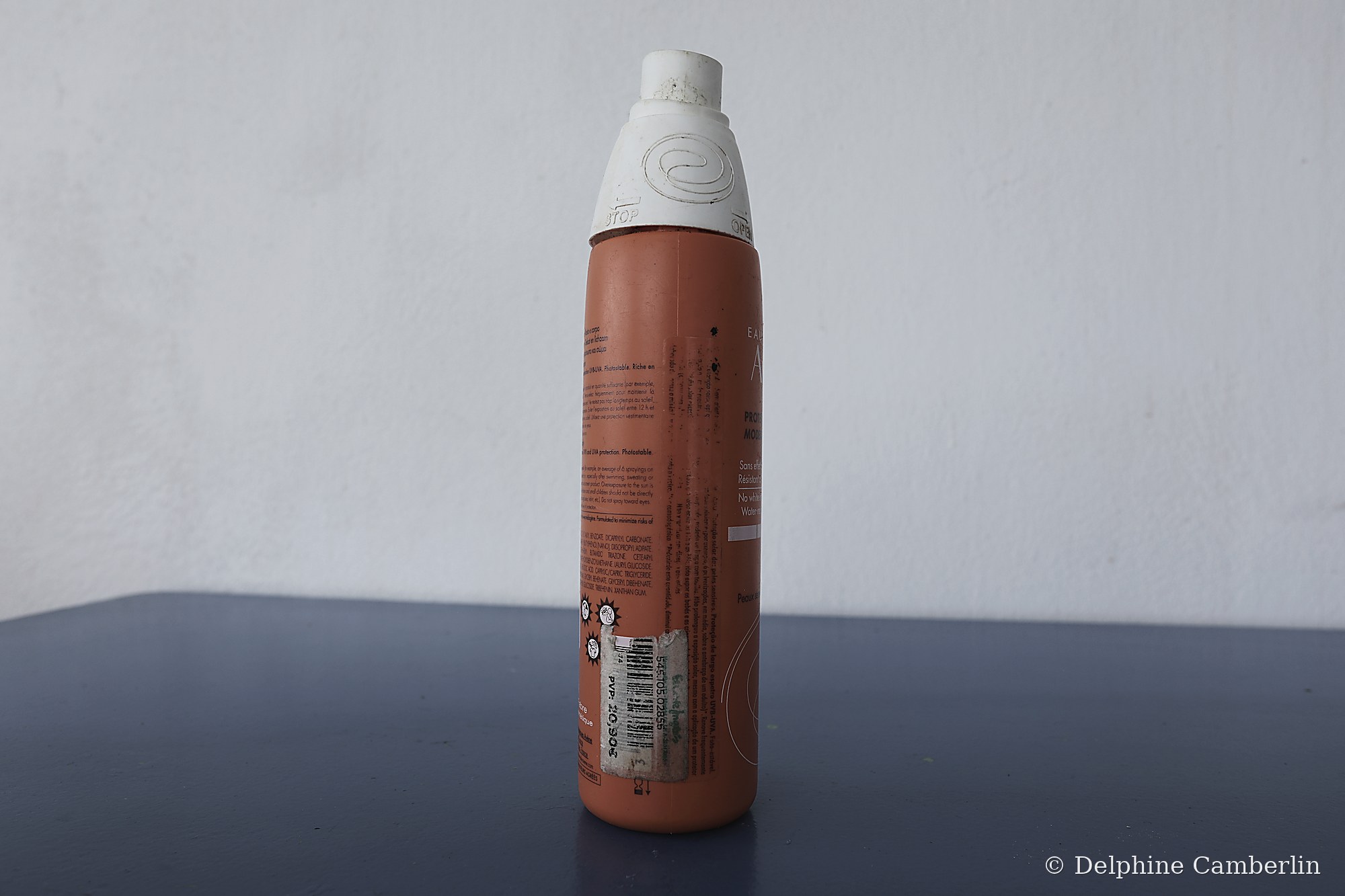
Already covered above — but worth repeating. Some reef destinations (Palau, Hawaii, parts of Mexico) have banned chemical sunscreen outright. Fiji, Australia, and Indonesia are likely to follow. Switch before you go.
Chemical sunscreen in reef destinations
Already covered above — but worth repeating. Some reef destinations (Palau, Hawaii, parts of Mexico) have banned chemical sunscreen outright. Fiji, Australia, and Indonesia are likely to follow. Switch before you go.
 Fast fashion "travel clothes"
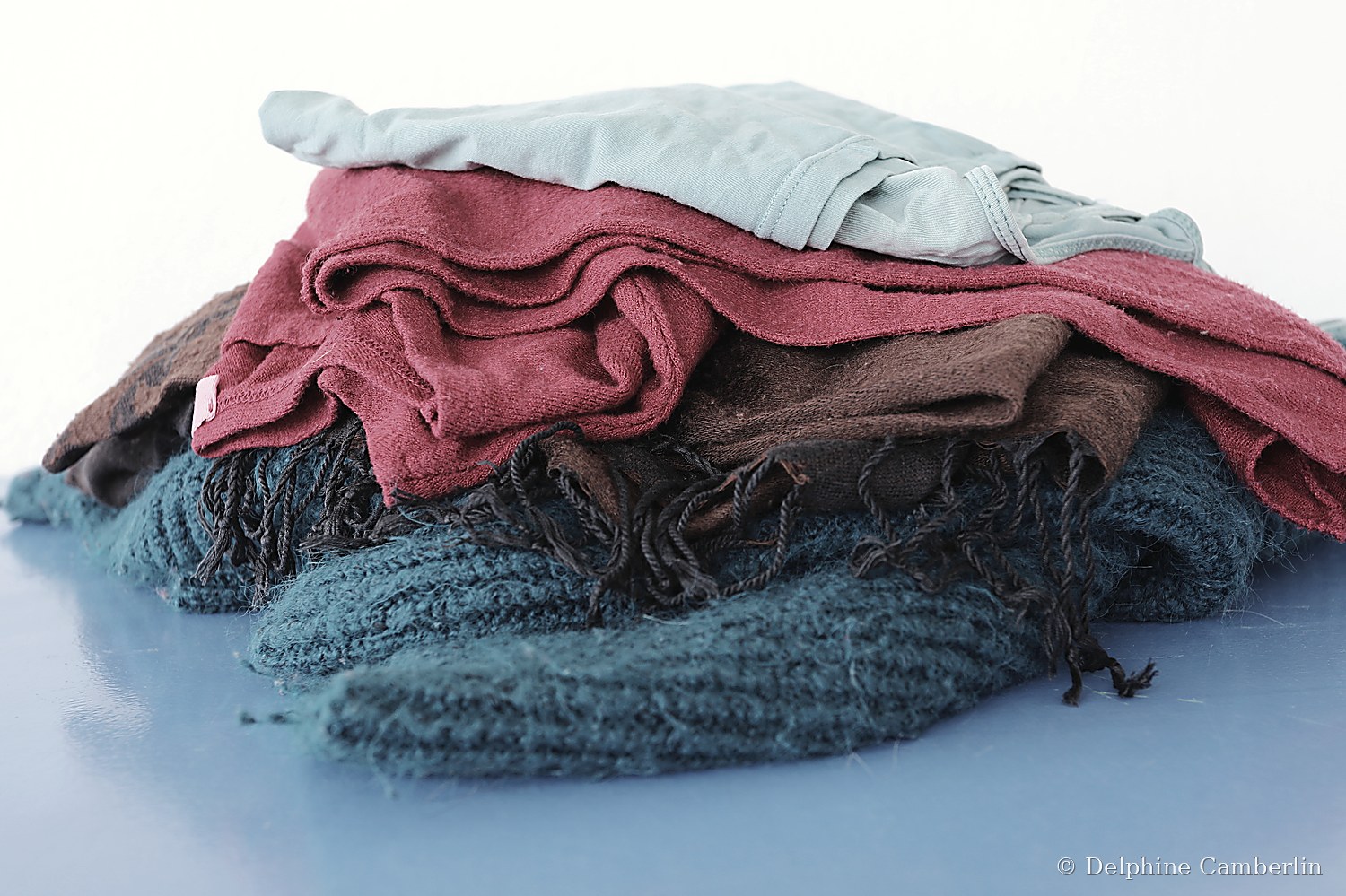
Cheap polyester travel clothing sheds microplastics every wash and typically lasts one or two seasons before falling apart. Invest in fewer, better pieces made from natural or recycled fibres that will still be in use in five years.
Fast fashion "travel clothes"
Cheap polyester travel clothing sheds microplastics every wash and typically lasts one or two seasons before falling apart. Invest in fewer, better pieces made from natural or recycled fibres that will still be in use in five years.
📷 Cameras Are the Most Overlooked Eco-Gear Choice
The most sustainable camera is the one you already own — but if you're upgrading, a used certified body costs 30–60% less than new and keeps a perfectly good camera in circulation instead of landfill. KEH Camera in the US (and MPB in Europe — pending) grade every body and lens, warranty the gear, and accept trade-ins of your old kit.
Browse used cameras at KEH →Affiliate link — small commission at no extra cost to you.
Subscribe to the Newsletter
New eco guides, travel stories, and photography from 18 countries. One email, no spam.