🎨 Responsible Travel for Every Type of Traveller
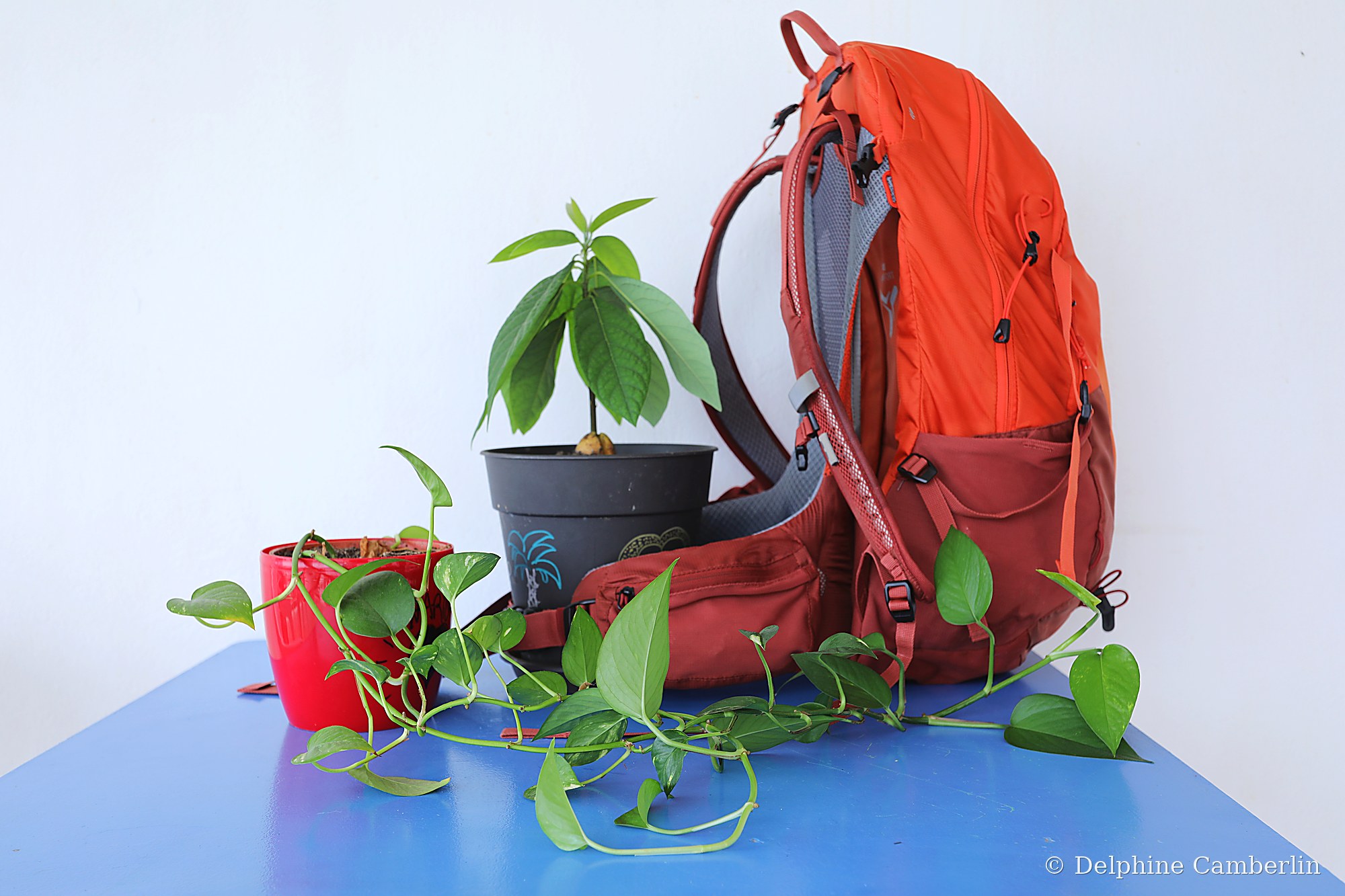 The solo backpacker
Your travel style is already relatively low-impact — you move slowly, eat locally, and stay in locally owned accommodation. The biggest upgrade: swap single-use plastic kit for reusables, offset your flights, and seek out community-run experiences over tourist-market activities.
The solo backpacker
Your travel style is already relatively low-impact — you move slowly, eat locally, and stay in locally owned accommodation. The biggest upgrade: swap single-use plastic kit for reusables, offset your flights, and seek out community-run experiences over tourist-market activities.
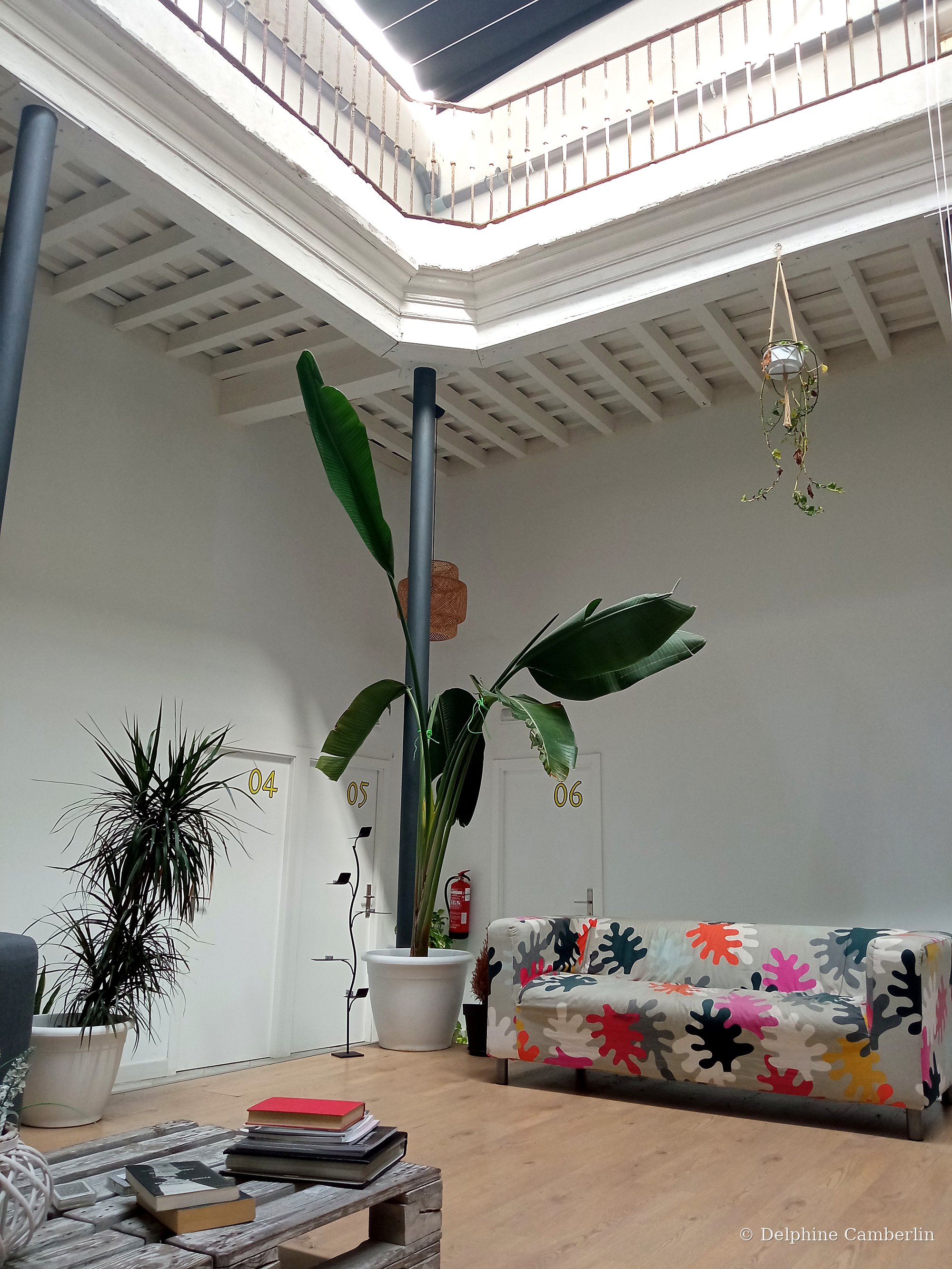 The family traveller
Family travel is a powerful opportunity to model responsible behaviour for children. Choose accommodation with direct community links — farm stays in Portugal, village guesthouses in the Balkans, eco-lodges in Costa Rica. Let children participate in the choices and explain why they matter.
The family traveller
Family travel is a powerful opportunity to model responsible behaviour for children. Choose accommodation with direct community links — farm stays in Portugal, village guesthouses in the Balkans, eco-lodges in Costa Rica. Let children participate in the choices and explain why they matter.
 The photographer
Your greatest responsibility is asking before you shoot — especially with people, children, and in indigenous communities. Stay on marked paths in natural areas to avoid habitat damage. Avoid drones in national parks, above wildlife, or over communities without explicit permission.
The photographer
Your greatest responsibility is asking before you shoot — especially with people, children, and in indigenous communities. Stay on marked paths in natural areas to avoid habitat damage. Avoid drones in national parks, above wildlife, or over communities without explicit permission.
 The luxury traveller
Luxury and sustainability are increasingly compatible. The defining question is: who benefits? A high-end lodge that employs local staff, sources food locally, and funds a conservation programme is genuine. One that flies in most of its supplies and staff is not — regardless of the thread count.
The luxury traveller
Luxury and sustainability are increasingly compatible. The defining question is: who benefits? A high-end lodge that employs local staff, sources food locally, and funds a conservation programme is genuine. One that flies in most of its supplies and staff is not — regardless of the thread count.
 The adventure traveller
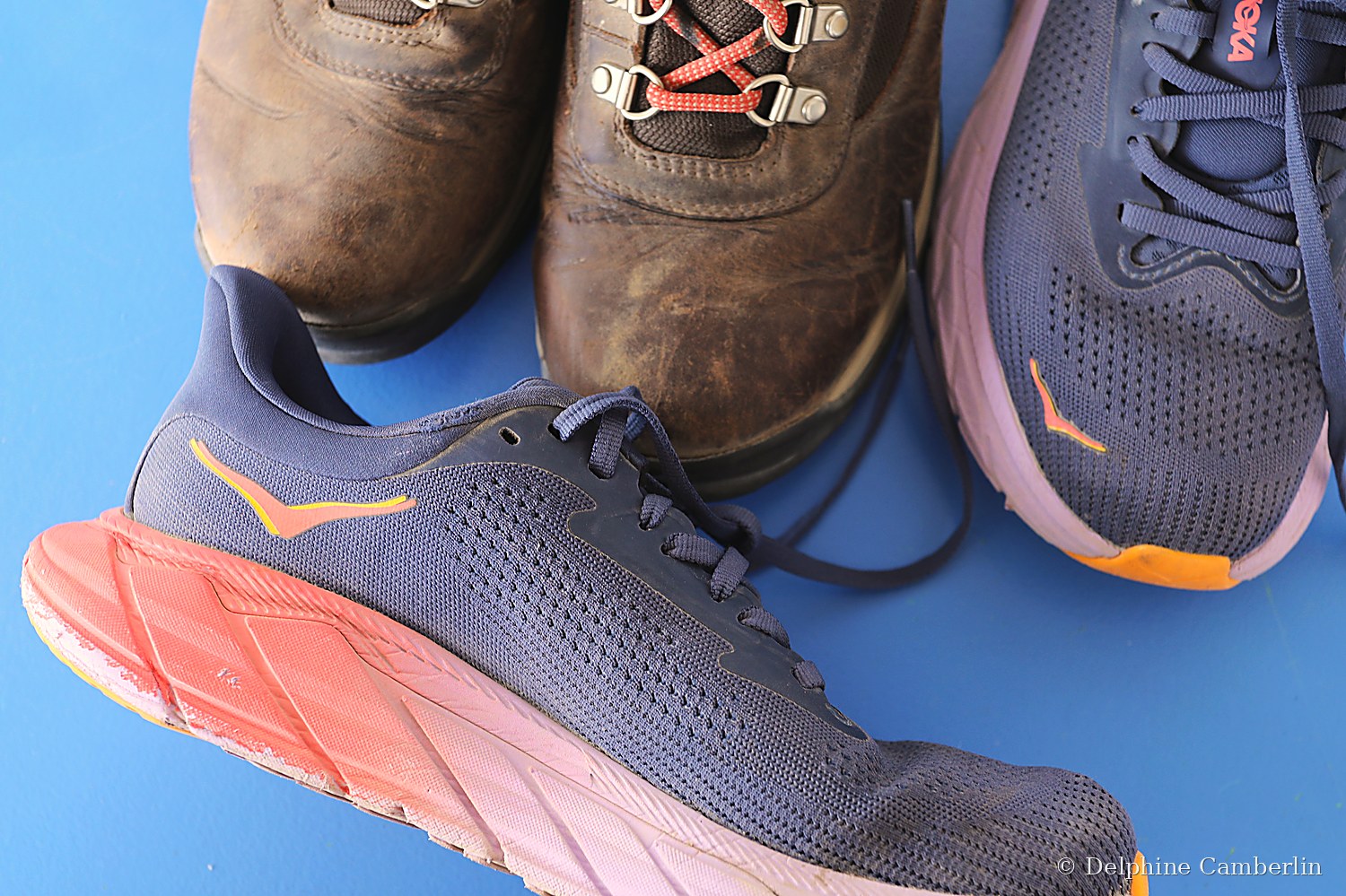
Adventure travel gets you into places where your footprint matters most — remote ecosystems, national parks, wildlife corridors. Stay on marked trails. Use established campsites. Hire local guides who know and care about the terrain. Pack out everything.
The adventure traveller
Adventure travel gets you into places where your footprint matters most — remote ecosystems, national parks, wildlife corridors. Stay on marked trails. Use established campsites. Hire local guides who know and care about the terrain. Pack out everything.
 The food traveller
Eating is already the most community-friendly form of travel spending when done well. Markets, farm restaurants, and family-run trattorias, warungs, and taguanes keep money hyper-local. The rule: if the menu is in four languages and laminated, walk further.
The food traveller
Eating is already the most community-friendly form of travel spending when done well. Markets, farm restaurants, and family-run trattorias, warungs, and taguanes keep money hyper-local. The rule: if the menu is in four languages and laminated, walk further.
🌏 Responsible Travel by Environment
 Cities
In cities like Singapore, Amsterdam, and Lisbon, the impact comes from where you spend, not how you move. Public transport is excellent in all three. The responsible choice: eat in neighbourhood restaurants, buy from independent shops, visit locally funded museums and galleries rather than commercial tourist attractions.
Cities
In cities like Singapore, Amsterdam, and Lisbon, the impact comes from where you spend, not how you move. Public transport is excellent in all three. The responsible choice: eat in neighbourhood restaurants, buy from independent shops, visit locally funded museums and galleries rather than commercial tourist attractions.
 Nature & national parks
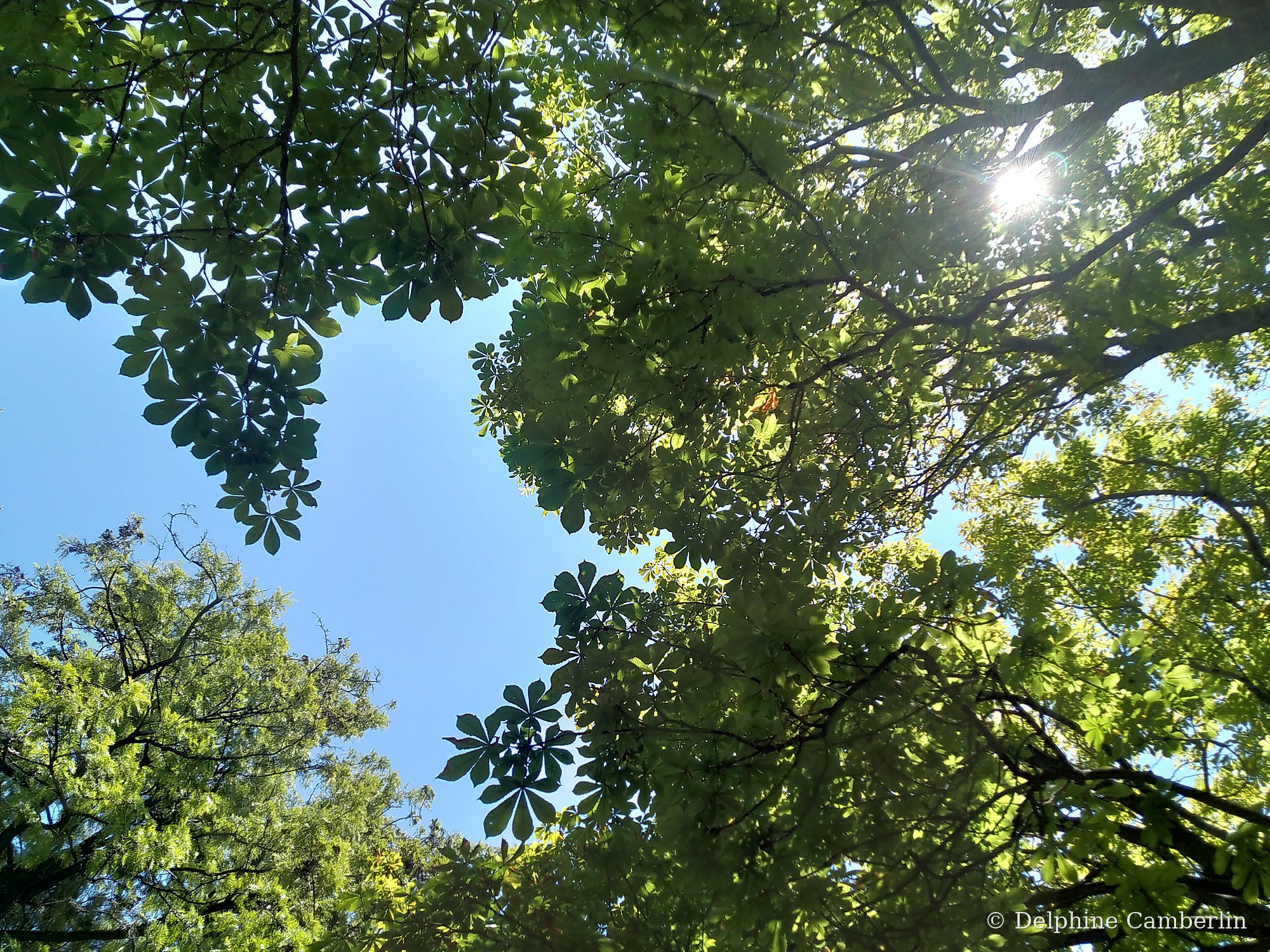
Kakadu, Karijini, Fjordland, Monteverde, Durmitor — these require physical care. Stay on trails. Book with certified operators who pay park fees. Camp only in designated sites. Carry out all waste. The wilderness endures because people who came before you made these choices.
Nature & national parks
Kakadu, Karijini, Fjordland, Monteverde, Durmitor — these require physical care. Stay on trails. Book with certified operators who pay park fees. Camp only in designated sites. Carry out all waste. The wilderness endures because people who came before you made these choices.
 Coasts & reefs
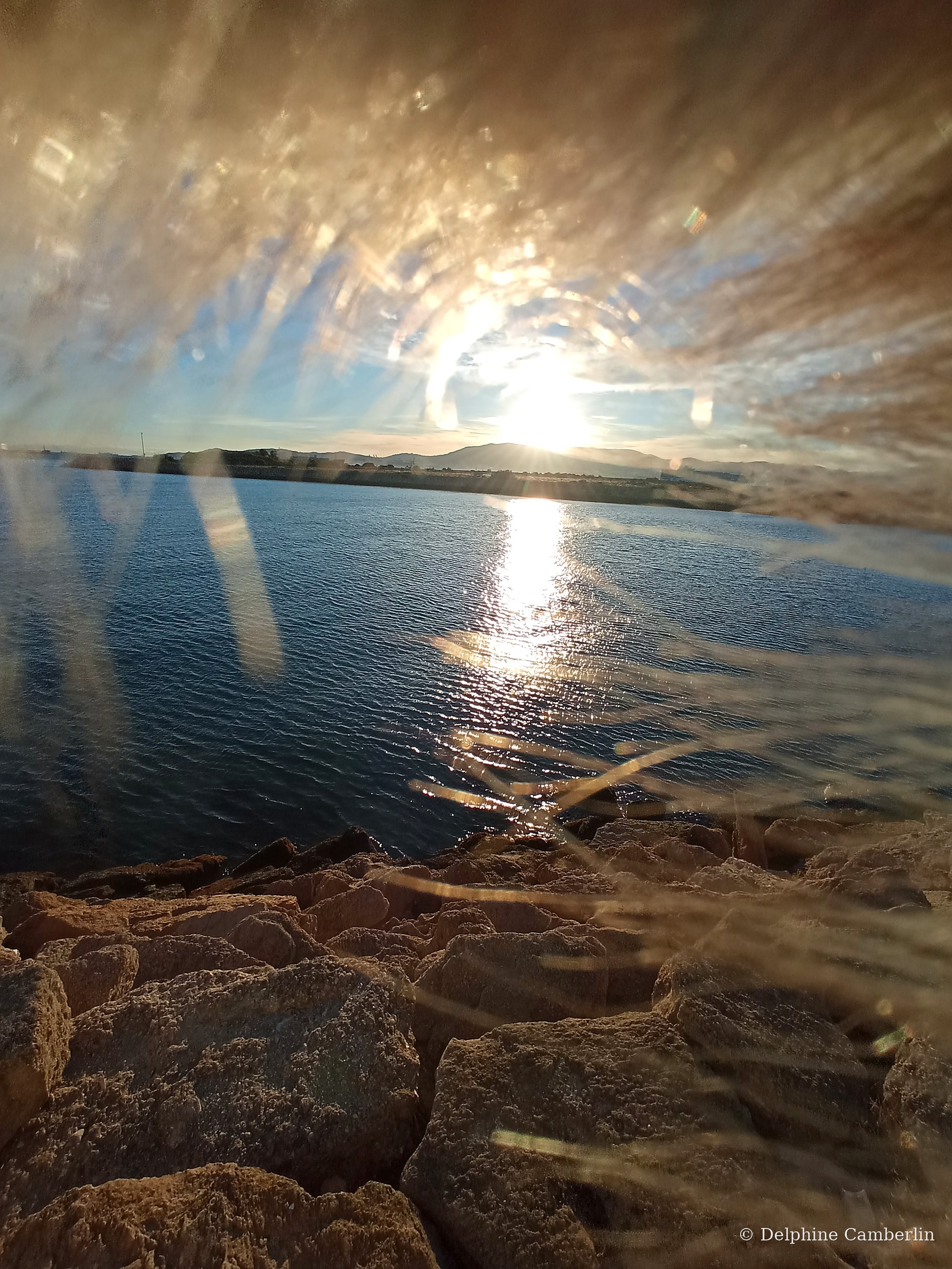
Reef-safe sunscreen. No touching coral. No collecting shells. Choose accommodation that is not built on sensitive dune or mangrove systems. In Fiji, Indonesia, and Australia — the coral is part of why you came. It needs your active protection to survive the next decade of visitors.
Coasts & reefs
Reef-safe sunscreen. No touching coral. No collecting shells. Choose accommodation that is not built on sensitive dune or mangrove systems. In Fiji, Indonesia, and Australia — the coral is part of why you came. It needs your active protection to survive the next decade of visitors.
 Cultural & heritage sites
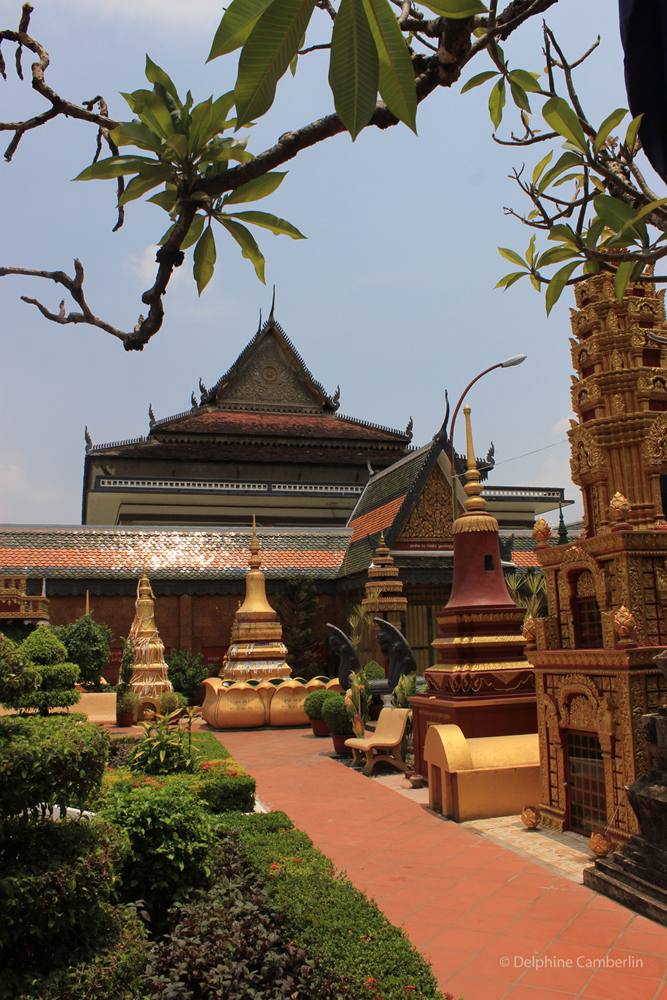
Angkor Wat, Uluru, the Acropolis — all are under severe visitor pressure. Going early (dawn) reduces congestion. Hiring a local guide puts more money into the community than the entrance fee alone. Following restrictions — on photography, areas, behaviour — is non-negotiable.
Cultural & heritage sites
Angkor Wat, Uluru, the Acropolis — all are under severe visitor pressure. Going early (dawn) reduces congestion. Hiring a local guide puts more money into the community than the entrance fee alone. Following restrictions — on photography, areas, behaviour — is non-negotiable.
The simplest rule: Whatever your travel style, ask the same three questions everywhere. Who owns this? Who works here? Where does the money go? The answers will tell you everything you need to know about whether to spend your money there.
❓ FAQ
Is city travel always less eco-friendly than nature travel?
Not necessarily. A well-planned city break — train transport, walking, local guesthouses, food markets — can be lower-impact than a nature trip that involves multiple flights, 4x4 rentals, and resort accommodation. The mode of travel matters more than the destination.
Can adventure and eco-travel coexist?
Yes — and they often align naturally. Adventure travel tends to favour smaller group sizes, local guides, and longer durations, all of which lower per-day impact. Where they conflict is in helicopter/heli-ski or jet-boat experiences where the fuel use is the experience.
What's the best style of travel for someone new to eco-tourism?
Slow travel is the easiest starting point: longer trips to fewer destinations, train-and-bus between, locally-owned accommodation. It naturally lowers impact across every category without requiring you to learn a complex eco-framework first.
Are eco-resorts genuinely eco-friendly or greenwashing?
Both exist. Check for independent certification (GSTC, Green Globe, Travelife) rather than self-described 'eco' branding. Look at the resort's water source, waste management, energy supply, and staff hiring policies — published transparently if real, vague if marketing-driven.
Subscribe to the Newsletter
New eco guides, travel stories, and photography from 18 countries. One email, no spam.