
How to spot greenwashing: A resort with solar panels is not necessarily eco. Ask three questions: Who owns it? Who works there? Where does the money go? If the answers are "local", "local staff", and "back into the community or conservation" — that's the real thing.
🏅 What Makes an Experience Genuinely Certified?
Certification schemes vary by country, but the strongest ones share common standards: independent auditing, environmental impact limits, fair pay for local staff, and community reinvestment. Here are the ones worth trusting.
 CST — Costa Rica
The Certification for Sustainable Tourism (CST) rates operators 0–5 leaves. It's government-backed, independently audited, and covers lodges, transport, and tour operators. Always look for the leaf rating before booking in Costa Rica.
CST — Costa Rica
The Certification for Sustainable Tourism (CST) rates operators 0–5 leaves. It's government-backed, independently audited, and covers lodges, transport, and tour operators. Always look for the leaf rating before booking in Costa Rica.
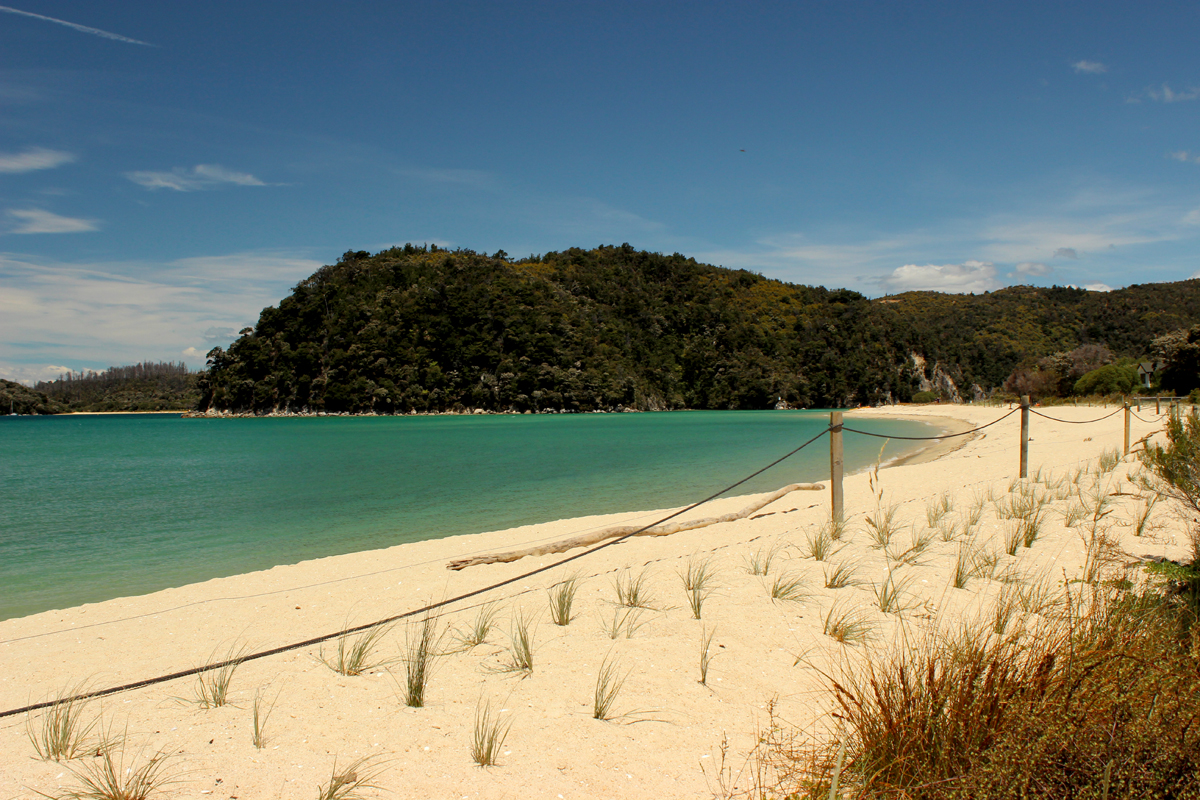 Qualmark — New Zealand
New Zealand's national quality and sustainability mark. Qualmark-endorsed operators meet defined environmental and social standards. Māori-led tourism operators are often separately endorsed through iwi (tribal) cultural frameworks.
Qualmark — New Zealand
New Zealand's national quality and sustainability mark. Qualmark-endorsed operators meet defined environmental and social standards. Māori-led tourism operators are often separately endorsed through iwi (tribal) cultural frameworks.
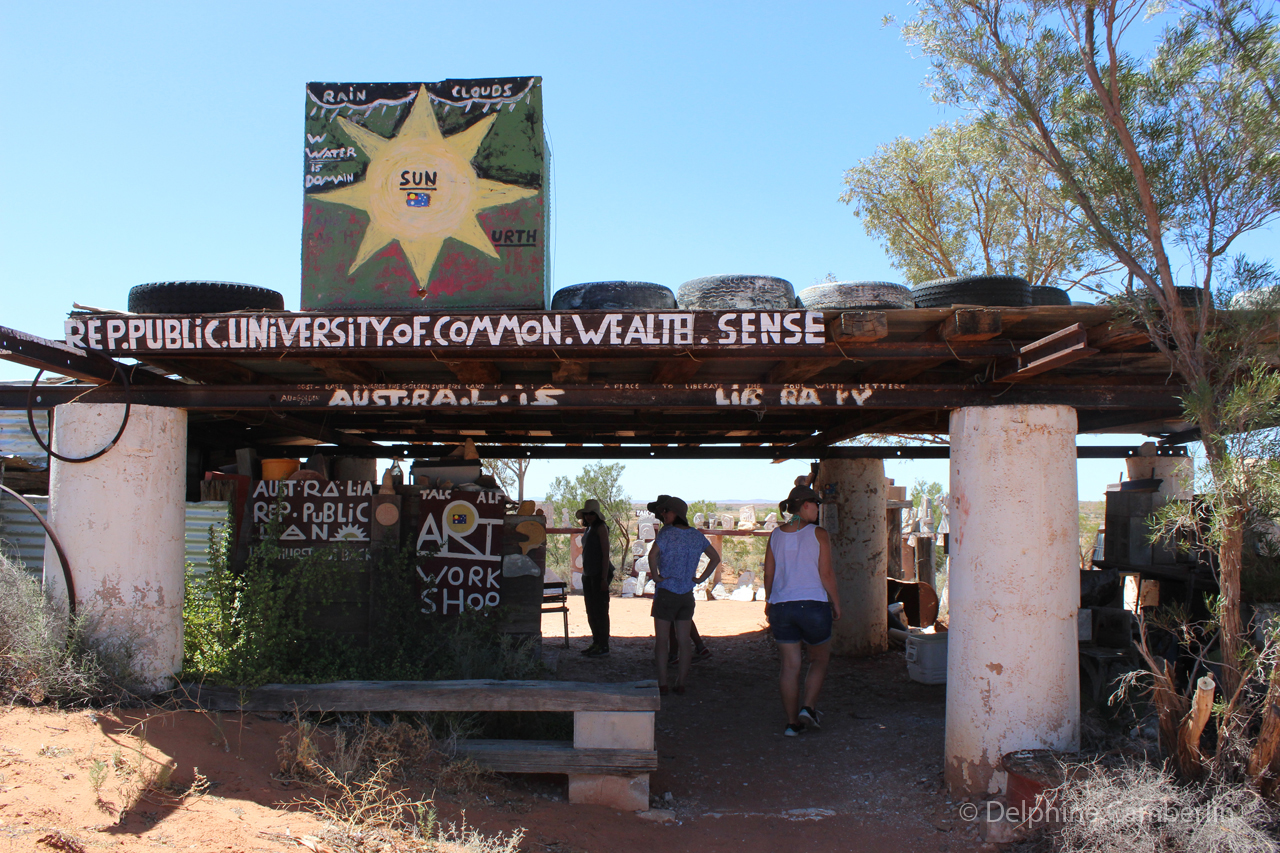 ECO Certification — Australia
Ecotourism Australia's ECO Certification is one of the world's most rigorous — covering nature-based tourism, ecotourism, and advanced ecotourism tiers. Look for the logo especially for national park and indigenous-led tours.
ECO Certification — Australia
Ecotourism Australia's ECO Certification is one of the world's most rigorous — covering nature-based tourism, ecotourism, and advanced ecotourism tiers. Look for the logo especially for national park and indigenous-led tours.
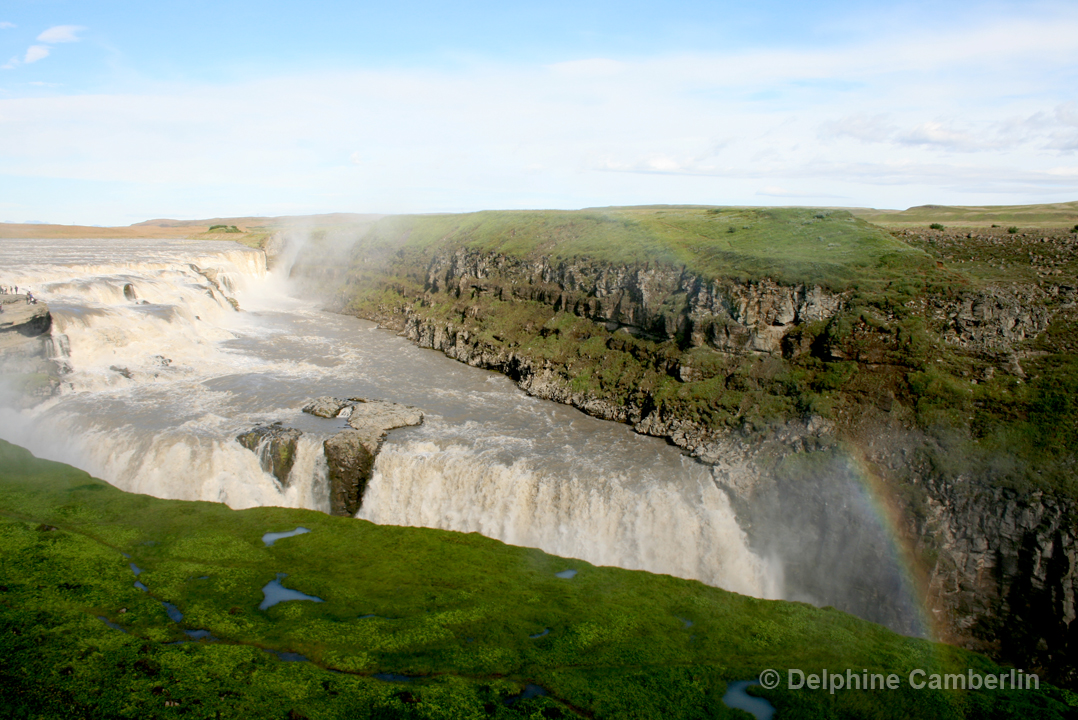 IceWhale — Iceland
For whale watching, IceWhale-certified operators commit to responsible viewing distances, engine management, and passenger education. Not all Iceland whale watching tours are equal — the certification matters.
IceWhale — Iceland
For whale watching, IceWhale-certified operators commit to responsible viewing distances, engine management, and passenger education. Not all Iceland whale watching tours are equal — the certification matters.
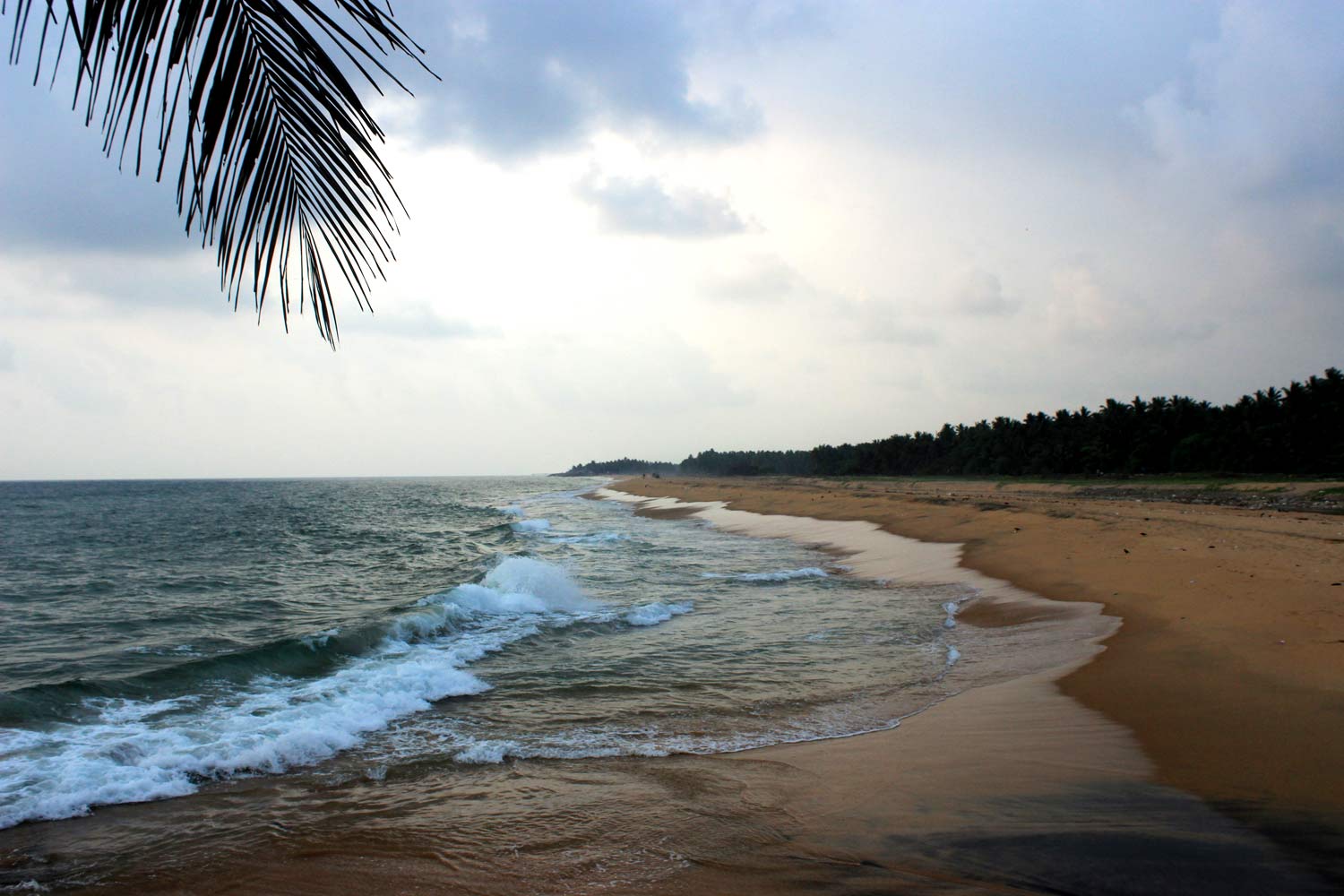 Responsible Tourism Mission — India
Kerala's government-backed scheme certifies homestays, restaurants, and guides. It's one of the few programmes globally where local government directly oversees certification and community benefit-sharing.
Responsible Tourism Mission — India
Kerala's government-backed scheme certifies homestays, restaurants, and guides. It's one of the few programmes globally where local government directly oversees certification and community benefit-sharing.
 Aldeias de Portugal
A certified network of rural tourism properties — restored village houses, farm stays, and nature lodges — across Portugal's interior. Booking through the network directly supports land preservation and rural communities.
Aldeias de Portugal
A certified network of rural tourism properties — restored village houses, farm stays, and nature lodges — across Portugal's interior. Booking through the network directly supports land preservation and rural communities.
🎟️ Experiences Worth Seeking Out by Category
 Indigenous & community-led tours
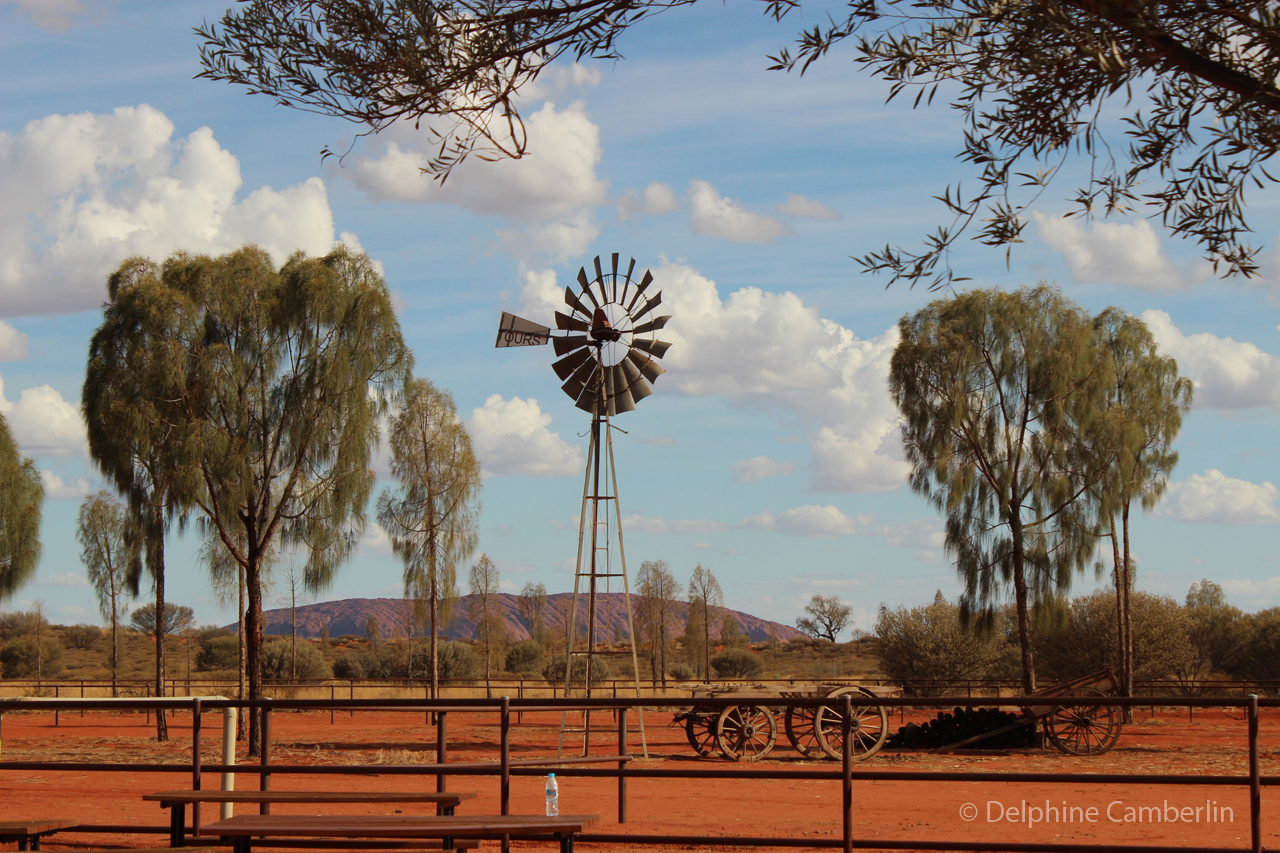
Bribri cacao ceremonies (Costa Rica), Kuna Yala island visits (Panama), Māori cultural experiences (NZ), Anangu guided walks at Uluru (Australia), Emberá community visits (Panama). These are the gold standard — money goes directly to the people whose land you're visiting.
Indigenous & community-led tours
Bribri cacao ceremonies (Costa Rica), Kuna Yala island visits (Panama), Māori cultural experiences (NZ), Anangu guided walks at Uluru (Australia), Emberá community visits (Panama). These are the gold standard — money goes directly to the people whose land you're visiting.
 Marine & reef experiences
Ningaloo Reef (Australia), Komodo and Raja Ampat (Indonesia), Fiji's outer reef systems — choose certified dive operators who respect marine protected area boundaries, contribute to reef monitoring, and require reef-safe sunscreen.
Marine & reef experiences
Ningaloo Reef (Australia), Komodo and Raja Ampat (Indonesia), Fiji's outer reef systems — choose certified dive operators who respect marine protected area boundaries, contribute to reef monitoring, and require reef-safe sunscreen.
 Low-carbon scenic journeys
Flåm Railway (Norway), Bernina Express (through the Alps), Kerala backwaters by wooden houseboat — some of the most spectacular journeys in the world happen to be among the lowest-emission options available.
Low-carbon scenic journeys
Flåm Railway (Norway), Bernina Express (through the Alps), Kerala backwaters by wooden houseboat — some of the most spectacular journeys in the world happen to be among the lowest-emission options available.
 Conservation-linked stays
Lodges and camps where a percentage of your fee funds a specific conservation programme — anti-poaching patrols, reef restoration, forest reforestation. Look for specific commitments, not vague language.
Conservation-linked stays
Lodges and camps where a percentage of your fee funds a specific conservation programme — anti-poaching patrols, reef restoration, forest reforestation. Look for specific commitments, not vague language.
 Social enterprise dining
Siem Reap (Cambodia) has several restaurants that train and employ vulnerable youth. In Norway, farm-to-table restaurants certified under the Norwegian Organic Food label source from within 50km. These exist in every country — ask locally.
Social enterprise dining
Siem Reap (Cambodia) has several restaurants that train and employ vulnerable youth. In Norway, farm-to-table restaurants certified under the Norwegian Organic Food label source from within 50km. These exist in every country — ask locally.
 Ethical wildlife encounters
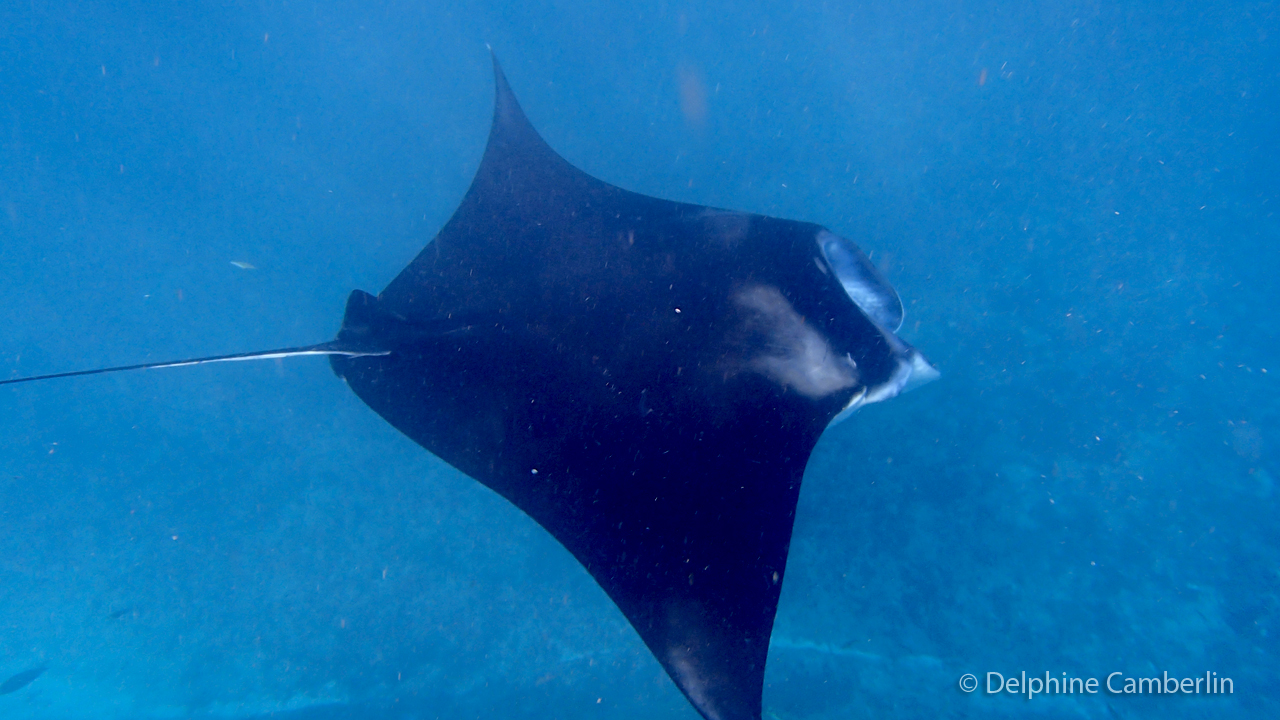
Monkey Mia dolphin interactions (Australia — wild, unforced), whale watching in Iceland (IceWhale certified), DOC-managed seabird colonies in New Zealand. The rule: if an animal is performing, touched, or constrained — walk away.
Ethical wildlife encounters
Monkey Mia dolphin interactions (Australia — wild, unforced), whale watching in Iceland (IceWhale certified), DOC-managed seabird colonies in New Zealand. The rule: if an animal is performing, touched, or constrained — walk away.
🛒 Where to Book
GetYourGuide lists thousands of experiences globally. Filter by your destination and look for small-group, locally guided, and nature-based options. The descriptions will usually signal whether an operator prioritises responsible practices.
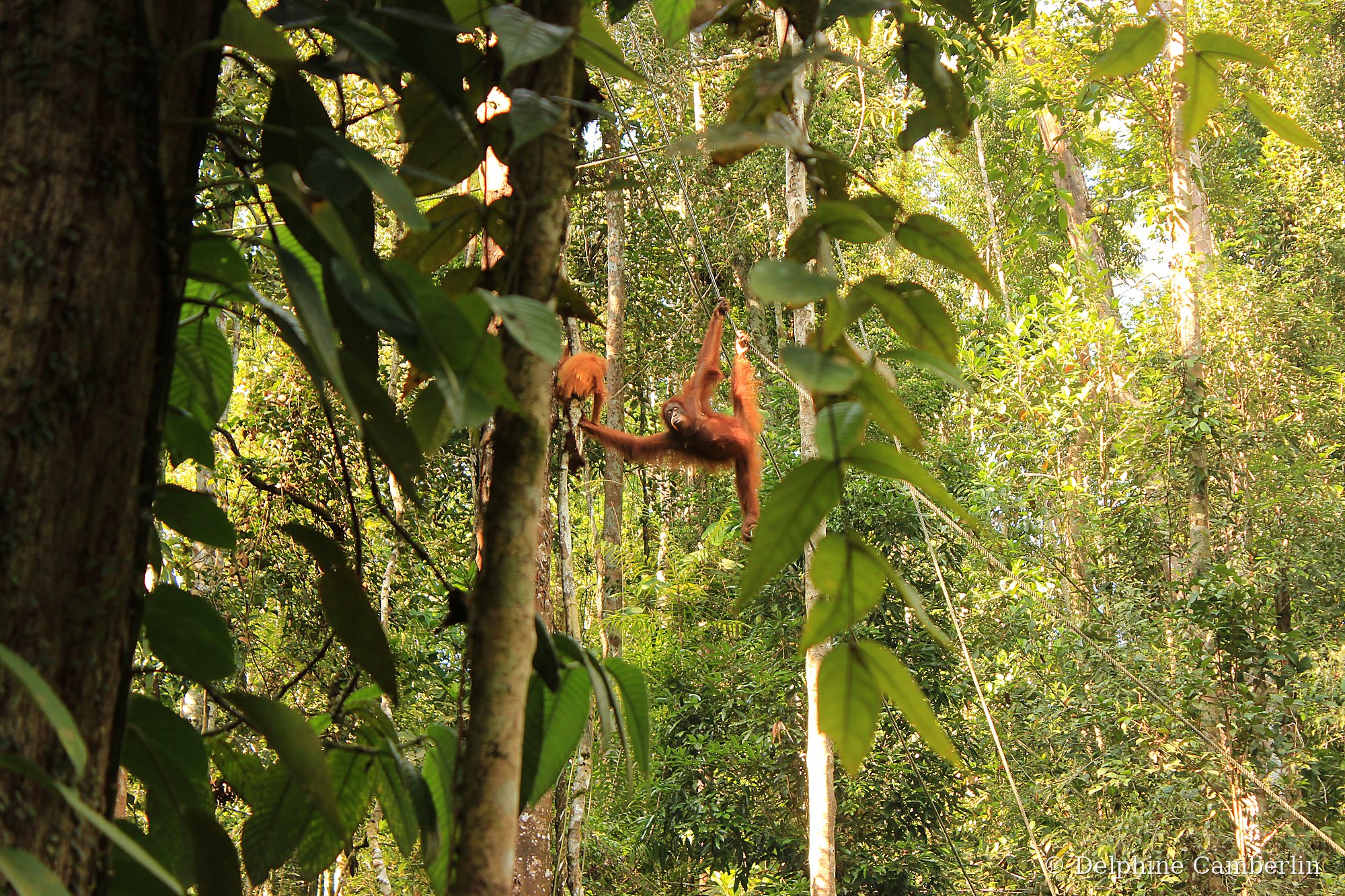
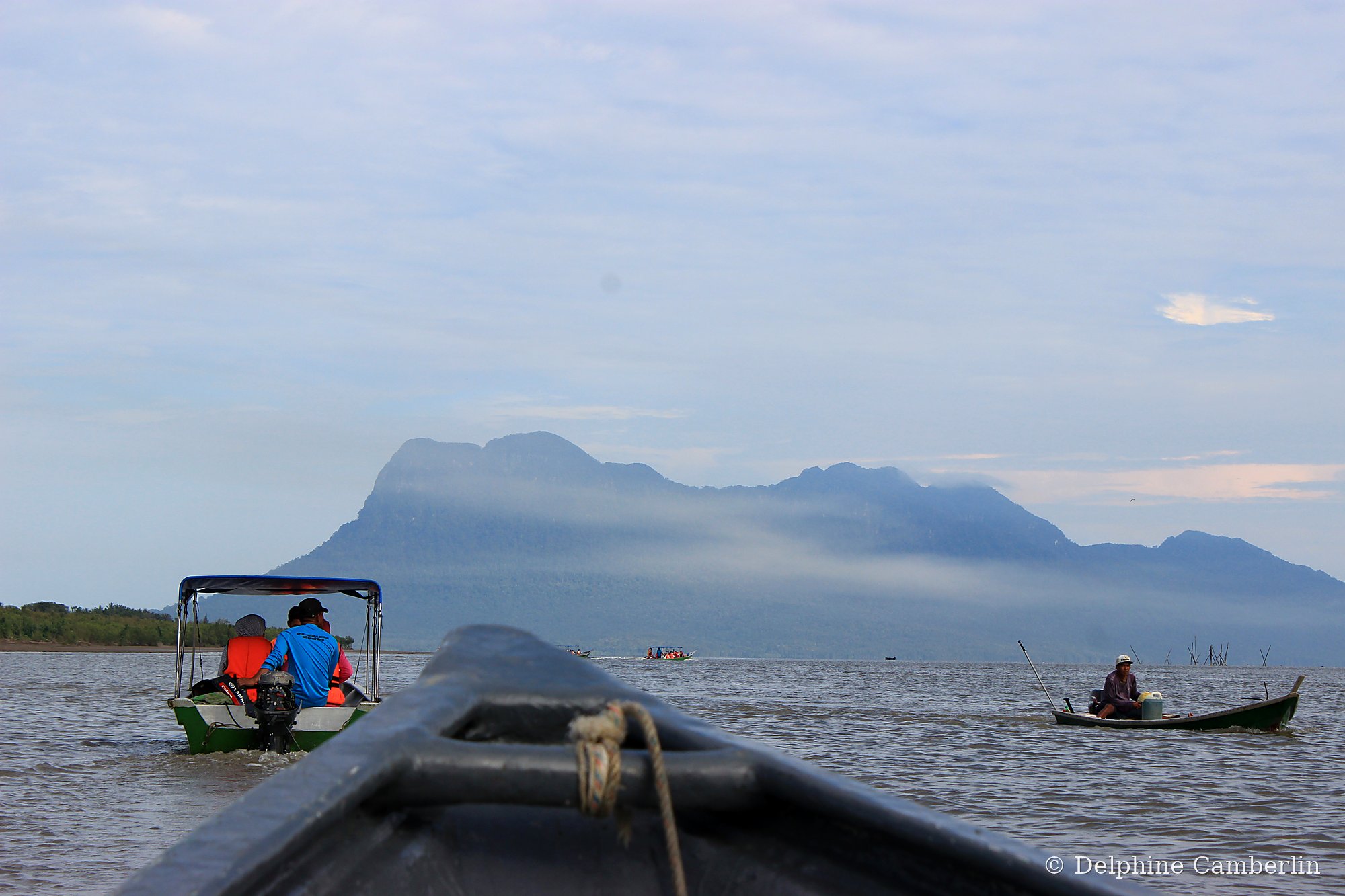
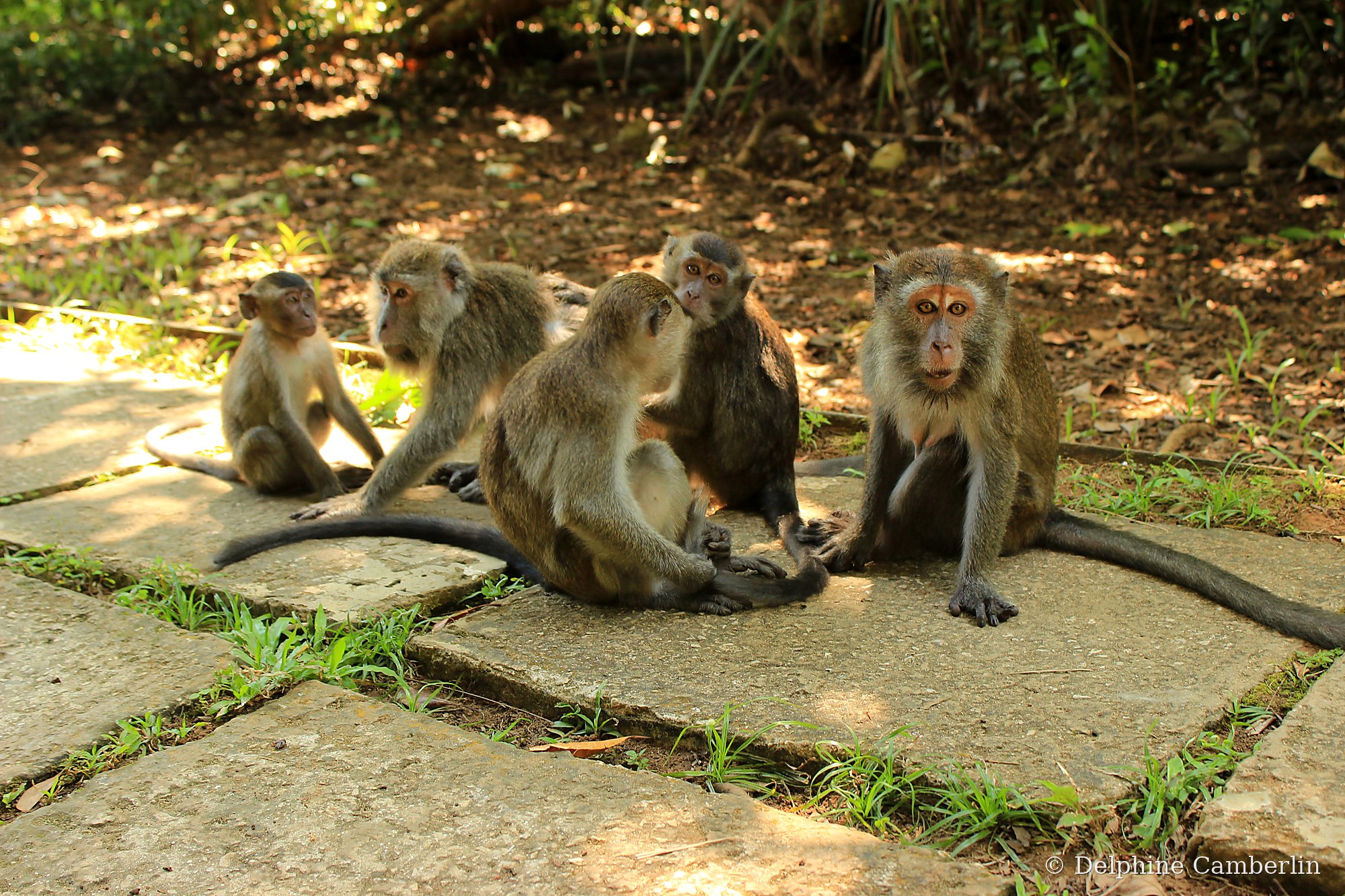
Direct-to-Local Indonesia Operators
Six tours run by guides on the ground — your booking goes to the local operator, not a middleman. Via Local Guides Indonesia.
❓ FAQ
What does 'eco-certified' actually mean?
It means the experience operator has been independently audited against a recognised sustainability standard — Global Sustainable Tourism Council (GSTC), Travelife, Green Tourism, or Rainforest Alliance. Certification is not perfect, but it's a far stronger signal than self-described 'eco' marketing claims.
How can I tell if a wildlife experience is exploitative?
Three quick tests: (1) Can you touch, hold, or pose with the animal? Almost always a red flag. (2) Are wild animals 'performing'? They've been trained, usually through abuse. (3) Is the operator transparent about where rescue animals come from and where they go? Genuine sanctuaries publish this; exploitative ones don't.
Are community-led tours actually more expensive?
Usually no — they're priced similarly to commercial tours but a much higher percentage stays in the local economy. The major exception is access to remote indigenous communities, where genuine community-led visits can be more expensive because the price reflects fair labour rather than cheap exploitation.
What's the difference between ecotourism and sustainable tourism?
Ecotourism is a subset focused on natural environments with minimal impact and community benefit (the 'preserves through visiting' model). Sustainable tourism is the broader frame applying to all travel types — cities included. Eco-certified experiences are typically the ecotourism subset; sustainable practices apply everywhere you travel.
How do I find local guides instead of international tour companies?
Use platforms like Local Guides (Indonesia community-led), GuruWalk (free city walks), and direct booking via official tourism boards. For wildlife, search for the conservation organisation associated with the species you want to see — they often run or vet ethical tours. Skip the first-page Google search results, which are usually big OTAs.
Subscribe to the Newsletter
New eco guides, travel stories, and photography from 18 countries. One email, no spam.