
The honest truth about flying: There is currently no way to fly without a significant carbon footprint. Sustainable aviation fuel exists but makes up less than 1% of jet fuel globally. The most impactful thing you can do is fly less — fewer, longer trips rather than multiple short ones. Offsetting is the next best step, not the first.
💸 Carbon Offset Flights — Do They Actually Work?
If you've come here searching "carbon offset flights", here's the short answer: yes, but only some of them, and only as a last step. Carbon offset flights are a way to pay a third party to remove (or prevent) an equivalent amount of CO₂ emissions to the ones your flight produced — typically through reforestation, clean cookstove distribution, or renewable energy projects in developing countries. The mechanism is sound; the execution varies wildly.
The honest framing: offsetting a flight is meaningfully better than doing nothing, but it is not the same as not flying. A €50 carbon offset doesn't make a long-haul return trip carbon-neutral in any practical sense — it compensates for the CO₂ but doesn't address radiative forcing, contrails, or the simple fact that the fuel was burned. Use offsets as the last line of defence after reducing your flying, choosing direct routes, and flying economy. This guide walks through which programmes are credible, what realistic costs look like for typical flights, and when offsets are essentially greenwashing.
Understanding Your Impact✈️ What a Flight Actually Costs the Climate
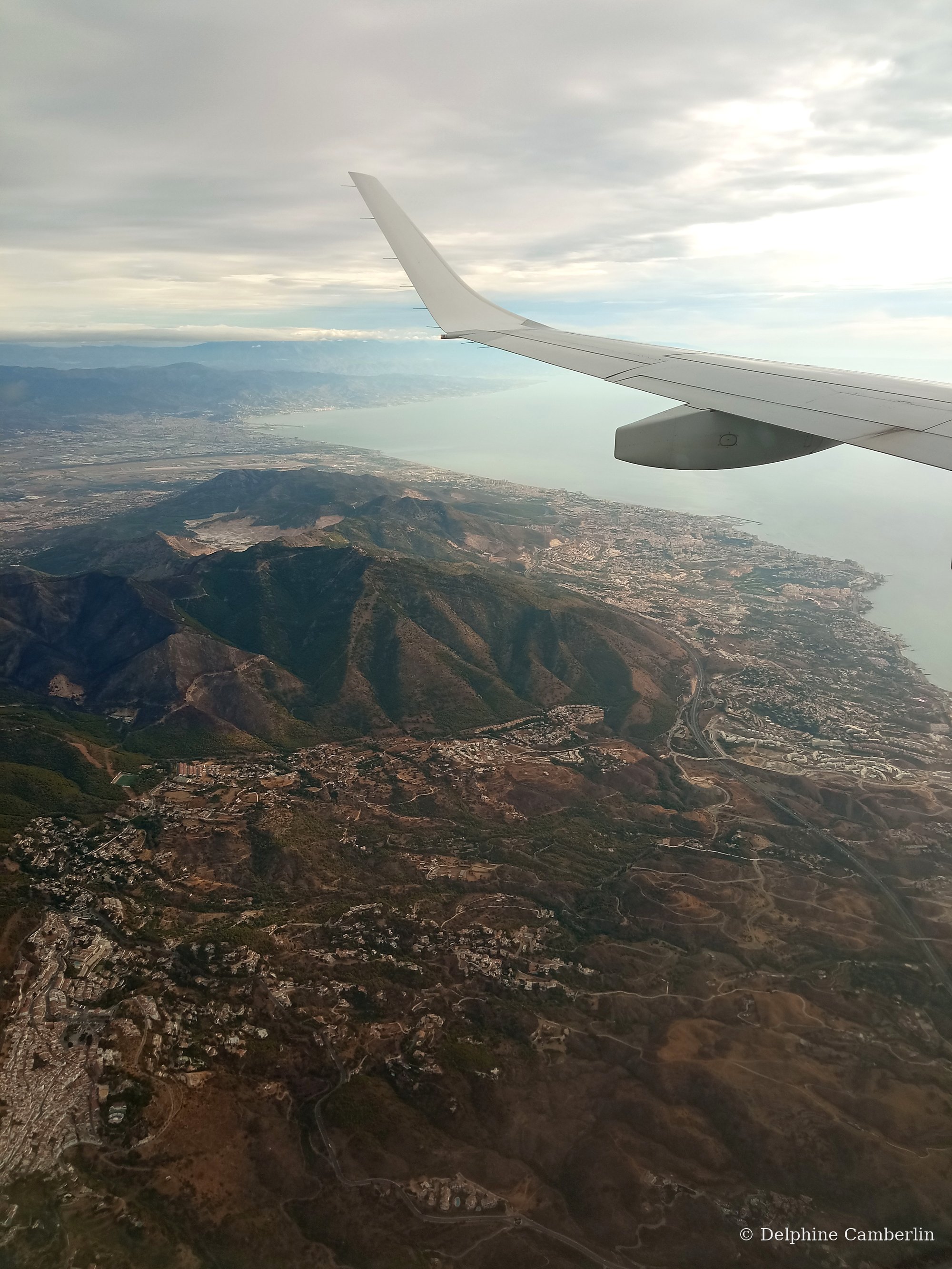 Economy vs business class
Business class seats take up 3–4× more space and weight than economy. Flying business class roughly triples your per-passenger carbon footprint compared to economy on the same flight. It's one of the most significant choices you make before you even board.
Economy vs business class
Business class seats take up 3–4× more space and weight than economy. Flying business class roughly triples your per-passenger carbon footprint compared to economy on the same flight. It's one of the most significant choices you make before you even board.
 Direct vs connecting flights
The majority of a flight's fuel is burned on takeoff and landing. A direct flight from London to Singapore emits significantly less than two shorter flights via Dubai or Doha — even if the total distance is similar. Always prefer direct.
Direct vs connecting flights
The majority of a flight's fuel is burned on takeoff and landing. A direct flight from London to Singapore emits significantly less than two shorter flights via Dubai or Doha — even if the total distance is similar. Always prefer direct.
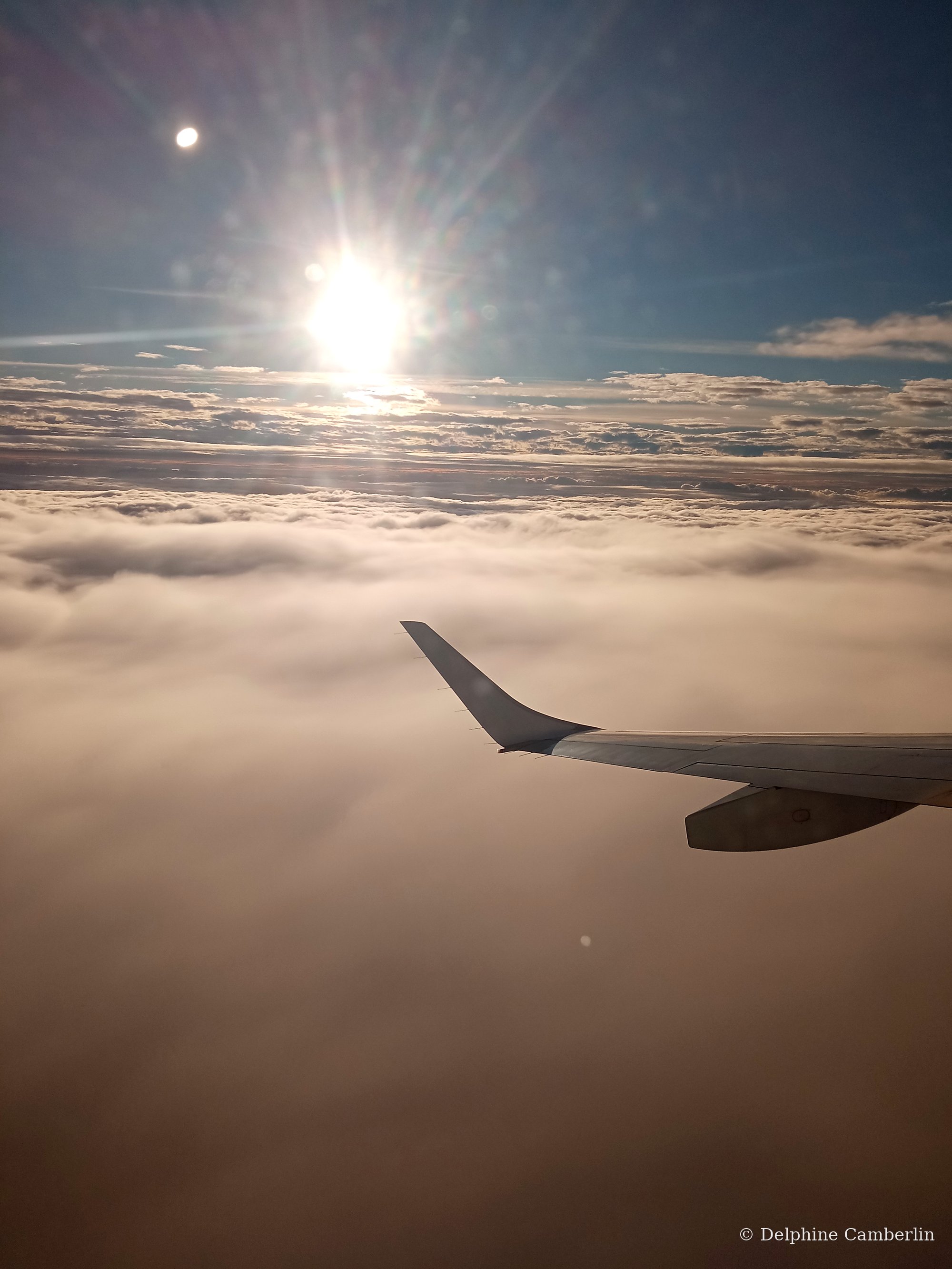 The radiative forcing multiplier
At altitude, aircraft contrails and NOx emissions have a warming effect beyond just CO₂ — estimated at 2–4× the surface-level impact. Some carbon calculators include this; many don't. Look for calculators that account for it (ICAO, Atmosfair).
The radiative forcing multiplier
At altitude, aircraft contrails and NOx emissions have a warming effect beyond just CO₂ — estimated at 2–4× the surface-level impact. Some carbon calculators include this; many don't. Look for calculators that account for it (ICAO, Atmosfair).
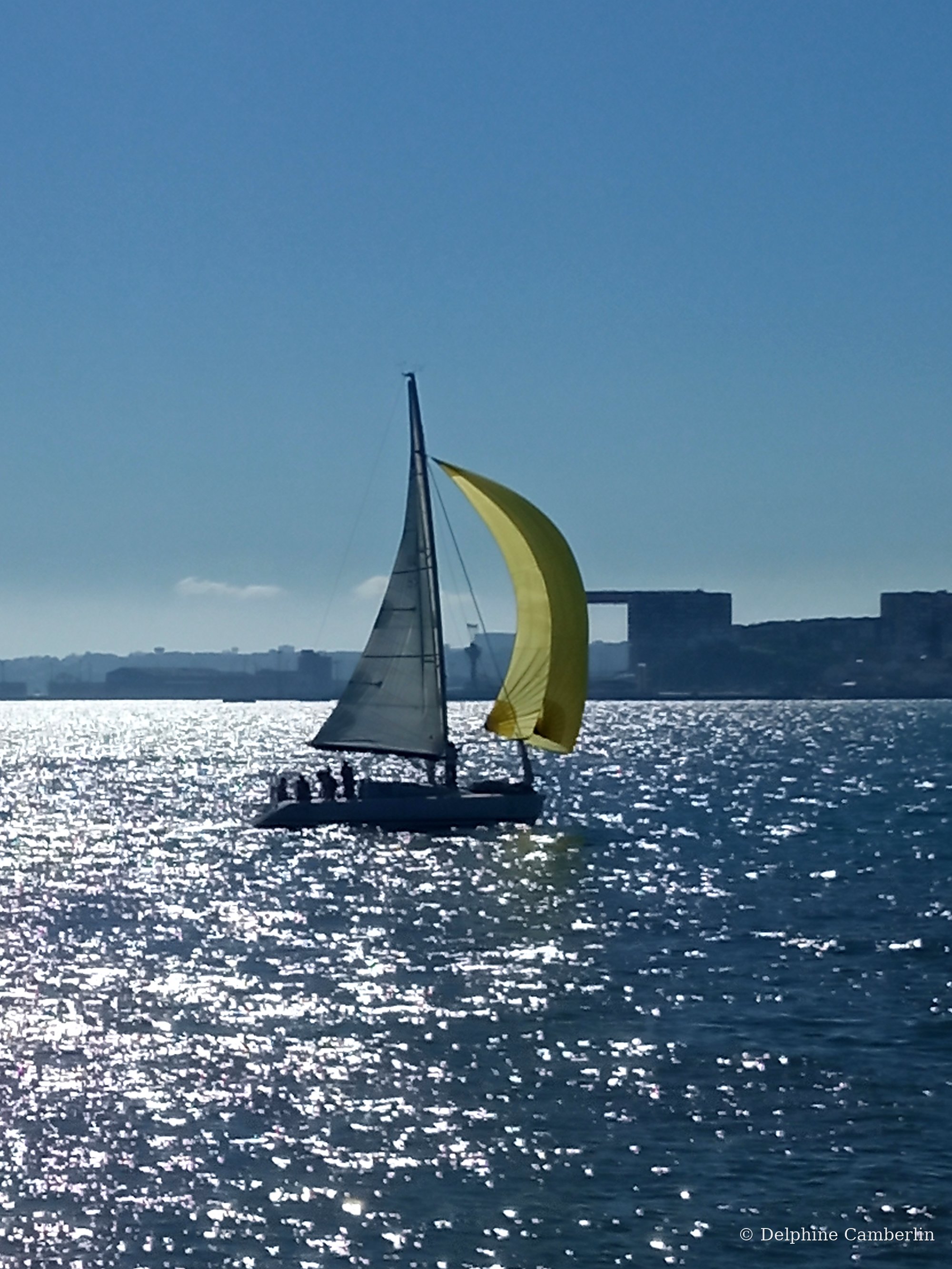 When not to fly
Lisbon → Porto: train is faster door-to-door. London → Amsterdam: Eurostar is more comfortable. Oslo → Bergen: the railway is one of the world's great journeys. The rule of thumb: if the train is under 6 hours, flying is rarely justified.
When not to fly
Lisbon → Porto: train is faster door-to-door. London → Amsterdam: Eurostar is more comfortable. Oslo → Bergen: the railway is one of the world's great journeys. The rule of thumb: if the train is under 6 hours, flying is rarely justified.
🌱 Carbon Offsetting — What Works
Offsetting is not a licence to fly without thinking. But when you do fly, choosing a verified, high-quality offset project is meaningfully better than nothing.
 Gold Standard certification
Gold Standard is the most rigorous independent certification for offset projects. Projects must be verified by third parties, demonstrate additionality (the emissions reduction wouldn't have happened without offset funding), and deliver measurable results. Always look for it.
Gold Standard certification
Gold Standard is the most rigorous independent certification for offset projects. Projects must be verified by third parties, demonstrate additionality (the emissions reduction wouldn't have happened without offset funding), and deliver measurable results. Always look for it.
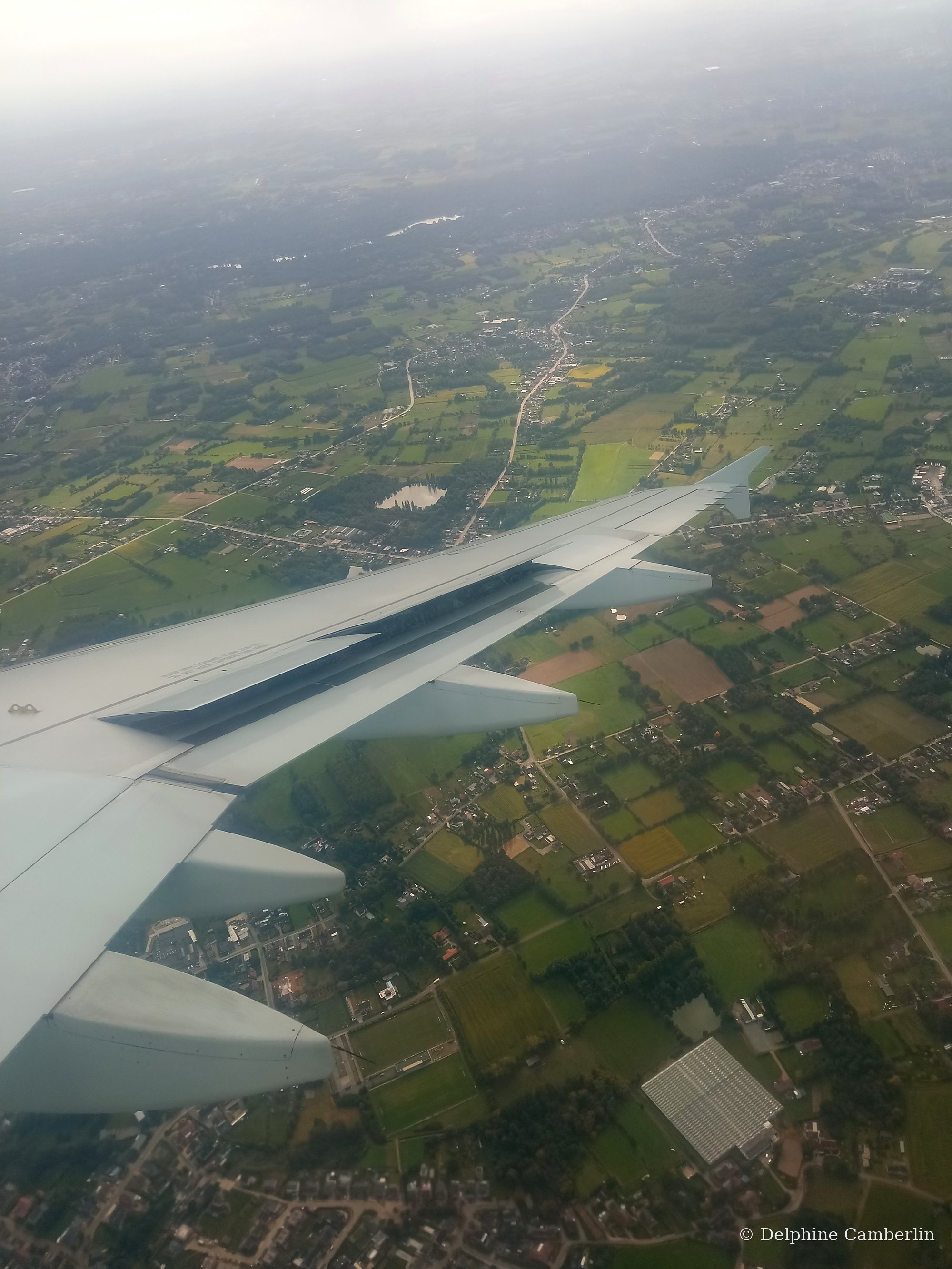 What makes a good project
The best projects are permanent (forests that won't be logged), verifiable (independently audited), and co-beneficial (they also support biodiversity, local livelihoods, or clean water). Reforestation, renewable energy, and clean cookstoves in developing countries are the most established categories.
What makes a good project
The best projects are permanent (forests that won't be logged), verifiable (independently audited), and co-beneficial (they also support biodiversity, local livelihoods, or clean water). Reforestation, renewable energy, and clean cookstoves in developing countries are the most established categories.
 What to avoid
Cheap, unverified offsets sold by airlines through booking flows are often of poor quality. "Avoided deforestation" projects have historically had high failure rates — forests protected on paper that were logged anyway. Verify independently before purchasing.
What to avoid
Cheap, unverified offsets sold by airlines through booking flows are often of poor quality. "Avoided deforestation" projects have historically had high failure rates — forests protected on paper that were logged anyway. Verify independently before purchasing.
 Calculate before you offset
Use Atmosfair (atmosfair.de) or ICAO's official calculator for the most accurate flight estimates. They account for radiative forcing and give you a realistic figure — usually higher than airline-provided numbers, but more honest.
Calculate before you offset
Use Atmosfair (atmosfair.de) or ICAO's official calculator for the most accurate flight estimates. They account for radiative forcing and give you a realistic figure — usually higher than airline-provided numbers, but more honest.
🏅 Offset Programmes Worth Trusting
 Atmosfair (Germany)
Non-profit. Gold Standard certified. One of the most transparent offset programmes globally, with detailed project reporting. Their flight calculator is also one of the most accurate available. atmosfair.de
Atmosfair (Germany)
Non-profit. Gold Standard certified. One of the most transparent offset programmes globally, with detailed project reporting. Their flight calculator is also one of the most accurate available. atmosfair.de
 South Pole
A leading project developer and carbon solutions provider. Offers a wide portfolio of Gold Standard and Verified Carbon Standard projects across reforestation, renewable energy, and clean cooking. southpole.com
South Pole
A leading project developer and carbon solutions provider. Offers a wide portfolio of Gold Standard and Verified Carbon Standard projects across reforestation, renewable energy, and clean cooking. southpole.com
 Cool Effect
US-based non-profit that vets and lists only high-quality offset projects. Covers reforestation, biogas, and forest protection projects — each with detailed public documentation. cooleffect.org
Cool Effect
US-based non-profit that vets and lists only high-quality offset projects. Covers reforestation, biogas, and forest protection projects — each with detailed public documentation. cooleffect.org
💶 How Much Does It Cost to Offset a Flight?
Carbon offset prices vary significantly by programme and project type. Here are realistic costs for three typical traveller flights — based on each programme's published rates as of 2026, and including radiative forcing.
| Flight (return, economy) | CO₂ equivalent | Atmosfair | Cool Effect | South Pole |
|---|---|---|---|---|
| London → New York | ~ 2.0 t CO₂e | €50 | $20 | $30 |
| Paris → Bali (via DXB) | ~ 5.5 t CO₂e | €140 | $55 | $85 |
| Lisbon → Lima (via MAD) | ~ 4.0 t CO₂e | €100 | $40 | $60 |
Atmosfair's higher price reflects its inclusion of full radiative forcing and Gold Standard-only projects. Cheaper does not mean better — quality matters more than headline price.
Train, Boat & Slow Travel
The most effective carbon offset is the trip you never had to compensate for. If the train is under 6 hours door to door — Lisbon to Porto, London to Amsterdam, Oslo to Bergen — flying is rarely justified.
Long-distance sailing is the only true zero-fuel intercontinental option. Crewing on a sailboat from Europe to the Caribbean takes 3–4 weeks, costs €500–1,500, and counts as the experience itself — not a means to an experience.
Where flying is genuinely unavoidable — long-haul to Australia, New Zealand, or Fiji — the most credible offset programmes (Atmosfair, Cool Effect, South Pole) are the practical answer. For shorter regional trips through Iceland, Costa Rica, or the Balkans, prioritise reducing flights before compensating for them.
❓ Carbon Offset for Flights — FAQ
How much does it cost to carbon offset a flight?
Carbon offset costs vary by programme. For a London to New York return economy flight (about 2 tonnes of CO₂e with radiative forcing), Atmosfair charges approximately €50, Cool Effect about $20, and South Pole around $30. Always include radiative forcing in the calculation — many airline calculators don't.
Does carbon offsetting actually work?
It depends on the project. Gold Standard certified projects with independent verification work measurably. Avoided-deforestation offsets have historically had high failure rates. The best offset is the one you avoid — flying less is always more effective than offsetting more.
What is the best carbon offset programme for flights?
Atmosfair is widely considered the most rigorous: non-profit, Gold Standard certified, and includes radiative forcing. Cool Effect and South Pole are also strong choices. Avoid the cheap offsets offered by airlines through their booking flow — they are typically lower quality.
Is offsetting better than not flying?
No. Reducing flights is always more impactful than offsetting them. The hierarchy is: fewer trips → longer trips → take the train where possible → fly economy not business → then offset what is left. Treat offsetting as the last step, not the first.
What is radiative forcing and why does it matter?
At altitude, aircraft contrails and NOx emissions have a warming effect 2–4× greater than CO₂ alone. A flight's real climate impact is therefore higher than the CO₂ figure alone suggests. Use a calculator (Atmosfair, ICAO) that accounts for it.
When should I take the train instead of flying?
As a rule of thumb: if the train is under 6 hours door-to-door, it's almost always faster, more comfortable and lower carbon. Lisbon → Porto, London → Amsterdam, Oslo → Bergen — all beat the flight equivalent on every metric.
Subscribe to the Newsletter
New eco guides, travel stories, and photography from 18 countries. One email, no spam.