A note before we start: Sustainable travel is not about travelling less. It is about travelling with more attention — to where you spend your money, who benefits from your visit, and what you leave behind. The goal is not guilt. It is awareness, and the small shifts that come from it.
🌿 5 Principles of Responsible Travel
Before looking at specific destinations, these five principles apply everywhere — from Norway to Costa Rica, from the Balkans to Fiji. They're not rules. They're habits that change how a trip feels, for you and for the places you visit.
🗺️ Which Countries Are Best for Responsible Tourism?
Not all destinations are equally set up for sustainable tourism — but every one of the 18 countries covered on this site has something genuinely worth doing responsibly. Here's an honest assessment of each, with specific recommendations.

- Book CST-certified lodges in Monteverde and the Osa Peninsula
- Bribri indigenous cacao tours in Talamanca — direct community income
- Avoid animal encounters that involve contact (sloths, monkeys)
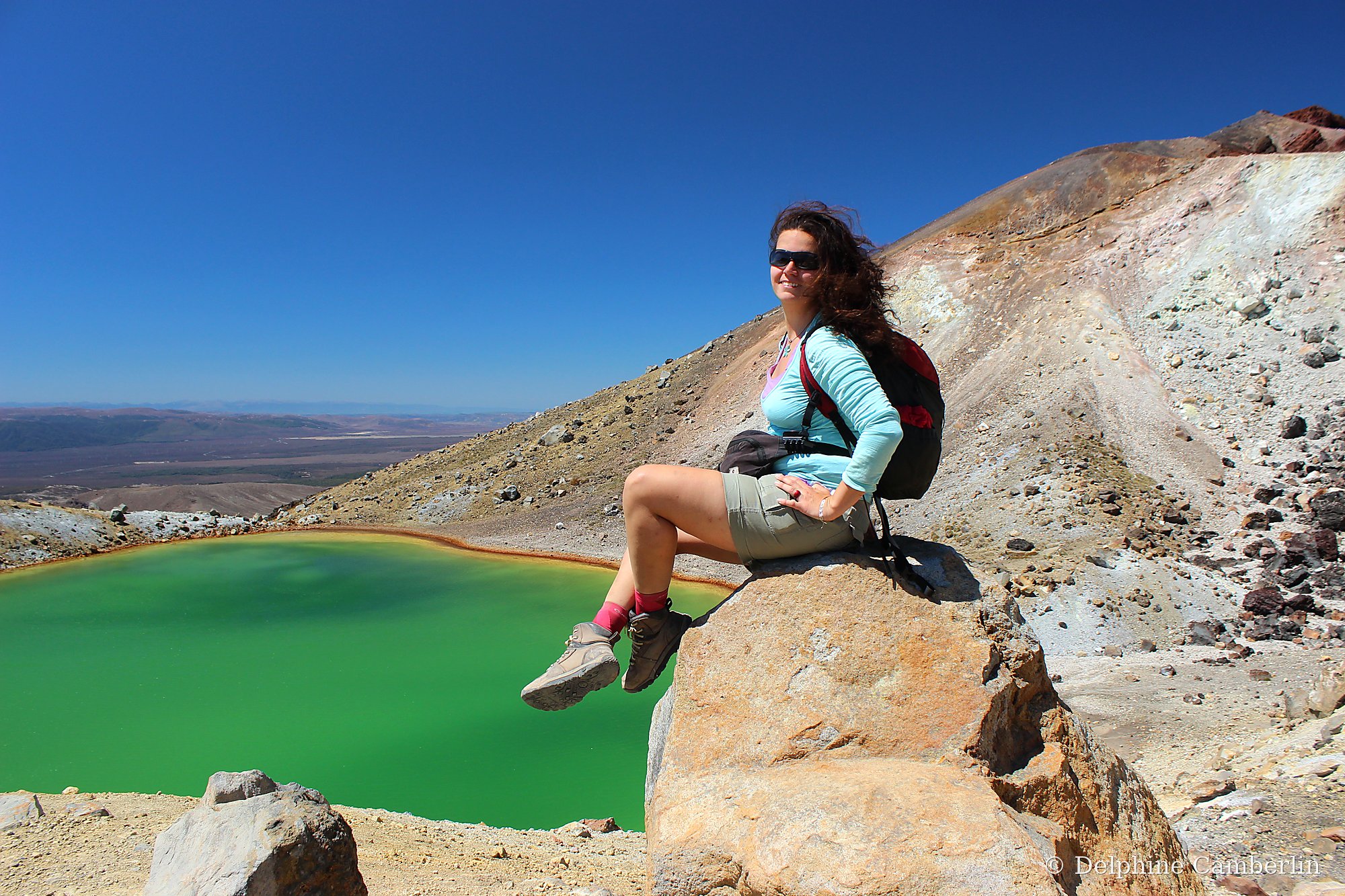
- Book Māori cultural experiences directly with iwi-owned operators
- Use DOC huts and campsites — fees fund conservation directly
- Hire an EV or hybrid for the South Island self-drive

- Take the Flåm Railway — one of the world's most sustainable scenic journeys
- Stay in DNT mountain huts — Norway's network of eco-certified shelters
- Choose the coastal ferry (Hurtigruten) over domestic flights
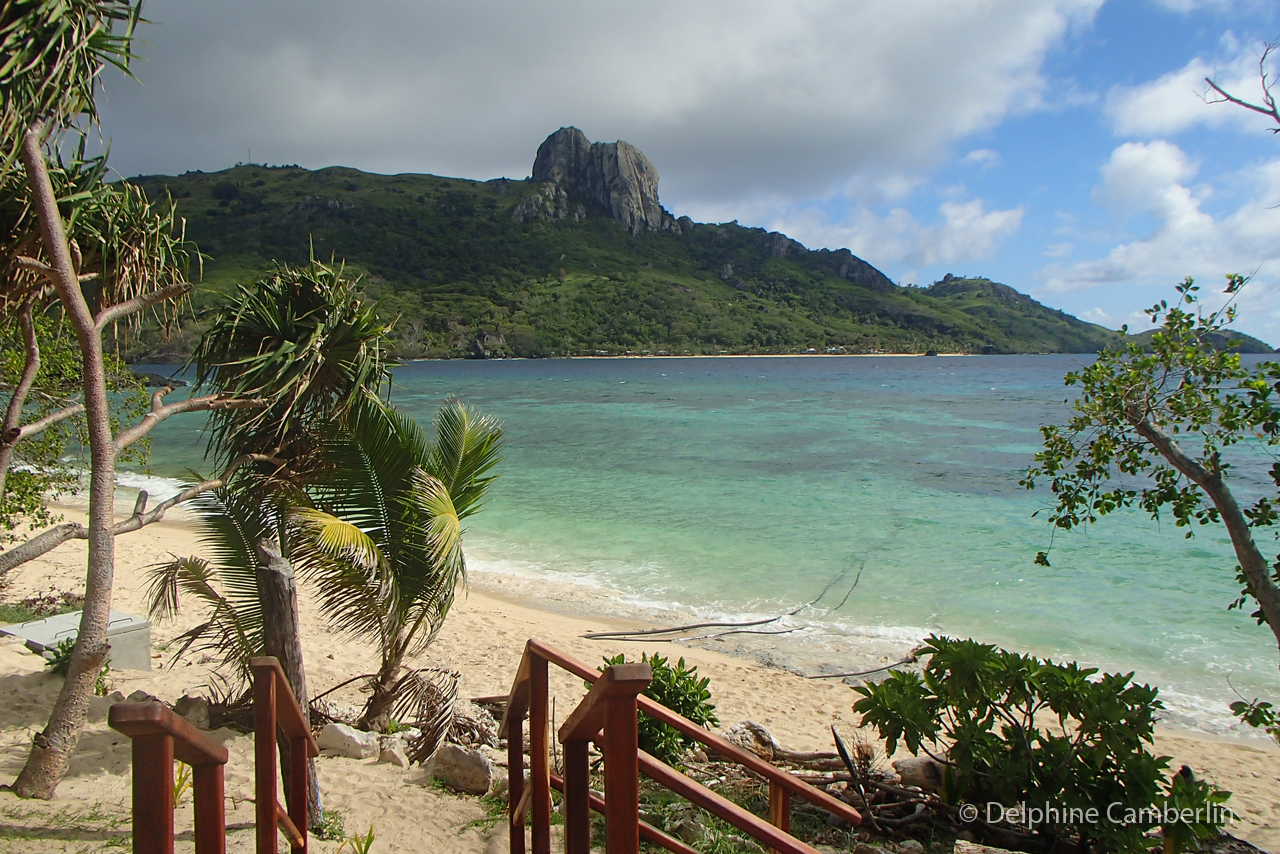
- Choose village homestays over resort complexes on the outer islands
- Use reef-safe sunscreen — Fiji's reefs are among the world's most biodiverse
- Participate in a traditional sevusevu (kava welcome) before visiting any village

- Avoid elephant riding and orangutan selfie encounters anywhere in Indonesia
- Choose eco-certified dive operators for Komodo and Raja Ampat
- Visit Flores or Sulawesi instead of Bali for lower environmental impact

- Hire a licensed Cambodian guide for Angkor — avoid unlicensed operators
- Eat at social enterprise restaurants in Siem Reap (several train and employ vulnerable youth)
- Avoid elephant camps near Mondulkiri — choose observation-only sanctuaries

- Book San Blas through Kuna-owned agencies, not mainland operators
- The Darién Gap has exceptional biodiversity — visit only with authorised guides
- The Emberá and Wounaan communities in Chagres offer genuine cultural immersion

- Book the Uluru sunrise tour with an Anangu-owned operator (Ayers Rock Resort)
- Look for the ECO Certification logo when booking national park tours
- Camp in designated sites — free bush camping is legal but leave no trace
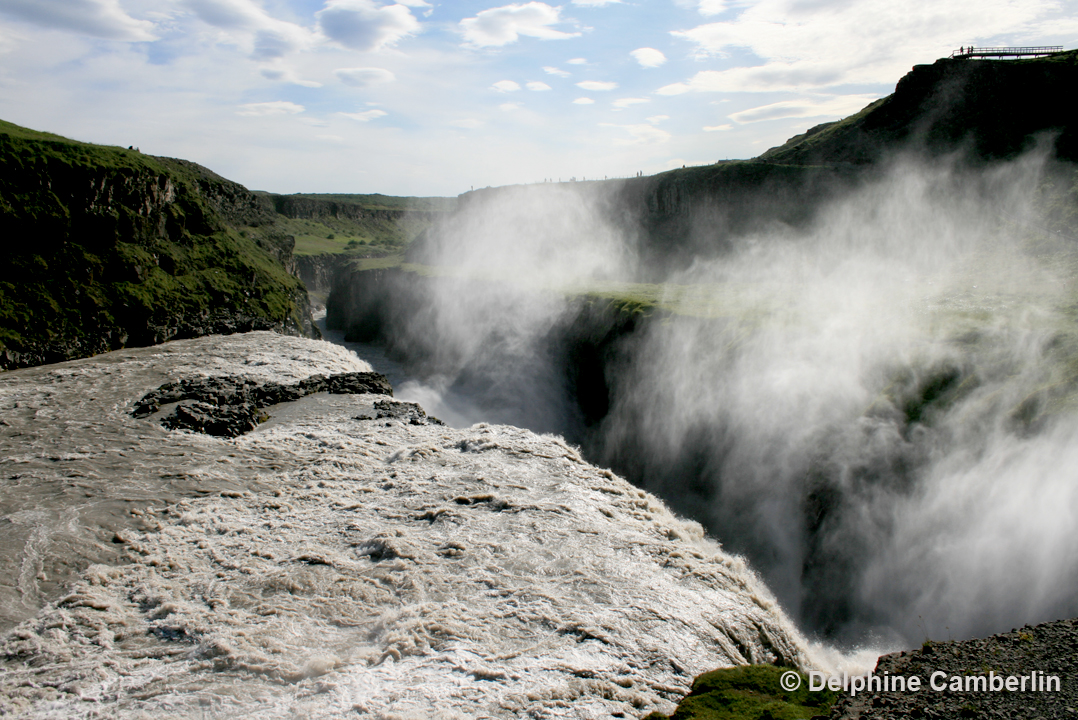
- Hire an EV — Iceland's charging infrastructure is excellent and electricity is clean
- Avoid the most crowded Golden Circle sites in peak season — explore the Westfjords instead
- Responsible whale watching: choose operators certified by the IceWhale association

- Stay in Aldeias de Portugal — a network of certified rural tourism properties
- Take the train between Lisbon and Porto — fast, cheap, low carbon
- The Azores has some of Europe's strongest whale watching ethics guidelines
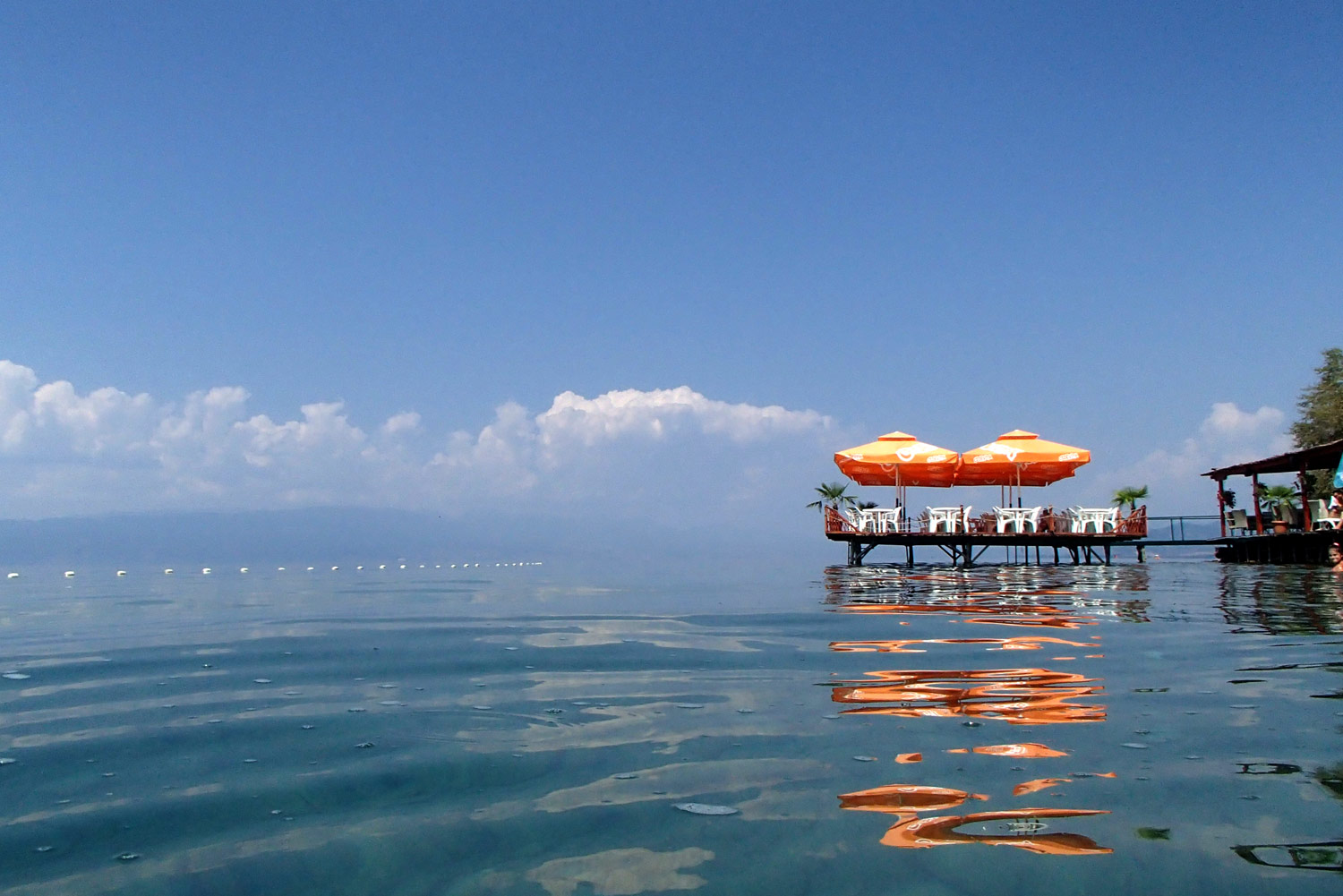
- Stay in family-run konaks and guesthouses rather than international hotels
- Durmitor and Mavrovo national parks have locally guided hiking programmes
- Support the Via Dinarica hiking trail — a cross-Balkan route managed by local NGOs

- Book Responsible Tourism Mission-certified homestays in Kerala
- Avoid elephant rides anywhere in India — choose observation-only wildlife sanctuaries
- The Kerala backwaters: choose smaller wooden houseboats over the large motorised ones
The remaining 5 countries on this site — Italy, Malta, Netherlands, Norway, Singapore — are developed tourism destinations where the main responsibility is spending thoughtfully: choosing independent restaurants over chains, local guides over corporate tours, and public transport over taxis.
What to Book🎟️ Eco-Certified Experiences Worth Booking
The best sustainable travel experiences share a few characteristics: they are led by local people, they limit group sizes, some portion of the fee goes directly to conservation or community development, and they don't require any animal to perform or suffer. Here are the categories worth looking for in each region.
How to spot greenwashing: A resort that calls itself "eco" because it has solar panels is not the same as one that employs local staff, sources food locally, and contributes to conservation programmes. Ask three questions: Who owns it? Who works there? Where does the money go?
Guided nature walks, indigenous cultural experiences, wildlife conservation tours, and community-led adventures — available across all 18 countries.
18 countries in depth — 43 visited
This site currently covers 18 countries in depth across 4 continents. New destinations — and their eco credentials — will be added as the Galerie grows.
Explore all 18 countries →❓ Responsible Travel — FAQ
Which country is the best for first-time responsible travellers?
Costa Rica. The infrastructure for ecotourism is mature, English is widely spoken in tourist areas, public transport is reliable, and the cultural attitude towards sustainability is genuine rather than performative. Practically every park and reserve has community-benefit mechanisms built in.
Is New Zealand really as eco-friendly as it's marketed?
Largely yes — Department of Conservation maintenance is excellent, Māori cultural tourism is genuinely community-led, and the country has serious commitments to predator-free 2050 and net-zero. The honest exception is air travel: it's a long way from anywhere else, so the flight emissions are unavoidable.
Are budget destinations less responsible by default?
No. Budget destinations like Indonesia, Cambodia, and the Balkans often have stronger community-tourism programmes than expensive destinations, because tourism is more important to their economies. The challenge is finding genuine community operators rather than foreign-owned tour packages.
Which European country leads on responsible tourism?
Norway. Allemannsretten (right to roam), strong wilderness protections, eco-certified accommodation networks, and one of the world's highest EV adoption rates. Portugal is rapidly catching up with strong sustainable food, certified eco-tourism operators, and excellent rail networks.
Should I avoid certain countries on ethical grounds?
Generally no — boycotting destinations usually hurts the local population more than it pressures governments. The honest exceptions are very specific: known wildlife-trafficking hubs, or countries where tourism revenue directly funds well-documented human rights abuses. For most destinations, travelling responsibly within them does more good than staying away.
Subscribe to the Newsletter
New travel guides, eco tips, and photography from 18 countries. One email at a time, no spam.