Search across 18 country guides, eco articles, photography, and travel resources.

ALL DESTINATIONS Spain — Tapas, Andalucía, the Camino and city light
EUROPE

SpainAlhambra, Sierra Nevada, Ruta del Cares, Barceloneta

Why to Visit Spain?

Spain is not one country photographically — it's five or six. The whitewashed villages of Andalucía and the Alhambra's geometrically perfect courtyards bear almost no visual relationship to the industrial modernity of Bilbao's Guggenheim, the volcanic lunar landscape of Lanzarote, the Gothic peaks of Montserrat, or the green Atlantic drama of the Picos de Europa. The Ruta del Cares gorge in Asturias — a 12km path cut into the limestone cliff face above a river gorge — is one of the most spectacular hiking trails I've walked in Europe and almost completely unknown outside Spain. Add the pintxos culture of San Sebastián, the architecture of Gaudí in Barcelona, and the light of Salamanca's sandstone Plaza Mayor at dusk, and Spain becomes a lifetime's photography destination.

Photography Highlights

The Alhambra, Granada — the Nasrid Palaces inside the Alhambra are among the finest examples of Islamic architecture in the world, and the combination of geometric tile work, carved stucco, and water features creates extraordinary detail photography opportunities. Book tickets weeks in advance — timed entry is strictly enforced and sells out constantly.

Bilbao and the Guggenheim — Frank Gehry's titanium-clad building is a masterwork of architectural photography. The Puppy floral sculpture by Jeff Koons at the entrance and the Louise Bourgeois spider Maman are equally strong subjects. Bilbao's old quarter and the Mercado de la Ribera add urban texture.

Lanzarote's volcanic landscape — the Timanfaya National Park is unlike anywhere else in Europe. Black lava fields stretching to the horizon, geysers powered by residual volcanic heat below the surface, and the craters of the Fire Mountains all look as if the eruption happened last week rather than in 1730. The light here in the late afternoon, with the low sun casting shadows across the lava field texture, is extraordinary.

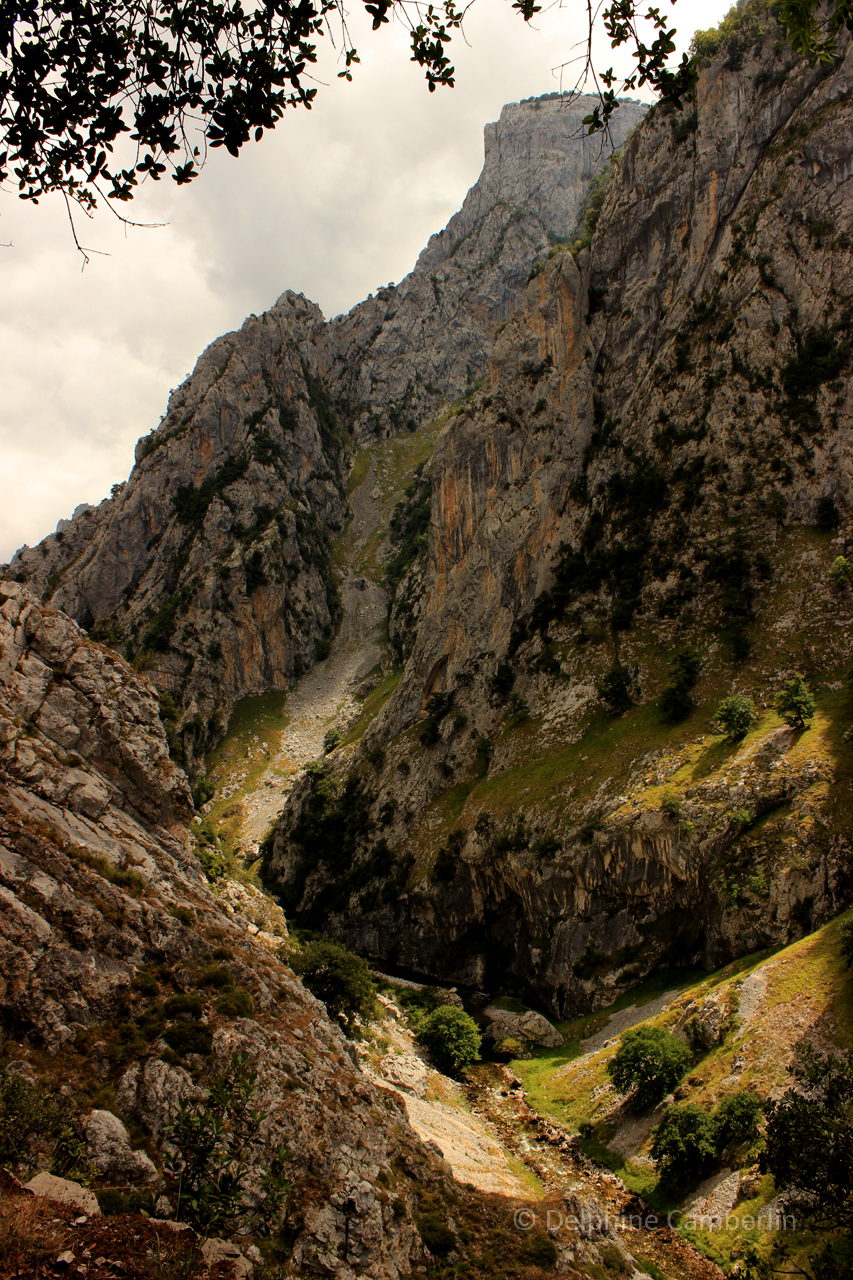
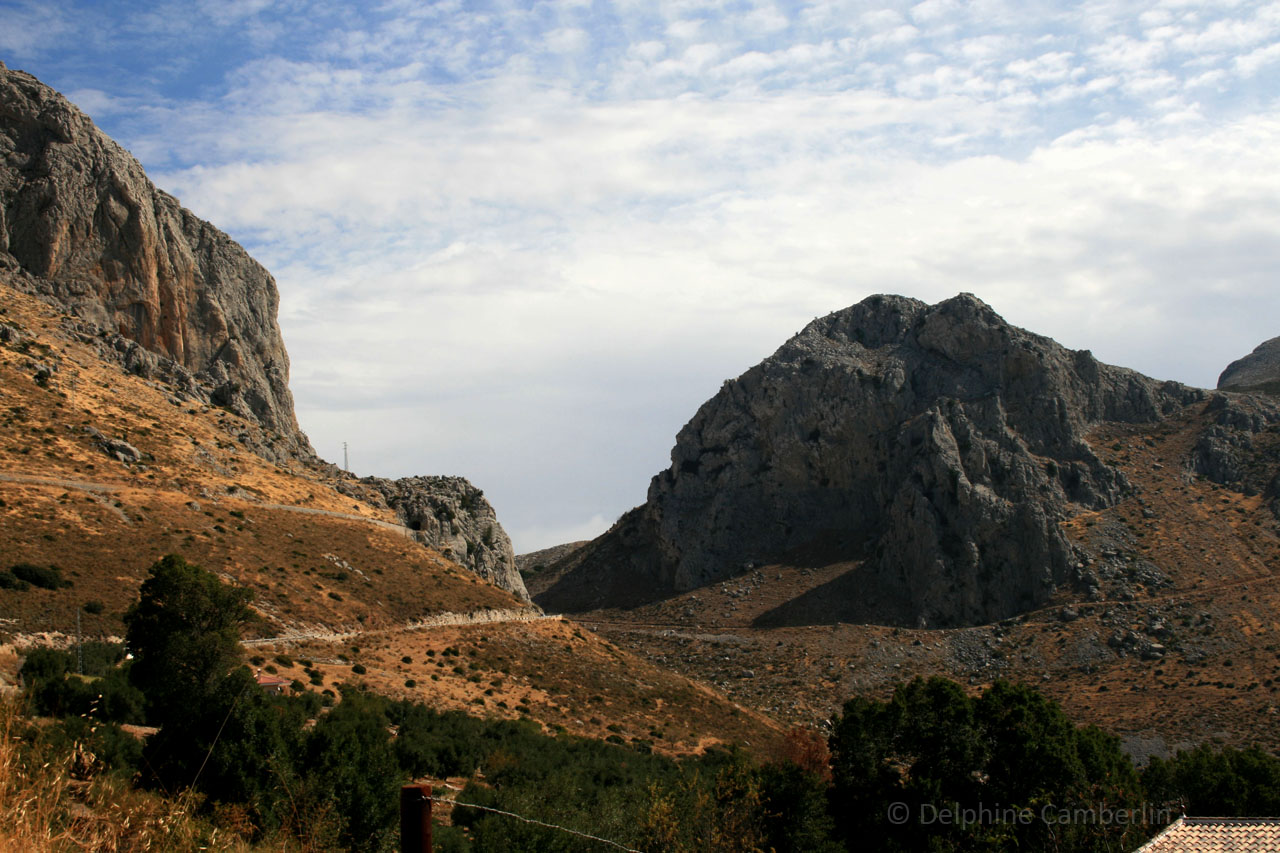
The Ruta del Cares, Picos de Europa — a path carved into the face of a limestone gorge, with the river 500m below and limestone peaks above. The scale is hard to capture in a single frame; wide angle is essential, and the best light is in the morning when the sun reaches the gorge floor.

Travel Information about Spain

Spain offers exceptional value compared to France, Italy, or the UK — particularly for food, where the menú del día (a three-course lunch with wine for €10–14) remains a genuine institution. The AVE high-speed train network connects Madrid, Barcelona, Seville, Valencia, and Málaga efficiently, making a multi-region trip genuinely practical within a two-week window.

🗓️Recommended stay7 – 21 days
🎒Budget / day€50–80 / $55–88Hostel, menú del día (set lunch), AVE 2nd class
🥂Luxury / day€160–350 / $176–385Paradores (historic state hotels), Michelin dinners, private tours
📅Best monthsApril – June · September – October
🌡️Climate8–35°C · Huge variety: rainy Atlantic north, arid southCanary Islands warm year-round · August is very hot and crowded in cities
✈️VisaSchengen — EU / EEA free · US / UK visa-free 90 days
💵CurrencyEUR · Cards everywhere · Some small tapas bars & markets cash only
🚂Getting aroundAVE high-speed trains excellent between cities · Rental car for rural areas & national parks
🛡️SafetyLow — safePickpockets active in Barcelona La Rambla & Madrid Puerta del Sol
🍜Must-try foodJamón ibérico, pintxos, paella valenciana, tortilla española, churros con chocolate
💬LanguageEnglish in tourist areas · A few Spanish words go a long way · In Barcelona say "Català" not "Spanish" — regional pride matters
Region 01

Andalusia — The Alhambra, Flamenco & the Deep South

Sierra Nevada Andalusia
Sierra Nevada Andalusia — skiing above the orange groves of Granada · © Delphine Camberlin

Andalusia is the Spain of the imagination: whitewashed villages on hillsides, the smell of orange blossom and jasmine in April, sherry country, and flamenco not as entertainment but as an emotional language. It is the region most shaped by its history as Al-Andalus — the Moorish civilisation that occupied the Iberian Peninsula for 800 years (711–1492) and left an architectural, agricultural, and cultural legacy visible at every turn.

The Alhambra, Granada — the finest Islamic palace complex in the world, and one of the most extraordinary buildings in any tradition. Built by the Nasrid sultans between the 13th and 15th centuries on a forested ridge above Granada, the Alhambra is a sequence of interlocking palaces, gardens, fountains, and geometric intricacy that defies photography because no image captures the relationship between the spaces, the water, the light, and the carving simultaneously. The Nasrid Palaces — particularly the Court of the Lions and the Hall of the Ambassadors — are among the greatest rooms ever designed. Book the timed entry tickets months in advance; the numbers are strictly controlled and sell out. Visit in the early morning slot to have the first hour in the Nazarí route with minimal crowds.

Seville — Andalusia's capital and the most viscerally Spanish city I've visited: the Real Alcázar (a working royal palace, still used by the Spanish royal family, with Moorish architecture commissioned by a Christian king after the Reconquista — one of the great acts of cultural appropriation in architectural history), the Gothic cathedral (the largest Gothic church in the world, housing Columbus's disputed tomb), and the Barrio de Santa Cruz's labyrinth of whitewashed lanes. The Semana Santa (Easter Holy Week) procession in Seville — 58 cofradías (brotherhoods) moving enormous processional floats through streets too narrow for them, by candlelight, accompanied by saetas (improvised flamenco laments sung from balconies above) — is one of the great European spectacles and entirely unlike anything else in Spain.

Córdoba — the Mezquita (Great Mosque, now a cathedral) is the most architecturally complex monument in Spain: a forest of 856 columns in alternating red and white stone arches built by successive Umayyad caliphs, with a Renaissance cathedral built inside its interior in the 16th century by Charles V (who later said he had "destroyed something unique to build something ordinary"). The Judería (Jewish quarter) around it is one of the finest preserved medieval urban quarters in Europe.

Flamenco — not the tourist tablao show (though some of these are genuinely good) but the underlying culture. Flamenco originated in Andalusia as the music of the gitano (Roma) communities in Jerez, Cádiz, and Seville — a convergence of Moorish, Sephardic Jewish, and Roma musical traditions into something that does not sound like any of its parents. The three elements — cante (song), toque (guitar), and baile (dance) — are inseparable; each responds to the others in real time. The palos (forms) — soleá, siguiriya, bulerías, tangos — carry different emotional weights, from the profound grief of the siguiriya to the fast joy of the bulerías. Seeing flamenco in a small venue in the Triana neighbourhood of Seville, or at the Peña Flamenca in Jerez on a Thursday evening, is the difference between tourism and experience.

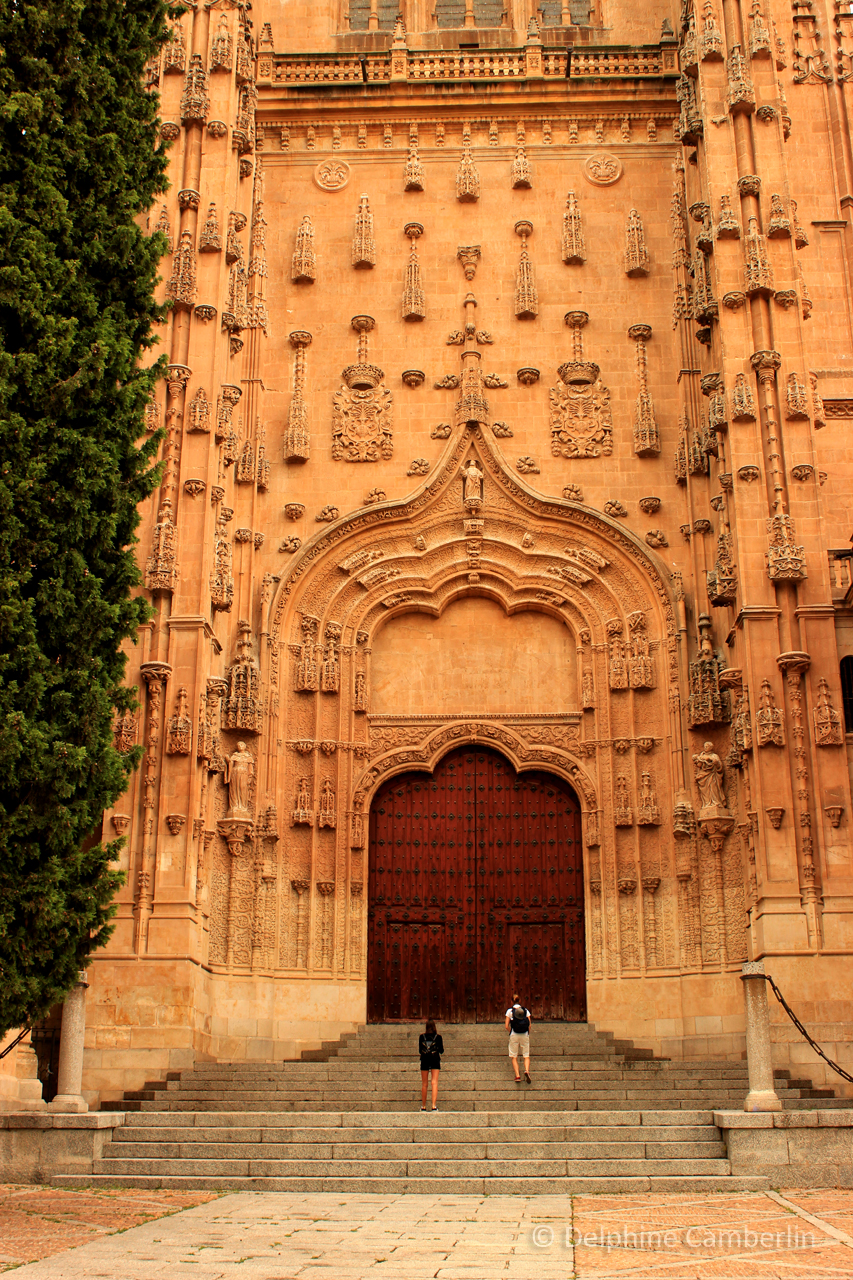
Salamanca cathedral
Salamanca cathedral — the golden sandstone of Spain's greatest university city · © Delphine Camberlin

Andalusia Tips

  • Alhambra: book the timed Nasrid Palace slot months in advance — the General ticket without this slot is nearly worthless. The garden palaces (Generalife) require no advance booking
  • Seville in April: the Feria de Abril (a week-long horse parade and flamenco celebration in private casetas) follows Semana Santa — the two back-to-back make April the finest month in Andalusia
  • Jerez de la Frontera: the spiritual capital of both sherry wine and flamenco, consistently undervisited relative to its cultural importance
  • Jamón ibérico de bellota — acorn-fed Iberian ham, cured 36+ months in the mountain air of Huelva or Salamanca — is the finest cured meat in the world. Buy it sliced at a market; eat it with a glass of fino sherry
  • The whitewashed villages of the Sierra Nevada (Pampaneira, Bubión, Capileira) are one of the most beautiful drives in Spain and entirely tourist-free in shoulder season
Region 02

Northern Spain — Basque Country, Galicia & the Camino

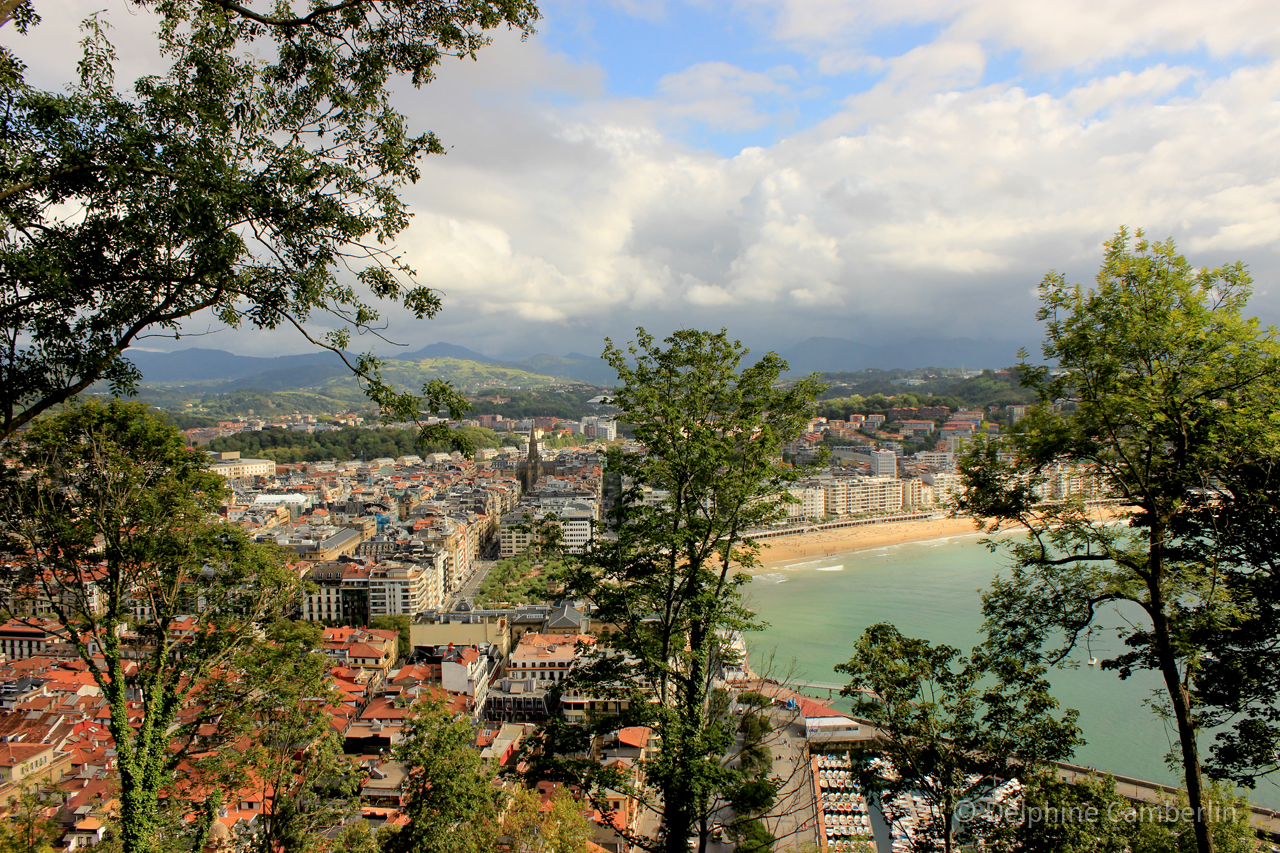
Monte Urgull San Sebastián
Monte Urgull San Sebastián — the Basque coast panorama from above the old city · © Delphine Camberlin

Northern Spain — green, Atlantic, wet, proud, and fiercely regional — is culturally and climatically a different country from Andalusia. The Basque Country (País Vasco) has its own language (Euskara, unrelated to any other language on Earth), its own food culture (more Michelin stars per capita than anywhere else on the planet), and a political identity that spent decades in violent conflict with the Spanish state. Galicia, in the far northwest, is Celtic in spirit — bagpipes, fishing villages in the rain, and the finest seafood in Spain. Between them lies the Camino de Santiago.

San Sebastián (Donostia) — the most extraordinary food city in Europe by the metrics of Michelin stars, pintxos density, and general local obsession with eating well. The Old Town (Parte Vieja) contains more bars per square metre than anywhere else in the world, each displaying along its counter a spread of pintxos — small creations on bread, more elaborate and more carefully made than the word "tapas" suggests — that change throughout the day and evening. A pintxos crawl here (7pm–10pm, moving from bar to bar, eating two or three at each, with a txakoli, the local sparkling white wine) is the best meal-as-experience available in Spain. Beyond the bars: Mugaritz, Arzak, Elkano (in nearby Getaria, for the finest grilled turbot) — the Basque Country's three-Michelin-star scene is world-class. The Playa de la Concha beach — a perfect crescent bay in the city centre — makes San Sebastián one of the most beautiful beach cities in Europe.

Bilbao — the city rebuilt from post-industrial decline by a single building. Frank Gehry's Guggenheim Bilbao (1997) triggered an urban regeneration that became a textbook case in architecture and economics: the museum's titanium curves, particularly at sunrise or reflected in the Nervión River, remain one of the most photographically exciting buildings in the world. The Casco Viejo (old town), the covered Ribera market (Mercado de la Ribera — the largest covered market in Europe), and the city's café culture make Bilbao worth a full day beyond the Guggenheim.

Galicia & the Camino de Santiago — Santiago de Compostela, in the far northwest corner of Spain, has been the destination of one of the world's great pilgrimage routes since the 9th century. The Camino Francés (French Way, 780km from Saint-Jean-Pied-de-Port in France) is the most famous route; the Camino Portugués (coastal or central, from Porto or Lisbon) is the fastest-growing. Walking the Camino is not primarily a religious act for most of the 350,000+ people who do it annually — it is a walking meditation, a test of endurance, a social experience of extraordinary warmth, and an encounter with a rural Spain of eucalyptus forests, granite village churches, and stone-paved Roman roads that still functions as it has for a thousand years. The arrival at the Plaza del Obradoiro — the baroque square in front of Santiago's cathedral — after weeks of walking, in a crowd of pilgrims from every country, is one of the genuinely moving experiences of European travel. Galicia's food separately: pulpo á feira (octopus on a wooden board with olive oil, paprika, and coarse salt — served in every pulpería in the region), Albariño wine (crisp, mineral, from the Rías Baixas), percebes (goose barnacles, prised off Atlantic rocks and briefly boiled — extraordinary), and the finest Galician empanadas.

Ruta del Cares
Ruta del Cares — the Picos de Europa gorge walk, one of Spain's great hikes · © Delphine Camberlin

North Spain Tips

  • San Sebastián pintxos: 7–8pm is the golden hour when the displays are freshest. Ask for the day's specials; the best items are often behind the counter, not in the display
  • Basque Country: the coastal road from San Sebastián to Bilbao via Getaria, Zumaia, and Guernica is one of Spain's finest coastal drives
  • Camino de Santiago: the last 100km (from Sarria) are the minimum for the Compostela certificate. Spring (April–May) and autumn (September–October) are the best seasons — avoid the summer heat on the Meseta
  • The Picos de Europa — limestone massif on the border of Asturias and Cantabria, with the Ruta del Cares gorge walk — is one of Spain's finest and least-visited mountain regions
  • Rioja wine: the Rioja Alta and Rioja Alavesa sub-regions have excellent cellar door visits — the Marqués de Riscal hotel (also Frank Gehry) in Elciego is worth a night
Madrid & Barcelona — Spain's Two Capitals

Spain has two cities that function as competing capitals — administratively (Madrid), and culturally and internationally (Barcelona, at least in its own estimation and in the imagination of most foreign visitors). They are genuinely different cities with different characters, different languages, and different food cultures.

Parque del Buen Retiro Madrid Spain
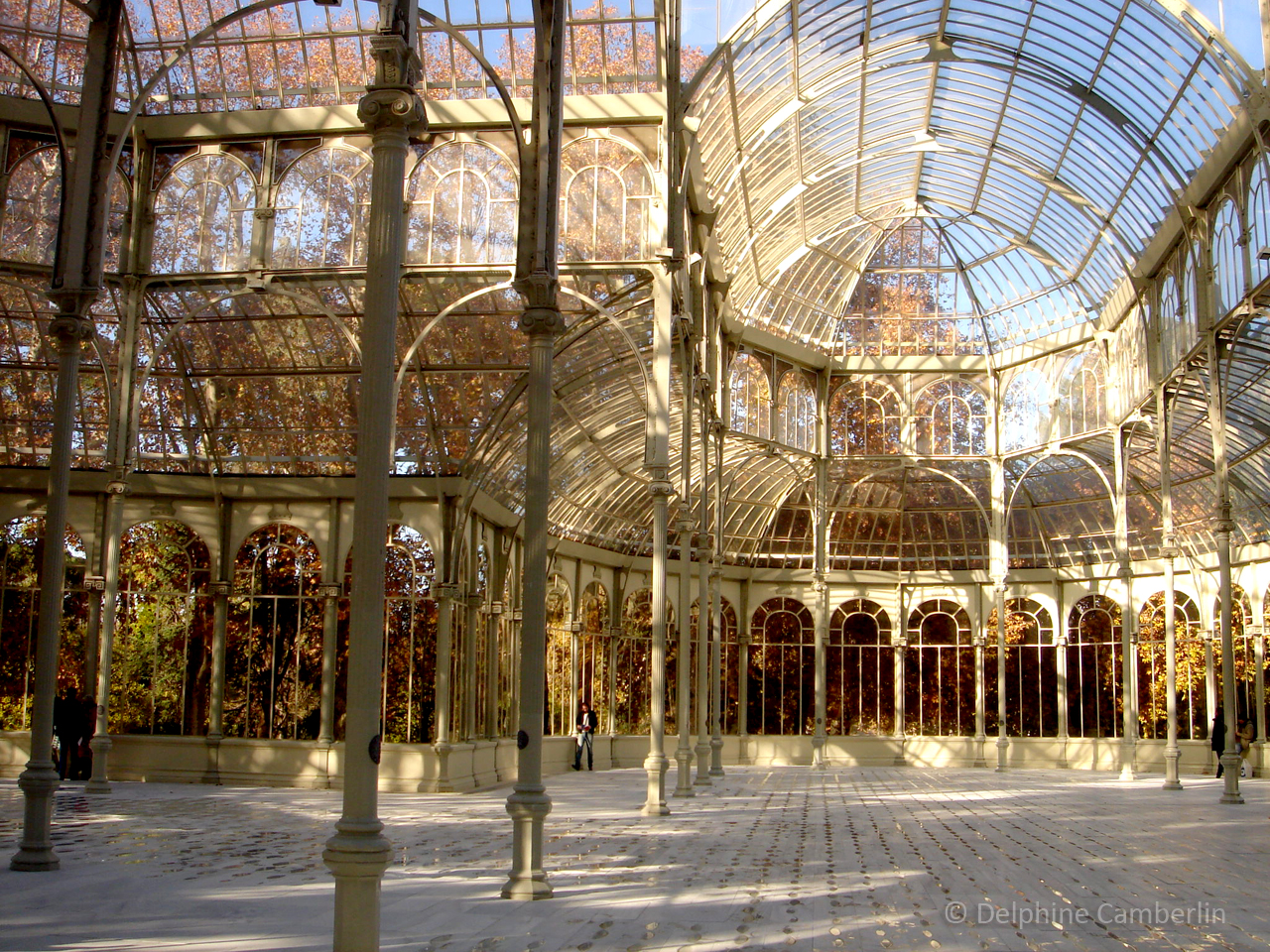
Parque del Buen Retiro, Madrid — the city's great park, where Madrileños picnic and row boats on weekend afternoons · © Delphine Camberlin

Madrid — Europe's highest capital at 667 metres, and Spain's political, administrative, and sporting hub. The Prado Museum (Velázquez, Goya, El Greco — the finest collection of Spanish painting in the world, and one of the great art museums on Earth) and the Reina Sofía (Picasso's Guernica, the most important political painting of the 20th century) together make Madrid one of the mandatory art pilgrimages of Europe. The Barrio de las Letras (literary quarter), the Mercado de San Miguel, the Retiro Park (particularly at weekend midday when Madrileños picnic and row boats on the lake), and the tapas culture of La Latina — Madrid rewards four to five days of unhurried exploration. The city eats and socialises late by any European standard: lunch at 3pm, dinner at 10pm, clubs opening at 2am. Adjust your circadian rhythm accordingly.

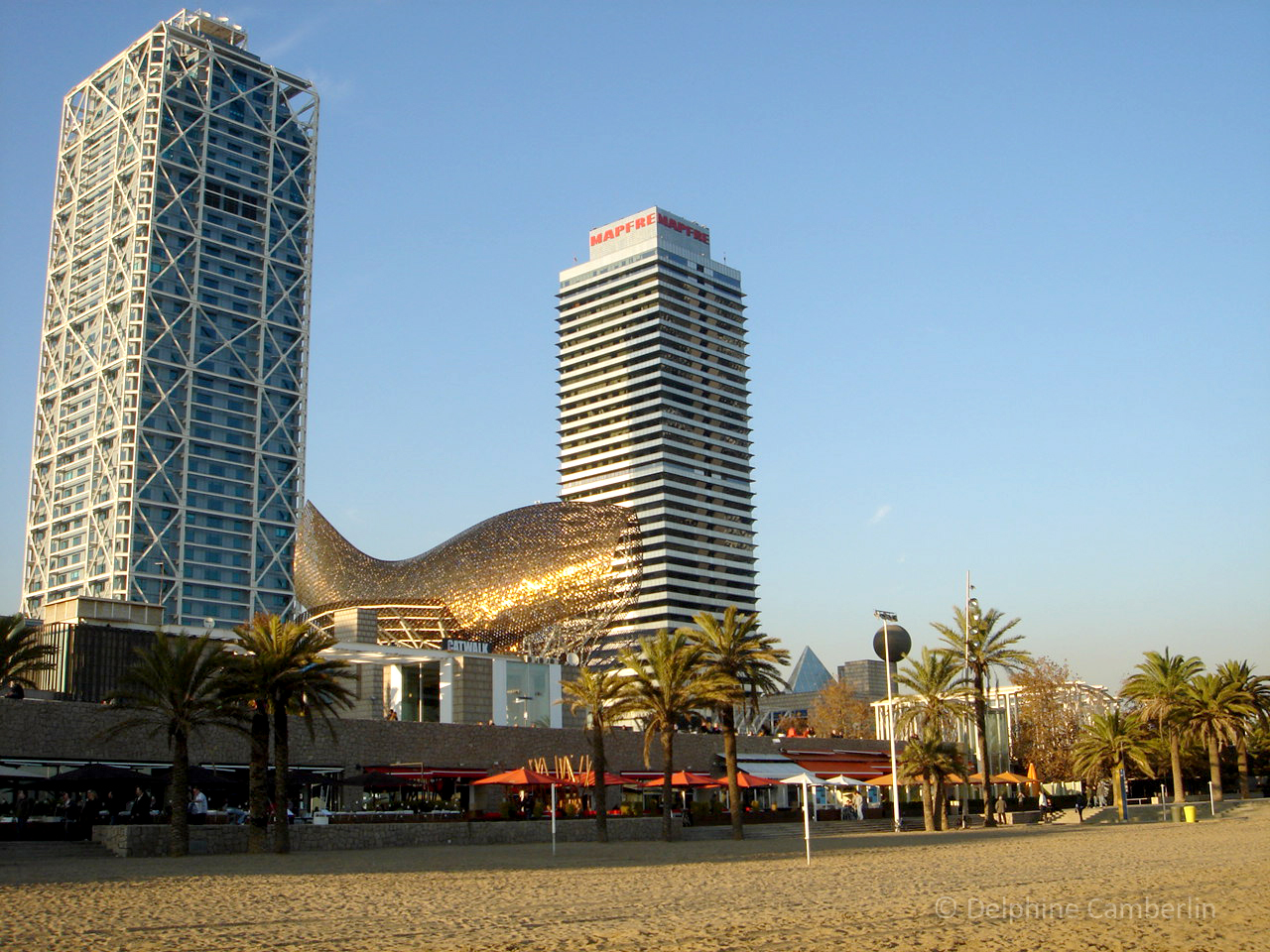
Barceloneta beach Barcelona Spain
Barceloneta, Barcelona — the city beach that defines Barcelona's unique combination of urban and coastal · © Delphine Camberlin

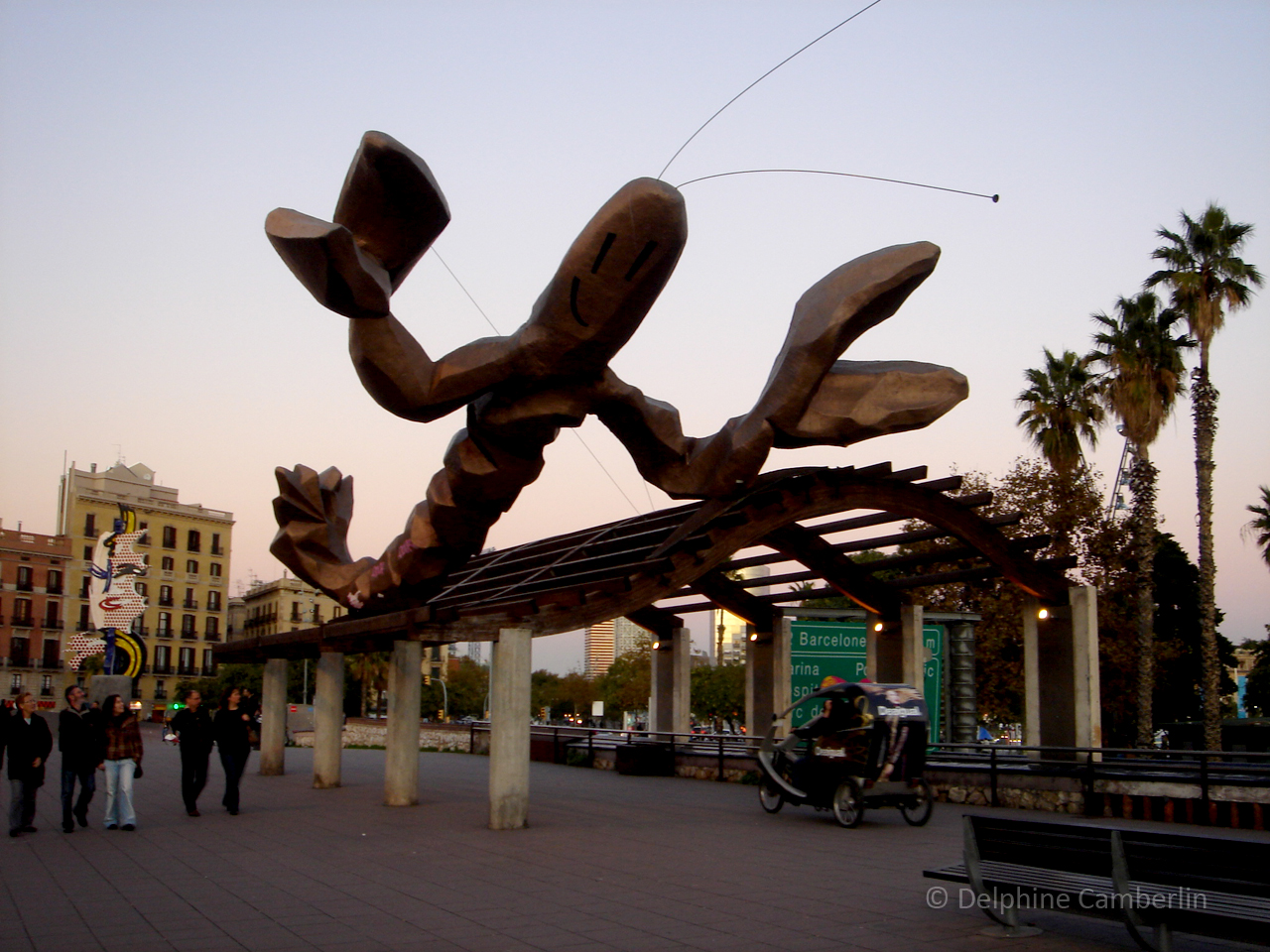
Barcelona — Catalonia's capital speaks its own language (Catalan, not a dialect of Spanish but a fully separate Romance language), has its own culinary tradition (pa amb tomàquet — bread rubbed with ripe tomato and olive oil is the foundation of every Catalan meal), and has produced in Antoni Gaudí an architect whose work sits completely outside any other tradition. The Sagrada Família (still under construction since 1882, now expected to complete around 2026, its interior a forest of branching columns in filtered coloured light) is the most visited monument in Spain. Park Güell, Casa Batlló, and La Pedrera (Casa Milà) compose a visual universe with no parallels. The Born neighbourhood (former La Ribera) — medieval streets, Gothic churches, the Mercat de Santa Caterina, cocktail bars in 16th-century palaces — is the finest neighbourhood for eating and walking in Barcelona. The Camp Nou (FC Barcelona's stadium, one of Europe's largest) is a pilgrimage site for a different audience.

Valencia — the home of paella. The authentic Valencian paella is made with rabbit, chicken, green beans, and bomba rice — no seafood, no chorizo — cooked over open wood fire in a wide, shallow pan until the bottom layer forms the socarrat (the slightly caramelised crust that is the mark of a well-made paella). Valencia's La Ciudad de las Artes y las Ciencias (City of Arts and Sciences, designed by Santiago Calatrava) is the most spectacular piece of contemporary architecture in Spain. The Las Fallas festival (March 15–19) — when enormous satirical papier-mâché sculptures are built over months and burned in the streets on the final night — is one of the great European folk events.

Spanish Food — Not Just Paella
Tapas Bilbao pintxos Basque Country Spain
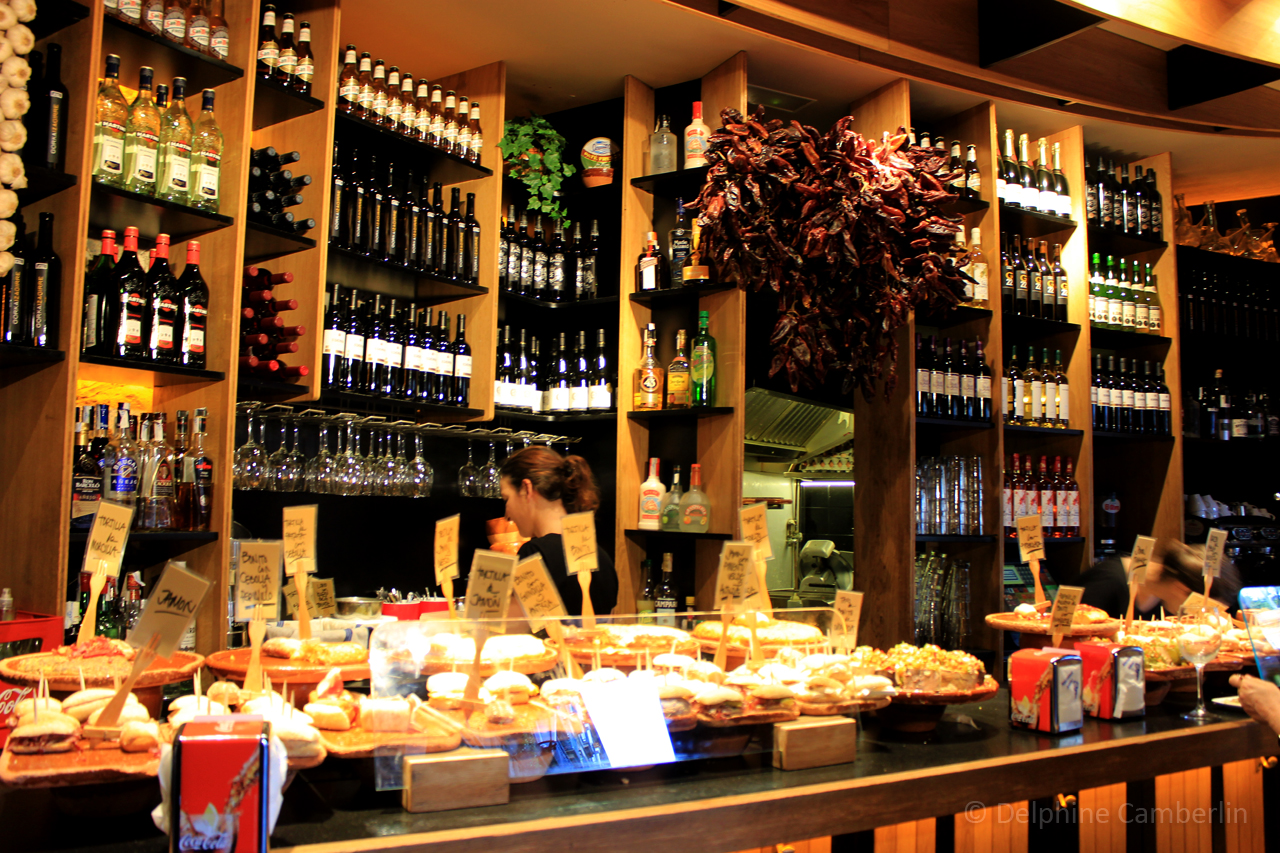
Tapas in Bilbao — the Basque pintxos tradition is among the finest bar food cultures in the world · © Delphine Camberlin

Spain's food culture is, like Italy's, a collection of intensely regional traditions rather than a unified national cuisine. The mistake most visitors make is treating paella as symbolic of all Spanish food. It is not — it is specifically Valencian, and eating it in Madrid or San Sebastián is a category error. The real Spain on a plate looks completely different depending on where you are standing.

Tapas culture — the social institution that organises eating in Spain: small dishes ordered and shared, eaten standing or at the bar, designed to accompany a drink and extend social time. In Andalusia (particularly Jaén, Granada, Almería) a tapa still arrives free with a drink. In Madrid they are ordered separately. In the Basque Country they become pintxos — more complex, more carefully composed, served on bread and skewered. The general principle — eating many small things rather than one large thing, in a social rather than formal setting — is the most distinctive thing about Spanish food culture.

Jamón ibérico de bellota — the finest cured meat in the world. Iberian black pigs (cerdo ibérico), descended from wild boar, raised semi-wild in the dehesa (oak woodland) of Extremadura and western Andalusia and fattened exclusively on bellota (acorns) in the final months before slaughter. The resulting ham, cured for 36–48 months in mountain curing houses, has a fat that melts at below body temperature and a flavour of extraordinary complexity. The price reflects the reality: the best jamón ibérico de bellota costs more per kilogram than most seafood. Eat it sliced to order at a market or jamonería; the pre-packaged version is not the same experience.

The Basque Country's food supremacy — the Basque Country has more Michelin-starred restaurants per capita than anywhere else on the planet. This is not coincidence: a food culture that has treated eating as a serious intellectual and social pursuit for generations (the txoko tradition — private gastronomic societies where men cook elaborately for each other, a uniquely Basque institution) has naturally produced chefs of extraordinary ambition. Arzak, Mugaritz, Elkano, Asador Etxebarri (known for its wood-fire cooking — the most influential restaurant in northern Spain) define a style that is simultaneously rooted in Basque tradition and technically sophisticated. But the pintxos bar at 8pm in the Parte Vieja of San Sebastián is the Basque Country's greatest food experience, not the starred restaurants.

Seafood scampi Barcelona Spain
Seafood, Barcelona — Spain's Atlantic and Mediterranean coastlines produce extraordinary shellfish · © Delphine Camberlin

Wine — Spain has more land under vine than any other country in the world, and the diversity of its wine regions reflects this. Rioja (Tempranillo-based reds aged in American or French oak — the Reserva and Gran Reserva classifications represent years of ageing); Ribera del Duero (Tempranillo at altitude, more concentrated and powerful than Rioja); Albariño from Galicia's Rías Baixas (crisp, mineral, Atlantic, the finest white wine in Spain); Sherry (Jerez's fortified wines — fino, manzanilla, oloroso, PX — representing one of the great wine traditions of the world and consistently undervalued). The natural wine movement has also been particularly strong in Spain, with producers in Catalonia, Galicia, and the Canary Islands making some of Europe's most interesting wines.

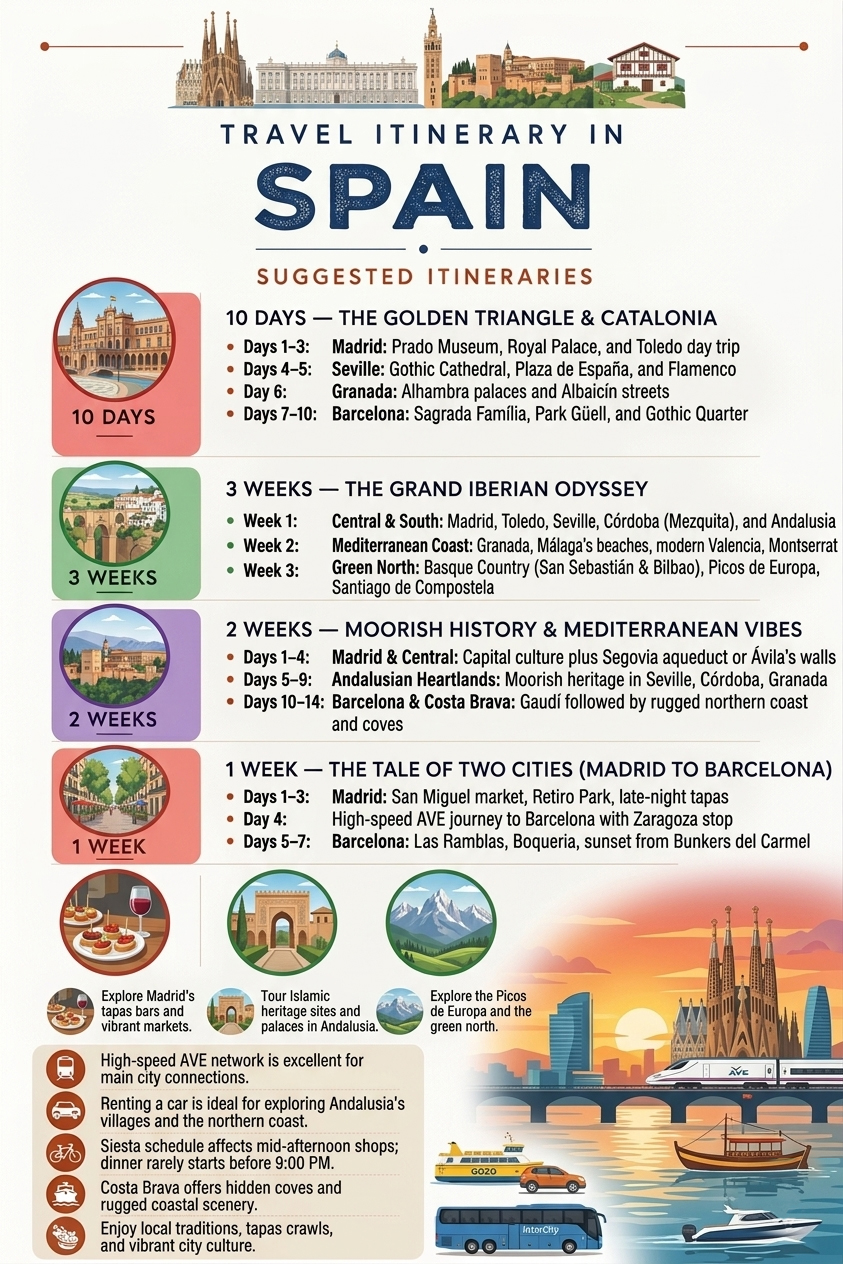
Suggested Itineraries in The Spain

10 days — The Golden Triangle & Catalonia

  • Days 1–3: Madrid: The Prado Museum, Royal Palace, and a day trip to medieval Toledo
  • Days 4–5: Seville: The Gothic Cathedral, Plaza de España, and evening Flamenco in Triana
  • Day 6: Granada: The Alhambra palaces and the narrow streets of the Albaicín
  • Days 7–10: Barcelona: Sagrada Família, Park Güell, and the historic Gothic Quarter

3 weeks — The Grand Iberian Odyssey

  • Week 1: Central & South: Madrid, Toledo, Seville, Córdoba (the Mezquita), and the "White Villages" of Andalusia
  • Week 2: The Mediterranean Coast: Granada, Málaga’s beaches, the modern architecture of Valencia, and the Montserrat monastery
  • Week 3: The Green North: The Basque Country (San Sebastián & Bilbao), the Picos de Europa mountains, and the pilgrimage city of Santiago de Compostela

2 weeks — Moorish History & Mediterranean Vibes

  • Days 1–4: Madrid & Central Spain: Capital culture plus day trips to Segovia’s Roman aqueduct or Ávila’s walls
  • Days 5–9: Andalusian Heartlands: Exploring the Islamic heritage of Seville, Córdoba, and Granada
  • Days 10–14: Barcelona & Costa Brava: Gaudí’s masterpieces followed by the rugged cliffs and hidden coves of the northern coast

1 week — The Tale of Two Cities (Madrid to Barcelona)

  • Days 1–3: Madrid: The vibrant markets (San Miguel), Retiro Park, and late-night tapas crawls
  • Day 4: High-speed AVE journey to Barcelona with a stop in Zaragoza
  • Days 5–7: Barcelona: Las Ramblas, the Boqueria market, and sunset views from Bunkers del Carmel

Spain is a large and geographically diverse country. The AVE high-speed train network is one of the best in the world, making it incredibly easy to zip between Madrid, Seville, Valencia, and Barcelona in just a few hours. For the northern coast or the smaller villages of Andalusia, renting a car is a better option. Keep in mind the Spanish "siesta" schedule—many shops close in the mid-afternoon, and dinner rarely starts before 9:00 PM!
Itineraries in Spain

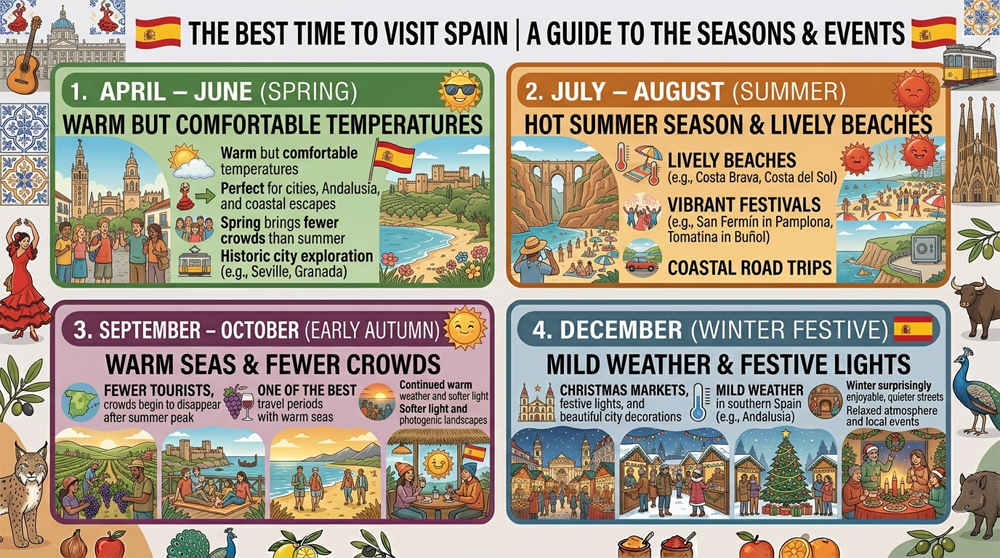
The Best Time To Visit Spain

The Best Time to visit Spain

April – June

Warm but comfortable temperatures make spring perfect for cities, Andalusia, and coastal escapes.

July – August

Hot summer season with lively beaches, festivals, and nightlife across the country.

September – October

One of the best travel periods with warm seas and fewer crowds.

December

Christmas markets, festive lights, and mild weather in southern Spain make winter surprisingly enjoyable.
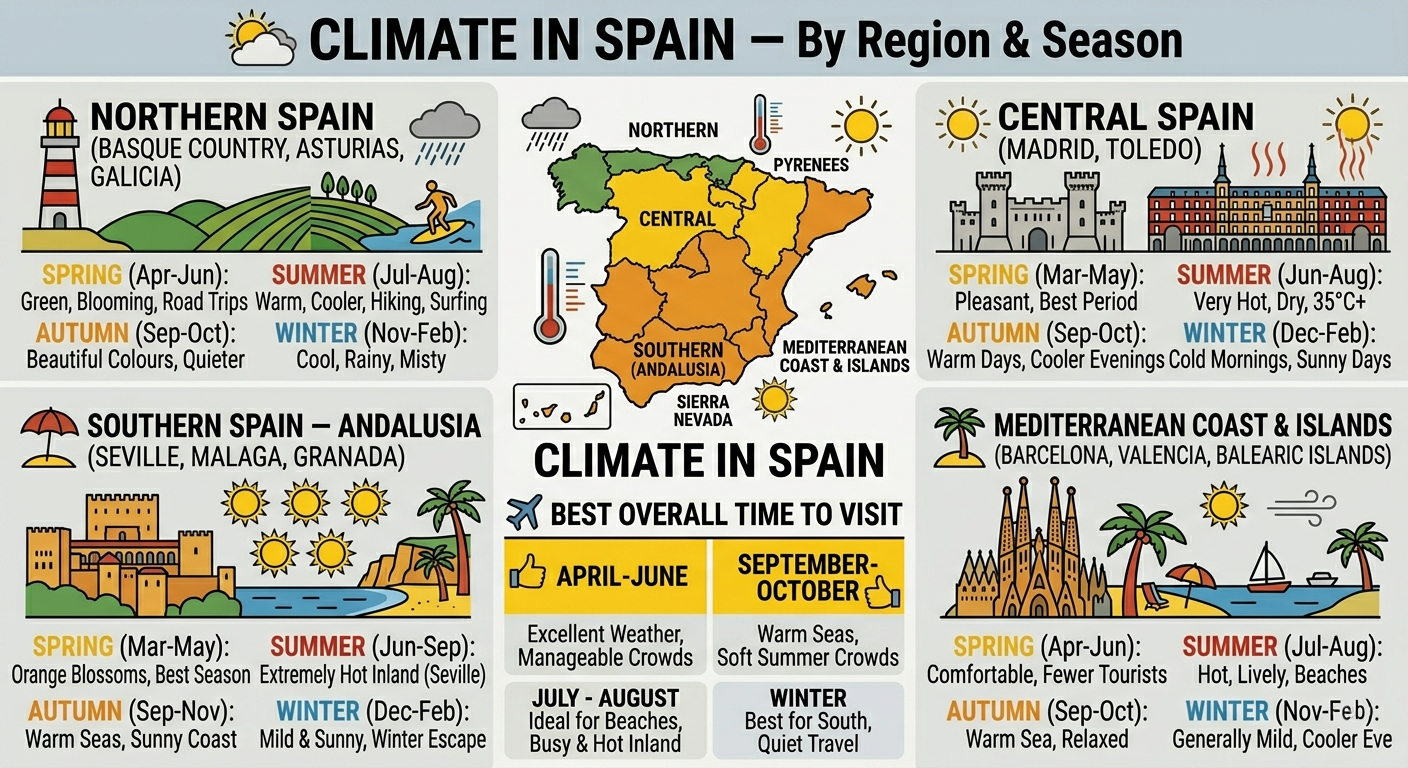
Spain Climate - By seasons & Weather

Climate Spain

Spain has one of the most diverse climates in Europe, ranging from Mediterranean beaches and dry southern plains to green northern coastlines and snow-covered mountains. The country experiences hot summers, mild winters in the south, and more seasonal variation inland and in northern regions. Because of this diversity, the best time to visit Spain depends greatly on the region and type of travel experience you are looking for.

Northern Spain -(Basque Country, Asturias, Galicia)

Spring — April to June
Green landscapes, blooming countryside, and mild temperatures make spring an excellent time for road trips and coastal exploration.

Summer — July to August
Warm but generally cooler than southern Spain, with comfortable temperatures ideal for hiking, surfing, and city breaks.

Autumn — September to October
Beautiful colours, dramatic coastlines, and fewer tourists create a quieter atmosphere across the north.

Winter — November to February
Cool, rainy, and often misty, especially along the Atlantic coast.

Central Spain - (Madrid, Toledo, Castilla y León)

Spring — March to May
One of the best periods to visit central Spain, with pleasant temperatures and lively city life.

Summer — June to August
Very hot and dry, particularly in Madrid where temperatures can exceed 35°C.

Autumn — September to October
Warm days and cooler evenings make autumn ideal for cultural travel and food experiences.

Winter — December to February
Cold mornings and occasional frost inland, though sunny days remain common.

Southern Spain — Andalusia - (Seville, Granada, Málaga, Córdoba)

Spring — March to May
Arguably the best season in Andalusia, with orange blossoms, festivals, and warm but manageable temperatures.

Summer — June to September
Extremely hot inland, especially in Seville and Córdoba where temperatures can become intense.

Autumn — September to November
Warm seas, sunny weather, and fewer crowds along the southern coast.

Winter — December to February
Mild and sunny compared to much of Europe, making Andalusia a popular winter escape.

Mediterranean Coast & Islands - (Barcelona, Valencia, Balearic Islands)

Spring — April to June
Comfortable temperatures, blooming landscapes, and fewer tourists before peak season.

Summer — July to August
Hot, lively, and ideal for beaches, nightlife, and island travel.

Autumn — September to October
Sea temperatures remain warm while cities and beaches become more relaxed.

Winter — November to February
Generally mild with cooler evenings, especially along the coast.

Mountain Regions - (Sierra Nevada, Pyrenees)

Winter — December to March
Snow season brings skiing and winter sports opportunities in Spain’s mountain ranges.

Summer — June to September
Cooler temperatures make the mountains perfect for hiking and outdoor activities.

📶 Stay Connected

Skip the SIM hunt on arrival. A travel eSIM lets you activate local data before you board — no plastic card, no roaming fees, instant setup. Roamic covers this destination and most countries in the Galerie.

Get Your Travel eSIM →
Moving to Spain? · Long-stay traveller

Settling in Spain for more than a holiday

If your photography or remote work is taking you to Spain for longer than a typical trip — digital nomad visa, family relocation, slow-travel sabbatical — Sunwave Relocation in Málaga handles the practical side: housing, NIE paperwork, schools, integration. 10+ years of experience and multilingual (ES · EN · FR · NL). It's where I send readers who ask about moving to Andalusia.

Visit Sunwave Relocation →

Experiences to Book in Spain

Alhambra tickets with a guided Nasrid Palaces tour must be booked weeks ahead — they sell out constantly. GetYourGuide also has excellent food tours in San Sebastián, Flamenco shows in Seville, and Sagrada Família skip-the-line access in Barcelona.

Find the perfect flight to Spain with Kiwi.com

Subscribe to the Newsletter

New quizzes, travel stories, and photography from 18 countries — straight to your inbox. One email at a time, no spam.

✓ Thanks! Check your inbox shortly.

Stock Photography

Spain Collection

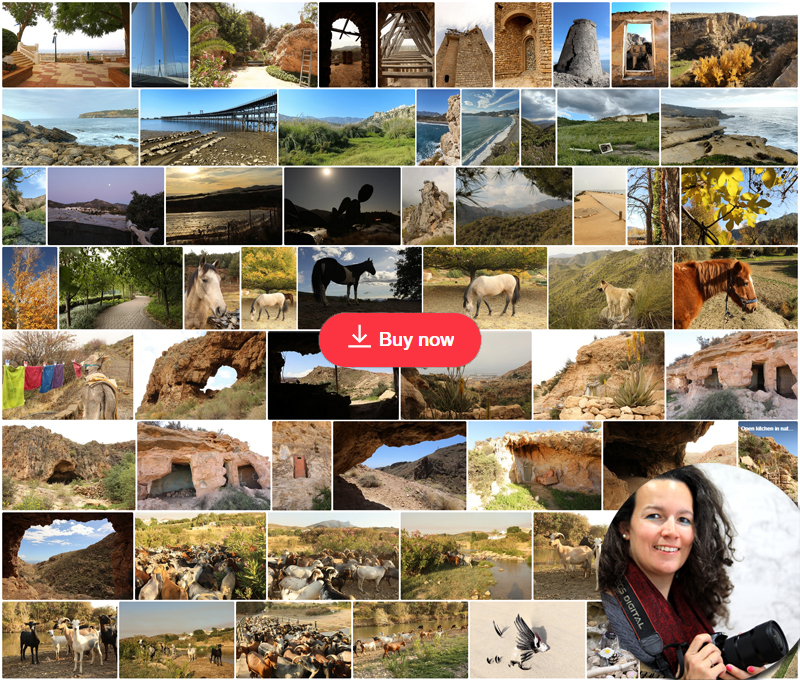
Browse and license the full Spain photography collection — available for commercial and editorial use on Shutterstock.

View on Shutterstock →
Spain Collections Delphine Camberlin ShutterStock

Stock Photography

Arabic Style Collection

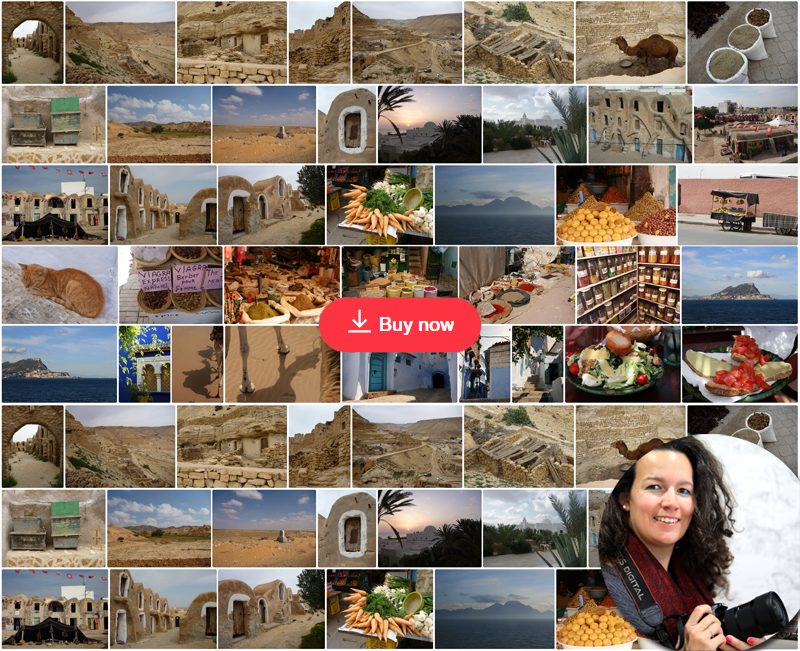
Browse and license the full Arabic Style photography collection — available for commercial and editorial use on Shutterstock.

View on Shutterstock →
Arabic Style Collections Delphine Camberlin ShutterStock